Orion (Inokhodets)
Medium-altitude long-endurance reconnaissance-strike UAV, Russia's first domestically produced analogue to the MQ-1 Predator class.
DroneAdversary capabilityby Kronstadt GroupIntroduced 2020
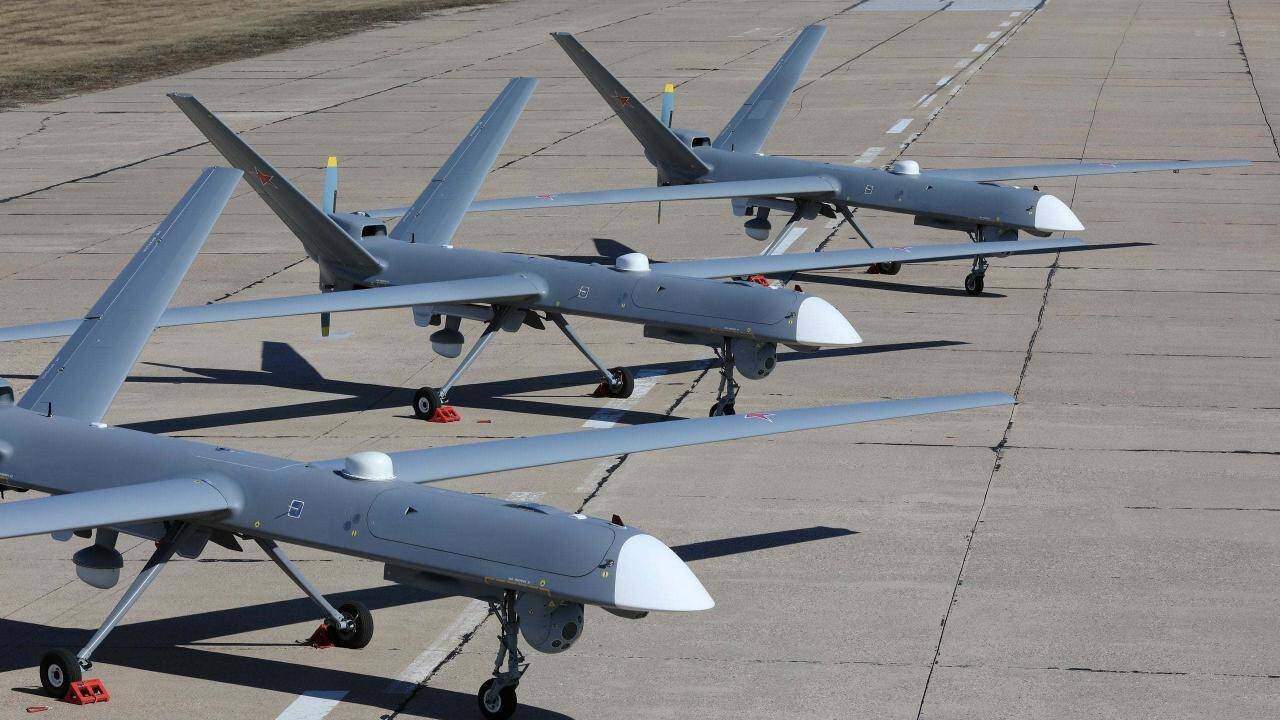
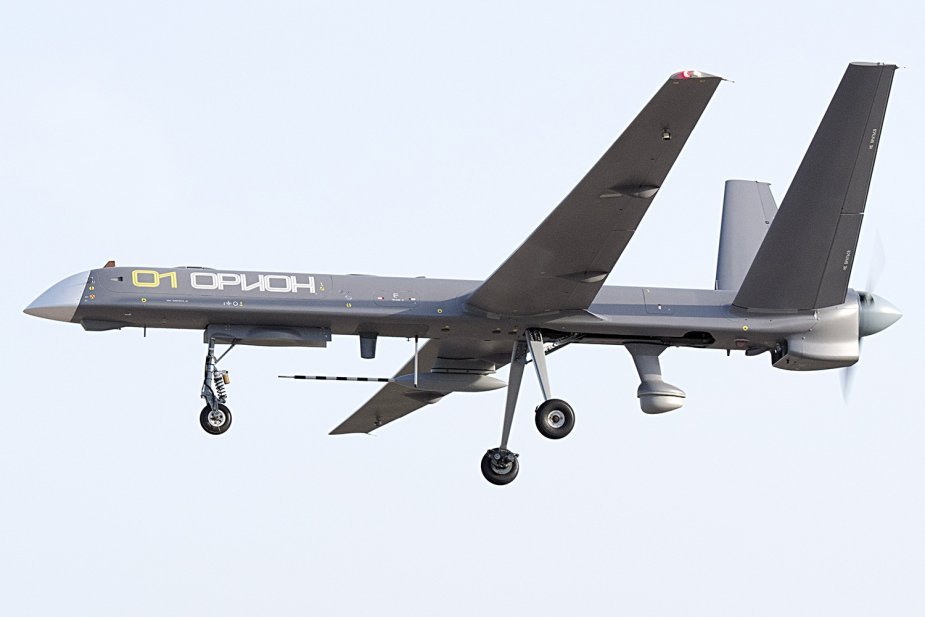
Photos: tvd.im · www.armyrecognition.com
Orion, marketed inside Russia under the developmental name Inokhodets, is a medium-altitude long-endurance reconnaissance-strike unmanned aircraft built by Kronstadt Group. It is the first domestically produced Russian system in the same weight and mission class as the early American MQ-1 Predator and General Atomics’ later MQ-9 Reaper, and it entered serial service with the Russian Aerospace Forces in 2020 after a development programme that began under a 2011 defence ministry contract. The platform is twin-boom, pusher-prop, with a roughly 16-metre wingspan, a maximum take-off weight in the one-tonne bracket, and a published endurance of around 24 hours at altitudes up to 7,500 metres.
The airframe is built largely from composites and carries a payload of about 250 kilograms across internal and external stations. The standard sensor fit is an electro-optical and infrared turret with laser rangefinder and designator, complemented by a synthetic-aperture radar option for all-weather and through-cloud imaging. Communications run over line-of-sight and satellite links, the latter providing the over-the-horizon control that distinguishes a true MALE from shorter-range tactical UAVs. For strike missions Orion is cleared for the KAB-20 family of small guided bombs and has been demonstrated firing the Kh-50 short-range air-launched missile, putting it in roughly the same effects bracket as a Reaper carrying Hellfires and small-diameter bombs. Autonomy on the platform is conventional waypoint navigation and automatic take-off and landing rather than the on-board target-recognition stack that newer Western systems advertise.
Russia is the only confirmed operator. The aircraft was first deployed to Syria in 2019 for combat trials and has since been used over Ukraine, where examples have been photographed conducting strikes and where several airframes have been shot down or recovered by Ukrainian forces — providing the West and Ukraine with detailed access to Russian MALE-UAV componentry, much of it traced back to Western commercial electronics. Production rates have remained modest compared to the demand the war has generated; Russian sources have reported Kronstadt expanding facilities in Dubna to lift output, but absolute numbers in service are not publicly verified.
Orion sits at the lower end of the global MALE field. It is less capable than a Reaper or Bayraktar Akıncı and less networked than newer Chinese types such as the Wing Loong II, but it filled a gap in Russian inventory that had been notable for a country with a large defence industry. Subsequent Kronstadt programmes — the jet-powered Sirius and Grom — extend the same family toward higher performance and optionally manned-unmanned teaming roles.