Products Kongsberg Defence & Aerospace
Naval Strike Missile
Subsonic sea-skimming anti-ship and land-attack cruise missile with autonomous target recognition and a low-observable airframe.
Missile / loitering munitionby Kongsberg Defence & AerospaceIntroduced 2012
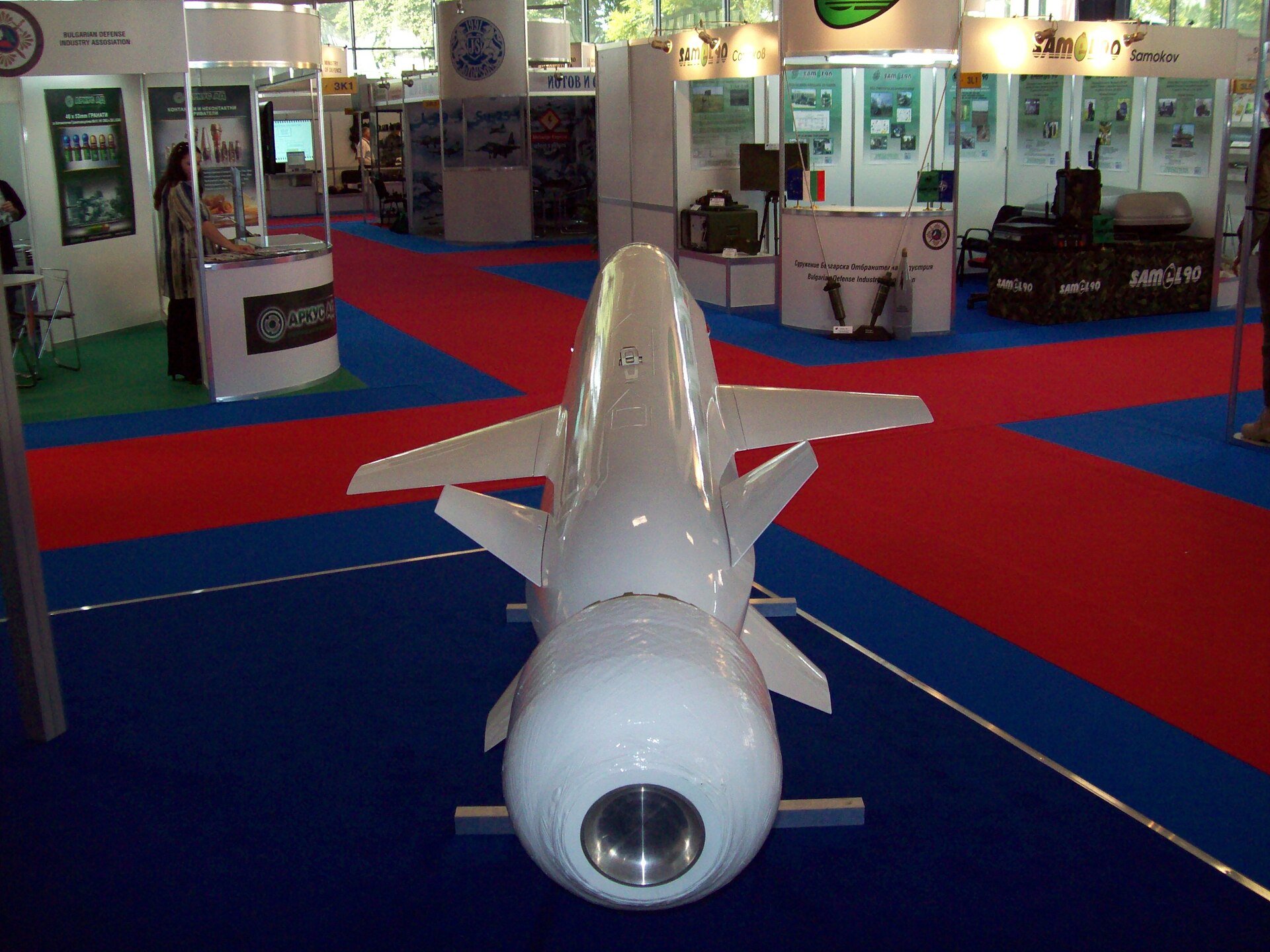
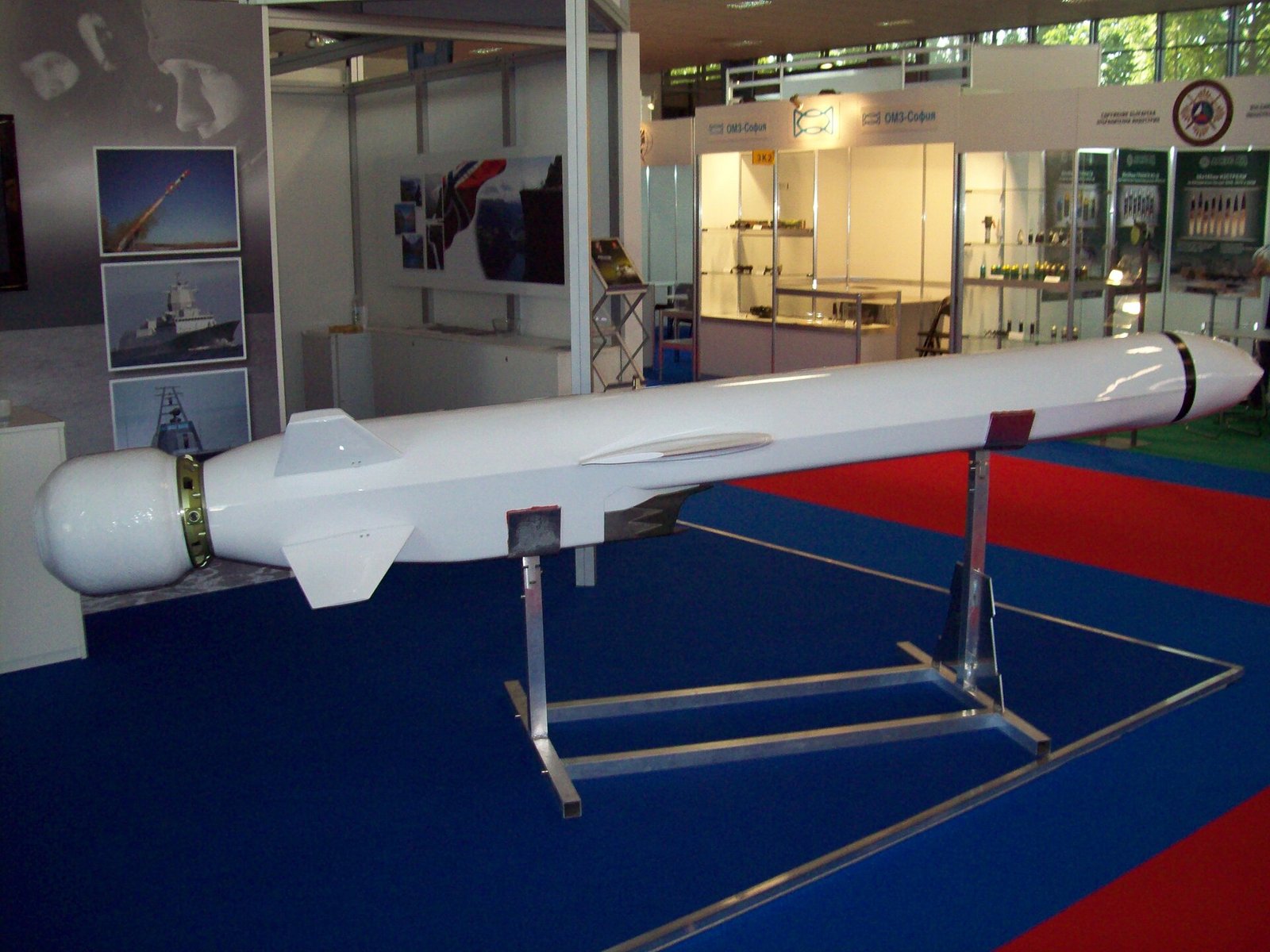
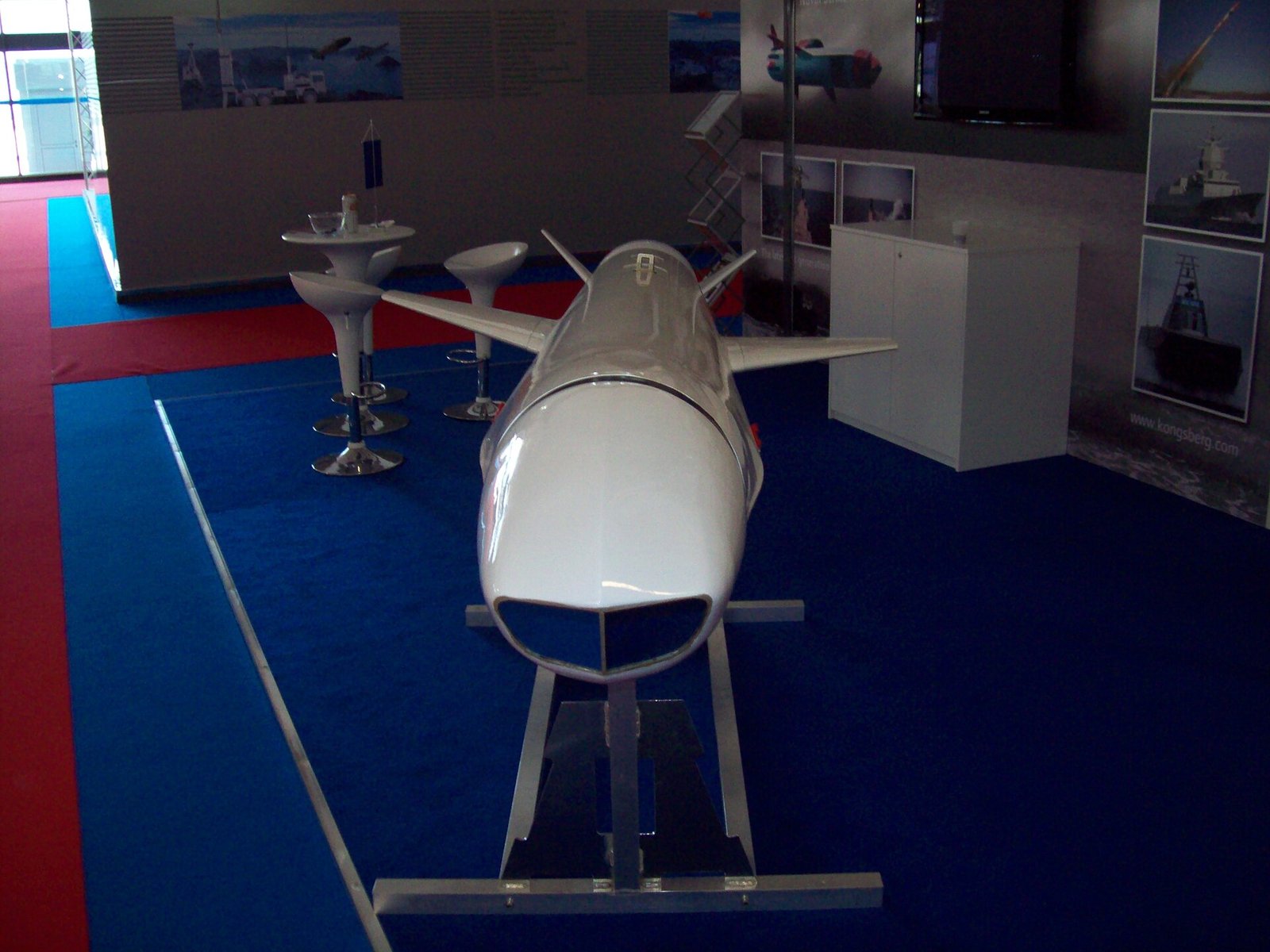
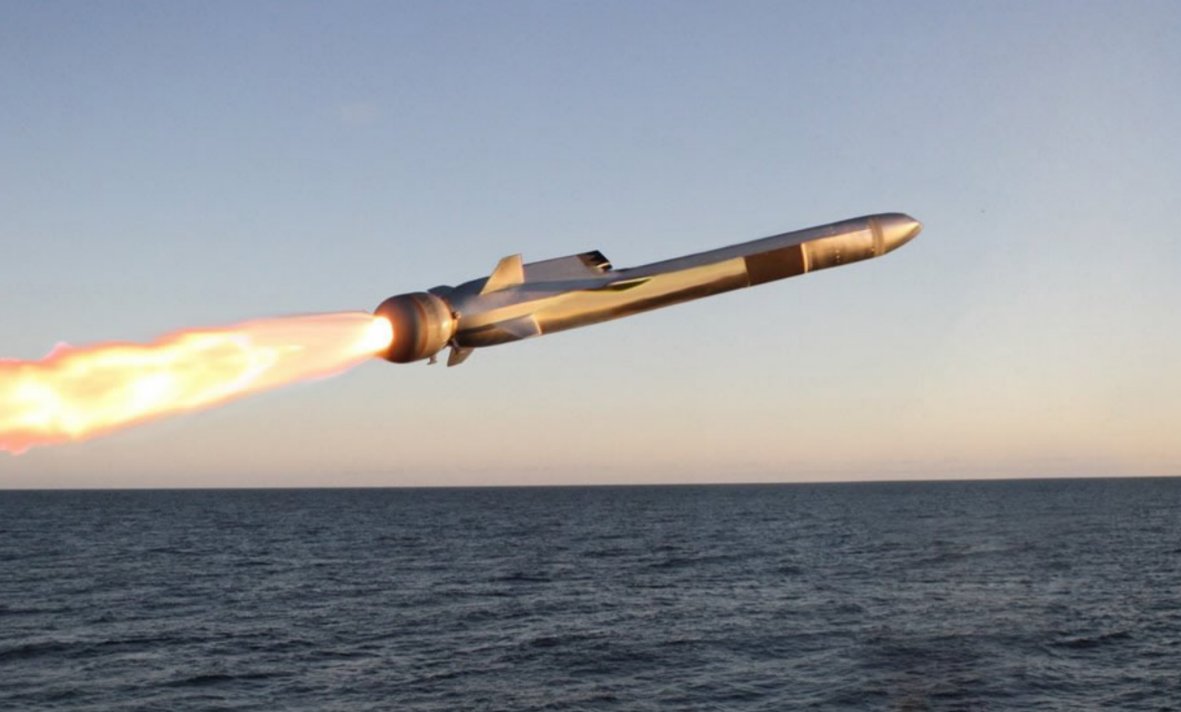
Photos: Peterdx · Wikipedia
Kongsberg Defence & Aerospace’s Naval Strike Missile is the Norwegian-built anti-ship and land-attack cruise missile that replaced the ageing Penguin in Royal Norwegian Navy service in 2012 and has since become the standard over-the-horizon strike weapon for a growing list of NATO and allied fleets. It is subsonic, sea-skimming, and built around a low-observable composite airframe, with a 125 kg programmable warhead in a titanium casing designed to penetrate a ship’s hull before detonating inside.
The feature that pulls the NSM out of the ordinary anti-ship missile field is its terminal seeker. Where most peers rely on active radar, the NSM uses a passive imaging infrared seeker paired with an onboard target database. The missile flies a GPS- and inertial-navigation-guided cruise to the target area, hugging the wave tops and using terrain-reference navigation to thread coastlines and islands, then switches to its IIR seeker for the final approach. The seeker compares what it sees against stored ship signatures to classify the contact, reject decoys, and select a specific aim point on the hull — autonomy that lets the weapon discriminate between targets without emitting and without an operator in the loop. Surface-launched range sits around 185 km; the air-launched Joint Strike Missile, built for internal carriage by the F-35, extends the envelope considerably.
Norway fielded the missile first, on the Skjold-class corvettes and Fridtjof Nansen-class frigates. Poland followed with two coastal defence squadrons whose batteries cover the southern Baltic and have been read by analysts as a direct constraint on Russian fleet movements out of Kaliningrad. The United States selected the NSM for the Littoral Combat Ship Over-The-Horizon programme in 2018 and is fitting it to the new Constellation-class frigate; the US Marine Corps has integrated it into the ground-launched NMESIS system on an unmanned JLTV-based launcher, which has rotated through exercises in the Philippines and Japan as part of the Pacific posture build-up. Germany, Australia, Canada, the United Kingdom, Romania, Latvia, the Netherlands and Spain are also customers at various stages of delivery.
The Joint Strike Missile variant is the most active line of development, with Norway, Australia and Japan ordering it for internal-bay carriage on the F-35 — a stand-off weapon that preserves the fighter’s signature. Combat use has not been publicly confirmed in detail, although Norway announced deliveries of the system to Ukraine in 2024.
In a market dominated by larger, faster Chinese and Russian designs and by the radar-guided American Harpoon and LRASM, the NSM’s pitch is the inverse — a quiet, passive, autonomy-heavy weapon meant to slip through layered defences rather than overwhelm them.