Products General Atomics Aeronautical Systems
MQ-9B SkyGuardian / SeaGuardian
STANAG-certified Reaper successor designed for unrestricted national airspace and maritime patrol.
Droneby General Atomics Aeronautical SystemsIntroduced 2018
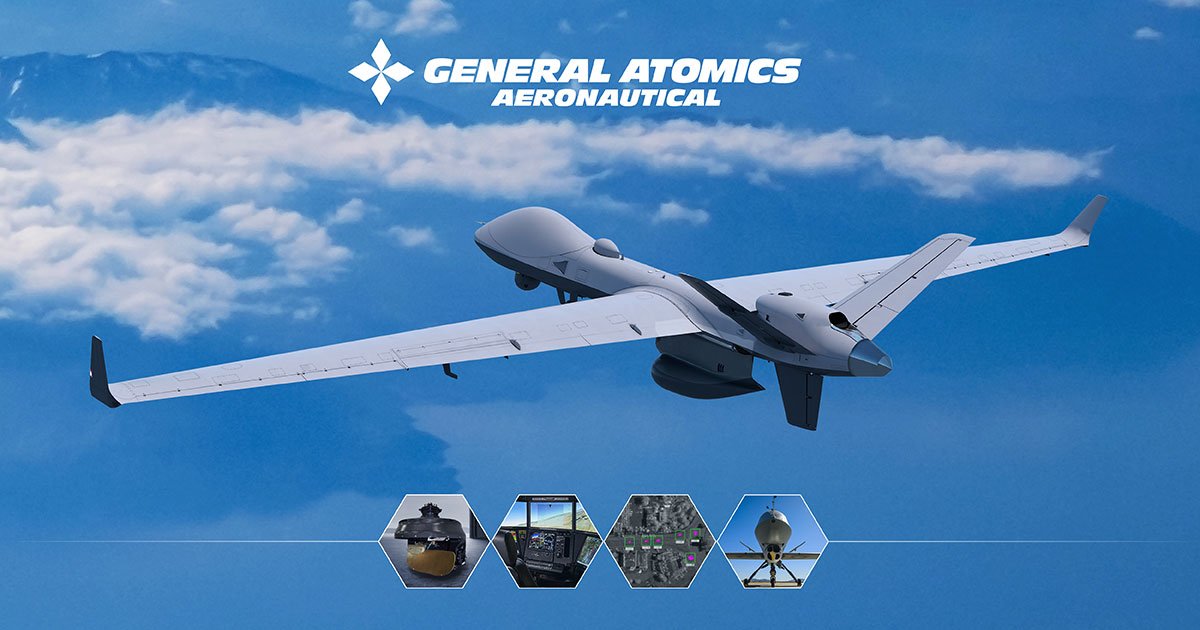
Photos: www.ga-asi.com · General Atomics Aeronautical Systems
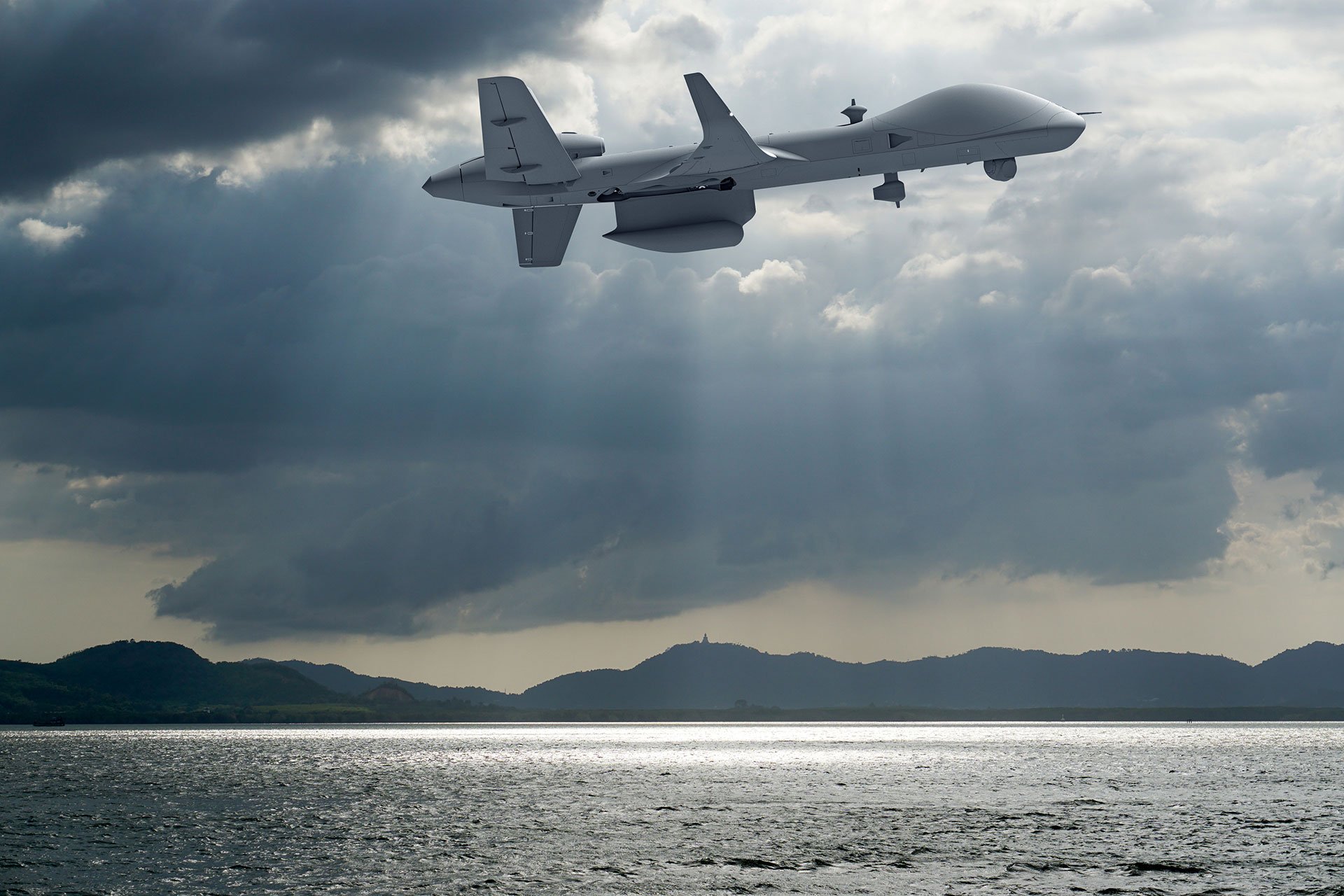
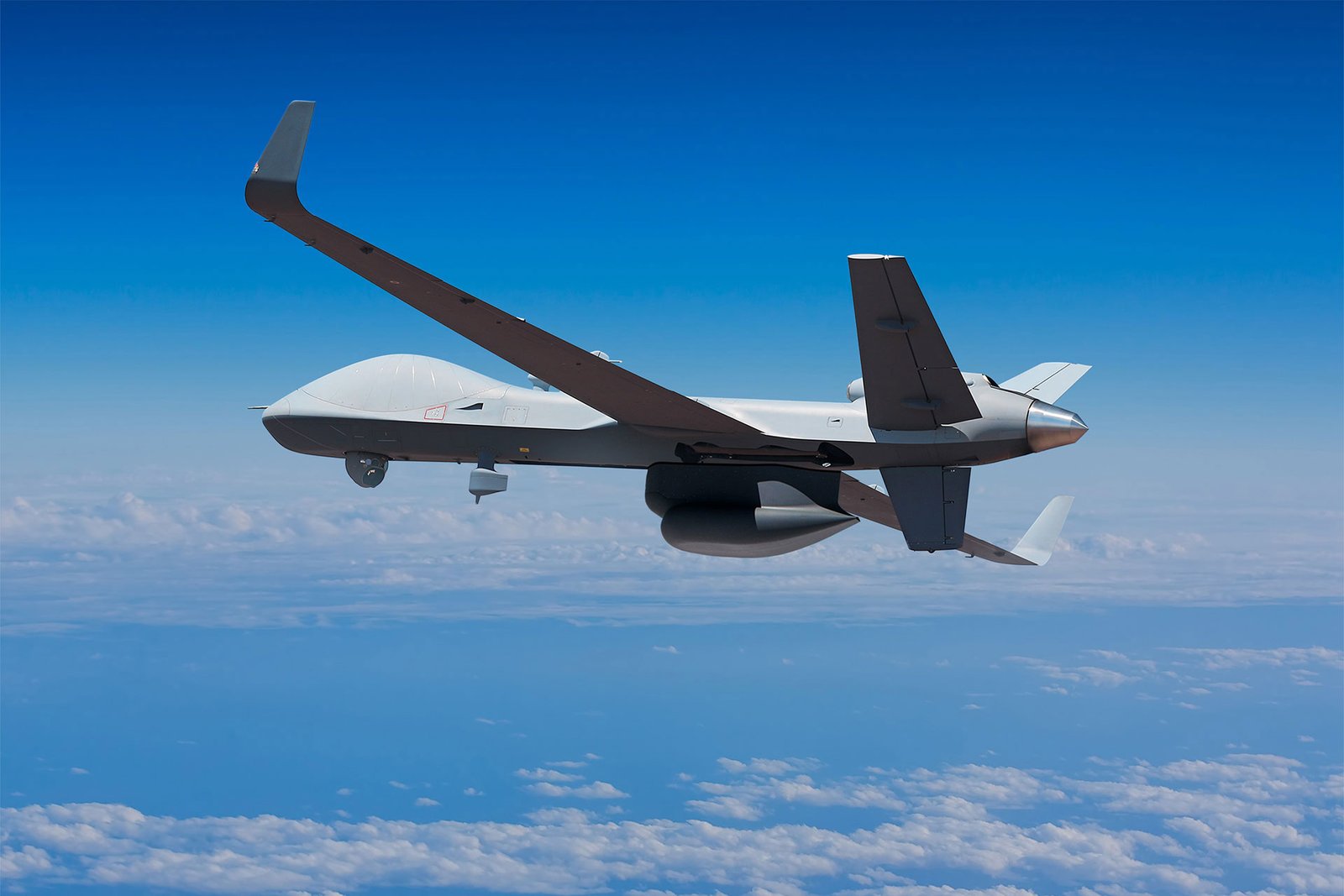
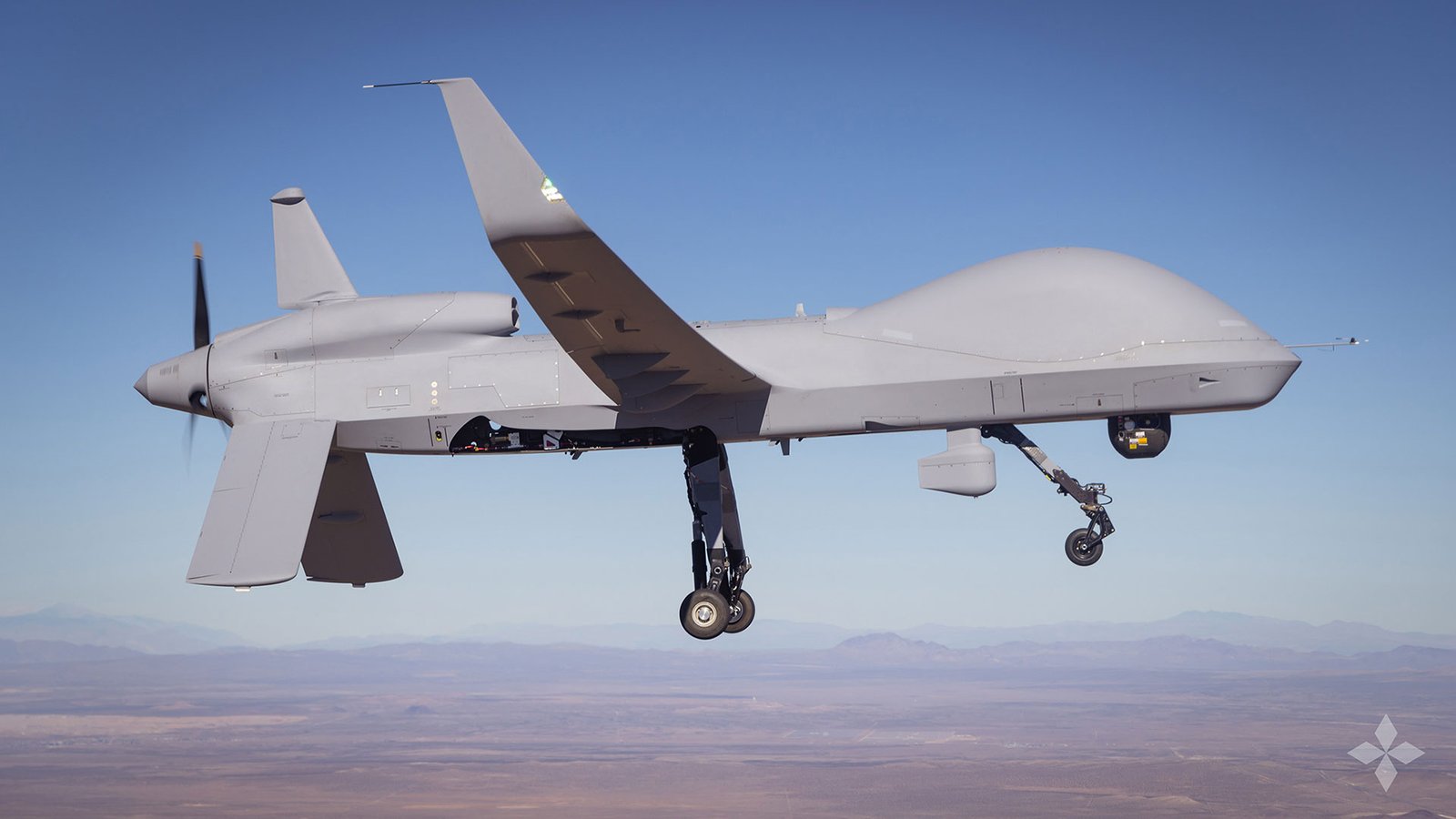
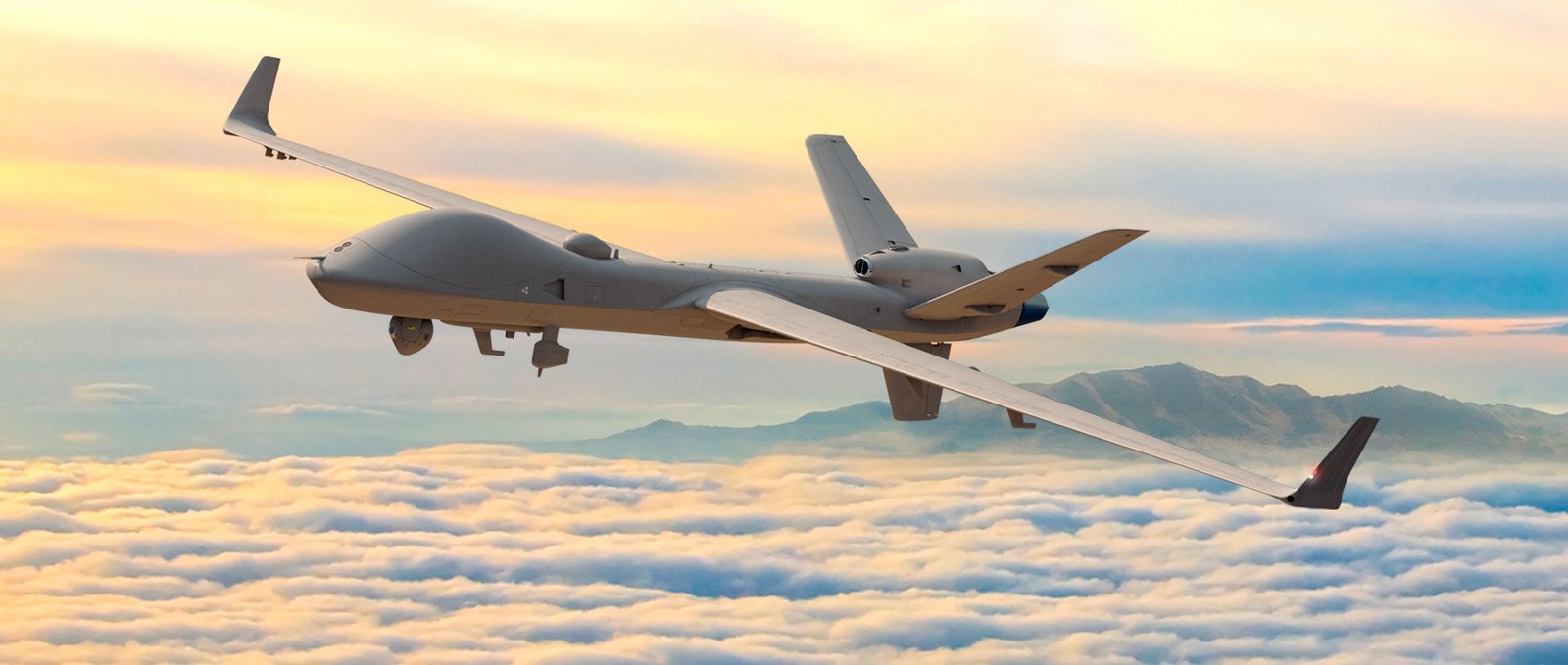
The MQ-9B is General Atomics Aeronautical Systems’s certifiable evolution of the Reaper line, sold in two principal flavours: SkyGuardian for overland intelligence, surveillance and strike missions, and SeaGuardian for maritime patrol. It first flew in 2016 and has been delivered to operators since 2018. Where the original MQ-9 was built around armed overwatch in permissive airspace, the MQ-9B was engineered from the start to fly in non-segregated civil airspace, which is the practical reason European and Pacific air forces chose it over the older Reaper.
Endurance sits above 40 hours in the long-range configuration, a meaningful jump from the Reaper’s roughly 27 hours, and the airframe carries the lightning protection, anti-icing, and de-icing systems needed for STANAG 4671 airworthiness certification — the NATO standard that lets an unmanned system file a flight plan through controlled airspace alongside airliners. A detect-and-avoid suite combining a due-regard air-to-air radar and TCAS handles separation from other traffic without a chase aircraft. The SkyGuardian carries the Lynx multi-mode synthetic-aperture radar and an MTS-B electro-optical turret, with hardpoints for Hellfire missiles, Brimstone, and Paveway IV. The SeaGuardian swaps in a Raytheon SeaVue maritime surface-search radar in a centreline pod, sonobuoy dispensers, and an automatic identification system receiver, turning the same airframe into a long-endurance maritime patrol platform that has been demonstrated tracking submarines during exercises with the Japan Maritime Self-Defense Force.
The launch customer was the United Kingdom, which is fielding sixteen aircraft as the Protector RG Mk1 with the Royal Air Force at RAF Waddington, replacing the Reaper. Belgium has ordered four. Japan’s Coast Guard operates leased SeaGuardians out of Hachinohe for fisheries enforcement and maritime domain awareness around the Senkaku islands. India signed for thirty-one airframes in 2024 in a deal valued at roughly $3.5 billion, the largest MQ-9B order to date and a politically significant one given the geography. Australia selected the type as Project Air 7003 but cancelled the programme in 2022 on cost grounds.
In 2018 a SkyGuardian became the first medium-altitude long-endurance unmanned aircraft to cross the Atlantic under its own power, flying from North Dakota to RAF Fairford. General Atomics has since flight-tested the type carrying podded electronic-warfare and anti-submarine payloads, and is integrating it as a launch platform for smaller Anduril and Aerovironment loitering munitions. The MQ-9B’s distinctive position in the field is less about novel capability than about regulatory paperwork: it is the long-endurance armed UAS that can legally fly home through European airspace, which is exactly what NATO operators were being asked to buy.