Products General Atomics Aeronautical Systems
MQ-20 Avenger
Jet-powered, low-observable MALE UAV bridging the gap between the Reaper and fully autonomous combat aircraft.
Droneby General Atomics Aeronautical SystemsIntroduced 2009
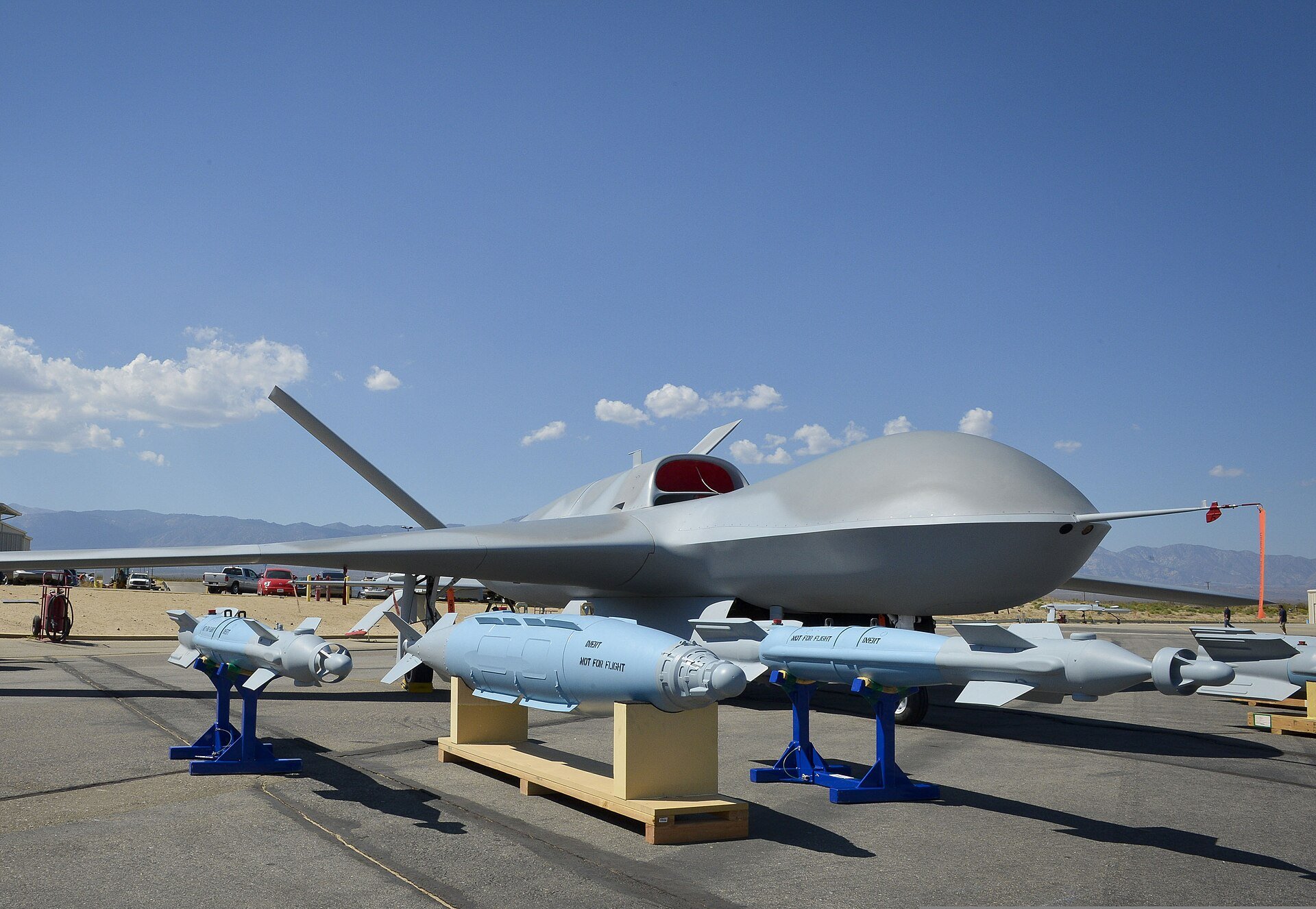
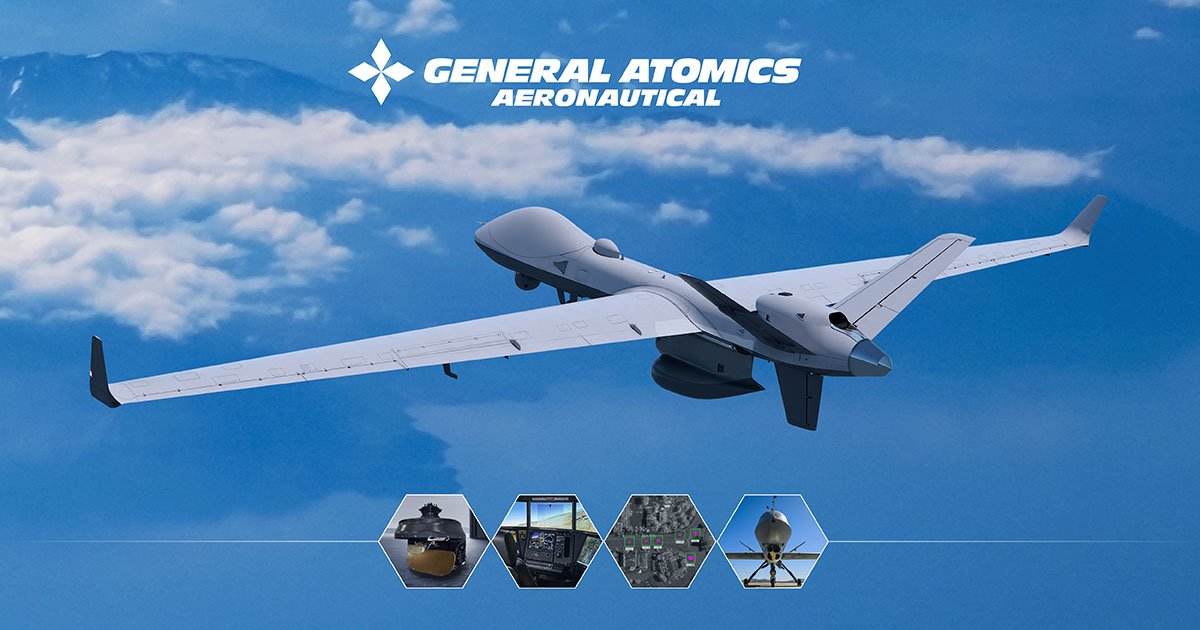
Photos: MC1 Peter D. Lawlor · General Atomics Aeronautical Systems
The MQ-20 Avenger is a jet-powered unmanned combat air system built by General Atomics Aeronautical Systems, the San Diego prime behind the Predator and Reaper families. First flown in April 2009 as the Predator C, the Avenger marked General Atomics’ move away from propeller-driven medium-altitude platforms toward a faster, stealthier airframe designed to operate in contested airspace where a slow turboprop would not survive. The United States Air Force purchased a small number of airframes for evaluation and development work; the type has never entered large-scale frontline service and instead occupies a niche as the company’s in-house testbed for autonomy, sensors, and weapons integration.
The aircraft is powered by a single Pratt & Whitney Canada PW545B turbofan, giving it a top speed in the region of 740 km/h and a service ceiling around 50,000 feet. Low-observable features dominate the design: an S-shaped intake set above the fuselage to mask the engine face, a V-tail to reduce radar return, and an internal weapons bay capable of carrying around 1,360 kg of ordnance or sensors so the airframe can fly clean. The Lynx synthetic aperture radar and a retractable electro-optical/infrared ball give it the same surveillance toolkit as the Reaper, while a wider belly station has been used to host the Agile Condor AI-enabled targeting pod, which performs on-board object detection and classification without sending raw video back to the operator.
The Avenger has become General Atomics’ preferred host for autonomy experiments. It flew as the live surrogate for the US Air Force Research Laboratory’s Skyborg program in 2020 and 2021, demonstrating autonomous take-off, route management, and formation flight with an F-22 chase aircraft. In 2023 a company-owned Avenger ran a flight controlled by Shield AI’s Hivemind autonomy stack, taxiing, taking off, and completing a mission profile under software command. Earlier work under DARPA’s Collaborative Operations in Denied Environment program used Avengers to demonstrate multi-aircraft cooperative targeting against a simulated air defence network.
A series of variants has accompanied that experimentation. The Extended Range version added wingspan and fuel for an 18-hour endurance, and a later sea-control configuration with folding wings has been pitched for carrier-based use. The work funnels into Gambit, General Atomics’ family of clean-sheet collaborative combat aircraft selected by the US Air Force for the CCA programme in 2024. In that lineage the Avenger sits between the Reaper, which it never fully replaced, and the autonomous wingmen now being built around its lessons.