Mission Master
Family of autonomous unmanned ground vehicles (CXT, SP, XT) for cargo, casualty evacuation, fire support and ISR.
Droneby RheinmetallIntroduced 2018
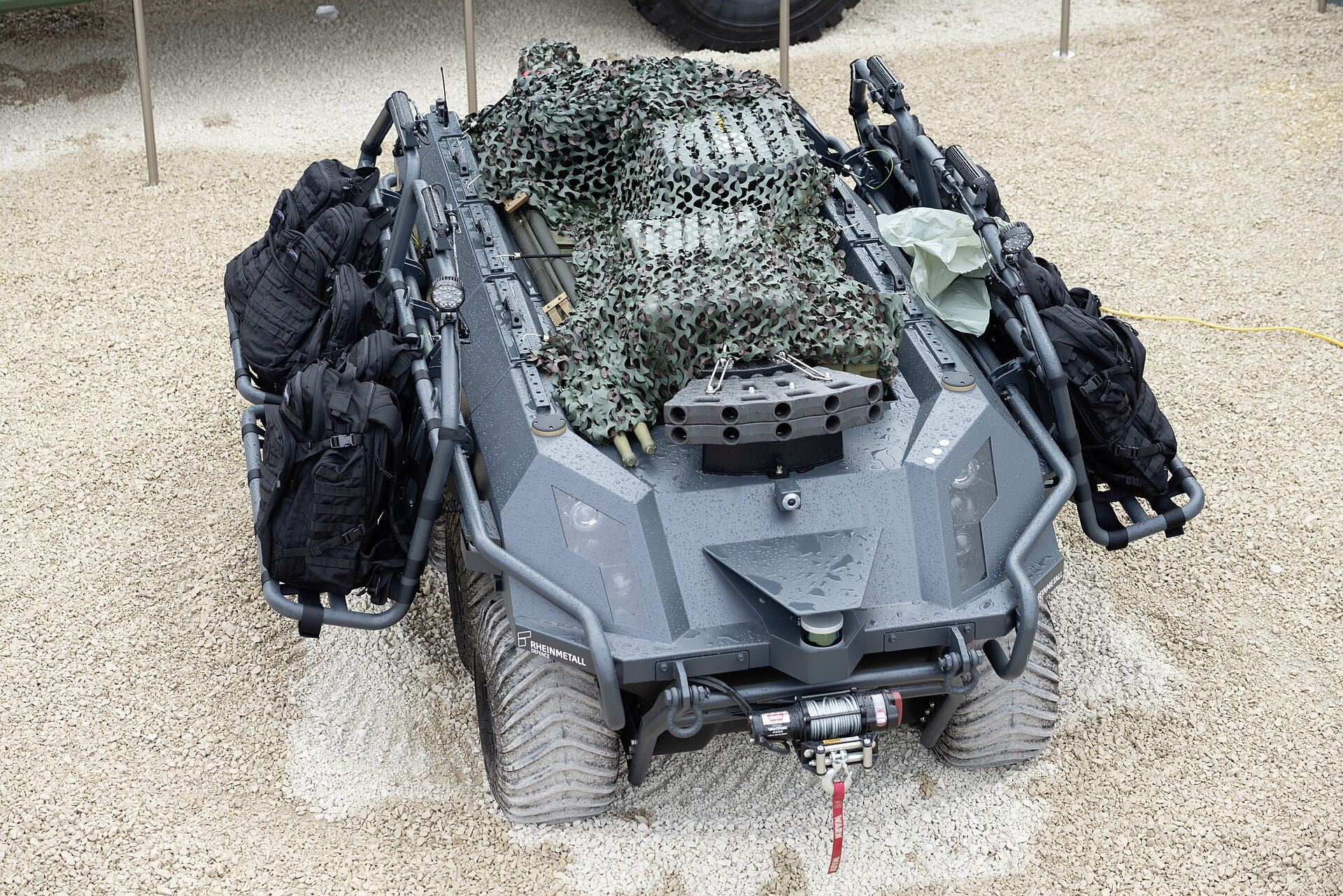
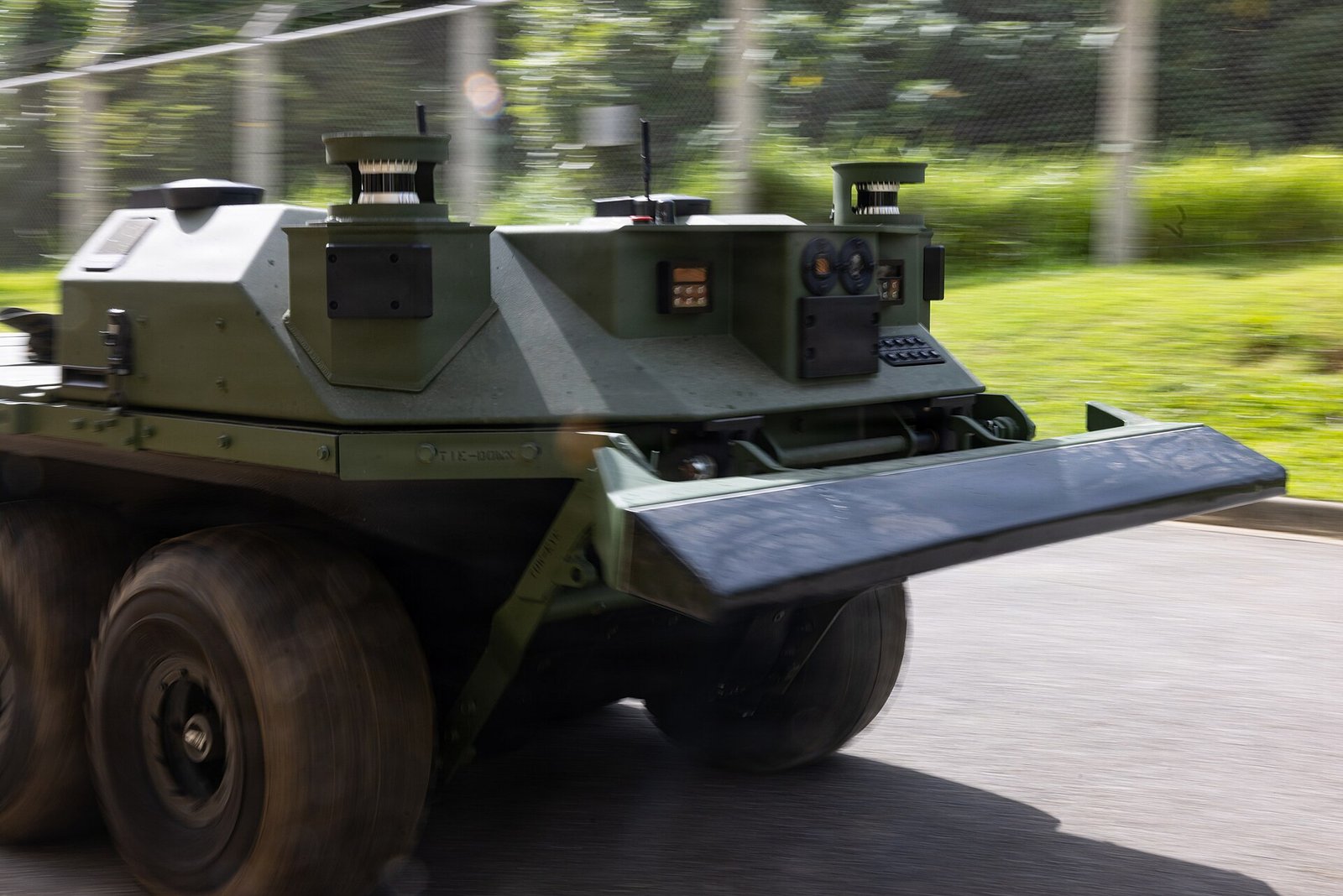
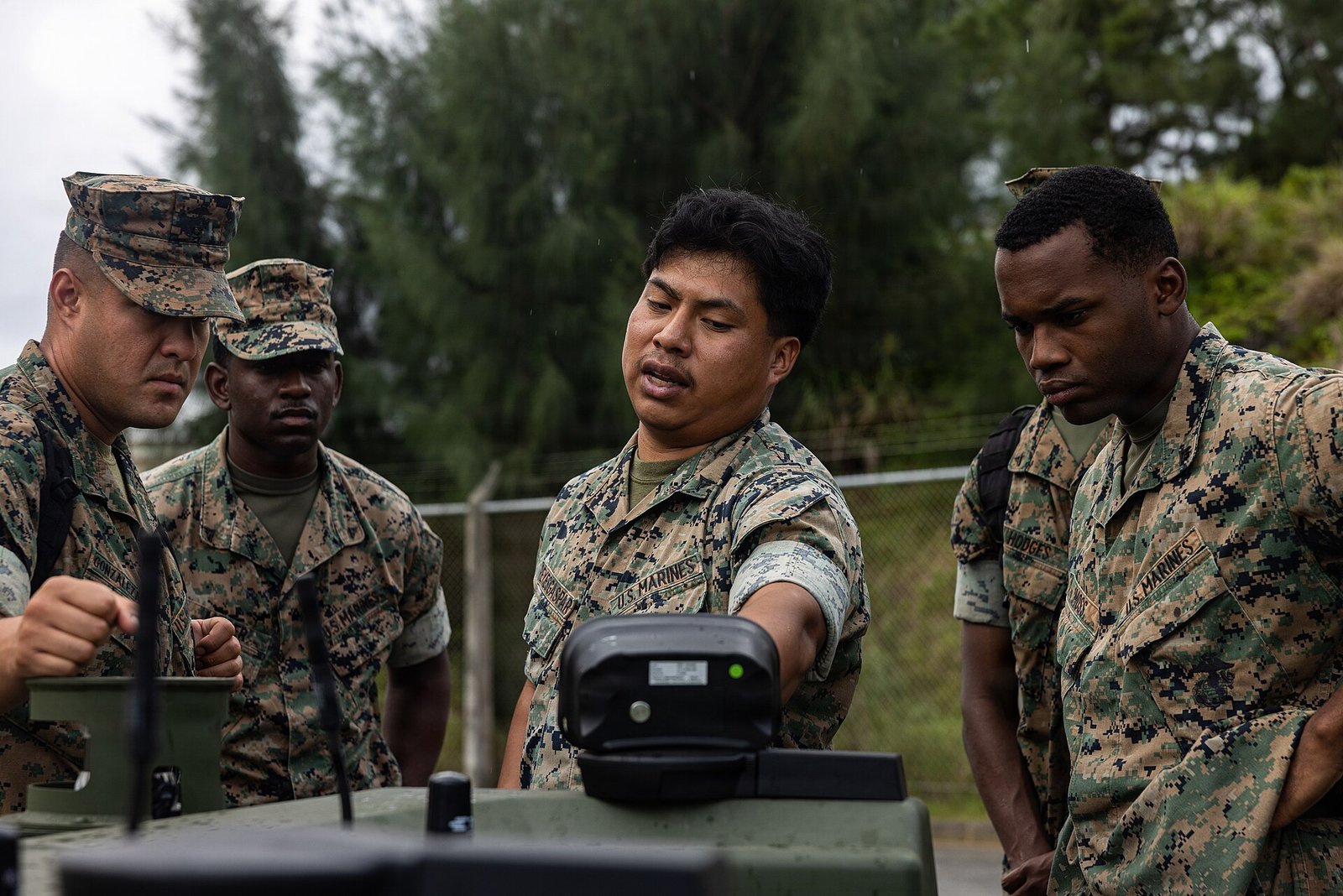
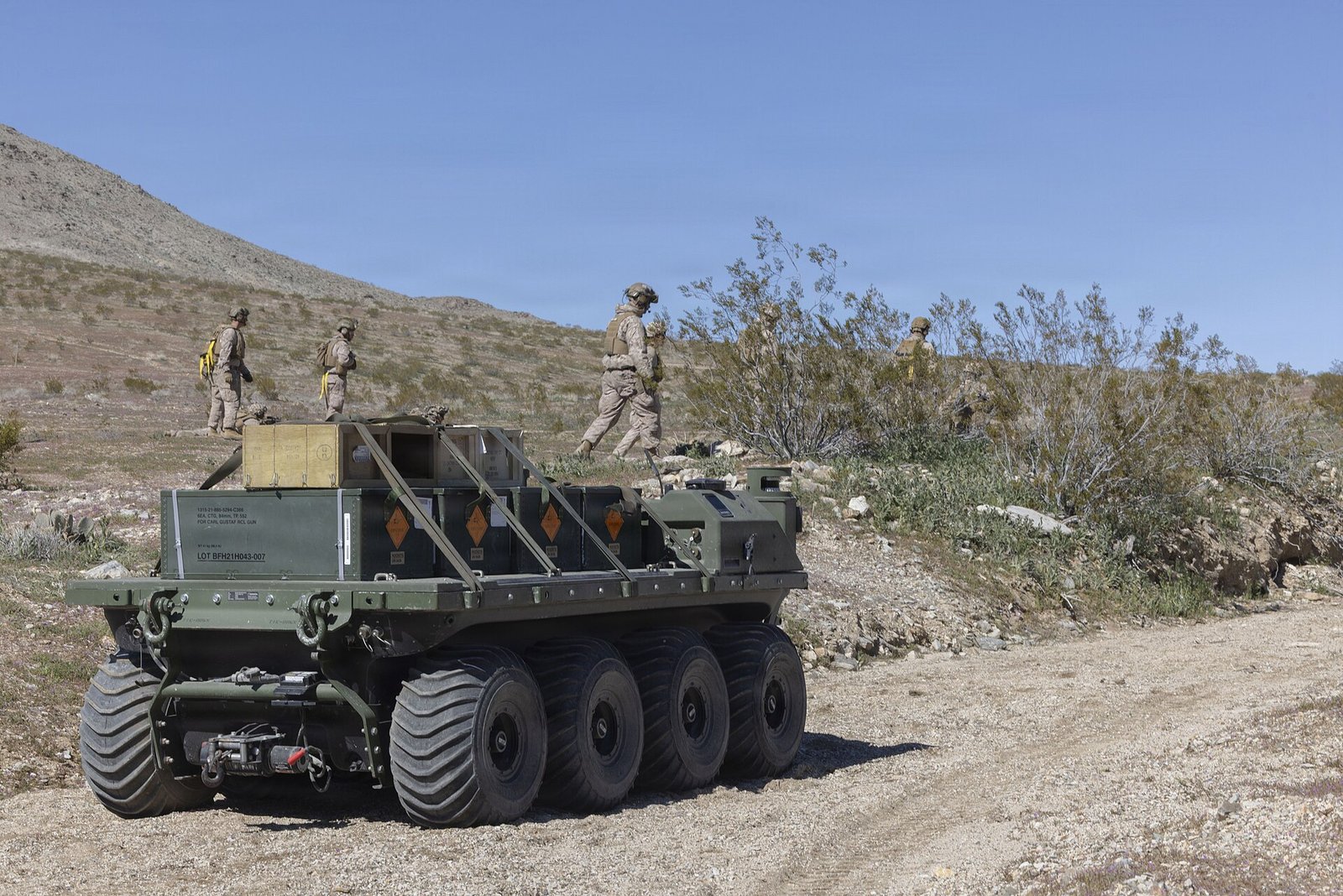

Photos: Angela Blattner, Rheinmetall Defence · U.S. Marine Corps photo by Lance Cpl. Tucker Mocan · Lance Cpl. Mia Ocampo · Rheinmetall
The Mission Master is a family of unmanned ground vehicles built by Rheinmetall through its Canadian subsidiary in Saint-Jean-sur-Richelieu, Quebec. The line emerged from Rheinmetall’s 2016 acquisition of Provectus Robotics Solutions and entered the company’s catalogue as a fielded product in 2018. Three principal variants now share the name: the diesel-electric SP (Silent Partner), the all-electric XT, and the larger CXT, which carries up to a tonne of cargo on an eight-wheeled chassis. Each is pitched at the dismounted infantry section as a robotic mule that can also be configured for casualty evacuation, surveillance, communications relay, or weaponised fire support.
What ties the family together is the PATH A-Kit, Rheinmetall’s autonomy stack. PATH — short for Protected Autonomy Technology Hardware — bolts a sensor and compute package onto the vehicle that handles follow-me operation, waypoint navigation, and convoy behaviours without continuous teleoperation. The kit fuses lidar, optical and inertial inputs to keep the vehicle on a planned route through broken terrain and to maintain spacing within a manned-unmanned column. A single operator can supervise multiple Mission Masters from a tablet-class controller. Payload modules are swapped on the deck: a remote weapon station with a 7.62 mm or .50-cal mount and a Fieldranger-style turret for the fire-support role, stretcher cradles for CASEVAC, or a quadcopter cradle and mast-mounted sensors for ISR. The armed CXT variant has been demonstrated with a Rafael-supplied launcher firing 70 mm guided rockets.
Operators have so far been concentrated in NATO Europe. The British Army has run Mission Master SPs through its Robotic Platoon Vehicle programme, taking delivery of four units in 2021 and exercising them with 1st Battalion The Royal Welsh. The Bundeswehr has tested the platform in its Wettkampf der Infanterie trials and as part of the Gefechtsfahrzeug Infanterie programme, while the Royal Netherlands Army has procured a small batch of SPs for its Robotic and Autonomous Systems unit at Oirschot. Australian and Italian defence procurement bodies have also taken vehicles through evaluation. None of the variants have been confirmed in combat, though Rheinmetall has marketed lessons from observers of the Russia–Ukraine war as drivers for the line’s continued development.
Development has shifted toward heavier and more lethal members of the family. The Mission Master CXT, unveiled in 2021, doubled the payload of the SP and added the eight-wheel configuration. Rheinmetall has positioned the line against General Dynamics’ MUTT, Milrem’s THeMIS, and Estonia’s Type-X as European armies write the requirements that will decide which UGVs are bought in series.