Mirage
24-foot autonomous surface vessel designed for longer-range strike and ISR missions.
navalby Saronic TechnologiesIntroduced 2024
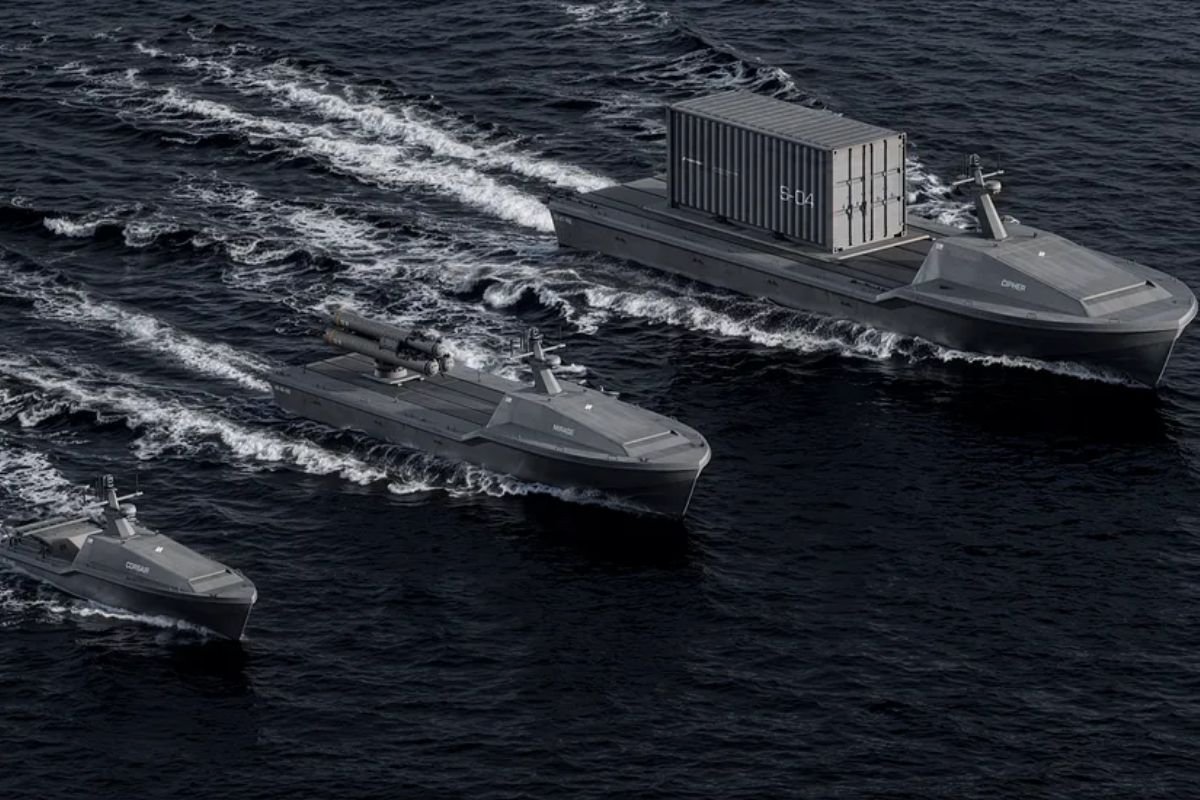
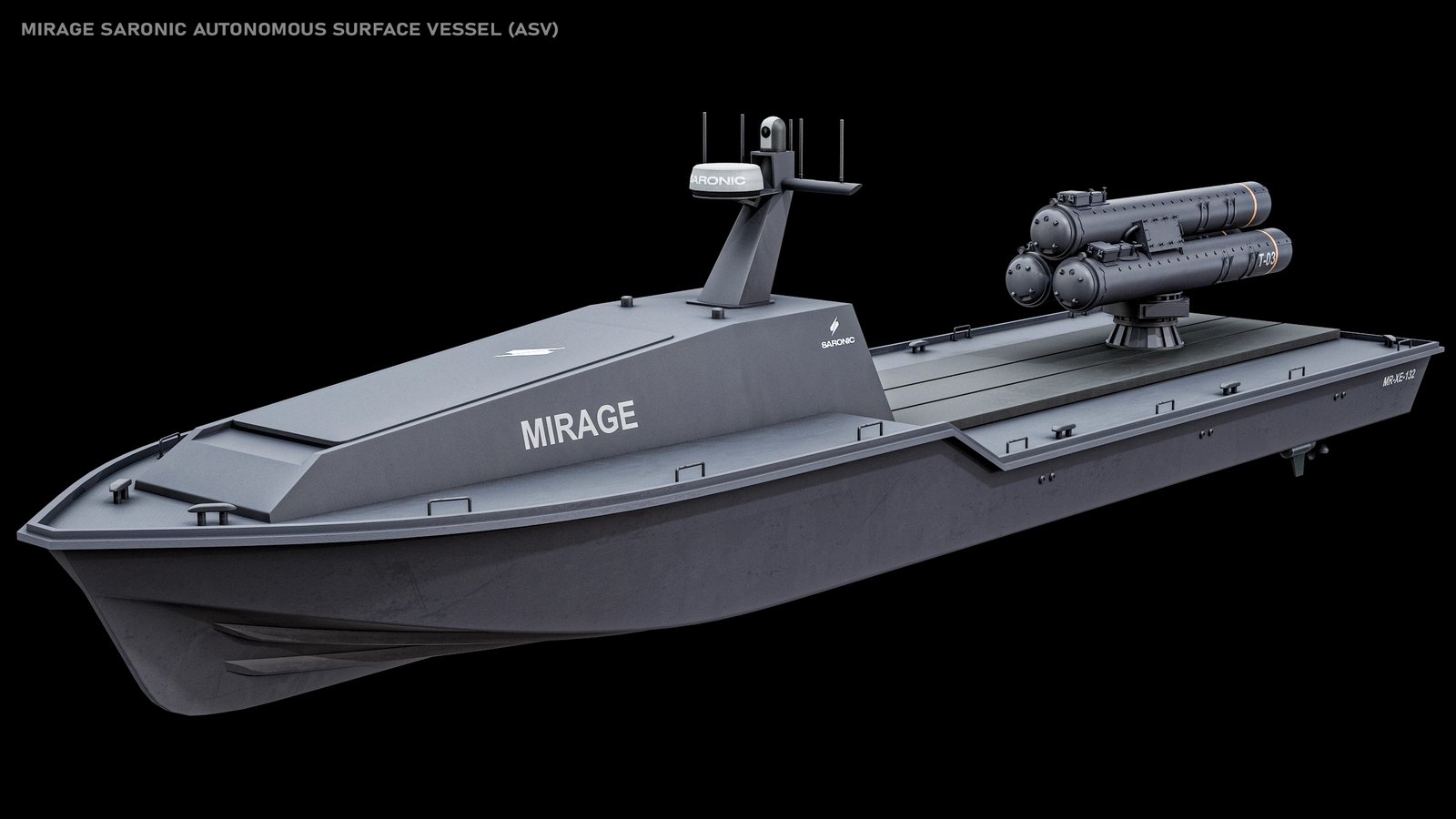
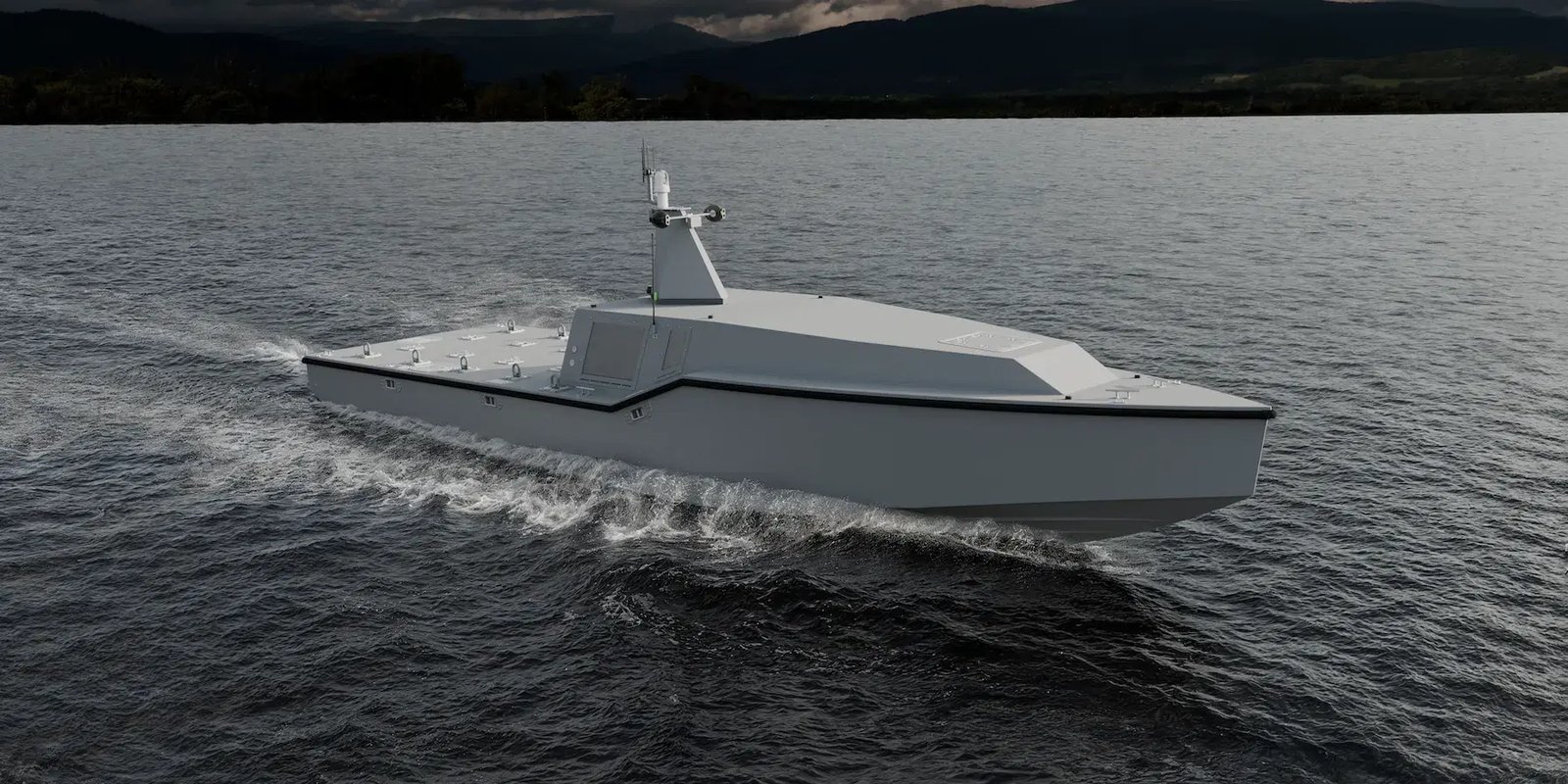
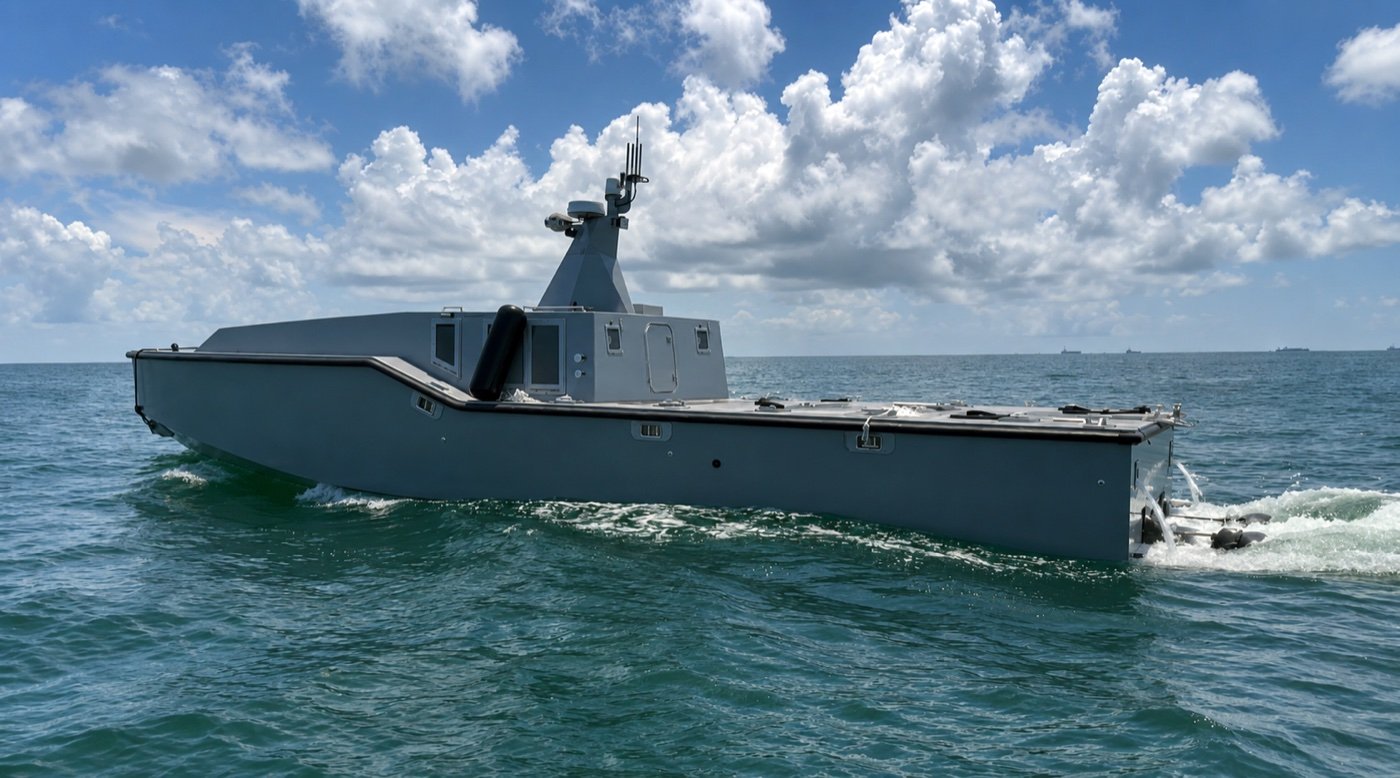
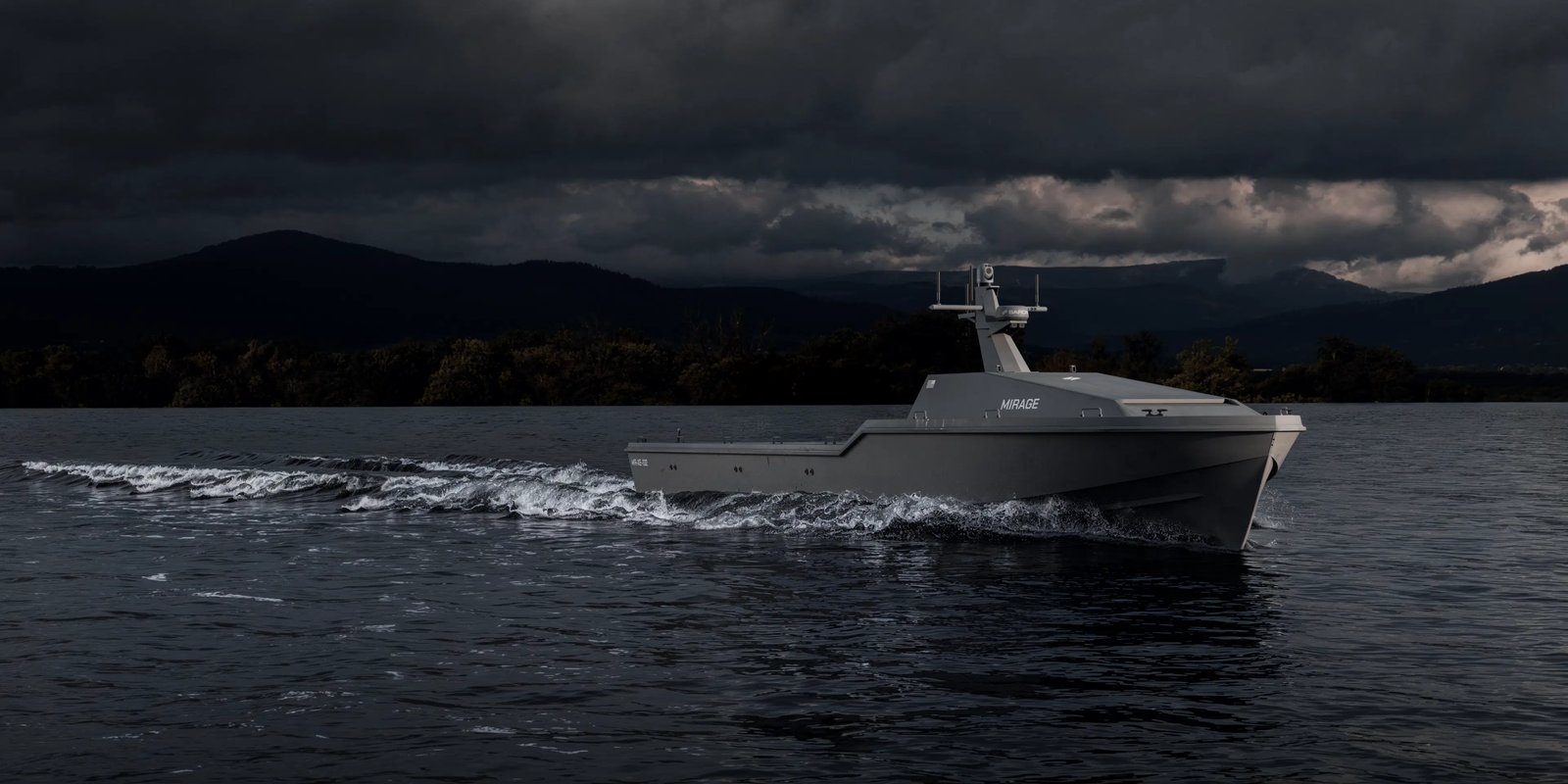
Photos: navyleaders.com · www.turbosquid.com · www.saronic.com
Mirage is a 24-foot autonomous surface vessel built by Saronic Technologies, the Austin-based unmanned-maritime startup that emerged in 2022 and has become one of the more visible new entrants in the US Navy’s push toward distributed, attritable surface forces. Unveiled in 2024, Mirage sits at the larger and more capable end of Saronic’s lineup, alongside the smaller Spyglass and Cipher hulls, and is pitched specifically at longer-range strike and intelligence, surveillance and reconnaissance missions — the kind of work where the Navy wants unmanned platforms to absorb risk that would otherwise fall to crewed combatants.
Like the rest of the Saronic family, Mirage is a purpose-built autonomous hull rather than a converted recreational craft. The boat runs the company’s common autonomy stack, integrating commercial sensors with proprietary perception, navigation and command-and-control software so a single operator can supervise multiple ASVs from one ground station. The 24-foot hull gives Mirage the deck space and payload margin to carry strike-class effectors, ISR sensor packages or communications relays, and the extended fuel volume to push beyond the inshore envelope that constrains its smaller siblings. Saronic has not publicly disclosed weapons fits for Mirage, but the company has been explicit that the platform is meant to be lethal — a deliberate contrast to the unarmed surveillance role that defined earlier US Navy ASV experimentation around Task Force 59 in the Middle East.
The acknowledged operator is the United States, with Saronic working through Defense Innovation Unit contracts and Navy experimentation programmes rather than a single named programme of record. In early 2025 the company announced a Series C round that valued it at roughly $4 billion, alongside the acquisition of a Louisiana shipyard intended to support a much larger medium-USV class, the Marauder. Mirage sits in the middle of that trajectory: a fielded design today, a stepping stone toward the larger autonomous combatants the company expects to build next.
In a field that mixes converted commercial hulls with clean-sheet designs from established primes and a generation of unmanned-maritime startups, Mirage’s pitch is straightforward — a US-built, strike-capable boat from a single-stack autonomy vendor, small enough to be produced quickly and large enough to matter at range.