Products Frankenburg Technologies
Mark 1
Low-cost short-range air defence missile designed to intercept small drones and loitering munitions.
Missile / loitering munitionby Frankenburg TechnologiesIntroduced 2024
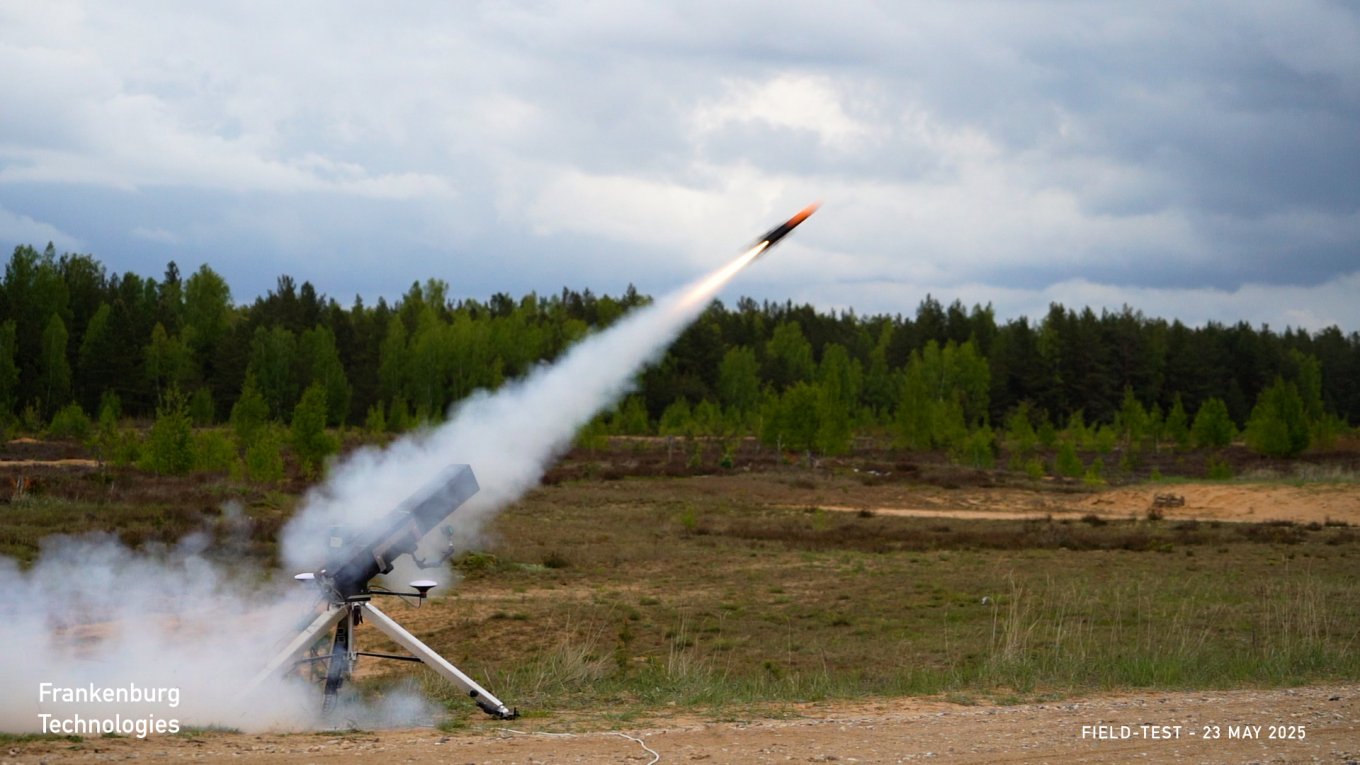
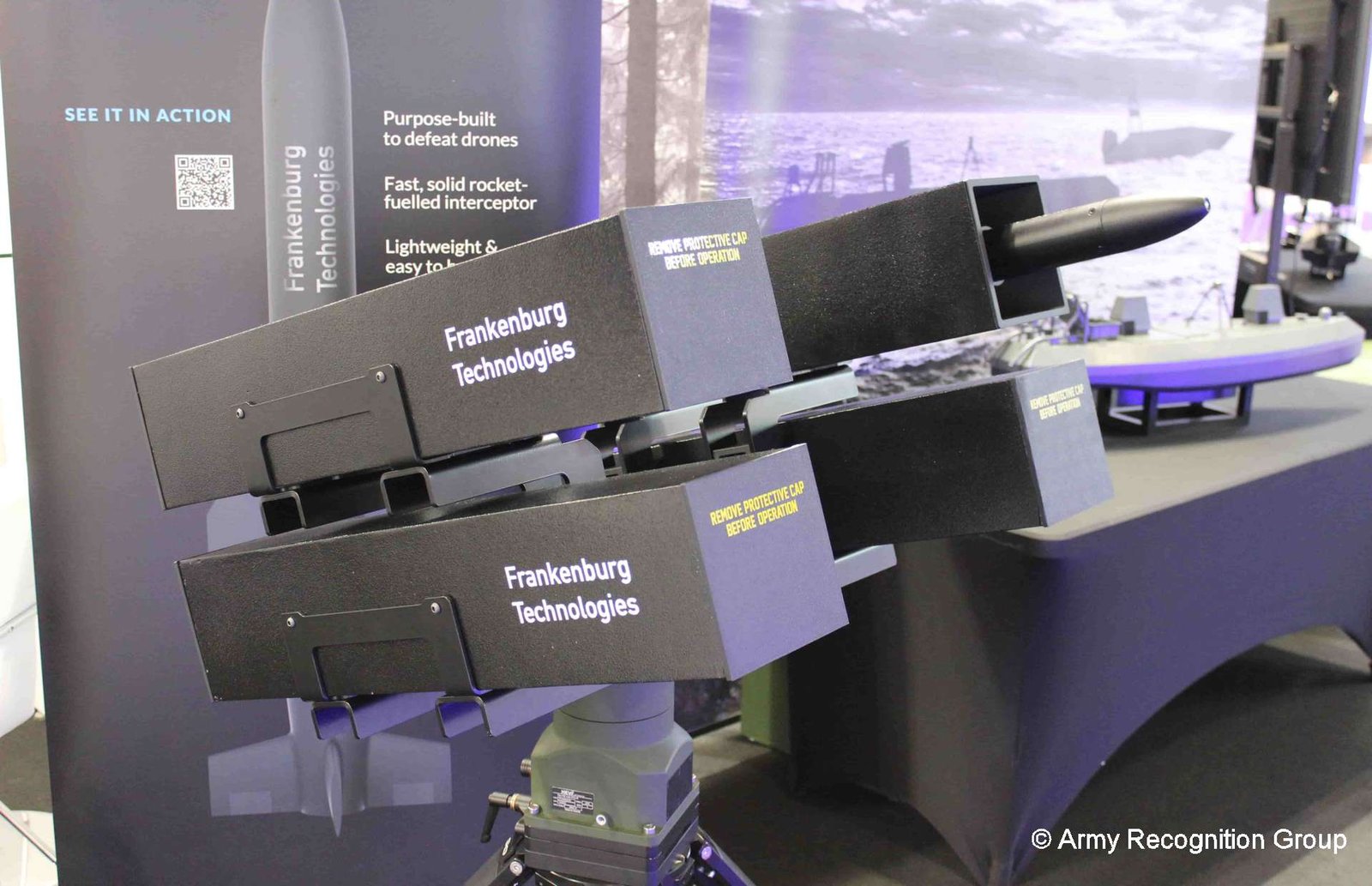
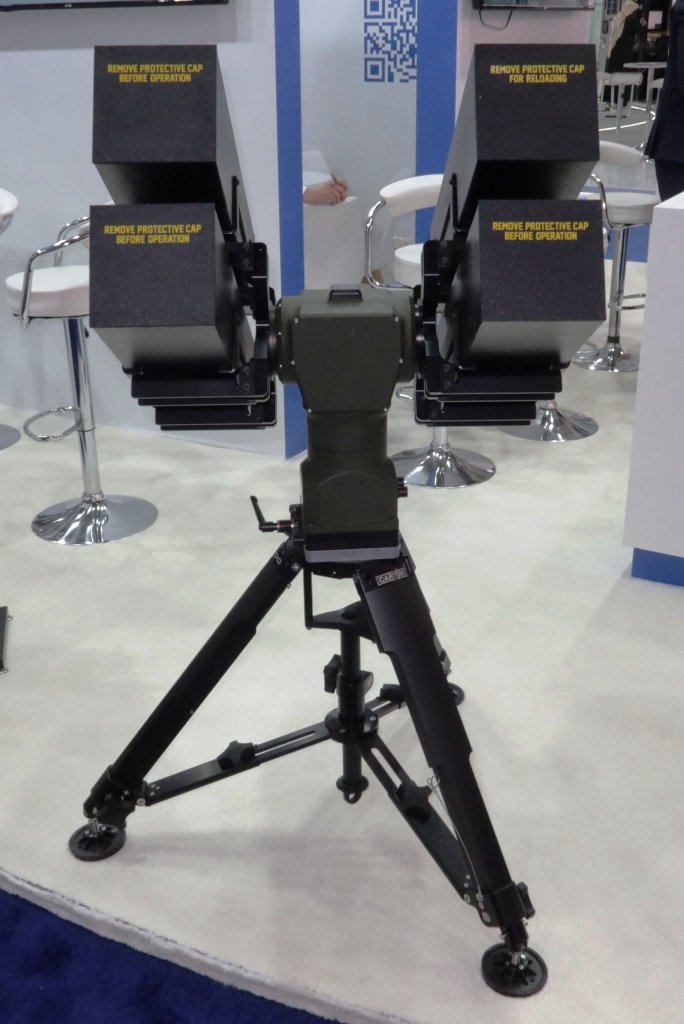
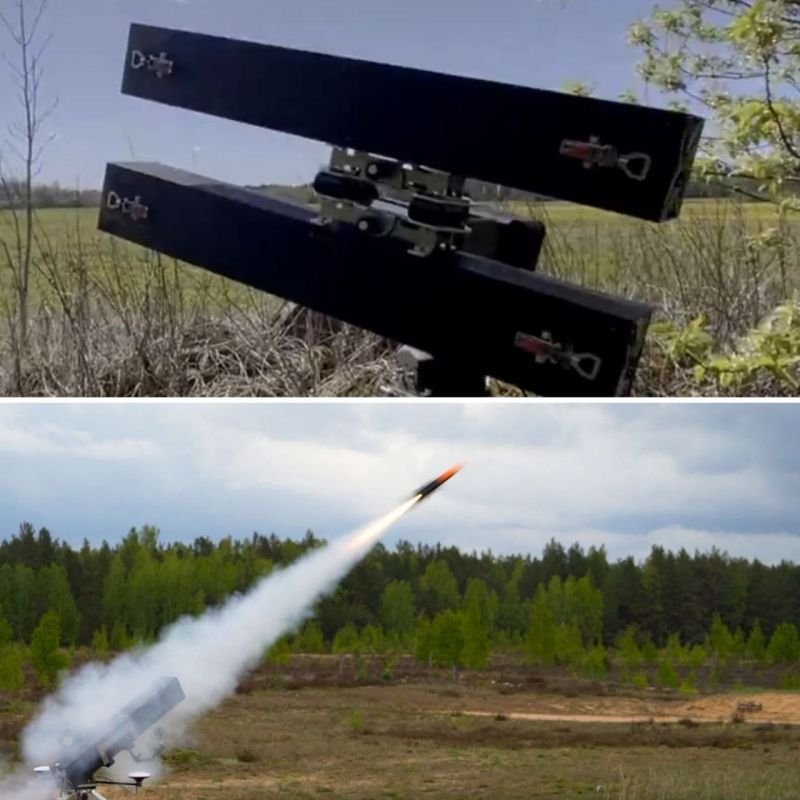
Photos: en.defence-ua.com · www.armyrecognition.com · www.edrmagazine.eu · news-pravda.com · www.overtdefense.com
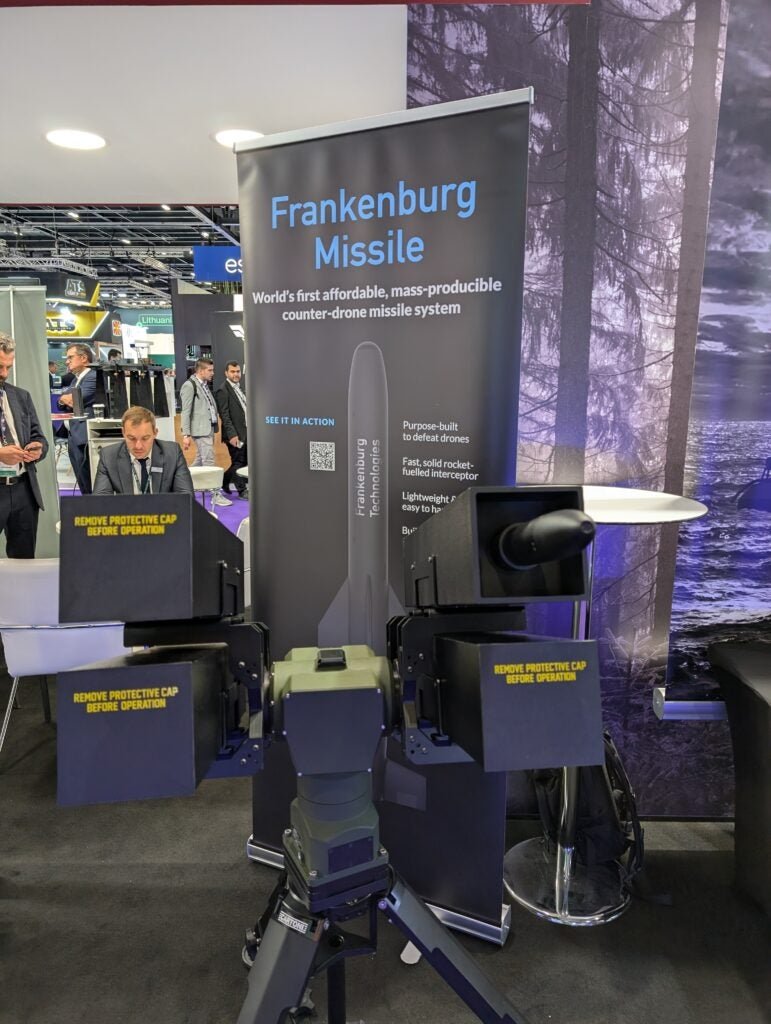
The Mark 1 is a short-range surface-to-air missile developed by Frankenburg Technologies, an Estonian company founded in 2023 by Kusti Salm, the former permanent secretary of Estonia’s Ministry of Defence. The system entered initial production in 2024 and is purpose-built for one of the most acute problems in European air defence: intercepting the Iranian-designed Shahed-136 loitering munitions and similar one-way attack drones that Russia launches against Ukraine in nightly waves. With a range in the two-kilometre class, the Mark 1 sits in the very-short-range layer of the air defence stack — closer to a guided counter-drone interceptor than a conventional shoulder-fired MANPADS.
The design problem Frankenburg set out to solve is economic as much as it is technical. A Shahed-136 costs in the low tens of thousands of dollars; intercepting it with a Stinger or an IRIS-T inverts the cost ratio in favour of the attacker. The Mark 1 is engineered around a unit cost low enough to make routine engagement viable, with a specification deliberately stripped to what is needed against a slow, propeller-driven, non-manoeuvring target. Salm has framed the missile as a mass-production design from the outset, with subcomponents that can be sourced and assembled at industrial scale across Europe rather than depending on a single bespoke supply chain. The company has not published full guidance and warhead details, but the intended role — terminal interception of low-flying, slow drones — shapes the envelope.
Ukraine is the lead operator and the proving ground. Frankenburg has built its development cycle around delivering hardware to Ukrainian units, taking feedback from contact with Russian Shahed strikes, and iterating on it. This is the pattern other small European drone-defence firms have followed since 2022, treating the front in Ukraine as both first customer and test range. The combat record of the Mark 1 itself has not been publicly catalogued in detail, and Frankenburg has been measured about what it claims.
The wider context is the air-defence interceptor gap that NATO members have acknowledged since 2022. Stockpiles of expensive Western surface-to-air missiles are finite, and the Russian campaign against Ukrainian energy infrastructure has made it plain that affordability and production rate matter as much as raw capability. The Mark 1 belongs to a small but growing cohort of European systems — alongside efforts from companies in Germany, the United Kingdom and the Netherlands — that are trying to close that gap from below, with cheap, mass-producible interceptors built specifically against the drone threat rather than adapted from older missiles designed for other targets.