ICEYE Maritime
SAR plus AIS fusion product for dark-vessel detection and port-activity monitoring.
Softwareby ICEYEIntroduced 2020

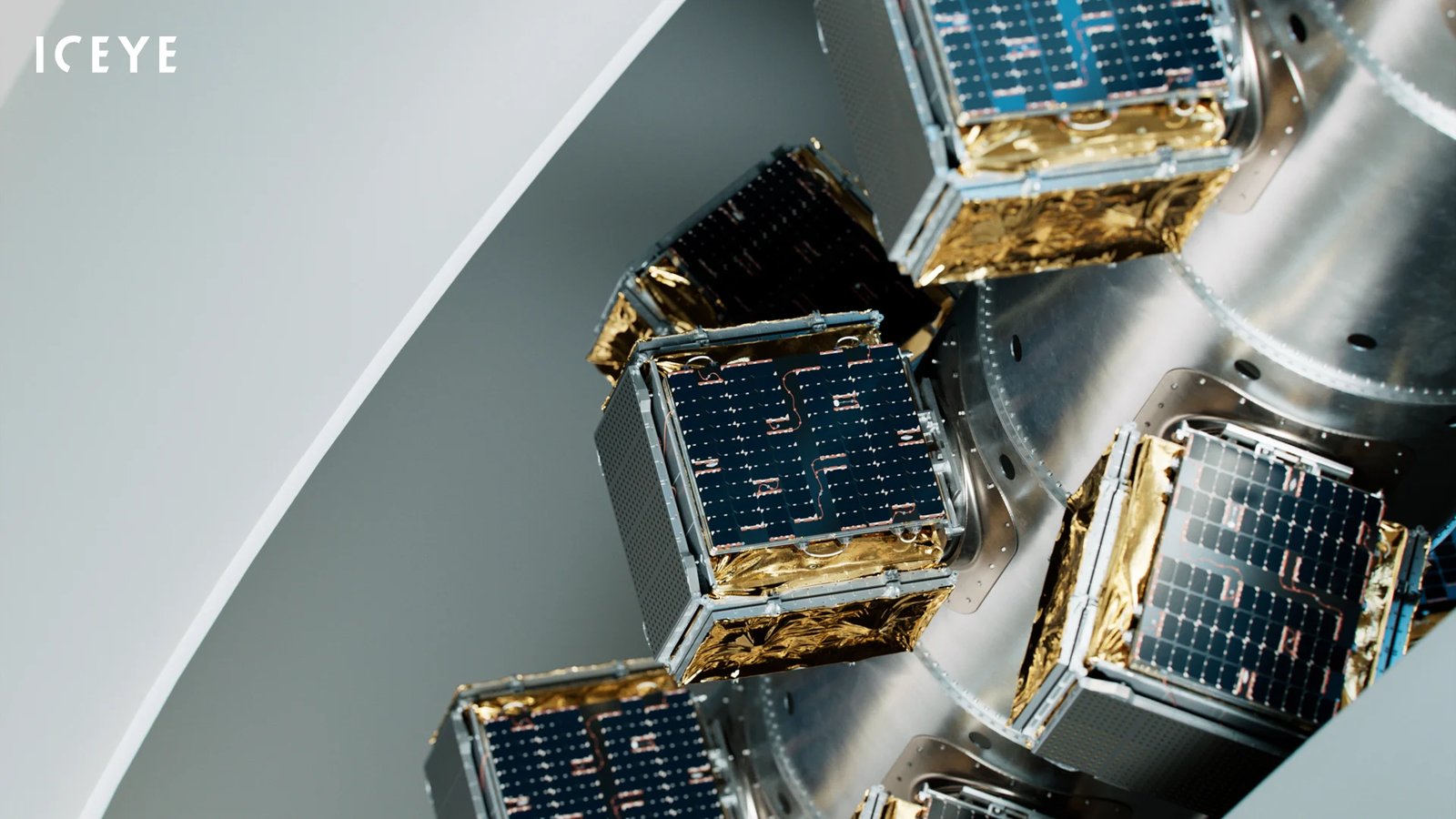

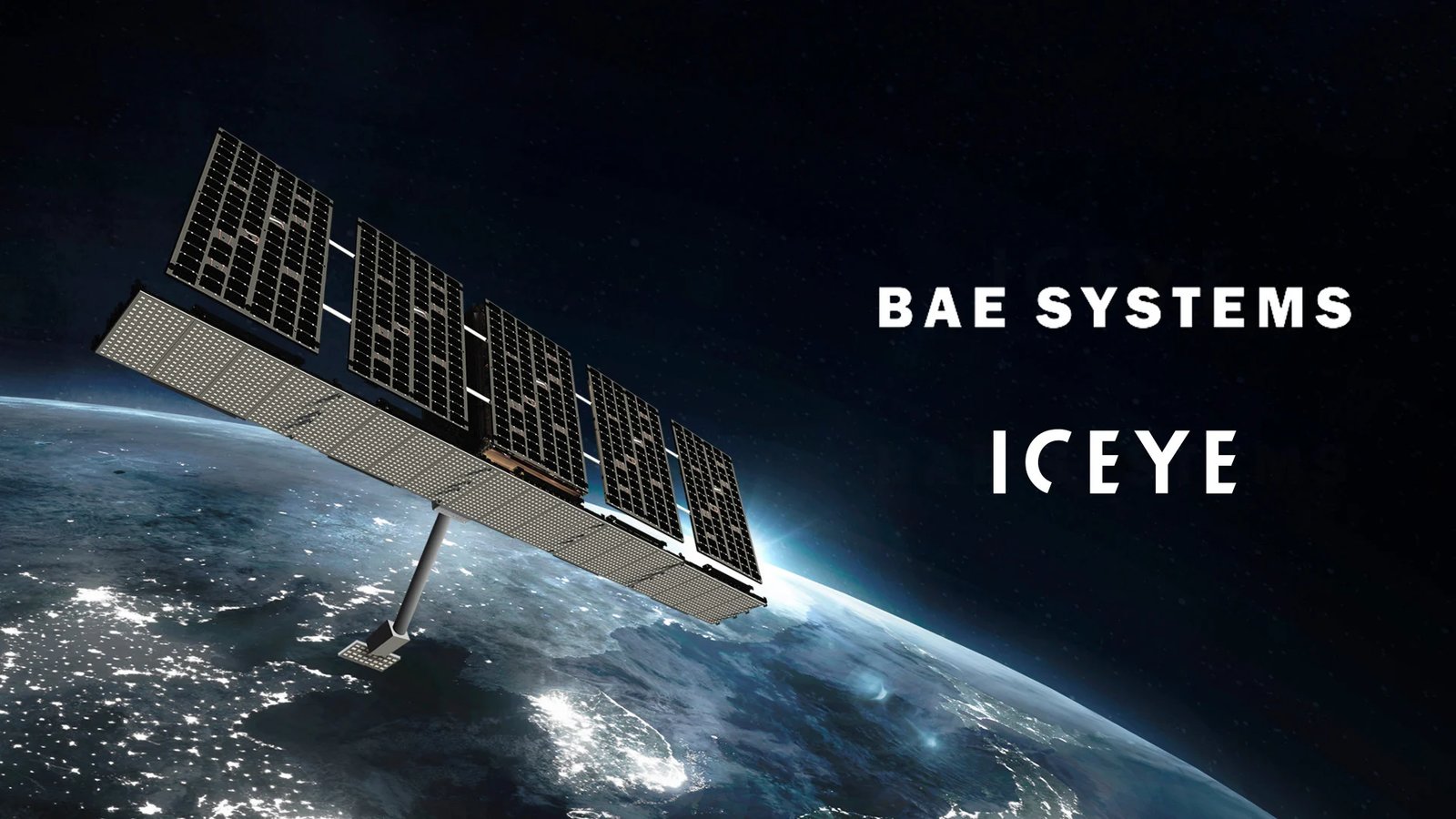
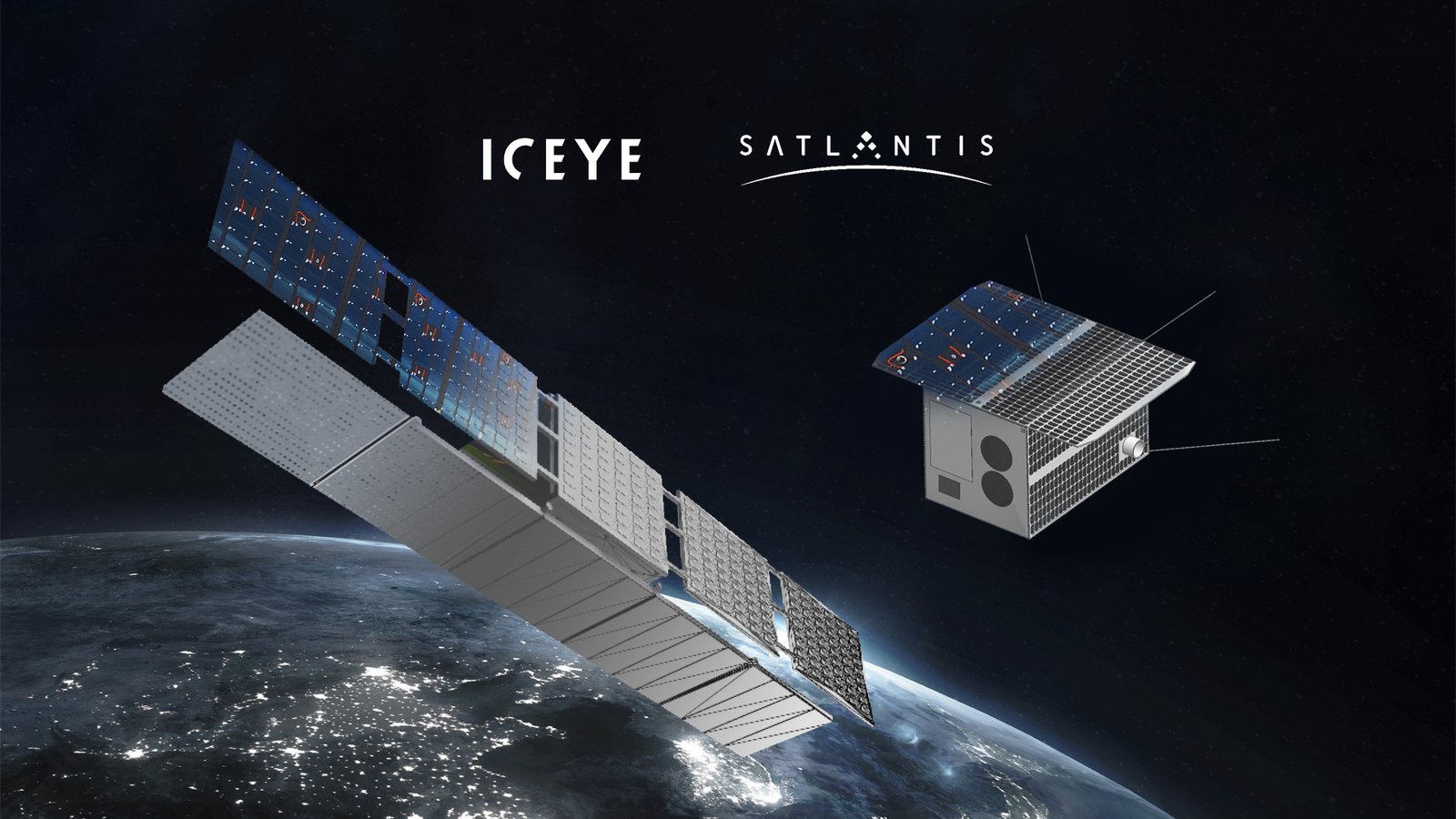
Photos: ICEYE · www.iceye.com · host.4alarmclocks.com
ICEYE Maritime is a satellite-imagery analytics product built by Finnish operator ICEYE, launched commercially in 2020 to track ships at sea — including those that don’t want to be tracked. It pairs synthetic-aperture radar imagery from ICEYE’s own constellation with Automatic Identification System broadcasts, producing a fused picture of what is actually moving across a stretch of ocean versus what is reporting itself to authorities.
The technical premise is straightforward. SAR satellites see vessels regardless of cloud cover, darkness, or weather, and they record a vessel’s position with metre-scale accuracy. AIS is the transponder system that commercial ships are required to broadcast under SOLAS rules. When a ship appears in a SAR image but no AIS return matches its position, the vessel is “dark” — its transponder has been switched off or spoofed. ICEYE Maritime automates that correlation across large maritime areas, flags the mismatches, and pushes them to operators alongside vessel-length estimates, heading, and historical track reconstruction. The same pipeline produces port-activity feeds: counts of ships berthed at a given terminal, dwell times, throughput trends week over week.
Use of the product has tracked the rise of sanctions evasion as a public-policy concern. Operators have applied ICEYE imagery to monitor the Russian “shadow fleet” of oil tankers carrying crude above the G7 price cap, North Korean ship-to-ship transfers off the Yellow Sea, and Iranian-linked tankers in the Gulf and the eastern Mediterranean. The United States, United Kingdom, and Finland are among the named government customers. NATO maritime cells and several allied navies have drawn on ICEYE feeds for routine ISR tasks, alongside commercial customers in marine insurance and shipping intelligence.
Within ICEYE’s portfolio the maritime line sits next to its better-known flood- and disaster-monitoring services and the dedicated military ISR contracts that have grown sharply since 2022, when Ukraine became the company’s most visible operator. The maritime product benefits directly from constellation growth: more satellites mean shorter revisit times, which in turn means dark-vessel detections become near-continuous rather than snapshot-based. ICEYE has stated a goal of sub-hour revisit over priority maritime regions as additional spacecraft reach orbit.
Competitors in the same niche include Capella Space, Umbra, and the established European SAR operators feeding RADARSAT and COSMO-SkyMed imagery into similar analytics layers. ICEYE’s distinctive position is vertical integration — it owns the satellites, the tasking system, and the analytics layer in one stack, which compresses the time from collection to flagged detection in a way that brokered-imagery products struggle to match.