Mariner USV
Long-endurance unmanned surface vessel for offshore ISR, hydrography, and persistent maritime surveillance.
navalby Maritime RoboticsIntroduced 2016
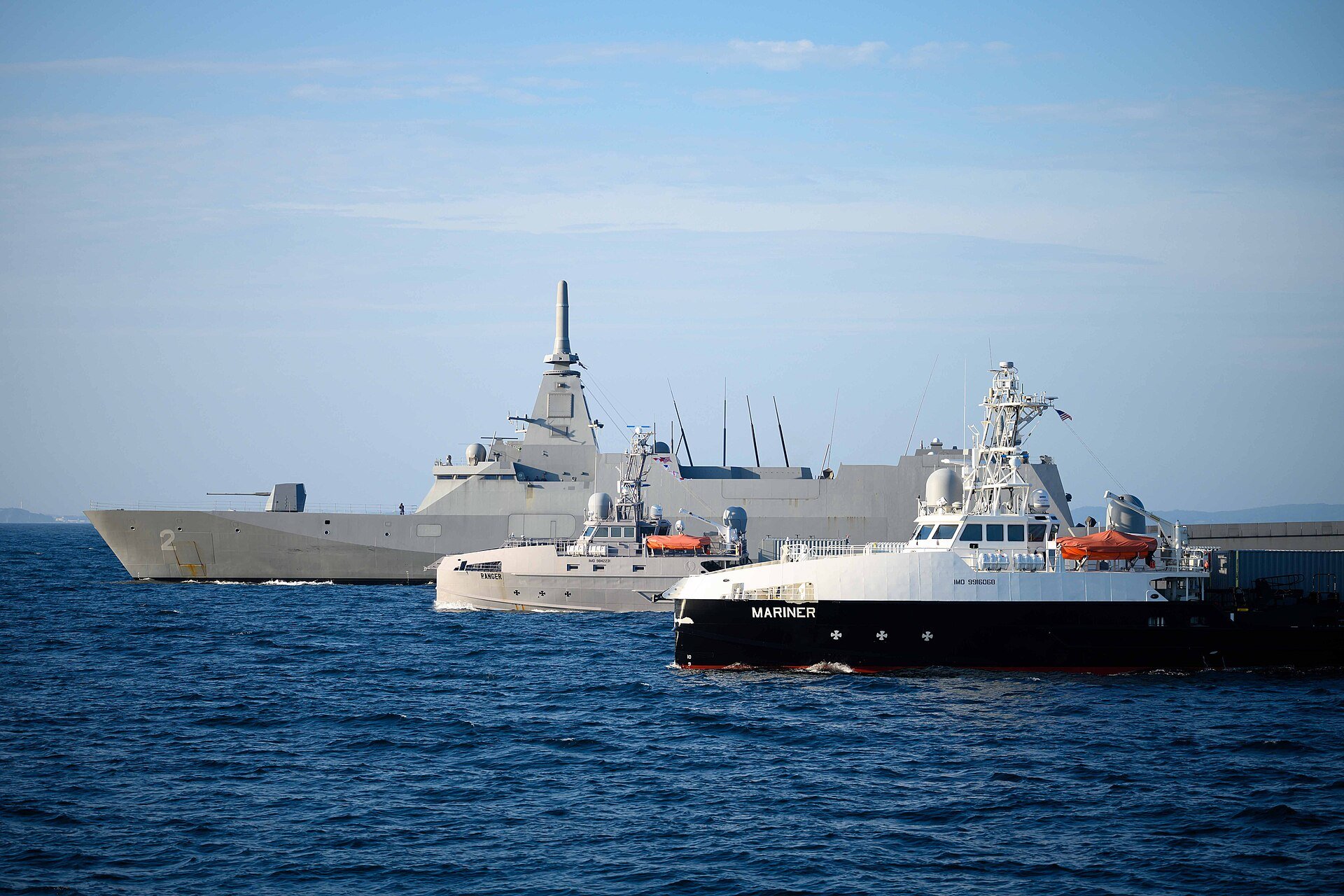
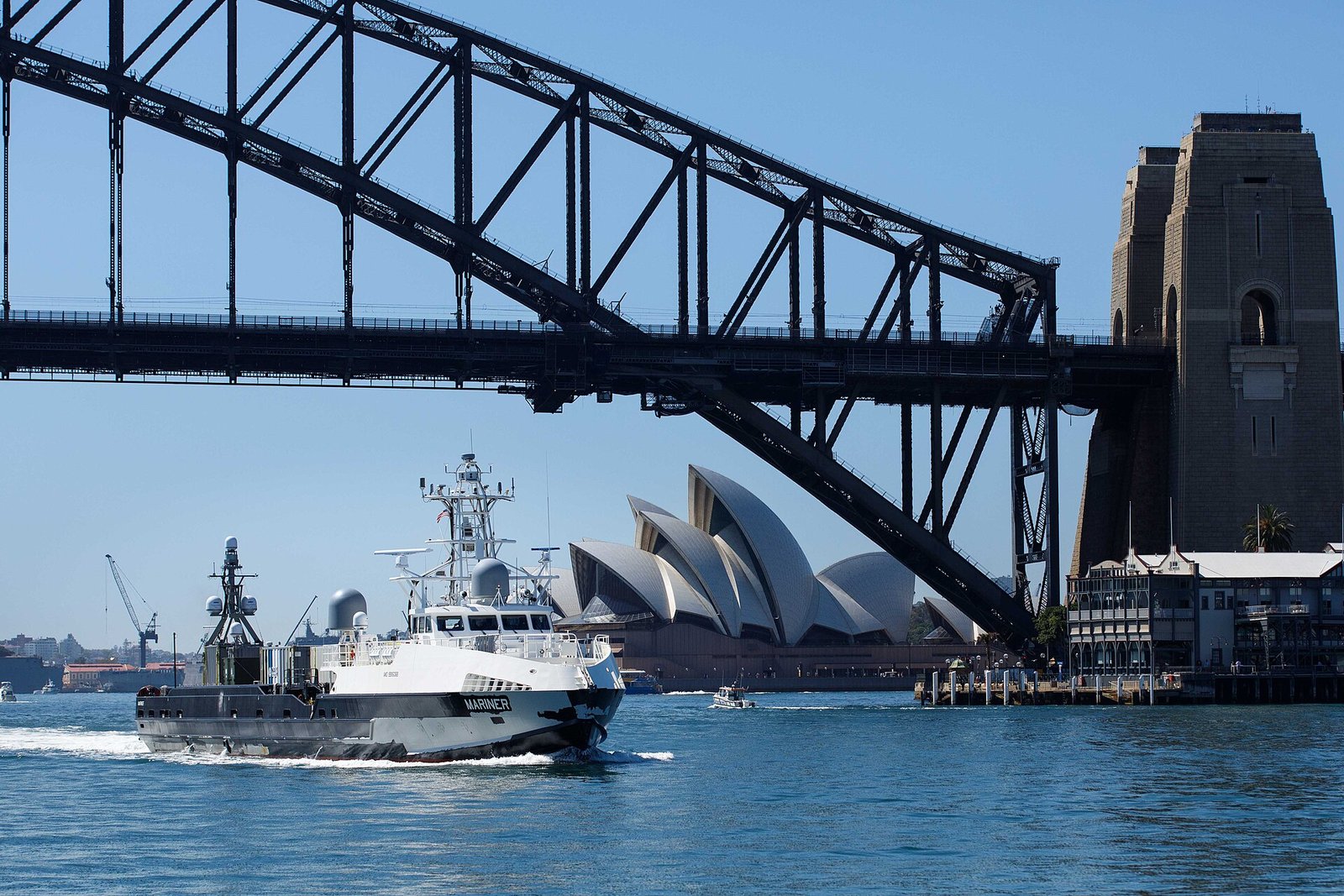
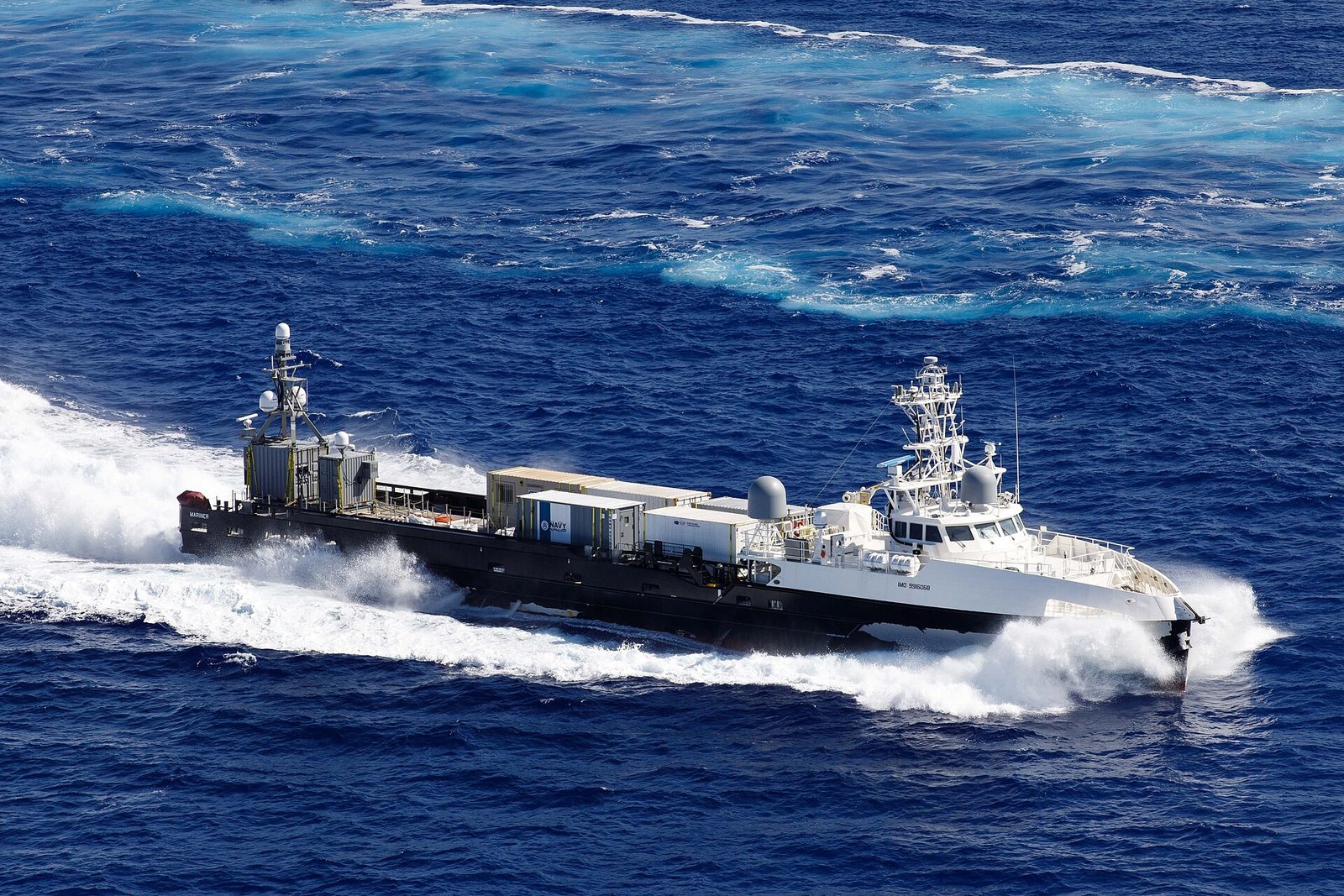
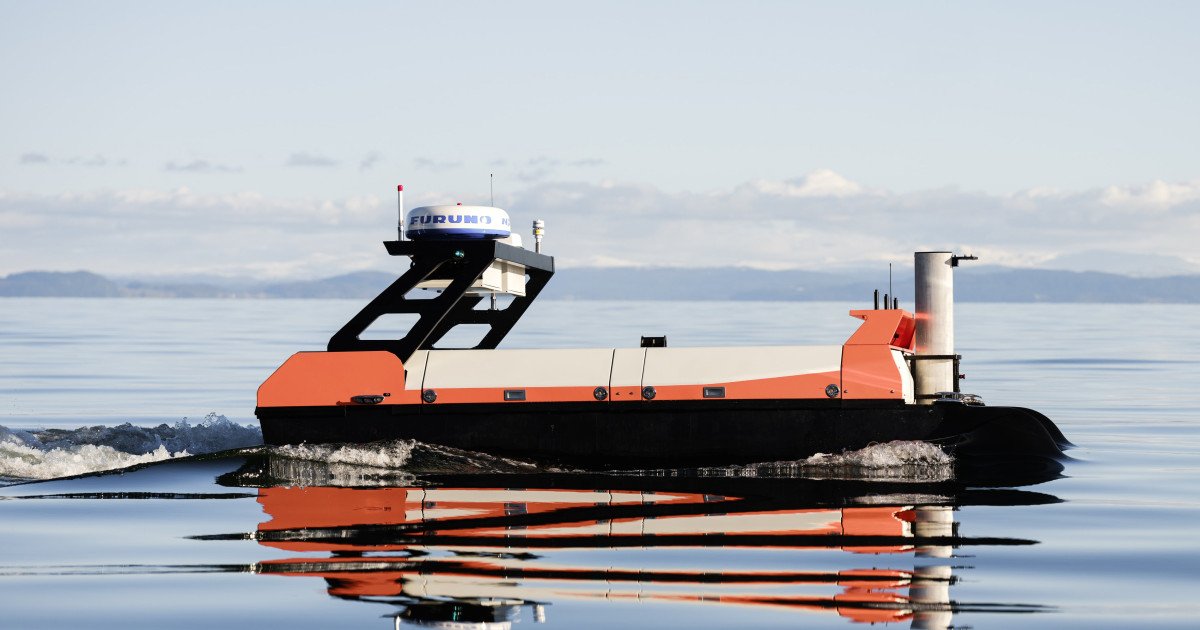
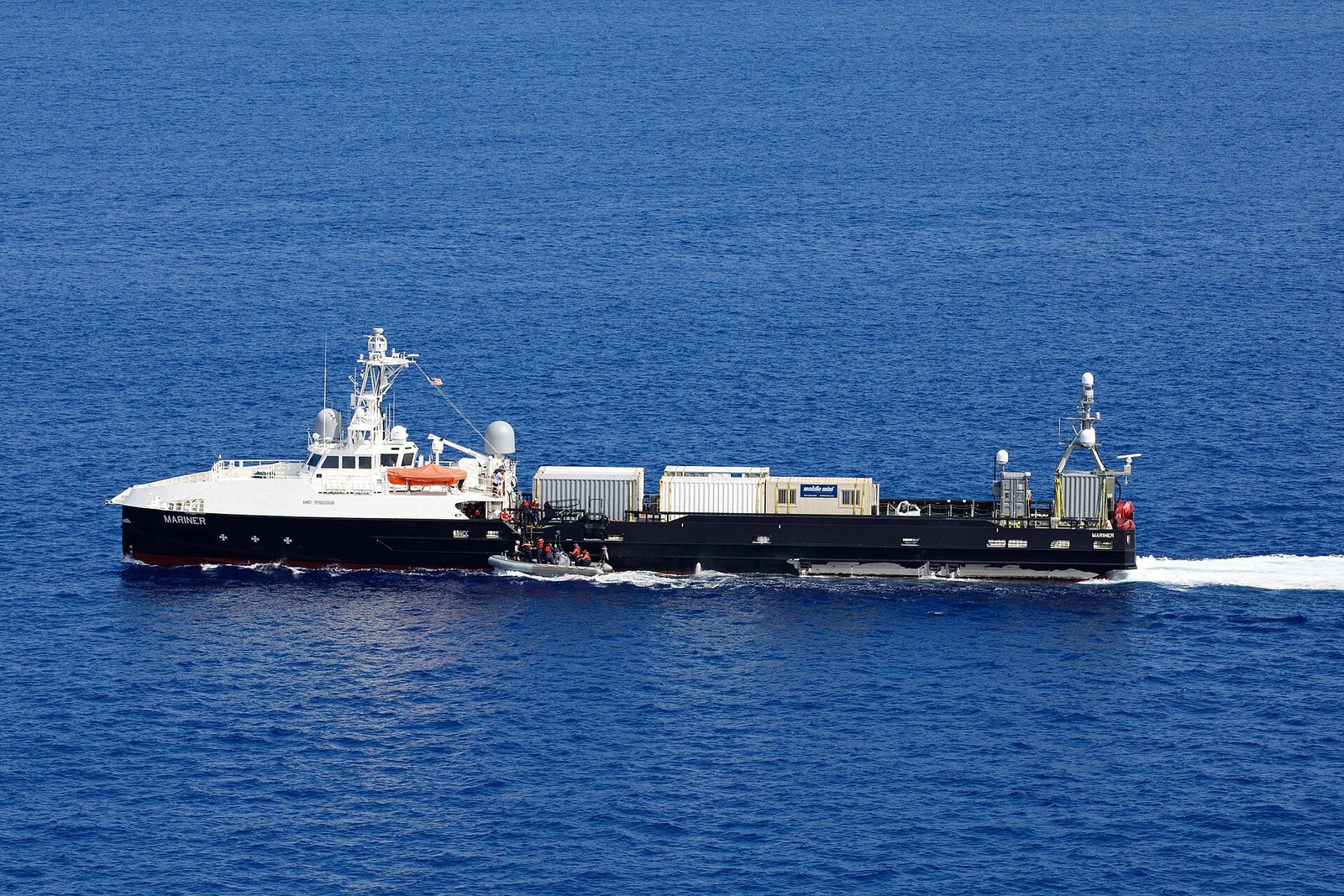
Photos: U.S. Navy photo by Mass Communication Specialist 2nd Class Jesse Monford · U.S. Navy photo by Ensign Pierson Hawkins · Maritime Robotics
The Mariner USV is the flagship long-endurance unmanned surface vessel built by Norwegian maritime-systems specialist Maritime Robotics, the Trondheim-based firm that has been turning out unmanned boats for the offshore, scientific, and naval markets since the late 2000s. Introduced around 2016, the Mariner is a roughly nine-metre fibreglass-hulled platform designed to spend days at sea on its own — running pre-planned survey lines, holding station over a sensor target, or trailing a ship as a forward picket. It sits in the slot between the small portable USVs used inside harbours and the large autonomous frigate-scale vessels now entering service: big enough to carry serious sensor payloads and ride out weather, small enough to launch from a quay or a vessel of opportunity.
Under the deck the Mariner is built around a modular payload bay and a Maritime Robotics autonomy stack that handles waypoint navigation, COLREGs-aware collision avoidance, and remote tasking over both line-of-sight radio and satellite link. The diesel powerplant gives it the multi-day endurance the company advertises, and the bay can be reconfigured for the mission: a multibeam echo sounder and side-scan sonar for hydrographic survey, a towed array or magnetometer for mine-counter-measures, EO/IR and radar for surface ISR, or a meteorological mast for met-ocean work. Communications are routed through a containerised shore-side control station — the same one Maritime Robotics uses across its fleet — so a single operator can supervise multiple craft.
Norway is the home customer. The Royal Norwegian Navy has used the Mariner as a testbed for unmanned mine-counter-measures and ISR concepts, and the Norwegian Defence Research Establishment (FFI) has fielded the platform extensively at sea. The boat is a regular fixture at NATO’s REPMUS and Dynamic Messenger exercises off Portugal, where allied navies trial unmanned systems together; through that route and through US Navy experimentation programmes, Mariners have also operated under American colours. Civilian work — offshore wind survey, oceanographic research, hydrography for national mapping agencies — runs alongside the military business and keeps the platform in near-continuous use.
Maritime Robotics has iterated steadily rather than dramatically. Sensor-bay options have grown, the autonomy software has matured through real exercise miles, and a stretched variant has been shown for missions that need more fuel or larger payloads. In a market increasingly crowded by larger US-built USVs and the wind-powered Saildrone, the Mariner’s pitch is the unglamorous one: a Nordic-built workboat with a long operational track record, sized for the navies and survey fleets that actually need to put one to sea this year.