Lancet
Russian electric loitering munition with an electro-optical seeker, used at scale against artillery and air defences in Ukraine.
DroneAdversary capabilityby ZALA Aero GroupIntroduced 2019 · Updated 2026
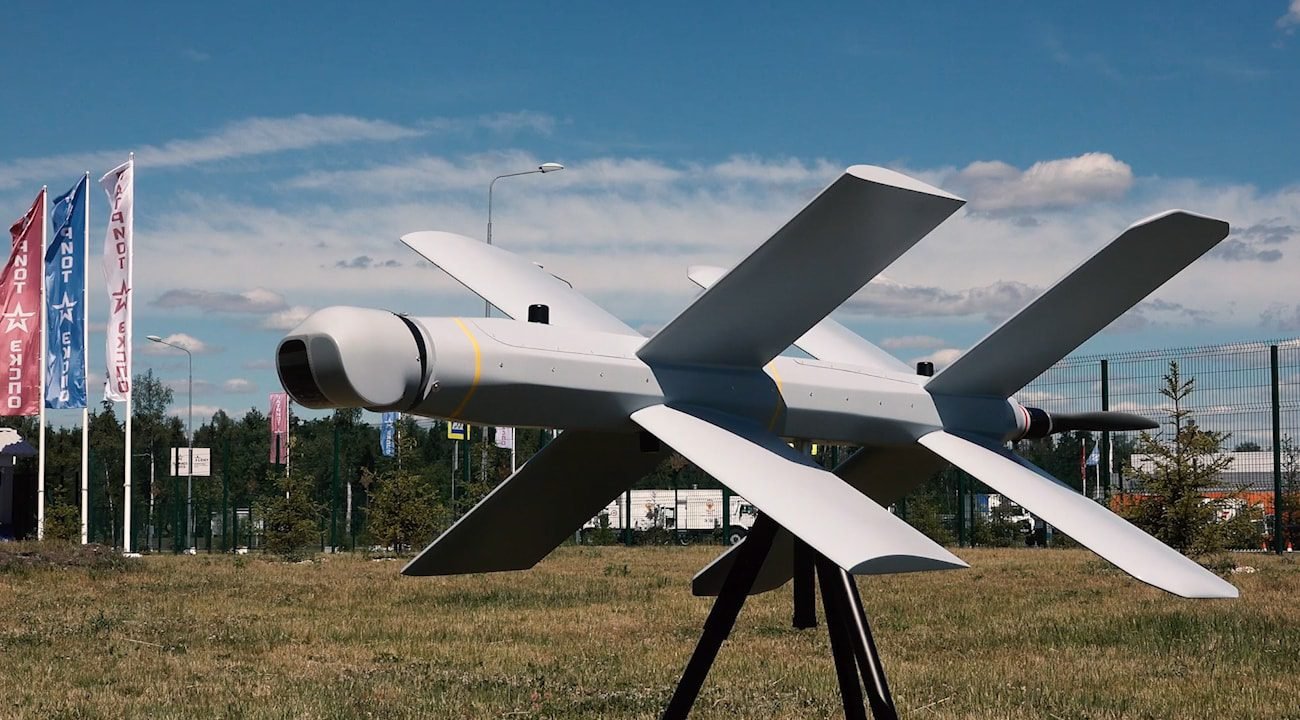

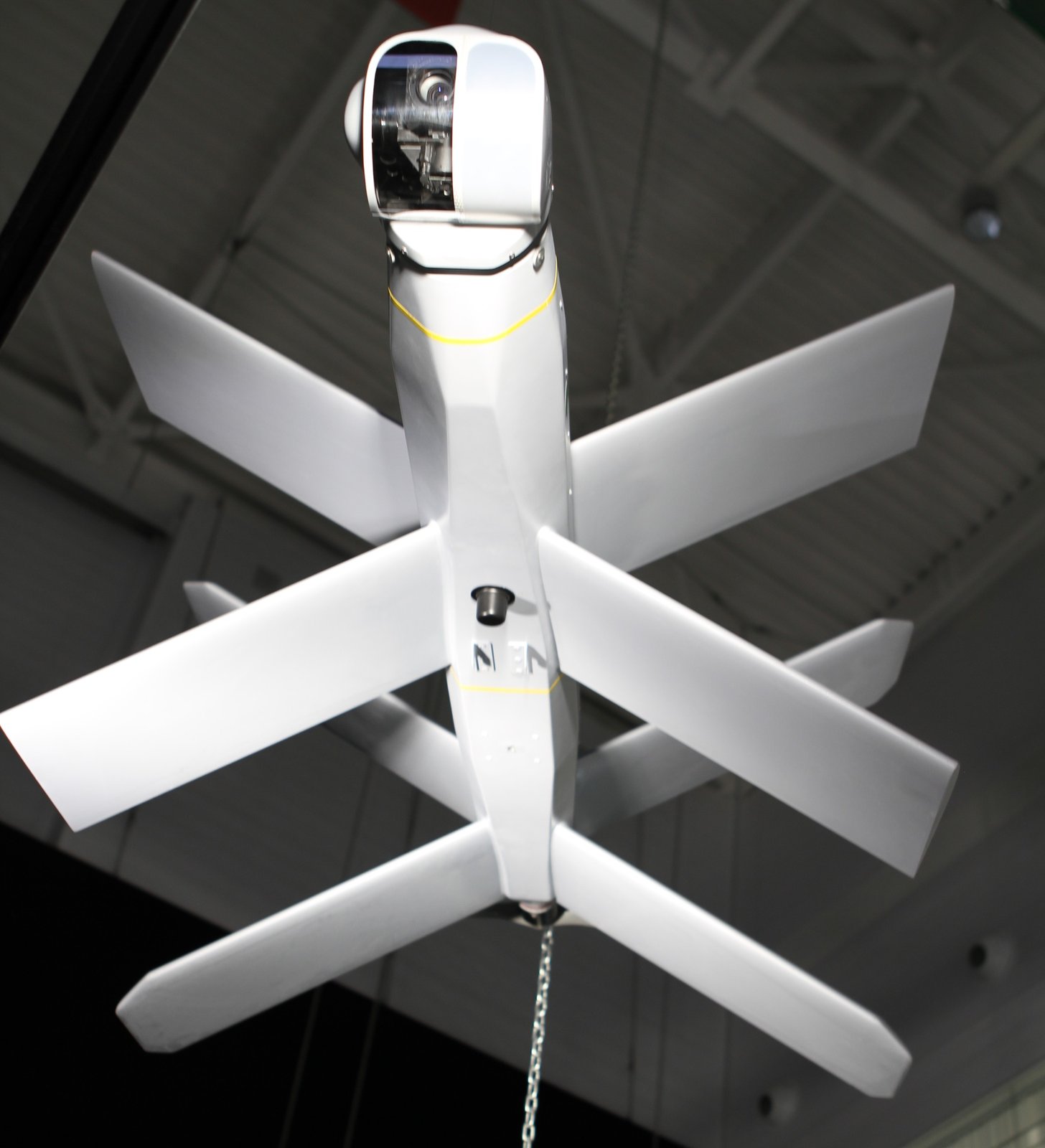 Front view of the Lancet showing nose seeker and twin X-wings
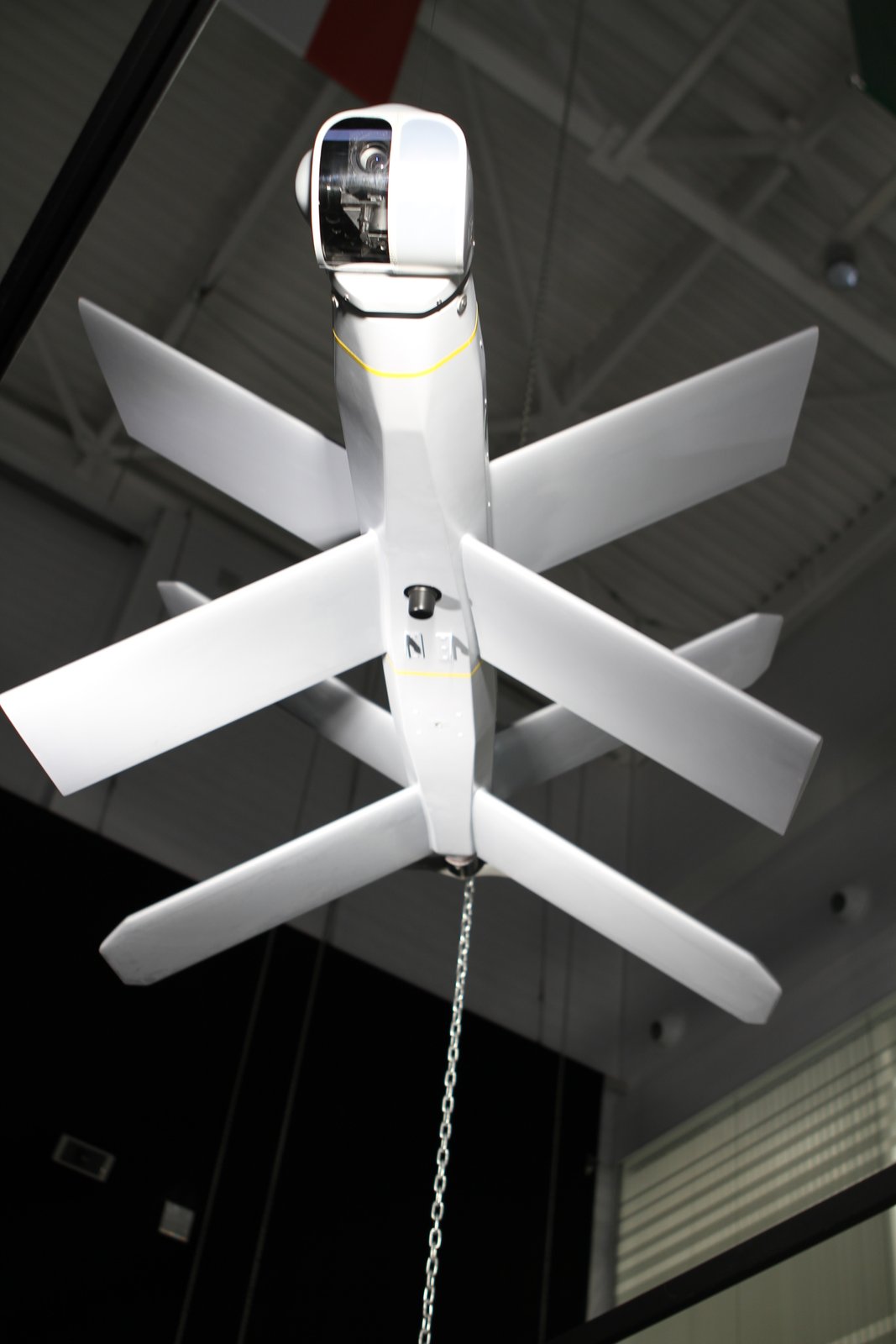 Lancet on display at Army-2020
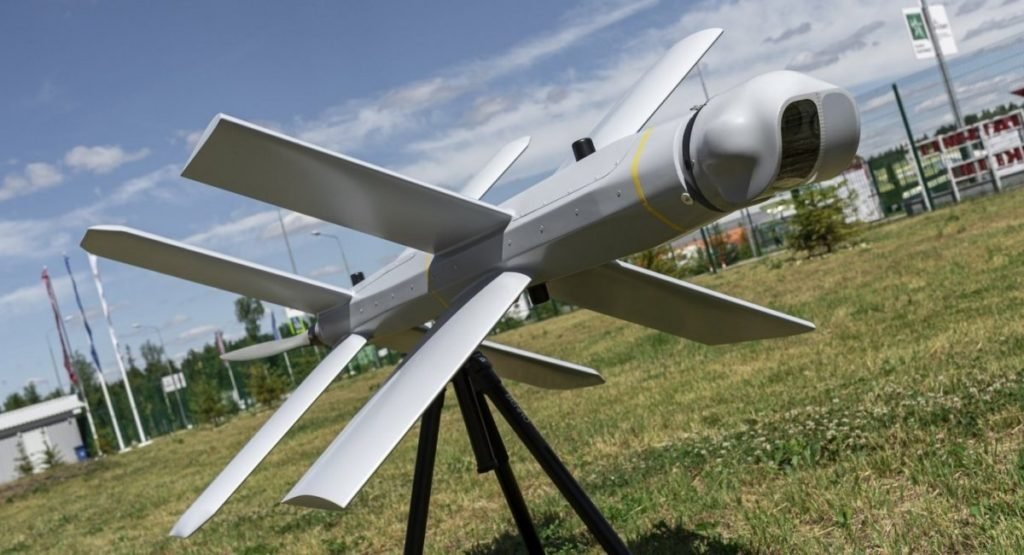
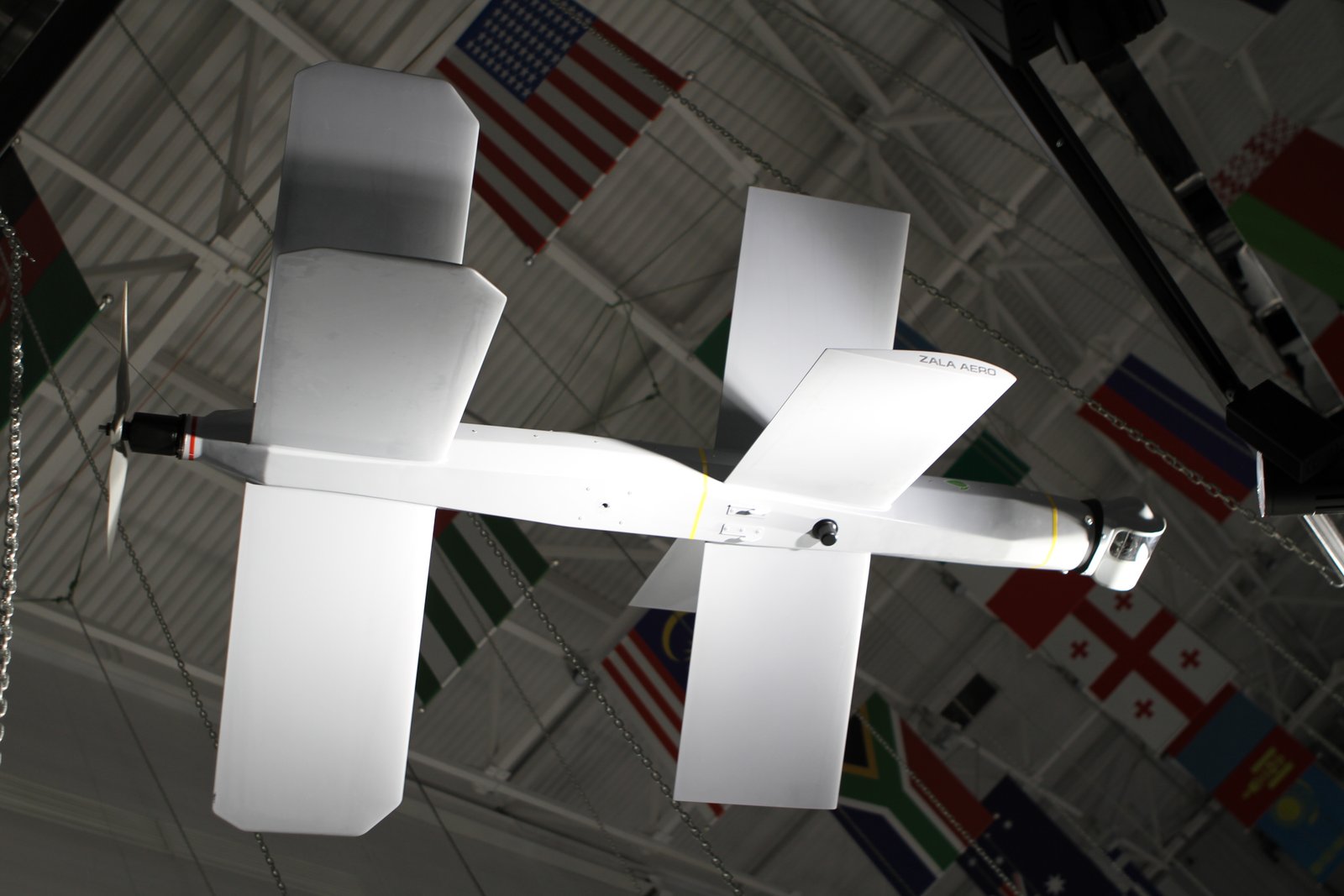 Lancet on display at Army-2020, side angle
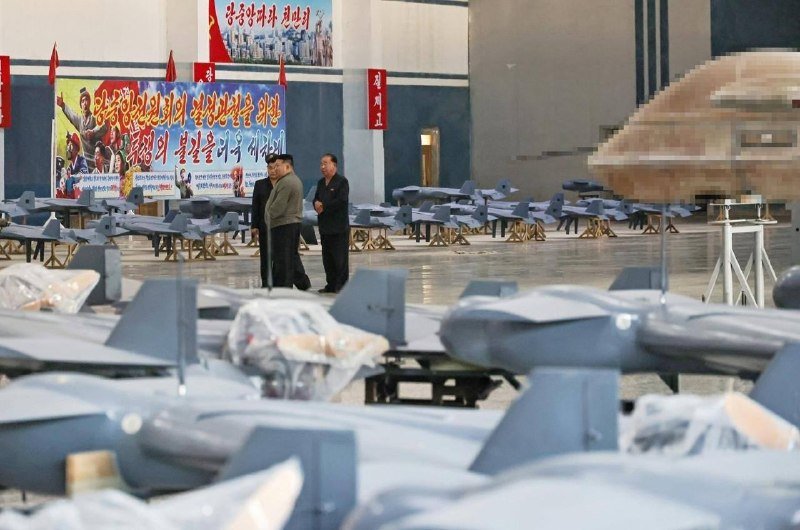
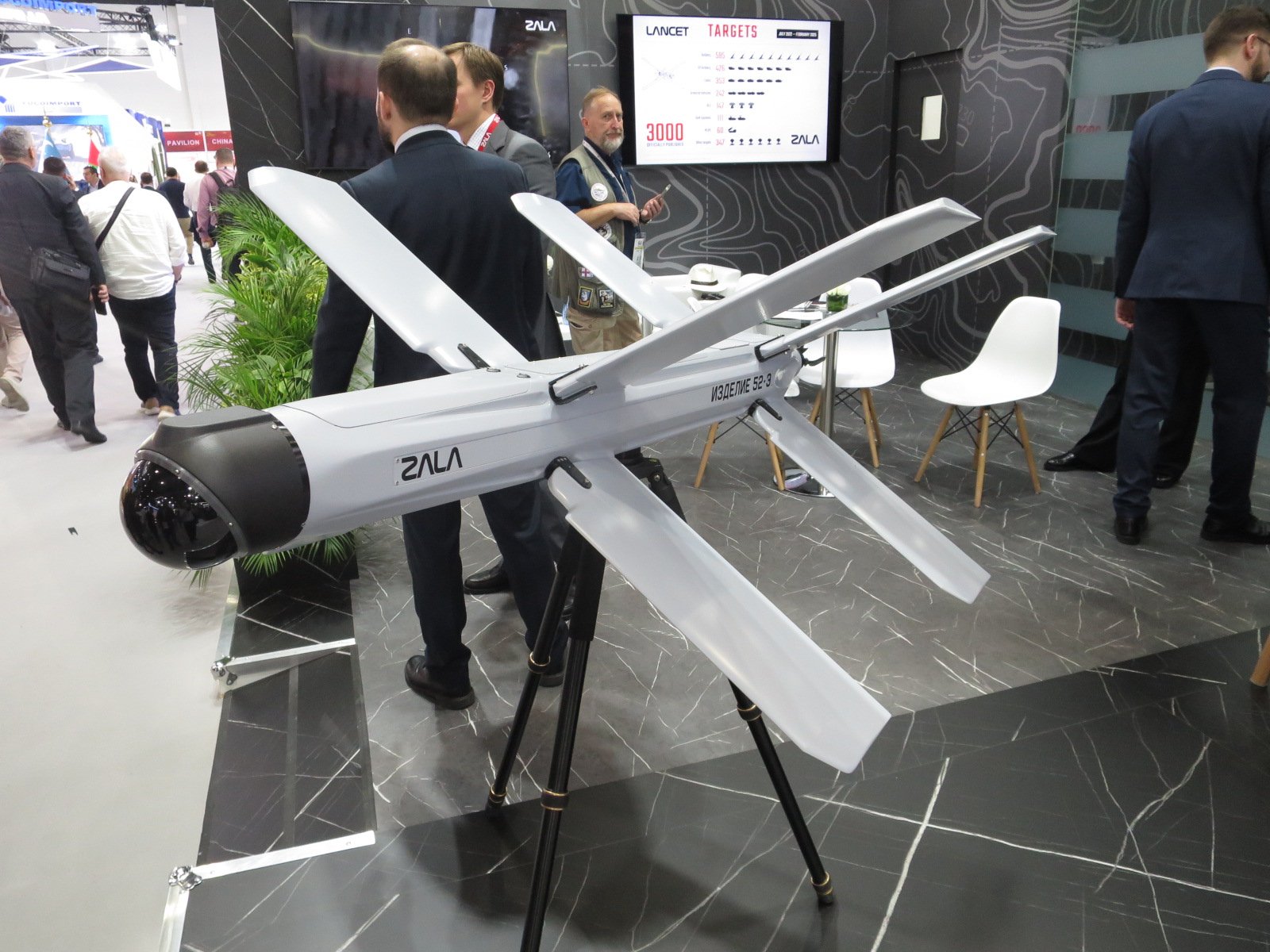 Export Lancet at IDEX 2025, Abu Dhabi
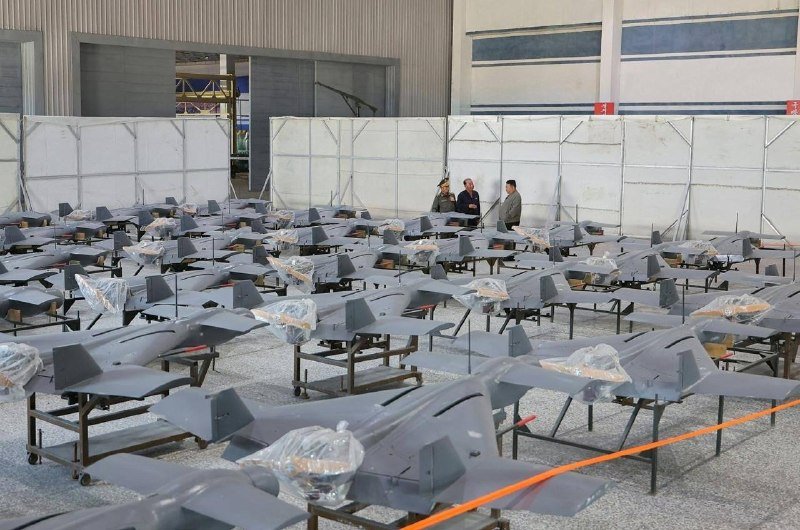
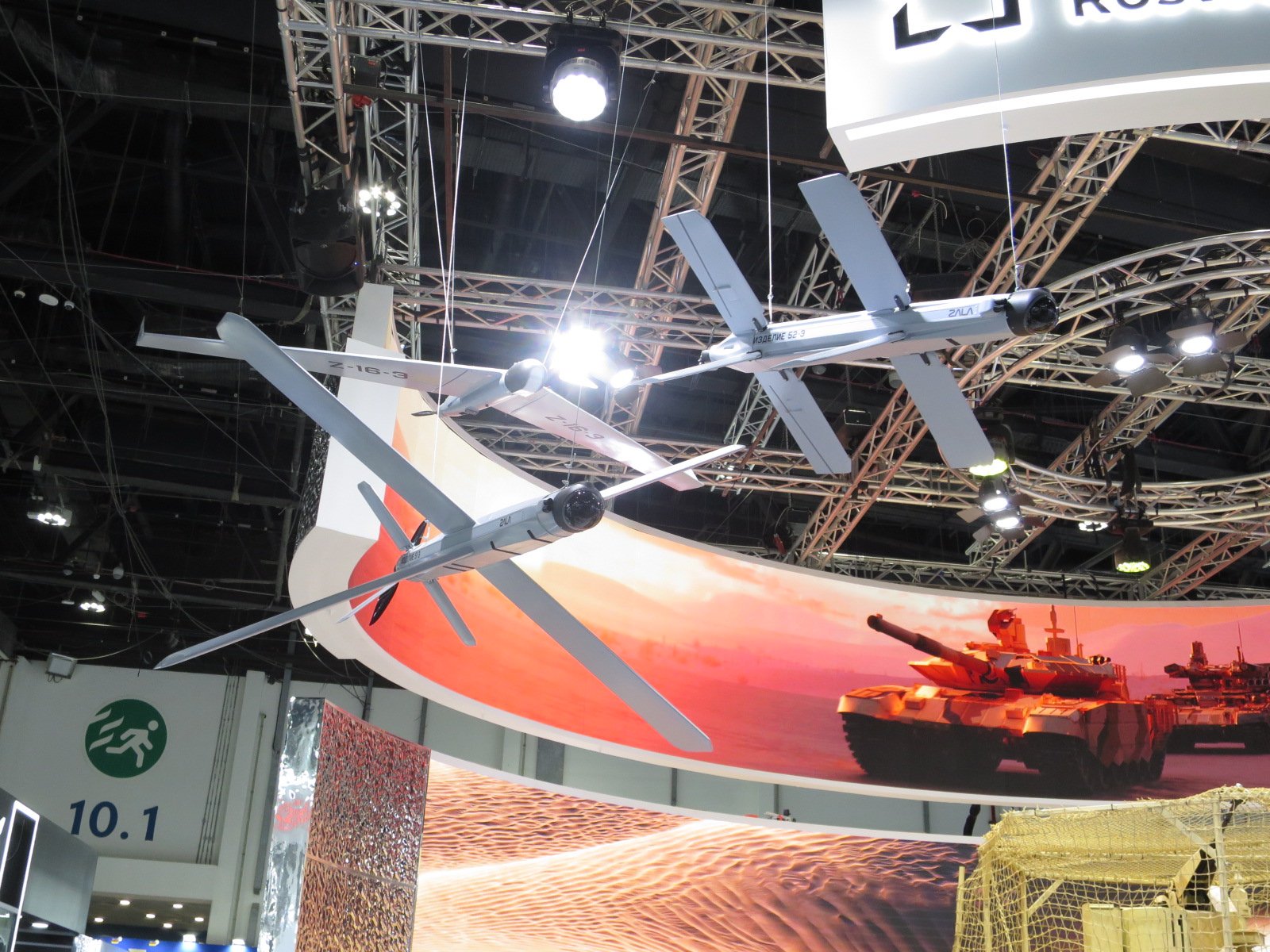 ZALA stand at IDEX 2025 with Lancet and scouts
Photos: combatoperators.com · euromaidanpress.com · en.topwar.ru · УНИАН (Telegram) · Nickel nitride / Wikimedia Commons · Mztourist / Wikimedia Commons
Videos


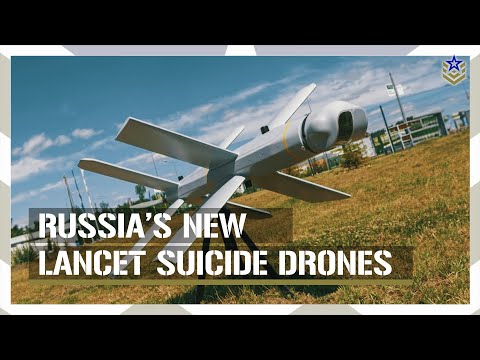


Overview
The Lancet is a Russian loitering munition built by ZALA Aero, the drone subsidiary of the Kalashnikov Concern. It was unveiled at the Army-2019 defence expo in two sizes: the Lancet-1, with a warhead of about one kilogram, and the heavier Lancet-3, with about three. In Russian service the munition is better known by its factory designations, Izdeliye-52 and its successor Izdeliye-51. Its job is precision strike against artillery, armour, radars and air-defence launchers at tactical depth, a role that before 2022 belonged to strike aircraft and guided artillery.
It is one of the most heavily documented weapons of the war. The Russian tracking site LostArmour counted 1,163 claimed strikes by the end of February 2024, and the Conflict Intelligence Team noted a monthly record of 285 in May 2024, much of it on the Kharkiv axis. The UK Ministry of Defence called it, in November 2023, likely one of Russia’s most effective new capabilities.
Design
The Lancet is a small, catapult-launched, electrically powered aircraft with a pusher propeller and two sets of cruciform X-shaped wings, built from carbon-fibre composite. According to the Institute for Science and International Security (ISIS), ZALA advertises a range of about 40 km and a cruise speed of 80 to 110 km/h, and the Lancet-3 weighs up to 12 kg at launch with about 40 minutes’ endurance. A crew of two launches it.
Militarnyi’s 2023 analysis describes the layout of recovered airframes: an optical sensor in the nose, then the warhead, battery and motor in the centre section, with the propeller at the tail. Izdeliye-51 has a modified fuselage, with identical X-wings at the front and smaller surfaces aft. Militarnyi’s estimate, citing Oryx, puts the unit cost at around $35,000.
The usual pairing is with a reconnaissance drone: a ZALA scout, often the Z-16 or 421-16E2, finds the target, and the Lancet crew launches against it. Russian forces have also used Orlan-10 aircraft in the spotting role. In January 2026 ZALA showed a single-use launcher, the KPU 51E, a tripod rail with a pyrotechnic cartridge that one operator can set up and fire in under a minute and then leave behind.
Electronics and guidance
The Lancet is mostly operator-guided. The crew steers it through the seeker’s video and commits it to a target. Militarnyi reported that the datalink tends to drop in the last metres, so the final dive is flown on the optical sensor alone.
Teardowns show a machine built largely from imported parts. ISIS lists a Czech AXI 5330 Gold Line electric motor, a Swiss u-blox multi-constellation satellite-navigation module and an Nvidia Jetson TX2 computing module. ISIS describes the Jetson as handling image processing and target acquisition. The only Russian part it identified was the AccumStation battery. Ukraine’s military intelligence (HUR) lists the exact Jetson TX2 part, 180-83310-DAAF-C04, in its sanctions-evasion database. A Xilinx Zynq programmable chip has also been reported. The control link uses the 868–870 MHz and 902–928 MHz bands.
In March 2026 HUR published 62 further components found across the Lancet and its smaller relative, the Scalpel. Most were American, with others from Switzerland and China. HUR said Russia was trying to add autonomous guidance based on Nvidia Jetson modules. The upgrade was spotted after a Lancet was shot down over Kyiv on 16 March, far beyond the munition’s usual reach.
ZALA’s own name for its recognition system is IRRA (ИРРА), its “intelligent guidance and target recognition system”. In June 2026 a ZALA-linked post relayed Russian Ministry of Defence footage of an IRRA-equipped Lancet hitting a moving tank. In September a Russian channel claimed one had destroyed an IRIS-T SLM launcher near Odesa after a launch from almost 200 km, with the system picking out the camouflaged vehicle in a tree line. A ZALA campaign summary for September credits IRRA with tracking moving and hidden targets under jamming. None of these claims has been independently verified, and a 200 km launch would be several times the declared range. The export Lancet-E is marketed with the same idea: ZALA says the munitions can attack on operator command or through onboard recognition algorithms.
Warheads
The warhead has changed more than the airframe. The Lancet-1 carries about 1 kg. Militarnyi found that Izdeliye-52 carries a KZ-6 shaped charge, a Soviet demolition charge of about 3 kg containing up to 1.5 kg of TG-40 explosive, held in foam inside the fuselage. It can penetrate up to about 200 mm of armour in ideal conditions. Russian sources claim about 5 kg for Izdeliye-51; Militarnyi could not confirm the figure.
Ukrainian nets and cages over artillery were catching impact-fuzed Lancets. In November 2023 Militarnyi analysed footage of a version that fires its charge a few metres short of the target, triggered by a lidar with two optical cameras, so that the cumulative jet crosses the gap. It was not clear whether that version still used the KZ-6 or a new explosively formed penetrator. In August 2025 a Lancet was seen carrying a Soviet PTM-3 anti-tank mine instead: 4.9 kg in total, with 1.8 kg of explosive.
Variants
- Lancet-1 and Lancet-3 (2019): the original pair, with 1 kg and 3 kg warheads.
- Izdeliye-52: the service name for the first wartime production standard, reported to have received a larger warhead and new optics in 2023.
- Izdeliye-51: a revised airframe with a claimed heavier warhead.
- Izdeliye-53: announced in July 2023, with folding wings and a multi-tube launcher. Russia claims networked target sharing and non-contact detonation; Militarnyi called the electronic-warfare claims unsubstantiated.
- Lancet-E: the export system of Izdeliye 51E and 52E munitions (including “-IR” versions), the Z-16E scout and the KPU 51E launcher. ZALA announced export approval in February 2026, quoting a range of up to 35 km and more than 30 minutes’ endurance.
Combat use
The Lancet was first used in combat in Syria from at least November 2020. Rostec announced its deployment in Ukraine on 8 June 2022. Lancets hit a Gyurza-M gunboat in November 2022, and Tor and S-300 systems in spring 2023. In September 2023 Russian sources claimed strikes on MiG-29s at Dolgintsevo airfield. Militarnyi lists Russian special forces, GRU units, the 76th and 98th Airborne Divisions and Wagner among its users.
CIT’s analysis of the 2024 Kharkiv offensive gives part of the explanation for its success: crews launched from just across the border, watched a sparse road network, and faced little risk of Ukrainian long-range counter-fire. The Russian accounts also give a clear outline of its typical use, against artillery rather than front-line infantry.
In June 2026 Russia’s Africa Corps published footage from Mali of a Lancet hitting a militant pickup near Timbuktu, cued by a ZALA Z-16. It was the first publicised use on the continent. ZALA’s September 2026 summary claims strikes on BM-21 Grad launchers, IRIS-T launchers, a tank and an Il-76 aircraft, with a campaign focused on vehicles on supply routes.
LostArmour’s figures are a reminder that “strike” does not mean “kill”. By its own coding, about 31% of claimed hits destroyed the target and 53% damaged it. Militarnyi also noted many direct hits that caused no critical damage.
Countering it
Public reporting describes layered defences. Nets and welded grilles worked until stand-off detonation arrived. Decoys of artillery and launchers draw strikes away from real equipment. Ukrainian electronic-warfare systems such as Bukovel and Nota have been reported effective while the operator is still steering, but less so once the terminal dive begins. The visible radio links give crews early warning. Small arms, shotguns and MANPADS are used on approach, and from 2024 Ukraine has used interceptor drones. In October 2026 video circulated of a Lancet grounded inside a Ukrainian anti-drone corridor. If on-board recognition does mature, the weapon will depend less on the radio link that these measures target.
Combat experience
Effectiveness
Warhead upgrades
| Warhead | Type | Mass | Since | Notes |
|---|---|---|---|---|
| Lancet-1 warhead | high-explosive | 1 kg | 2019 | Smallest variant, 5 kg MTOW source |
| KZ-6 shaped charge | shaped charge (cumulative) | ~3 kg (up to 1.5 kg TG-40 explosive) | 2022 | Soviet engineering demolition charge fitted in foam inside the Izdeliye-52 fuselage; up to ~200 mm armour penetration under ideal conditions source |
| Stand-off initiated charge | shaped charge or explosively formed penetrator (unclear) | not reported | 2023 | Detonates a few metres short of the target, triggered by lidar, to defeat nets and cage armour source |
| Izdeliye-51 / 53 heavier warhead | not specified | ~5 kg (Russian claim) | 2023 | Russian sources claim a more powerful ~5 kg warhead; not verified by Militarnyi source |
| PTM-3 anti-tank mine | shaped charge (improvised) | 4.9 kg total (1.8 kg explosive) | 2025 | Soviet scatterable anti-tank mine observed in place of the KZ-6 source |
Variants
- Lancet-3 (Izdeliye-52 in Russian service)2019
Base variant, 3 kg warhead, 12 kg MTOW, 40 min endurance source
- Lancet-12019
Smaller sibling, 1 kg warhead, 5 kg MTOW, 30 min endurance source
- Izdeliye-512023
Modified fuselage, identical front X-wings and smaller rear surfaces; claimed heavier warhead source
- Izdeliye-532023
Folding wings, multi-tube launch containers, claimed networked target sharing and non-contact detonation source
- Lancet-E (Izdeliye 51E / 52E, -IR versions)2026
Export system with Z-16E scout and KPU 51E disposable launcher; export approval announced February 2026 source
- KPU 51E disposable launcher2026
Single-use tripod catapult with pyrotechnic cartridge, deployable by one operator in under a minute source
- Lancet with IRRA guidance2026
Onboard recognition and guidance system promoted by ZALA; Russian MoD footage of strikes on a moving tank (June 2026) source
Countering it
As reported publicly; each line links its source.
- Nets and cage armour — Mesh and welded grilles over guns and positions defeated impact-fuzed Lancets; Russia answered with stand-off detonation from late 2023 source
- Decoys — Mock-ups of artillery and launchers draw strikes; each Lancet spent on a decoy is one not used on real equipment source
- Electronic warfare — Ukrainian systems such as Bukovel and Nota reported effective during the operator-controlled phase, not after terminal lock source
- Radio-frequency early warning — The control links are visible on spectrum analysers, giving crews warning that a Lancet and its scout are active source
- Anti-drone corridors — Video from October 2026 shows a Lancet grounded inside a Ukrainian electronic anti-drone corridor source
- Kinetic defence — Small arms, shotguns and MANPADS used against Lancets on approach source
Sources
- isis-online.org/isis-reports/detail/russian-lancet-3-kamikaze-drone-filled-with-foreign-parts
- war-sanctions.gur.gov.ua/en/components/5195
- armyinform.com.ua/en/2026/03/23/ukraines-military-intelligence-releases-detailed-information-on-russian-loitering-munitions-lancet-and-scalpel/
- militarnyi.com/en/articles/zala-lancet-engagement-and-countereffort/
- militarnyi.com/en/news/the-lancet-drone-has-acquired-the-ability-to-destroy-targets-protected-by-nets/
- oboronka.mezha.ua/en/lancet-radyanska-protitankova-mina-303787/
- www.edrmagazine.eu/umex-2026-zala-unveils-new-kpu-51e-disposable-launcher
- ruavia.su/zalas-lancet-e-loitering-drones-cleared-for-international-export/
- notes.citeam.org/lancet-eng
- lostarmour.info/tags/lancet
- en.wikipedia.org/wiki/ZALA_Lancet
- t.me/boris_rozhin/216019
- t.me/dva_majors/98357
- t.me/boris_rozhin/228208
- t.me/boris_rozhin/215760
- t.me/VictoryDrones/66165