KUB-BLA
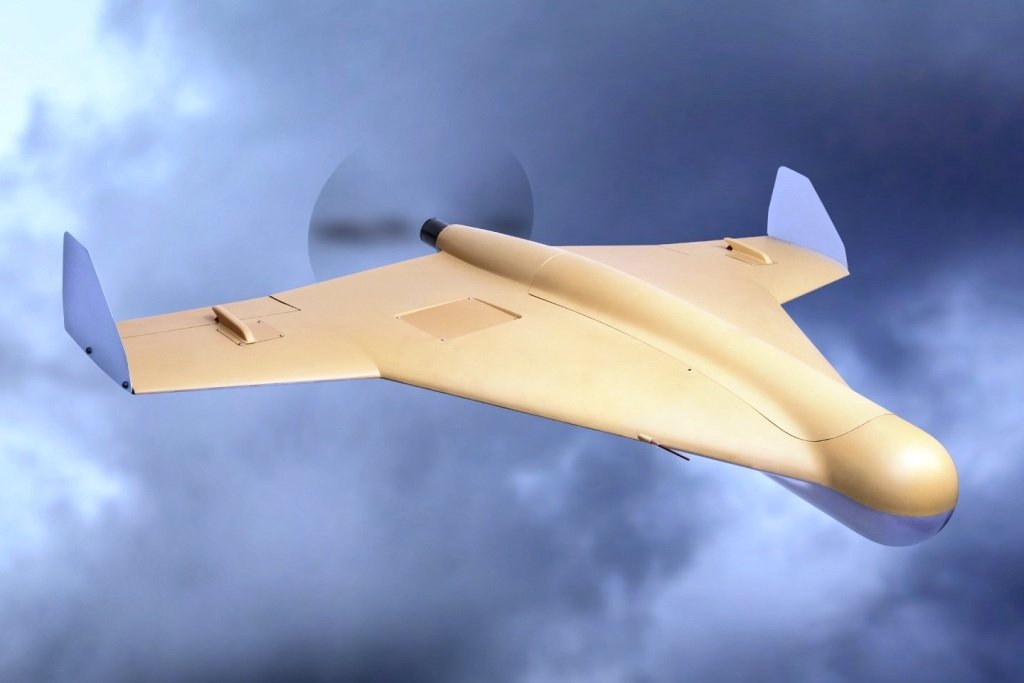
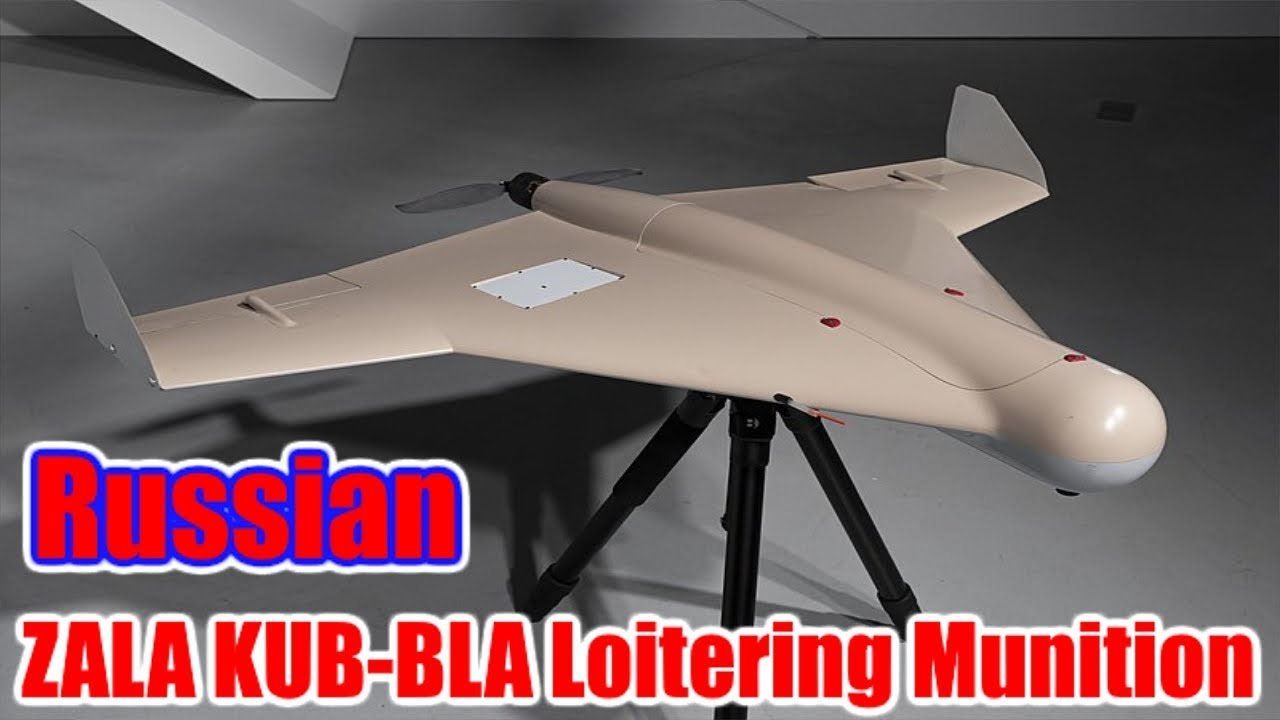
Delta-wing loitering munition marketed as a low-cost precision strike system.
Missile / loitering munitionAdversary capabilityby ZALA Aero GroupIntroduced 2019
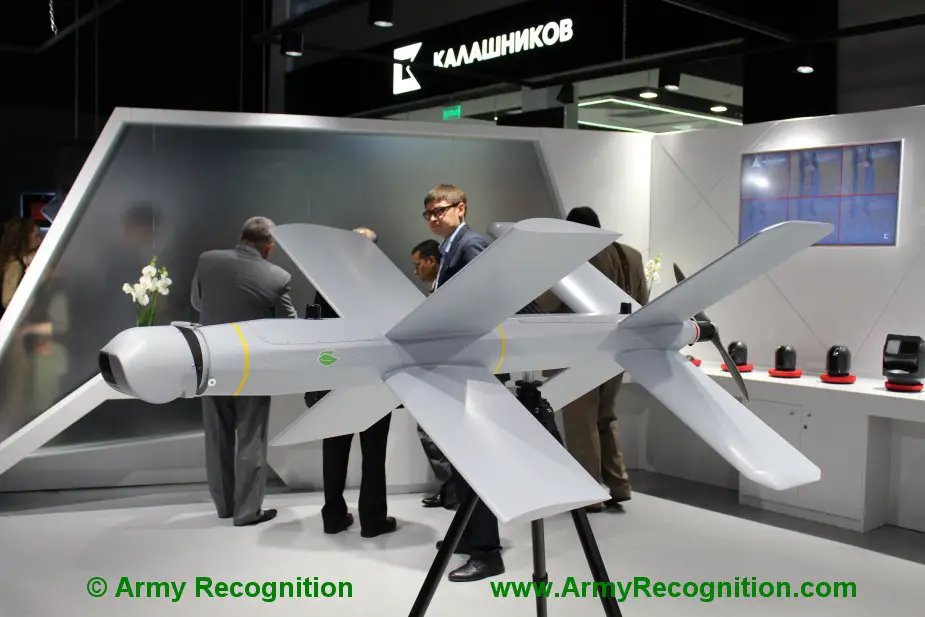
Photos: www.edrmagazine.eu · thebulletin.org · www.youtube.com · www.suasnews.com · www.armyrecognition.com
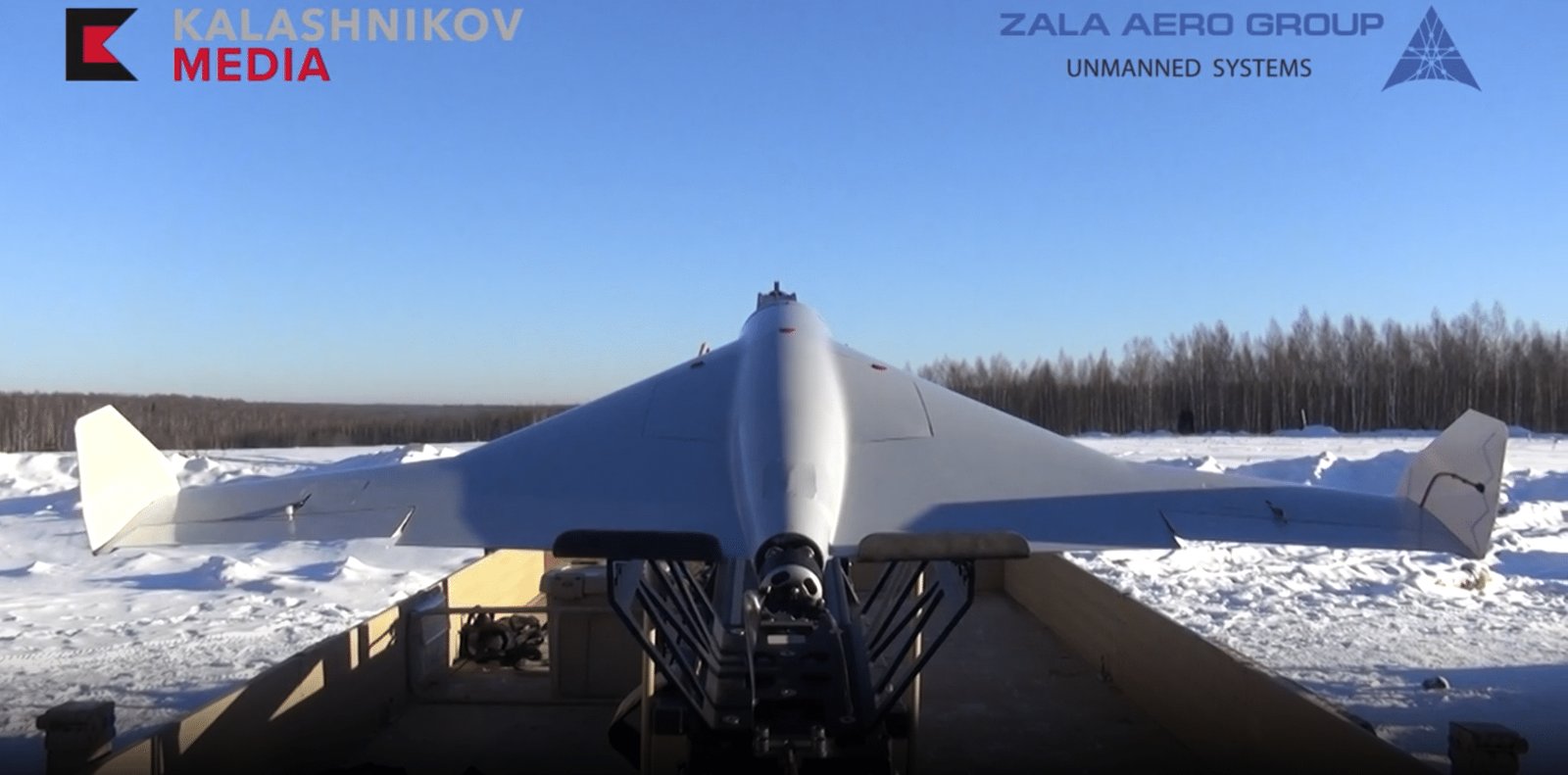
KUB-BLA is a delta-wing loitering munition built by ZALA Aero Group, the unmanned-systems arm of Russia’s Kalashnikov Concern. The weapon was unveiled at the IDEX 2019 defence show in Abu Dhabi and entered Russian service shortly afterward, pitched at the time as a low-cost precision strike system aimed at fixed targets and lightly armoured vehicles. Its airframe is small enough to be carried by an infantry team, and it is launched from a portable catapult rather than a runway or rail-mounted tube, which has shaped how Russian forces have integrated it into ground-unit kill chains.
The munition is electrically powered, has a quoted endurance of around 30 minutes and a range of roughly 40 kilometres, and carries a warhead in the three-kilogram class — figures consistent with a loiterer designed for soft and lightly armoured targets rather than main battle tanks. ZALA has marketed the system with optical-recognition aided targeting; in operation, an operator selects a target on a video feed and the airframe dives onto it, with terminal guidance handled onboard. The vehicle is small, slow and quiet by the standards of cruise-missile-class weapons, and was sold to potential export customers as a way to put guided fires into the hands of brigade- and battalion-level commanders without the cost of a missile system.
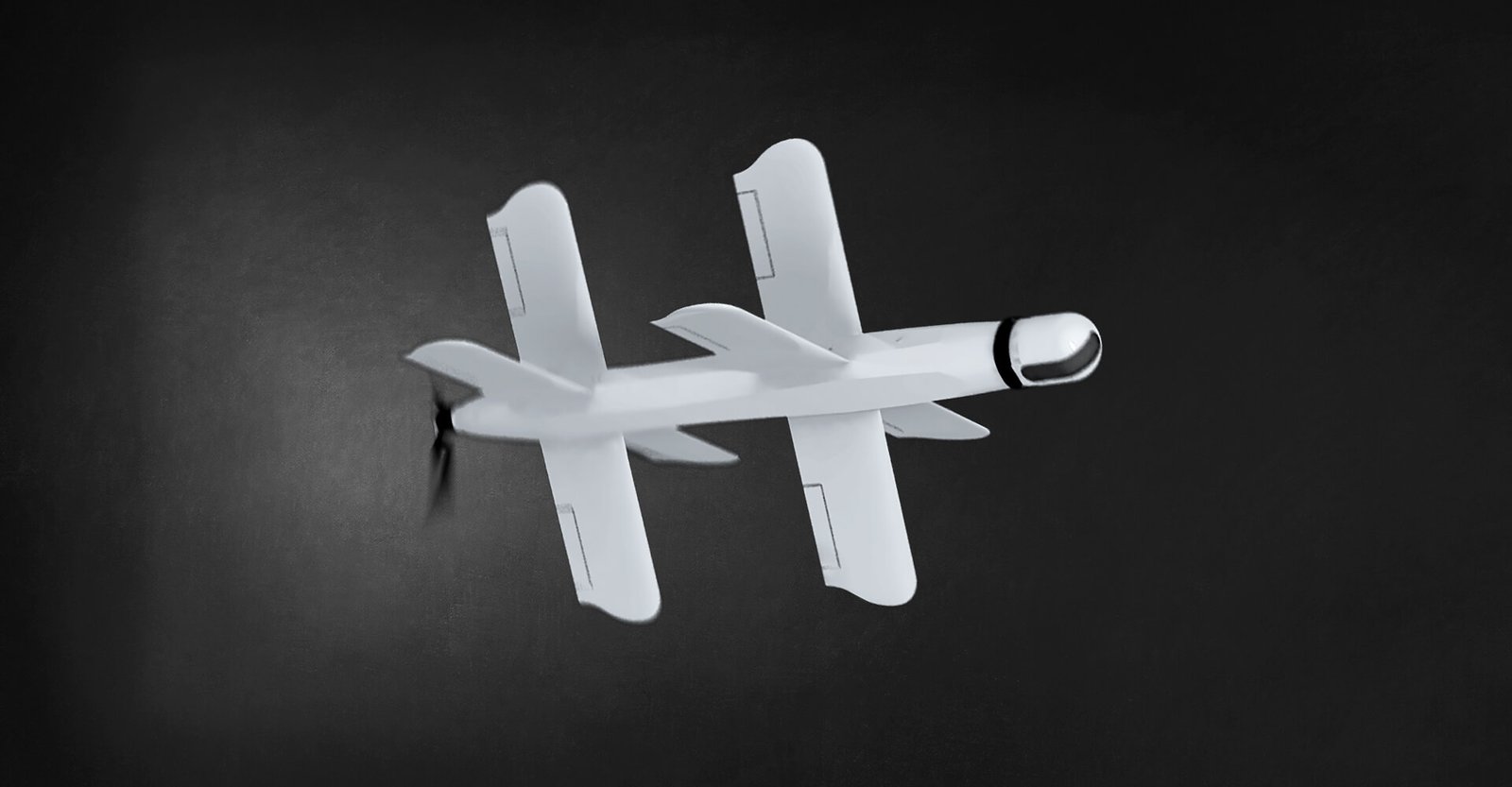
Russia is the primary operator and the only confirmed combat user. KUB-BLA airframes were associated with Russian operations in Syria, and from the opening weeks of the full-scale invasion of Ukraine in 2022 onward, wreckage of KUB-BLAs was recovered and photographed by Ukrainian forces — among the first publicly documented uses of a Russian loitering munition against a peer-ish opponent. Reported deployments through 2022 and 2023 were modest, and operationally the system was quickly overshadowed by ZALA’s heavier sibling, the Lancet, which has a longer range, a larger warhead and has been produced in much greater numbers for the Ukraine theatre.
Development of the KUB family has continued under sanctions, with ZALA showing updated variants at Russian defence exhibitions and integrating the airframe into the wider catalogue of munitions and reconnaissance drones the company supplies to the Russian armed forces. Export interest publicly attached to the system before 2022 has largely evaporated under the post-invasion sanctions regime.
In the broader loitering-munition field, KUB-BLA sits at the small, short-range, low-cost end — comparable in role to systems like the Israeli-designed Switchblade 300 fielded by Ukraine, and distinct from the longer-ranged Shahed-class one-way attack drones Russia uses against Ukrainian infrastructure. Its operational legacy is mostly as the precursor that proved out the airframe and concept that the Lancet then scaled.