Bayraktar Kızılelma
Jet-powered unmanned combat aircraft designed for carrier operations and air-to-air engagements, Türkiye's flagship loyal-wingman programme.
Droneby BaykarIntroduced 2022
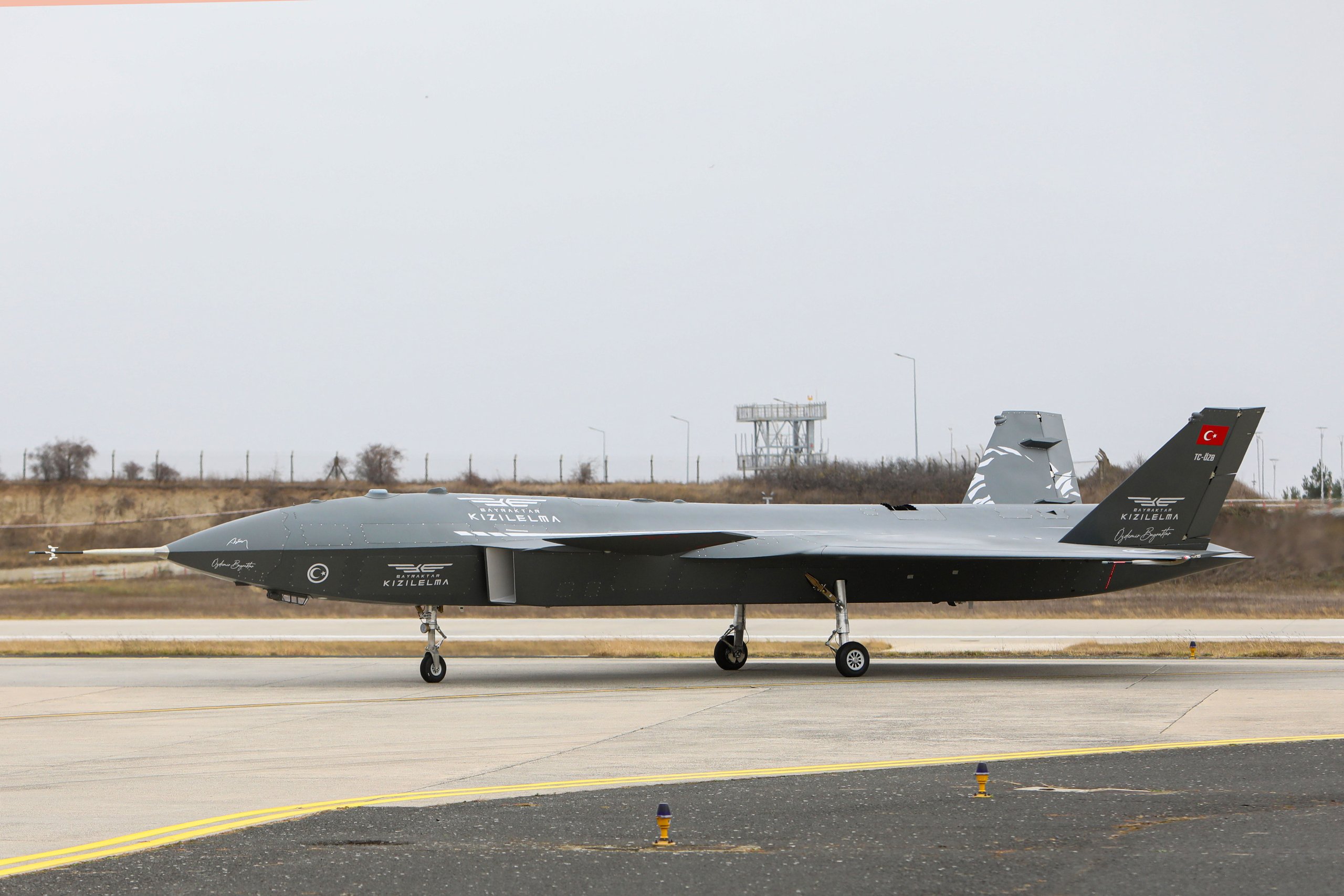
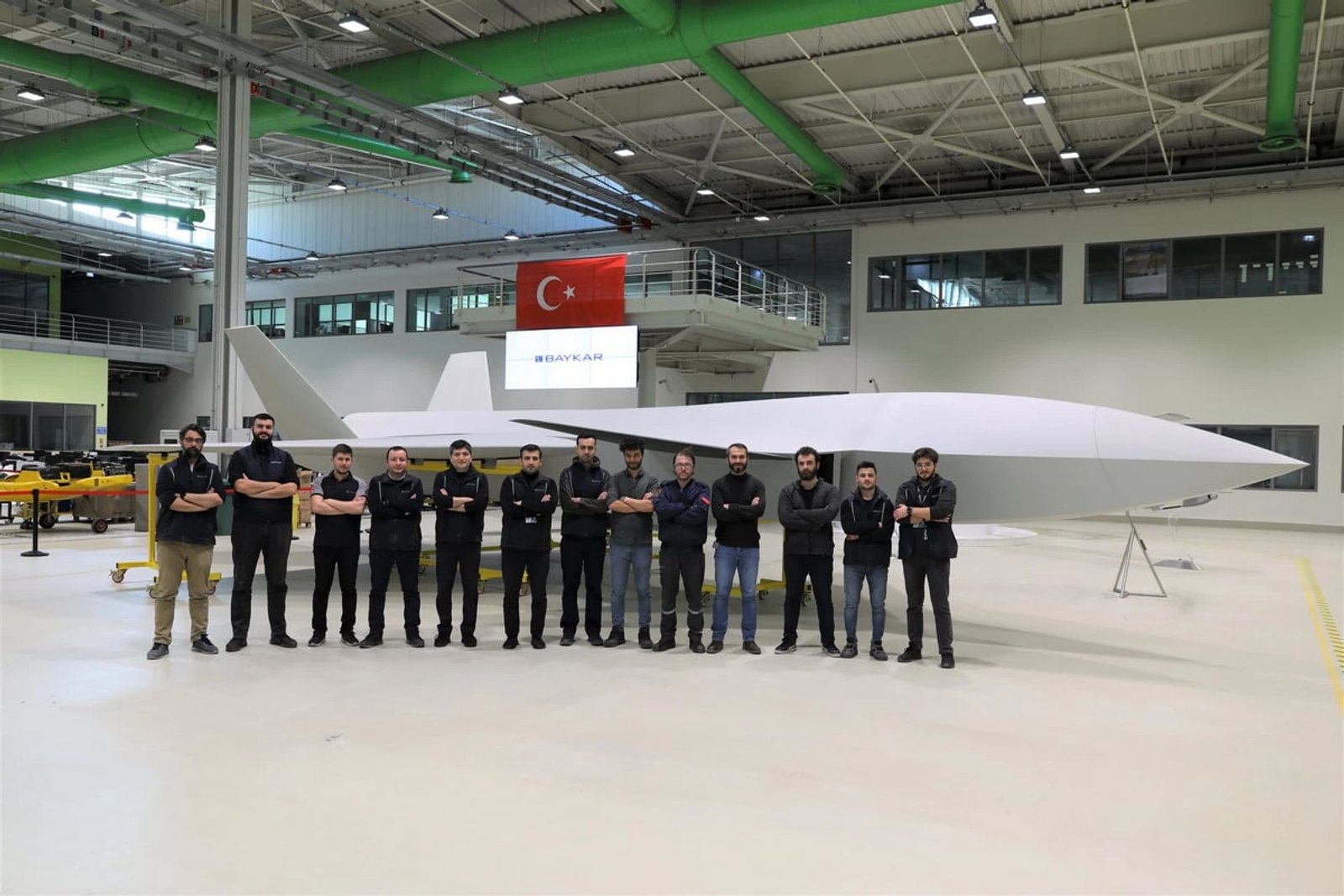
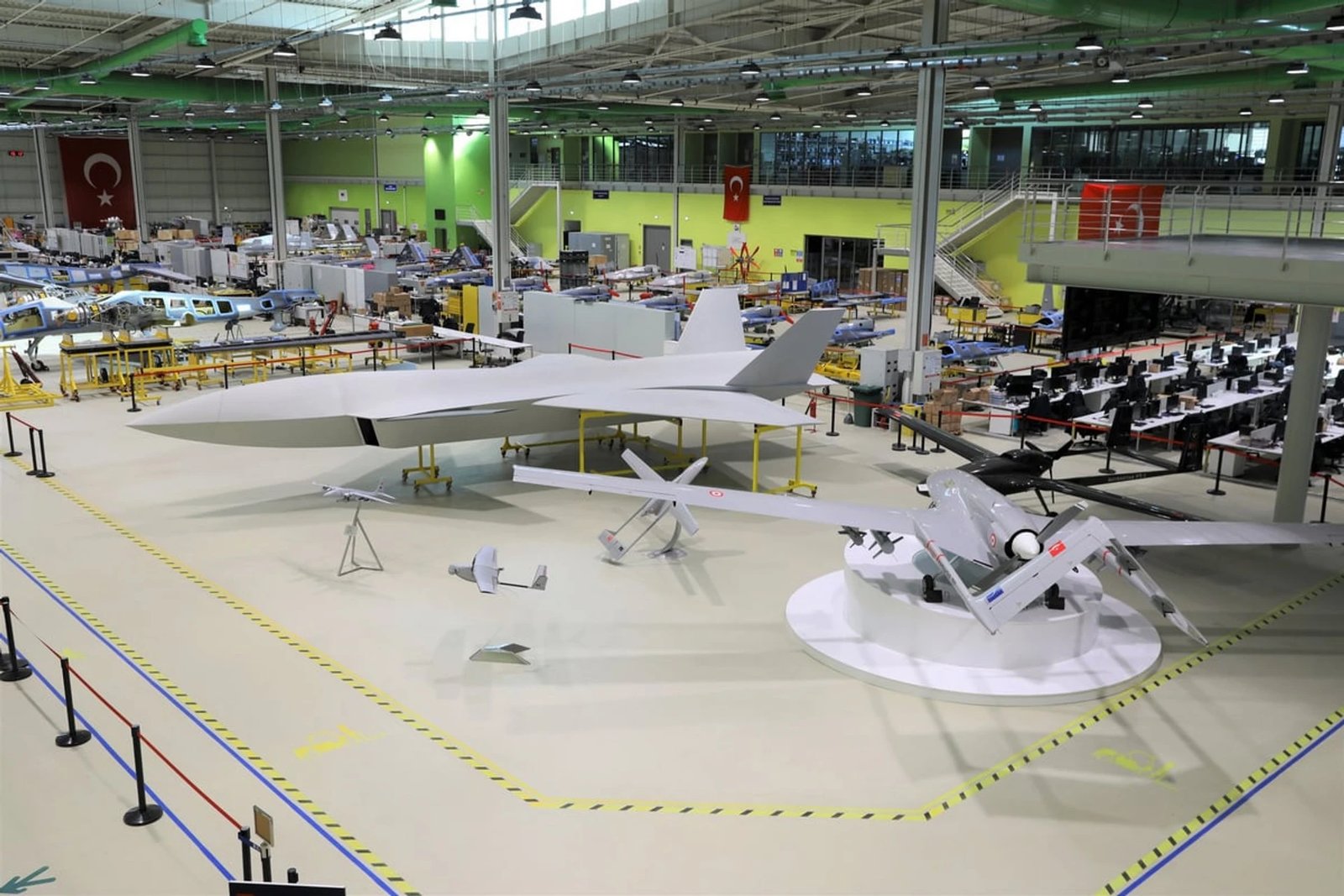
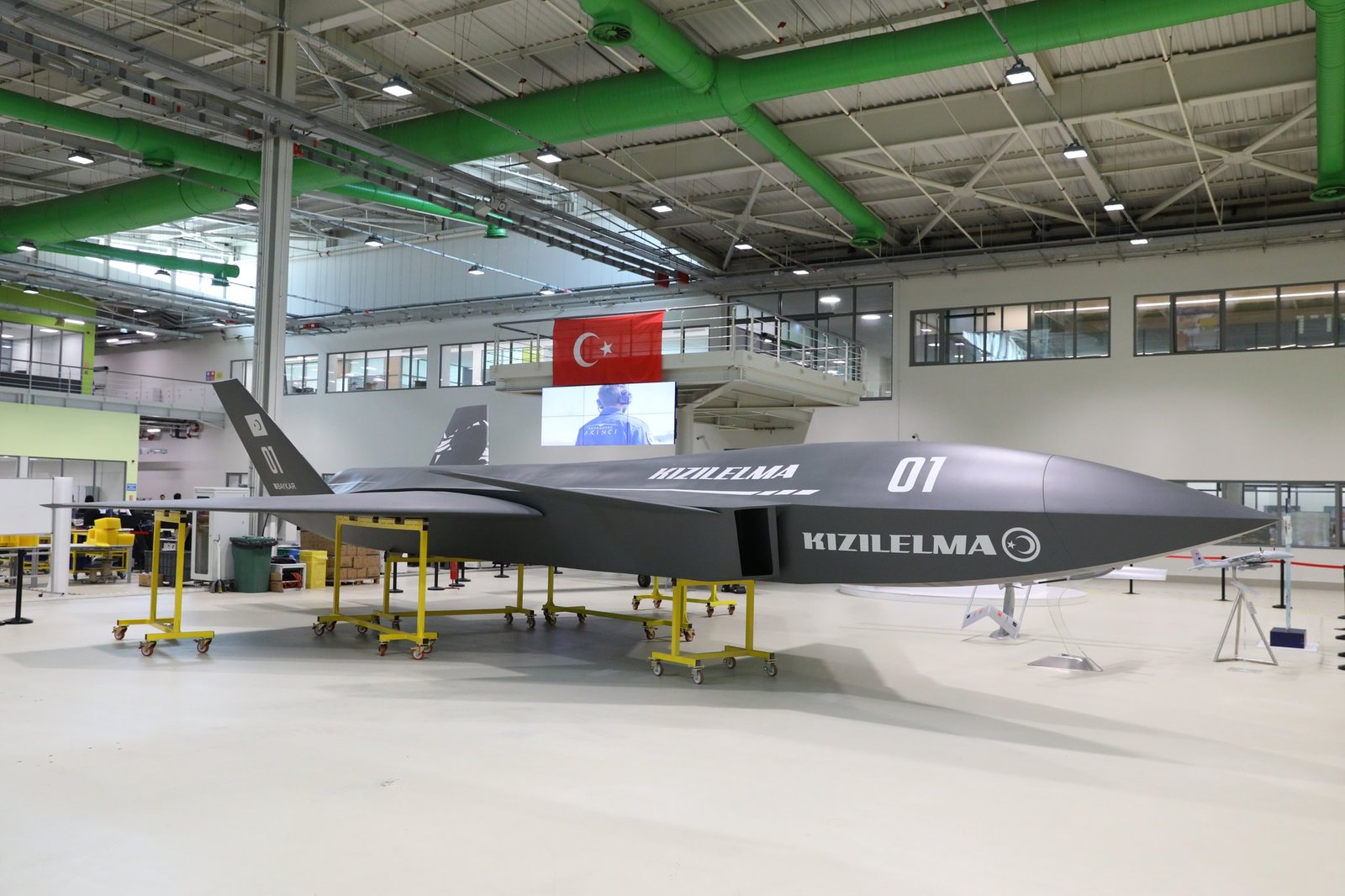
Photos: baykartech.com · oboronka.mezha.ua · gagadget.com · en.defence-ua.com
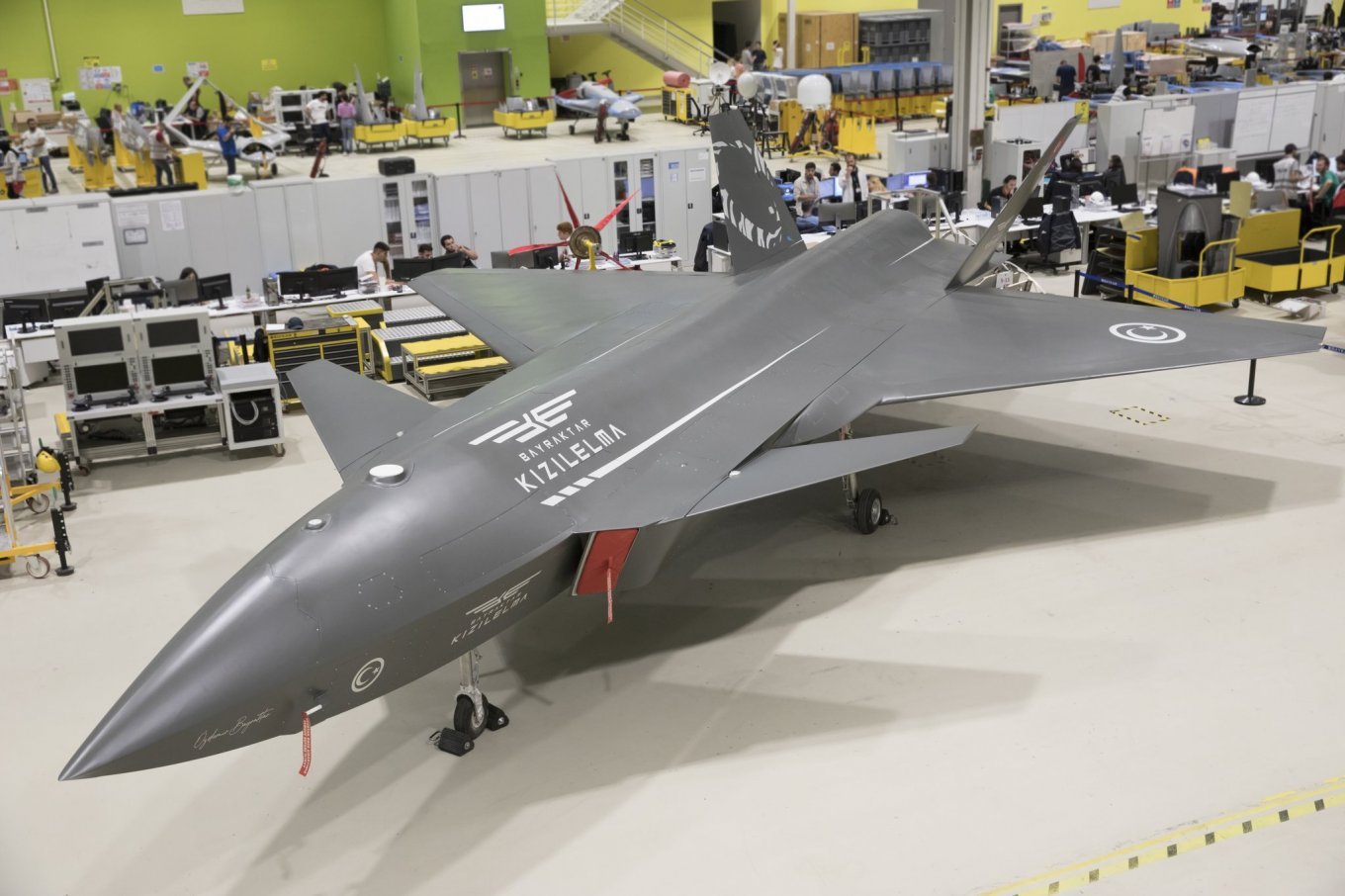
Baykar’s Kızılelma is a jet-powered unmanned combat aircraft developed in Türkiye as the country’s flagship loyal-wingman programme. The system made its first flight on 14 December 2022 from the company’s Çorlu test facility, putting Türkiye into the small group of nations flying autonomous fast-jet platforms. Baykar — already the global benchmark for export combat UAVs through the Bayraktar TB2 — designed the aircraft for short-takeoff operations from the TCG Anadolu, the Turkish navy’s amphibious assault ship, which lost its conventional fixed-wing air wing after Türkiye was removed from the F-35 programme.
The airframe leans on stealth-aware shaping, a V-tail empennage, and an internal weapons bay meant to preserve a low signature in air-to-air configurations. The first prototype, designated Kızılelma-A, flies on a Ukrainian Ivchenko-Progress AI-25TLT non-afterburning turbofan, while later variants are slated for the afterburning AI-322F (Kızılelma-B) and a twin-engine derivative (Kızılelma-C) targeting supersonic performance. Sensors are domestic: an AESA radar developed in Türkiye provides the air-to-air picture, and the autonomy stack is the Baykar flight-control architecture that already flies the Akıncı and the TB3. Quoted figures put endurance at five hours, ceiling at 35,000 feet, and top speed near Mach 0.9 in the current configuration.
In live-fire trials the aircraft has released both the Gökdoğan beyond-visual-range and Bozdoğan within-visual-range air-to-air missiles — Turkish-developed weapons originally built for the indigenous Hürjet and KAAN programmes — making Kızılelma the first uncrewed platform to fire either round. Tested stores also include the MAM-T precision-guided munition. The radar-and-missile combination is what separates the programme from the propeller-driven UCAVs that built the company’s reputation: Kızılelma is being engineered to fight other aircraft, not just hunt ground targets.
Türkiye’s armed forces are the launch operator. The navy’s interest is tied to carrier-deck integration aboard TCG Anadolu, where the system is intended to replace the cancelled F-35B air wing. Baykar has signalled export ambition from the outset; overseas customer announcements are expected to follow the same trajectory as the TB2, where foreign orders routinely outpaced domestic procurement. Selçuk Bayraktar, the company’s chief technology officer and the programme’s public face, has framed the aircraft as the generational pivot for Turkish unmanned aviation.
The system sits in a contested category — alongside Boeing’s MQ-28 Ghost Bat, the United States Air Force’s YFQ-42 and YFQ-44 collaborative combat aircraft, and China’s FH-97 — but it is the only one of those programmes built around carrier-deck operations from a ship that was never designed to fly fast jets.