K-MATE
Autonomous-control system for surface vessels — collision avoidance, mission execution, and remote-operations integration.
Softwareby Kongsberg MaritimeIntroduced 2020
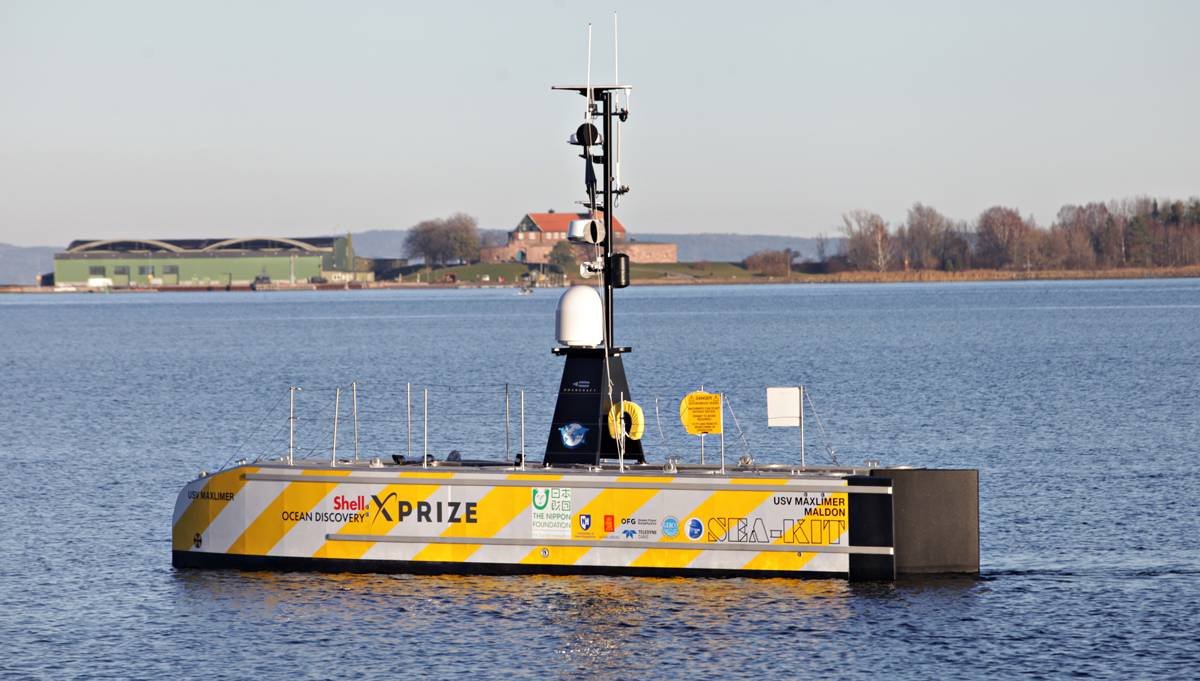
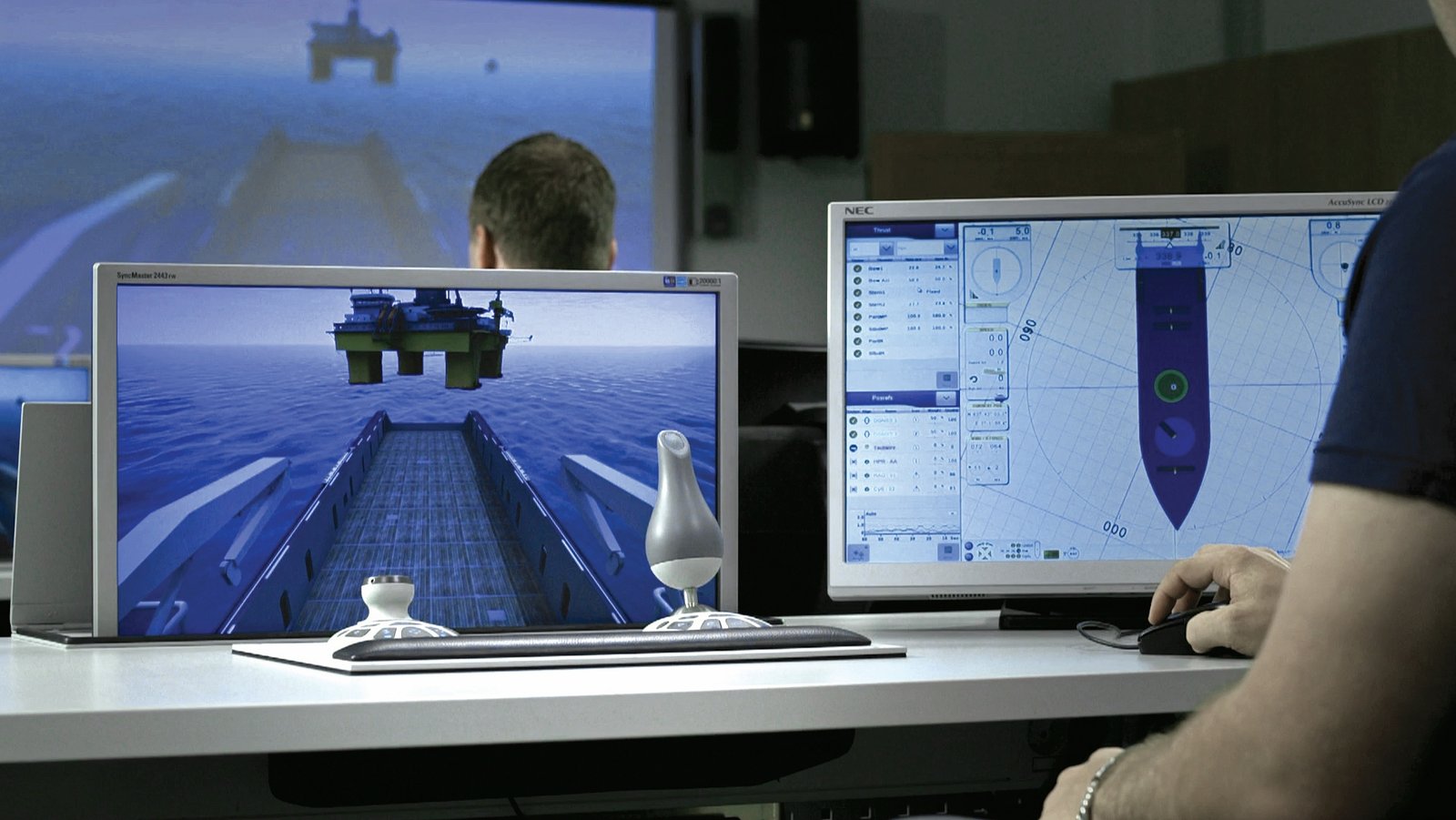
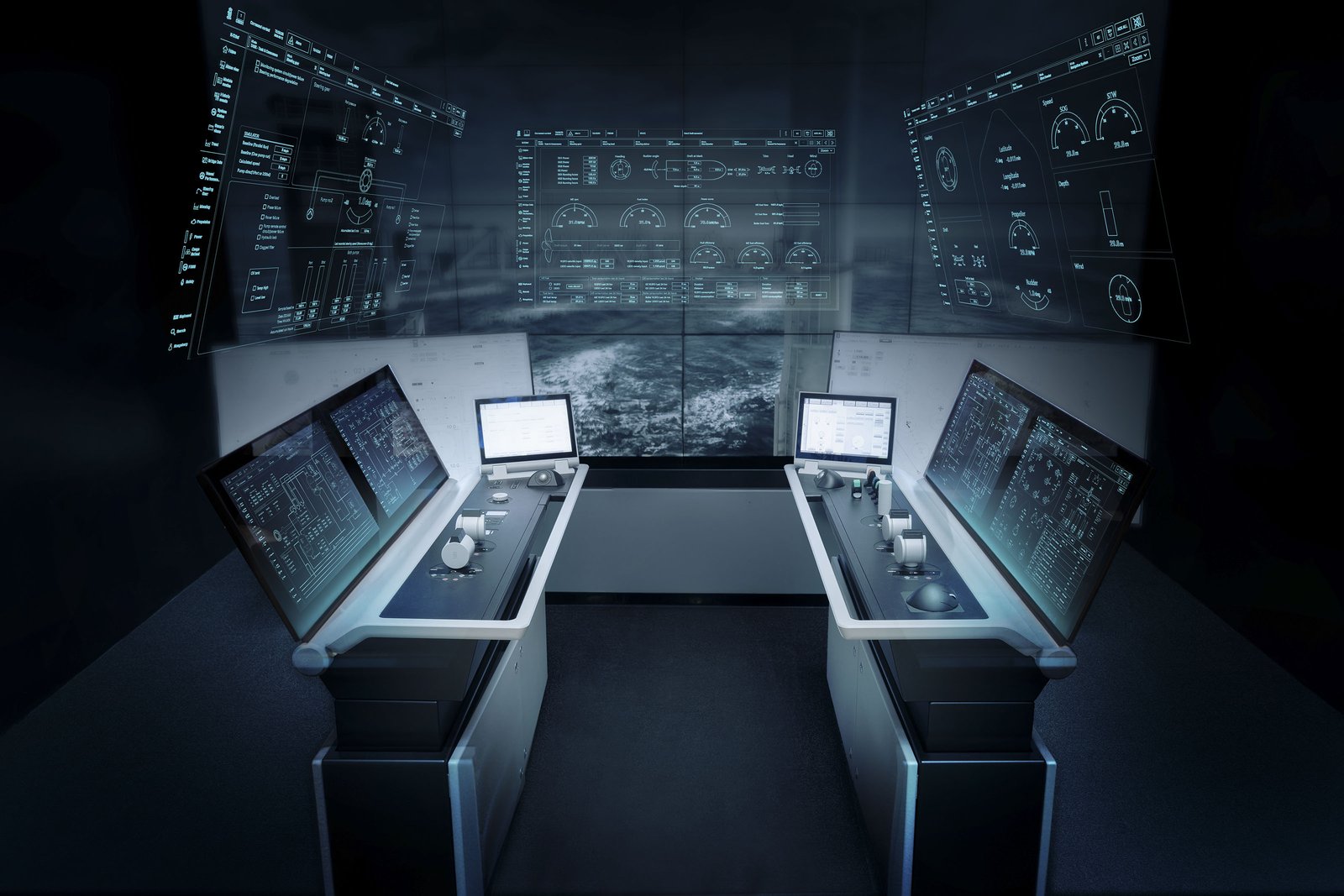
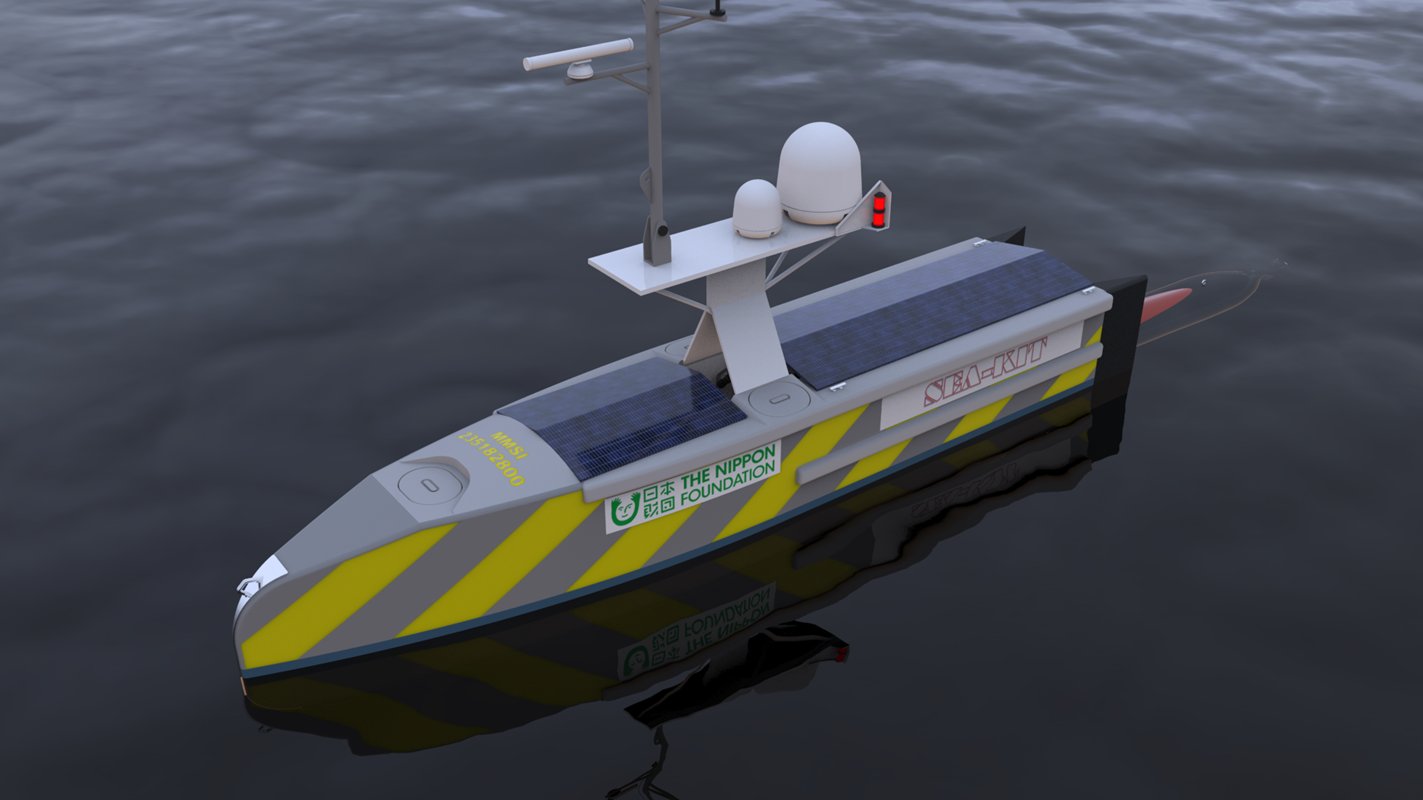
Photos: www.marinetechnologynews.com · smartmaritimenetwork.com · www.kongsberg.com
K-MATE is Kongsberg Maritime’s autonomous-control software for surface vessels, designed to handle navigation, mission execution, and the handover between onboard automation and shore-based supervisors. Introduced around 2020 as part of the Norwegian group’s broader push into uncrewed maritime operations, it sits alongside the company’s long-standing dynamic-positioning and sonar product lines and is intended to make any vessel — from harbour ferries to offshore support craft and naval auxiliaries — capable of operating with reduced or zero crew.
The autonomy stack is built around situational awareness and rule-compliant manoeuvring. K-MATE fuses radar, AIS, lidar and camera feeds with the vessel’s own GNSS and inertial inputs, then plans courses that respect the International Regulations for Preventing Collisions at Sea (COLREGs) — the body of right-of-way rules a human bridge officer is expected to follow. Where earlier autopilots simply held a heading, K-MATE classifies surrounding traffic, predicts encounters, and commands evasive turns or speed changes through the same Kongsberg dynamic-positioning interfaces that already drive much of the world’s offshore fleet. The system is engineered to hand control back to a remote-operations centre when its confidence drops, with operators able to take the helm from shore over a low-latency data link.
Most of K-MATE’s public deployments to date have been civilian. Kongsberg supplied the autonomous-navigation software for the container ship Yara Birkeland, which began trial operations on Norway’s southern coast and is intended to transition toward fully crewless service over a multi-year programme. The same stack underpins Massterly, the joint venture Kongsberg formed with shipping group Wilhelmsen to run autonomous vessels from a shore-based operations centre outside Horten. Smaller passenger-ferry pilots in Trondheim and elsewhere in Scandinavia have used variants of the technology.
The defence relevance lies in the architecture rather than in any fielded combatant. The remote-operations and COLREGs-aware autonomy that lets a 120-metre cargo ship sail itself along a fjord is the same software pattern naval planners need for crewed–uncrewed teaming on auxiliaries, for unmanned surface vessels operating in contested littorals, and for the growing class of optionally-crewed minehunters and patrol boats now being procured in Europe. Kongsberg has positioned the stack as a building block for these roles, and elements of it carry over into the company’s hydrographic and naval USV work, including the Sounder family of survey vessels that have been adapted for navy customers.
K-MATE is not a weapons system; it is the navigation and supervision layer that makes uncrewed surface operations practical. Its peers are the autonomy stacks fielded by Sea Machines, L3Harris ASView, and Israel Aerospace Industries — a small but rapidly expanding category as European navies look for cheaper hulls to plug their patrol gaps and as commercial operators chase the crew-cost savings that drove the Yara Birkeland concept in the first place.