iMUGS
European integrated Modular Unmanned Ground System programme led by Milrem, building a standardised UGV stack for EU armies.
systemby Milrem RoboticsIntroduced 2020
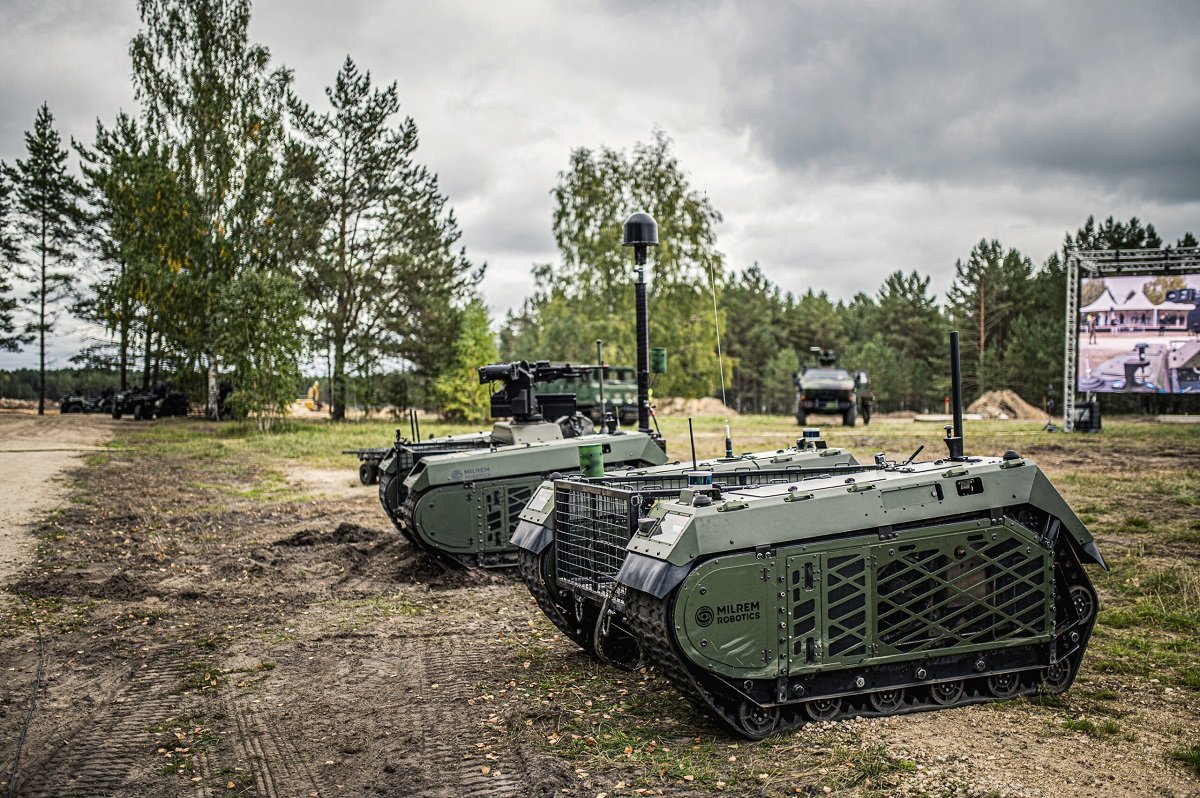
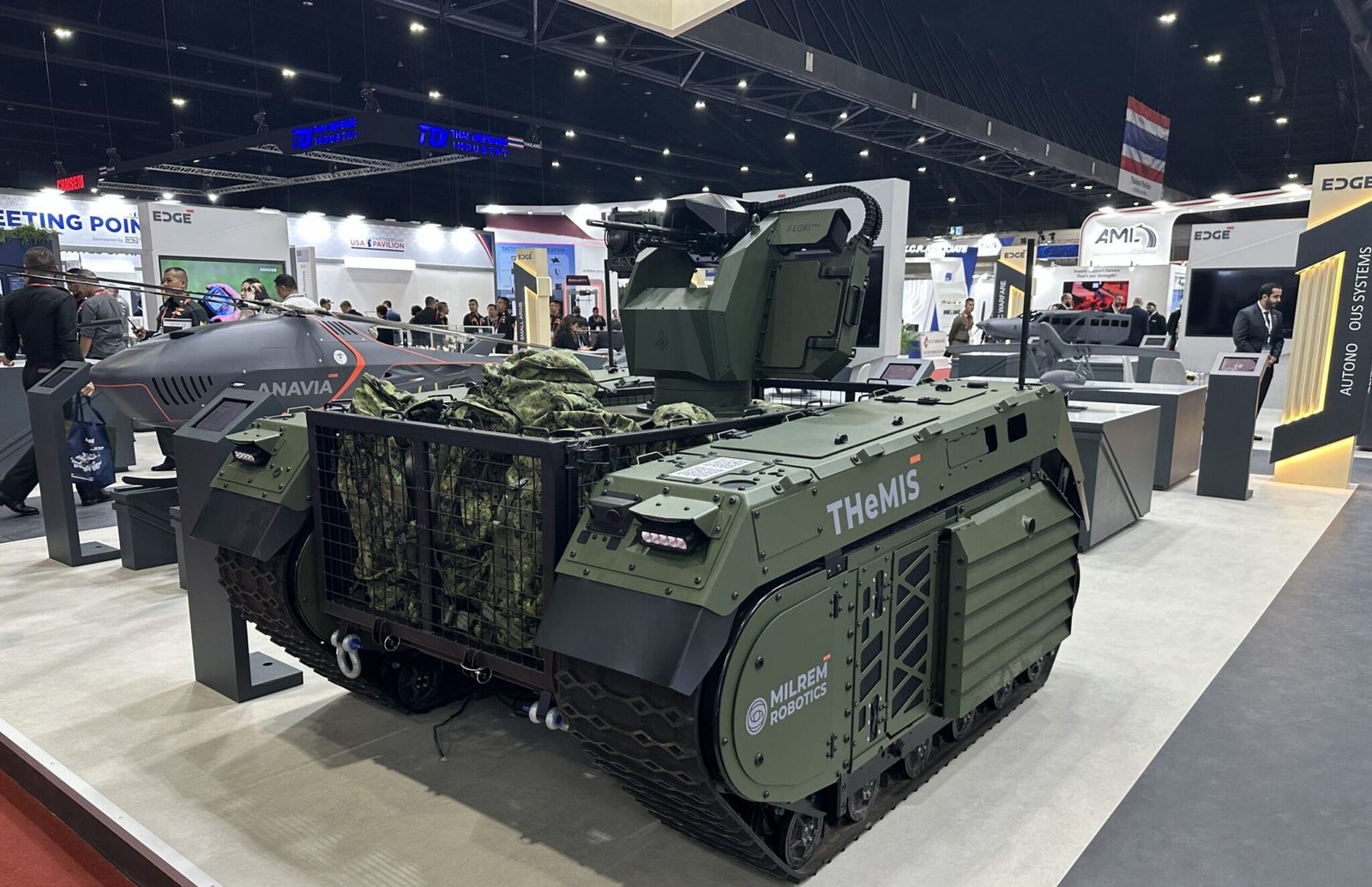
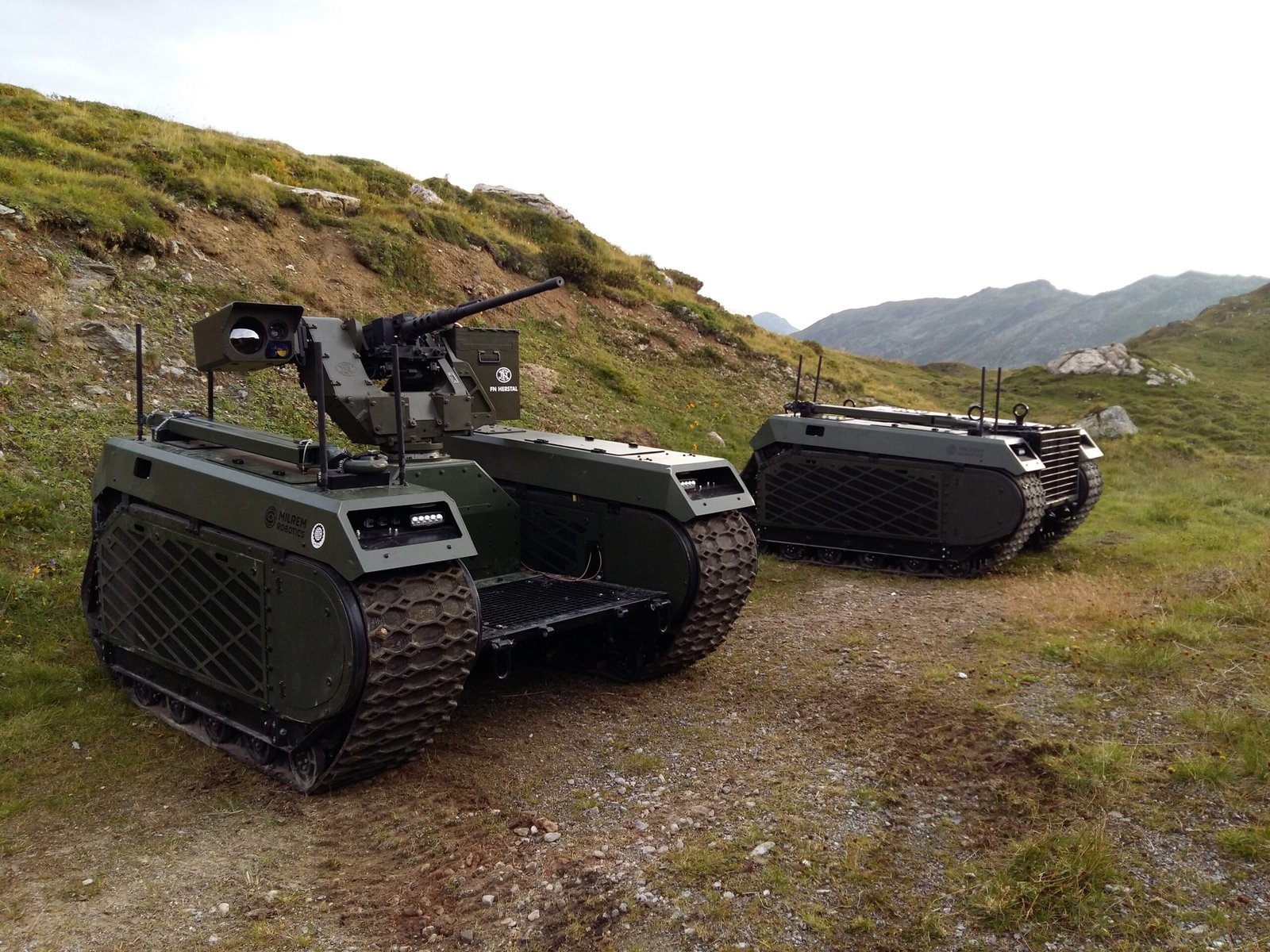
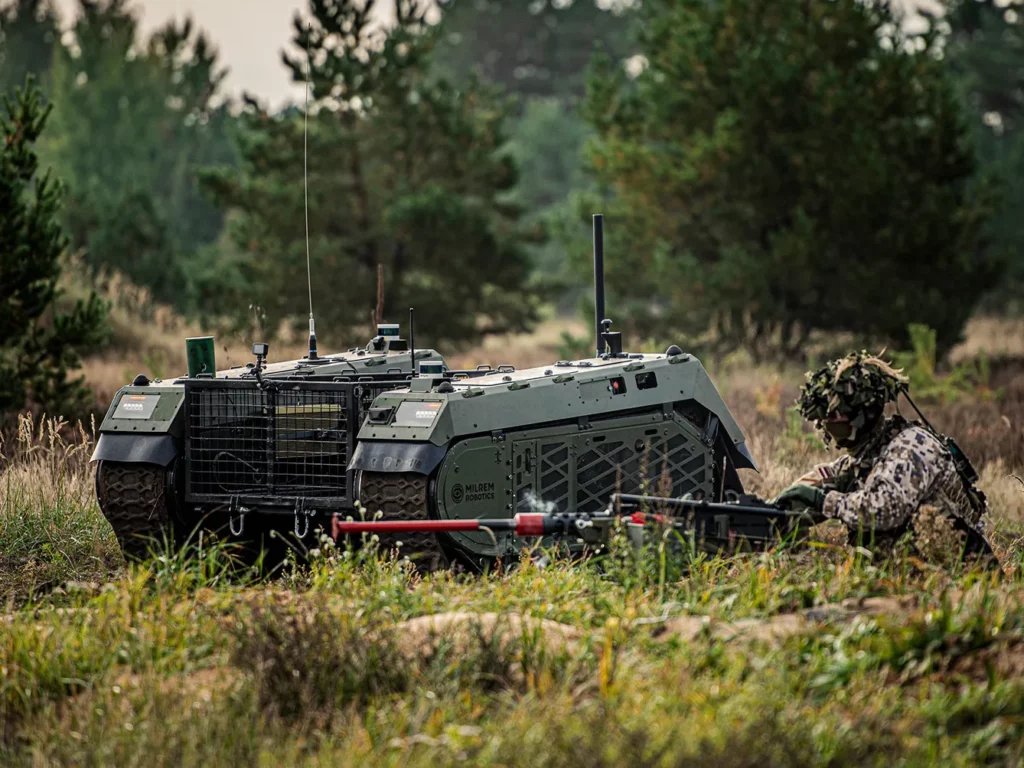

Photos: fragoutmag.com · milremrobotics.com · english.sdarabia.com · 3seaseurope.com · Milrem Robotics
iMUGS — the integrated Modular Unmanned Ground System — is a European Defence Fund programme that set out to give EU armies a shared technical baseline for ground robotics rather than a patchwork of incompatible national prototypes. Launched in 2020 with Milrem Robotics as consortium lead, it pulls together more than a dozen industry partners and seven member states around a single goal: define the architecture, communications stack, and payload interfaces a modular UGV needs in order to plug into a European brigade.
The programme is built on top of Milrem’s THeMIS tracked vehicle, which serves as the reference platform during the trials, but the deliverable is not a single robot. iMUGS produces the standards underneath — autonomy software, command-and-control links, sensor fusion, cyber-hardened communications — so that any compliant chassis from any consortium member can carry any compliant payload. Partners contribute pieces of that stack: Safran provides optronics and sighting systems, Krauss-Maffei Wegmann and Nexter contribute weaponised turrets, Diehl supplies effectors, Bittium handles tactical radios, and GT Cyber Technologies works the cyber-defence layer. Demonstrations have walked the system through reconnaissance, transport, casualty evacuation, and direct-fire missions, with particular attention to operating in degraded GPS and contested electromagnetic environments.
Funding has come in two tranches. The original iMUGS phase received roughly €32 million from the European Defence Industrial Development Programme between 2020 and 2023, and a follow-on iMUGS 2 award of around €48 million from the European Defence Fund continues the work into the second half of the decade. The participating states — Estonia, Finland, Germany, France, Spain, Belgium, and Latvia — have hosted live exercises in their own training areas, letting national armies stress the system in their own terrain and doctrine. Estonian forces have been the most consistent users in the field, which fits given Milrem’s home base and the country’s broader push to integrate uncrewed ground systems into its Defence Forces.
What makes iMUGS distinctive is less the hardware than the politics. Most UGV procurements until now have been bilateral or national, leaving every army with its own software stack and its own logistics tail. iMUGS is the first serious European attempt to fix that at the architecture level, and the standards it produces are intended to feed directly into EU and NATO interoperability frameworks. Whether that translates into shared procurement at scale will depend on the next round of national budgets, but the technical groundwork — and the supplier base willing to build to it — is now in place.