Homing FPV
FPV strike drone with computer-vision terminal homing — the operator locks the target, the drone completes the final approach autonomously, surviving last-mile EW jamming.
Droneby Vyriy DroneIntroduced 2025
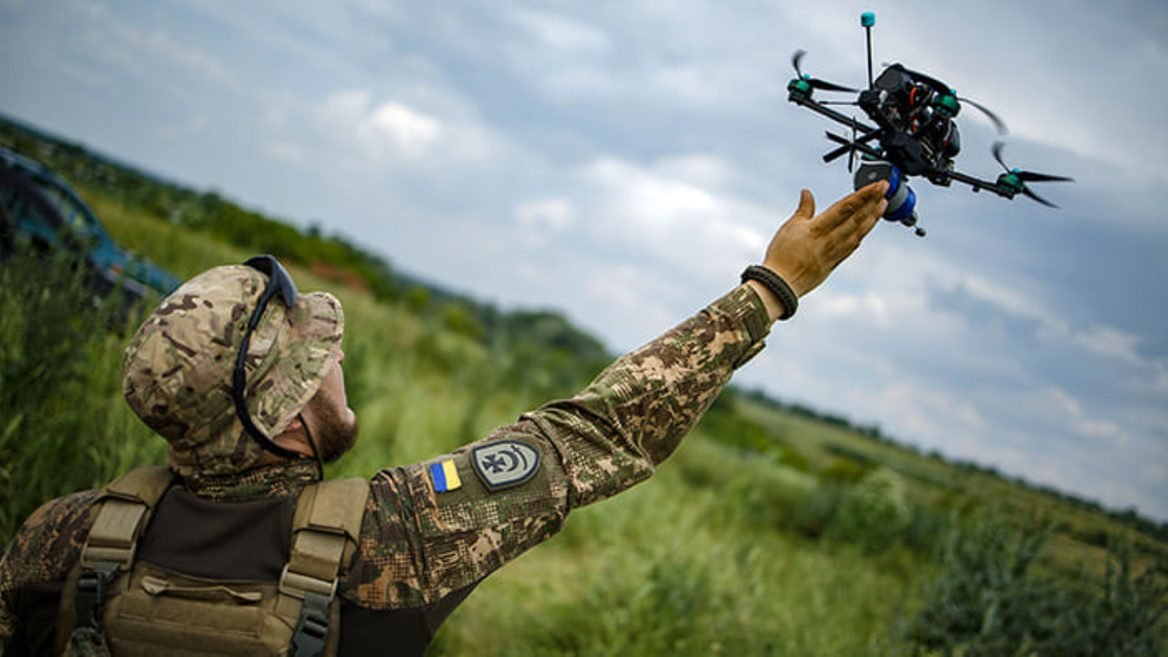
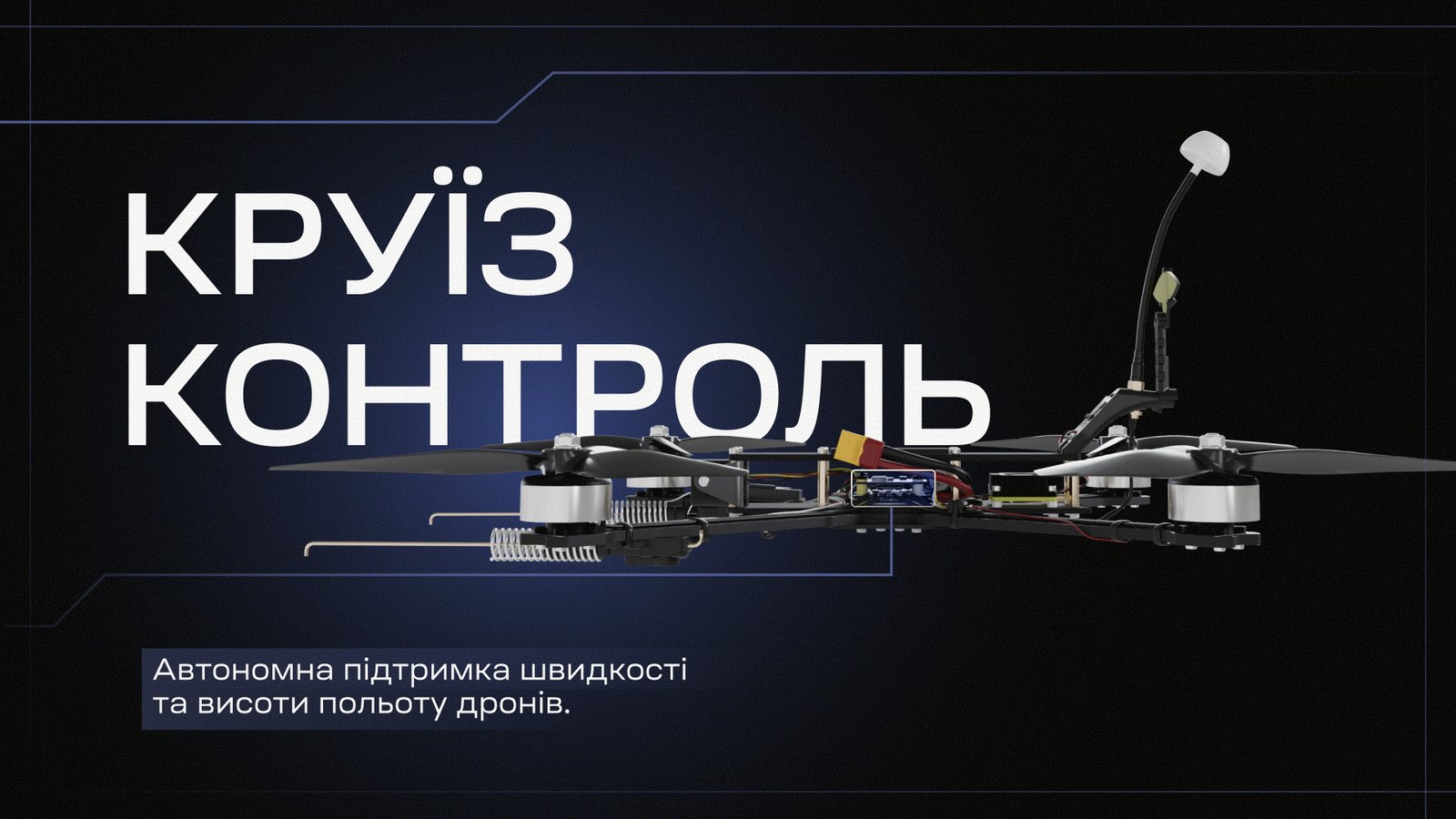
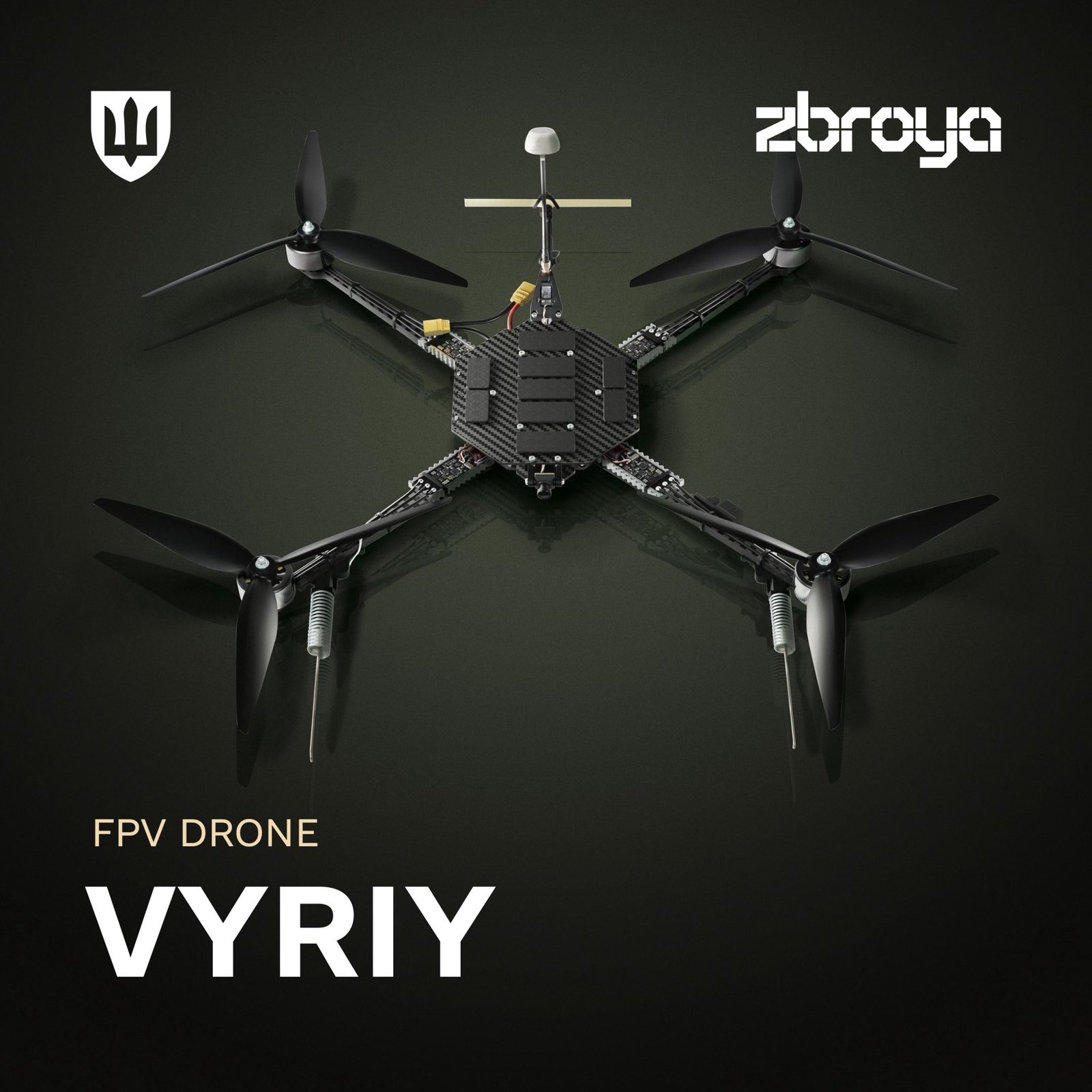
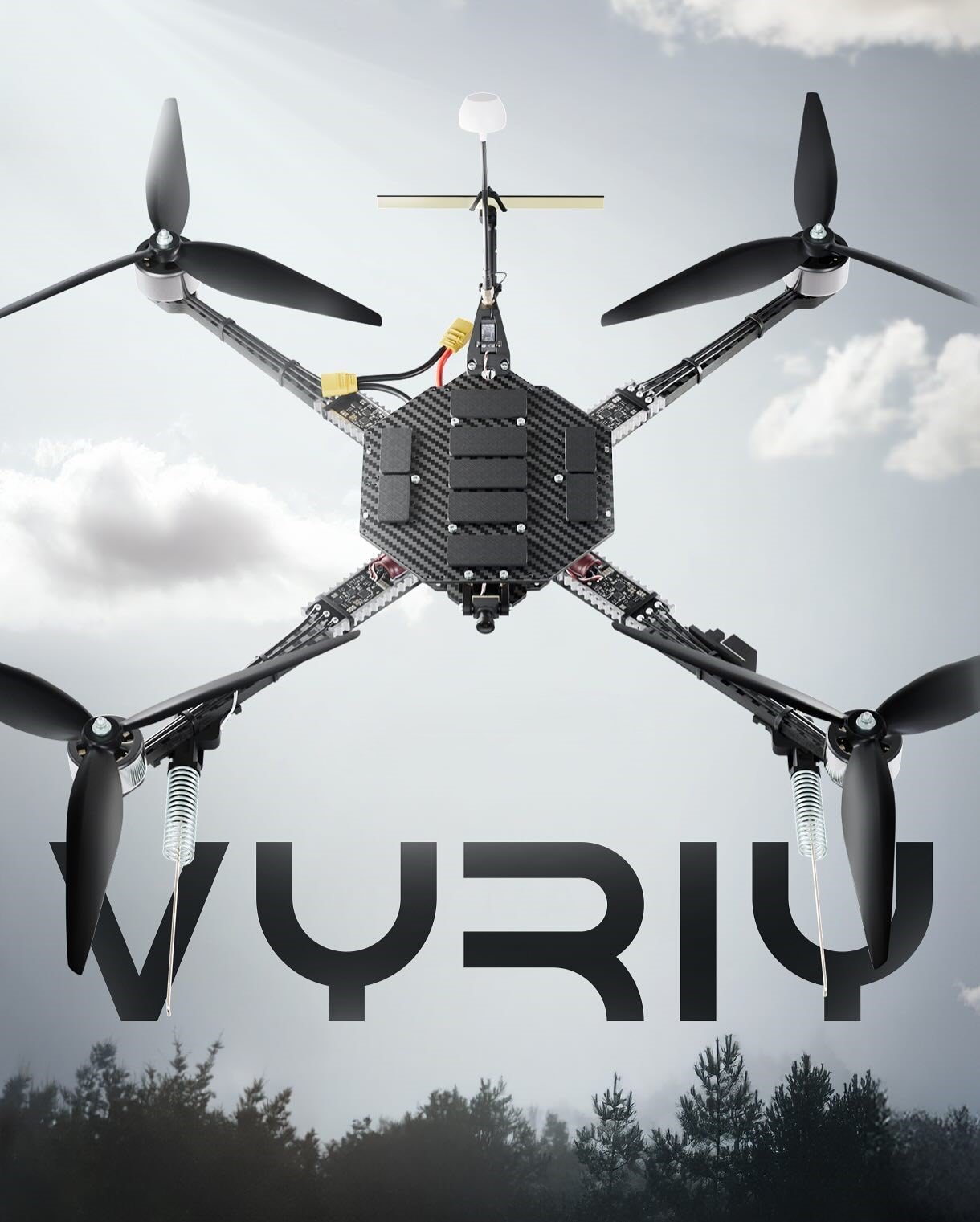
Photos: dev.ua · militarnyi.com · insideunmannedsystems.com · bavovna.ai · aeronaut.media
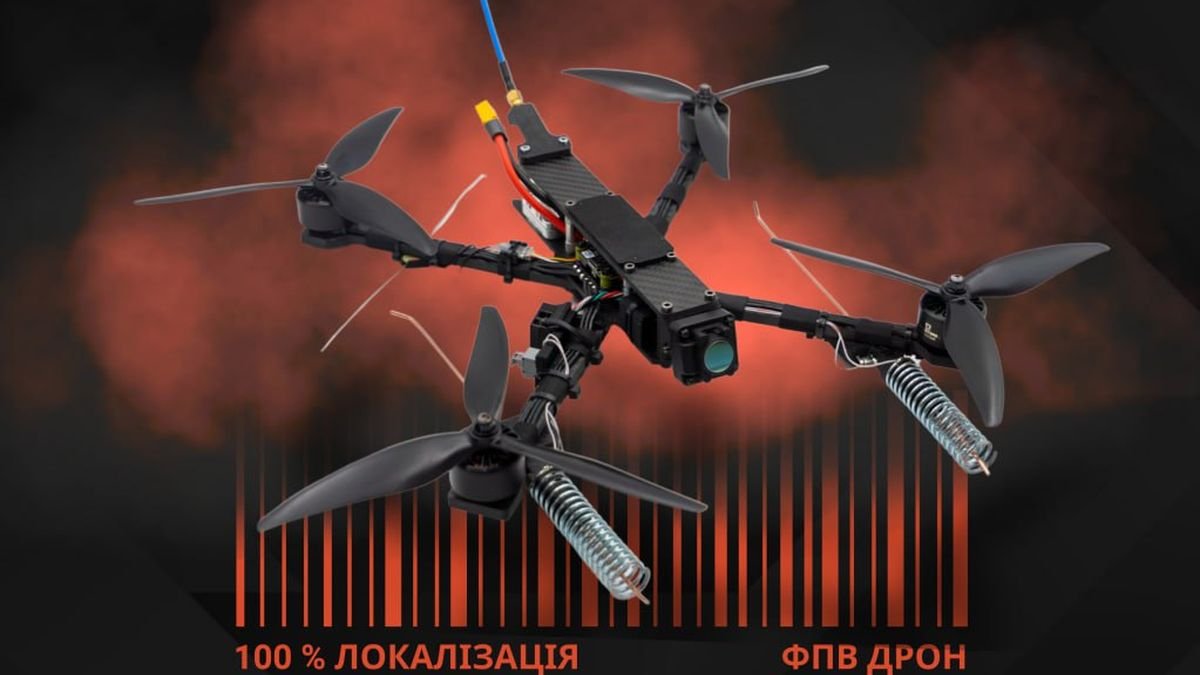
Homing FPV is a first-person-view strike drone built by Vyriy Drone, a Ukrainian airframe manufacturer that markets itself as the country’s first fully domestic FPV maker. The system pairs Vyriy’s standard quadcopter platform with an onboard machine-vision module that takes over the final seconds of the engagement: the pilot identifies a target through the goggles feed, locks it with a button press, and the drone holds the bounding box in its tracker and continues toward the point of impact even if the radio link is severed. It entered Ukrainian service in 2025 as one of several terminal-homing solutions fielded along the eastern front.
The architecture follows a pattern that has spread across the Ukrainian FPV scene under intensifying Russian electronic-warfare pressure through 2024 and 2025. Standard analog-video FPVs are at their most vulnerable in the last few hundred metres of approach — exactly the moment when the pilot most needs clean video to put a warhead on a specific point of a vehicle. The Vyriy module side-steps the problem by moving the final guidance step onto the airframe. A small computer-vision processor, fed by the same camera the pilot uses, watches the locked region of the frame, runs object tracking, and pushes steering commands into the flight controller. Once locked, the drone does not need further input from the operator; it only needs to keep the target centred and dive.
The operator base is the Armed Forces of Ukraine and the volunteer drone units that buy directly from manufacturers. Vyriy has not published deployed-unit counts for the homing variant, but the company is one of the airframe makers contracted under Ukraine’s domestic drone-procurement programme that scaled sharply through 2024 and into 2025. Homing FPV kits have been shown in operator footage engaging armoured vehicles, infantry shelters, and parked aircraft in occupied territory; the platform is combat-tested in the sense that any Ukrainian-issued FPV is combat-tested — there is no peacetime trial period.
Vyriy positions the Homing FPV as part of a broader push to build the entire FPV stack inside Ukraine, from frames through flight controllers to autonomy modules, reducing dependence on Chinese components. It sits alongside similar terminal-homing offerings from other Ukrainian developers, all converging on the same architecture: keep the human in the targeting decision, but hand the last hundred metres to software. In a war defined increasingly by who jams whom on the final approach, that handover is the capability that decides whether the round arrives.