HISAS
High-resolution interferometric synthetic aperture sonar enabling automated mine detection at standoff range from AUVs.
Hardwareby Kongsberg MaritimeIntroduced 2007
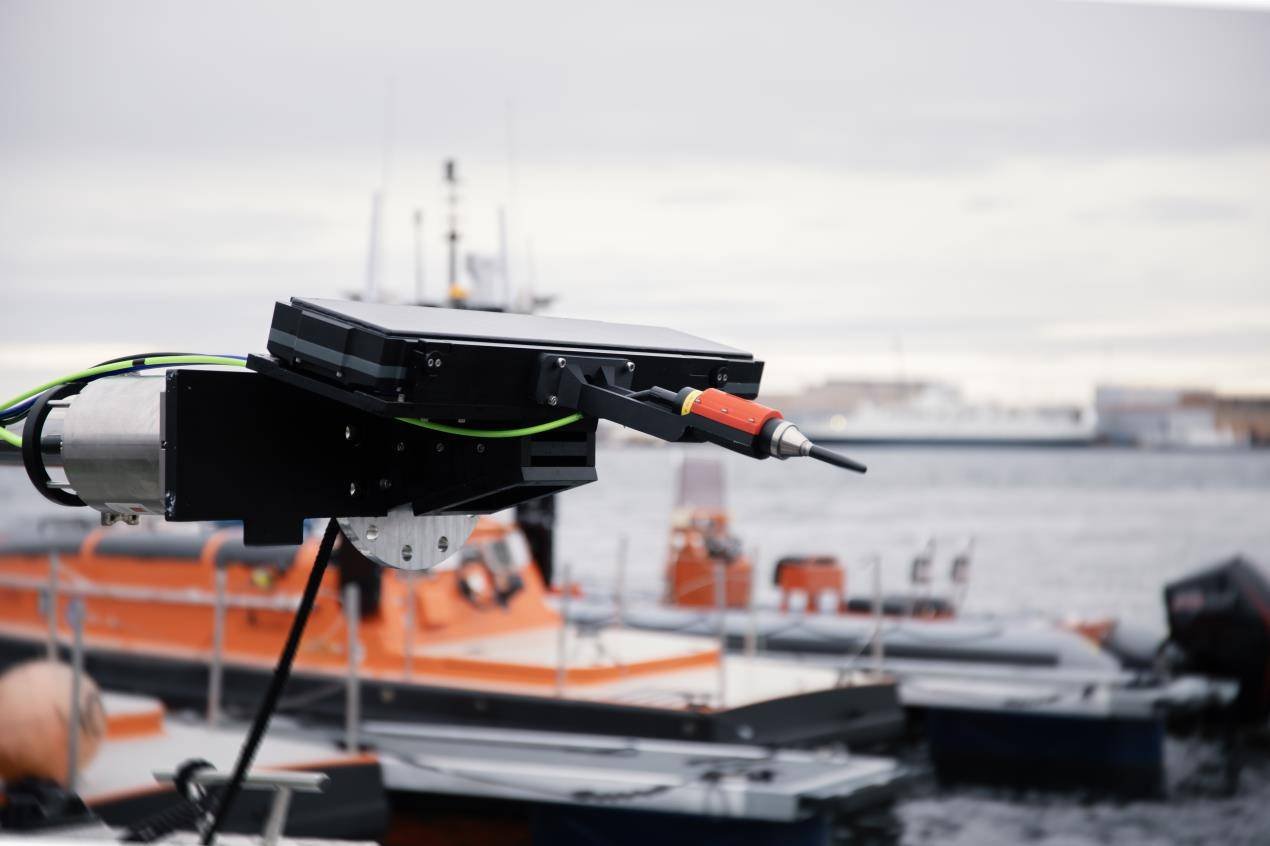

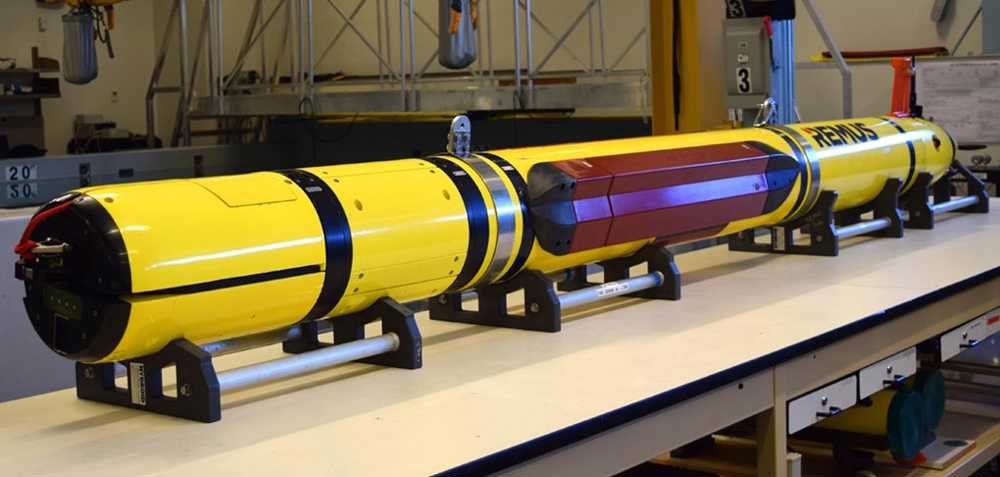
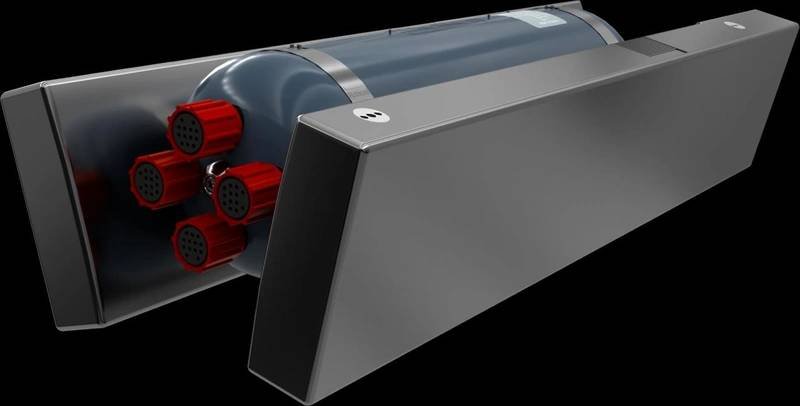
Photos: www.marinetechnologynews.com · Kongsberg Maritime · smartmaritimenetwork.com · www.kongsbergmaritime.com
HISAS, short for High-resolution Interferometric Synthetic Aperture Sonar, is a side-scan sonar payload developed by Kongsberg Maritime for autonomous underwater vehicles working in mine countermeasures and seabed survey. It entered operational service around 2007 aboard the HUGIN family of AUVs, where it replaced conventional side-scan sonars that forced a trade-off between range and resolution. Its operational niche is straightforward: locate small bottom objects — sea mines, unexploded ordnance, debris — at standoff distance from the vehicle, then hand the contacts to an operator ashore for classification.
The technical heart of the system is synthetic aperture processing. A conventional sonar’s resolution is fixed by the physical length of its array; a synthetic aperture sonar coherently combines pings as the platform moves, building a virtual aperture tens of metres long. The result is roughly 5 cm along-track resolution maintained across the full 200 m swath on each side of the vehicle — resolution that does not degrade with range, which is the property that matters when the goal is to cover seabed quickly. The interferometric arrangement uses vertically separated receiver staves to extract bathymetry in the same pass, so each survey line produces co-registered high-resolution imagery and a depth map. The processed product feeds an automated target recognition pipeline that flags mine-like contacts for the operator, reducing the volume of imagery a human has to review. HISAS is tightly integrated with the HUGIN navigation and acoustic communications stack, which is what makes the data trustworthy enough to act on without recovering the vehicle.
Norway has been the anchor operator from the start, with the Royal Norwegian Navy fielding HUGIN AUVs equipped with HISAS through its mine warfare units. The United Kingdom has acquired the system as part of the Royal Navy’s Mine Hunting Capability programme, the Anglo-French effort to move mine countermeasures off the legacy Hunt and Sandown-class hulls and onto autonomous platforms operated from motherships and shore containers. Other NATO navies have taken HUGIN-HISAS combinations for survey and ordnance-clearance work, and the system has been used in commercial seabed mapping and search operations — the recovery of wreckage and aircraft black boxes in deep water is a recurring civilian application.
Development has continued in step with the HUGIN line. Successive generations have widened the swath, sharpened the processing chain, and extended endurance on the host vehicle, with the HISAS 1032 variant now the production baseline. The system competes most directly with Thales’s SAMDIS and a handful of US synthetic aperture sonars on Bluefin and Knifefish platforms, but its head start and its integration with a mature autonomous host have kept it the reference design for European mine-countermeasures autonomy.