Products Israel Aerospace Industries
Harpy
Anti-radiation loitering munition that autonomously detects, tracks and destroys radar emitters.
Missile / loitering munitionby Israel Aerospace IndustriesIntroduced 1989


Photos: www.iai.co.il · www.navalnews.com · israelnoticias.com · odin.tradoc.army.mil
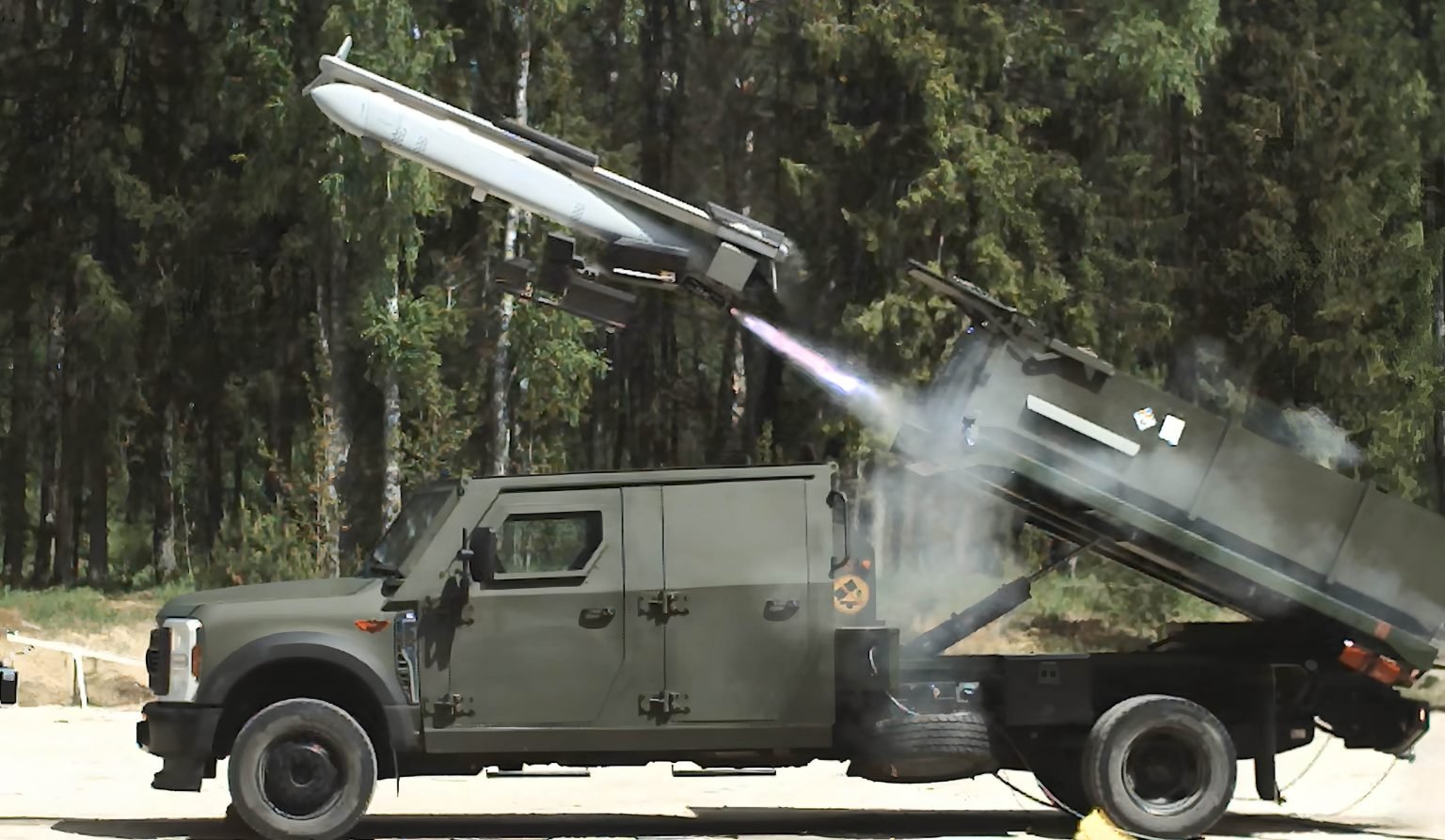
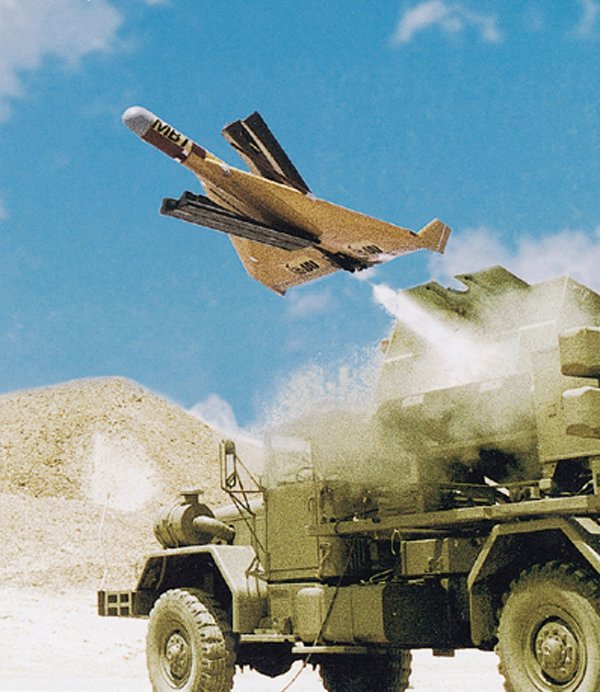
The Harpy is an anti-radiation loitering munition built by Israel Aerospace Industries, the state-owned prime that has been iterating the platform since the late 1980s. It entered service in 1989 and was, in its original form, one of the first weapons to combine the persistence of a drone with the terminal effect of a missile — a single-use airframe that loiters over a target area, listens for hostile radar emissions, and dives onto the emitter when one is detected. The weapon is launched in salvos from sealed canisters mounted on a truck, with no runway or recovery infrastructure required.
At the heart of the system is a passive radio-frequency seeker that scans across a broad band associated with ground-based air-defence radars. Once an emitter matching a stored library is acquired, the autopilot turns the airframe into a terminal dive and detonates a 32-kilogram fragmentation warhead on impact. Range is roughly 500 kilometres and endurance around nine hours, which lets a single Harpy patrol a wide engagement box well beyond the reach of the air-defence battery it is meant to kill. Crucially, the engagement loop is closed onboard: there is no man-in-the-loop strike command and no requirement for a continuous data link, which is what makes Harpy a recurring reference point in debates about autonomous weapons.
Israel has fielded the system since the Cold War’s final years, and exports have been substantial. China bought the original Harpy in the 1990s and later sent airframes back to Israel for an upgrade, an episode that became a flashpoint in US–Israeli defence relations and led to tightened export controls on the line. India, Turkey, and South Korea operate it as well; Turkey integrated Harpy into its Suppression of Enemy Air Defences inventory before pivoting to domestic loitering munitions. The follow-on Harop, also from IAI, replaces the pure radar-homing seeker with an electro-optical sensor and a man-in-the-loop option, which gives an operator the choice to abort or re-target — a meaningful change in autonomy posture rather than just a sensor swap. Harop has since seen combat in Nagorno-Karabakh and elsewhere, and the two systems are typically marketed together.
Harpy’s longevity owes more to its niche than to any single recent upgrade. It remains one of the few Western-aligned, export-cleared loitering munitions purpose-built for radar suppression, and it sits at the older, more autonomous end of a category that has since exploded in size — from short-range tactical munitions like the Switchblade to long-range strategic systems coming out of Russia, Iran, and a growing list of domestic European programmes. In that landscape Harpy is the elder of the family, and the reference point against which most newer anti-radiation loitering weapons are still measured.