Products General Atomics Aeronautical Systems
MQ-1C Gray Eagle
US Army's organic MALE UAV, derived from Predator with extended endurance and Army-specific payloads.
Droneby General Atomics Aeronautical SystemsIntroduced 2009
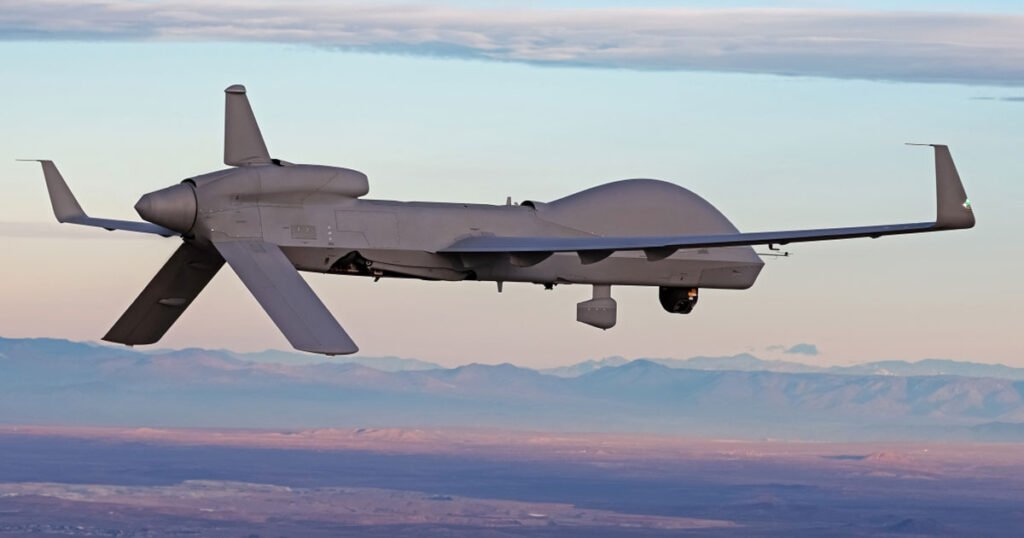
Photos: thedefensepost.com · vortexxmag.com · www.twz.com · US Army · www.unmannedsystemstechnology.com
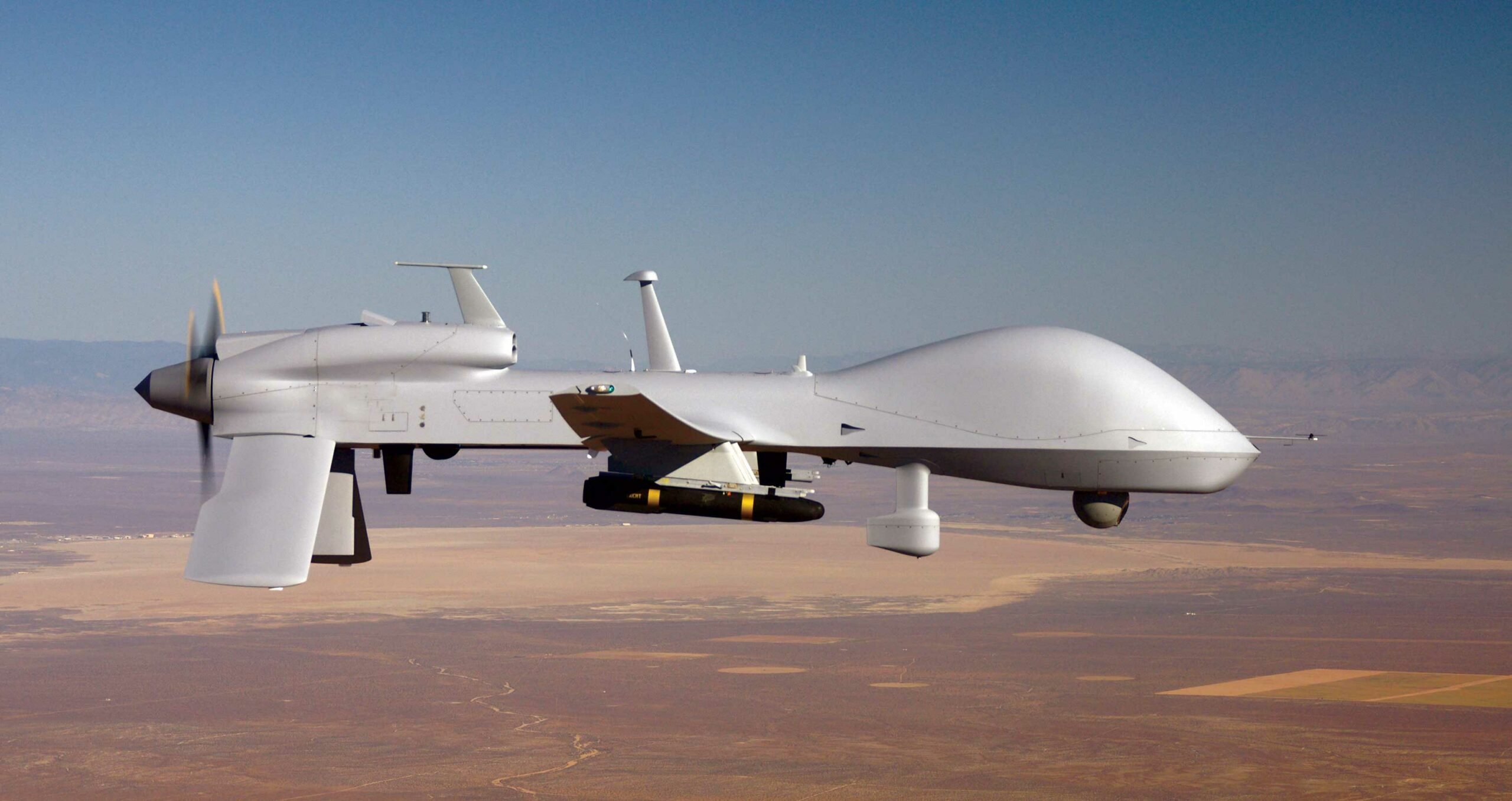
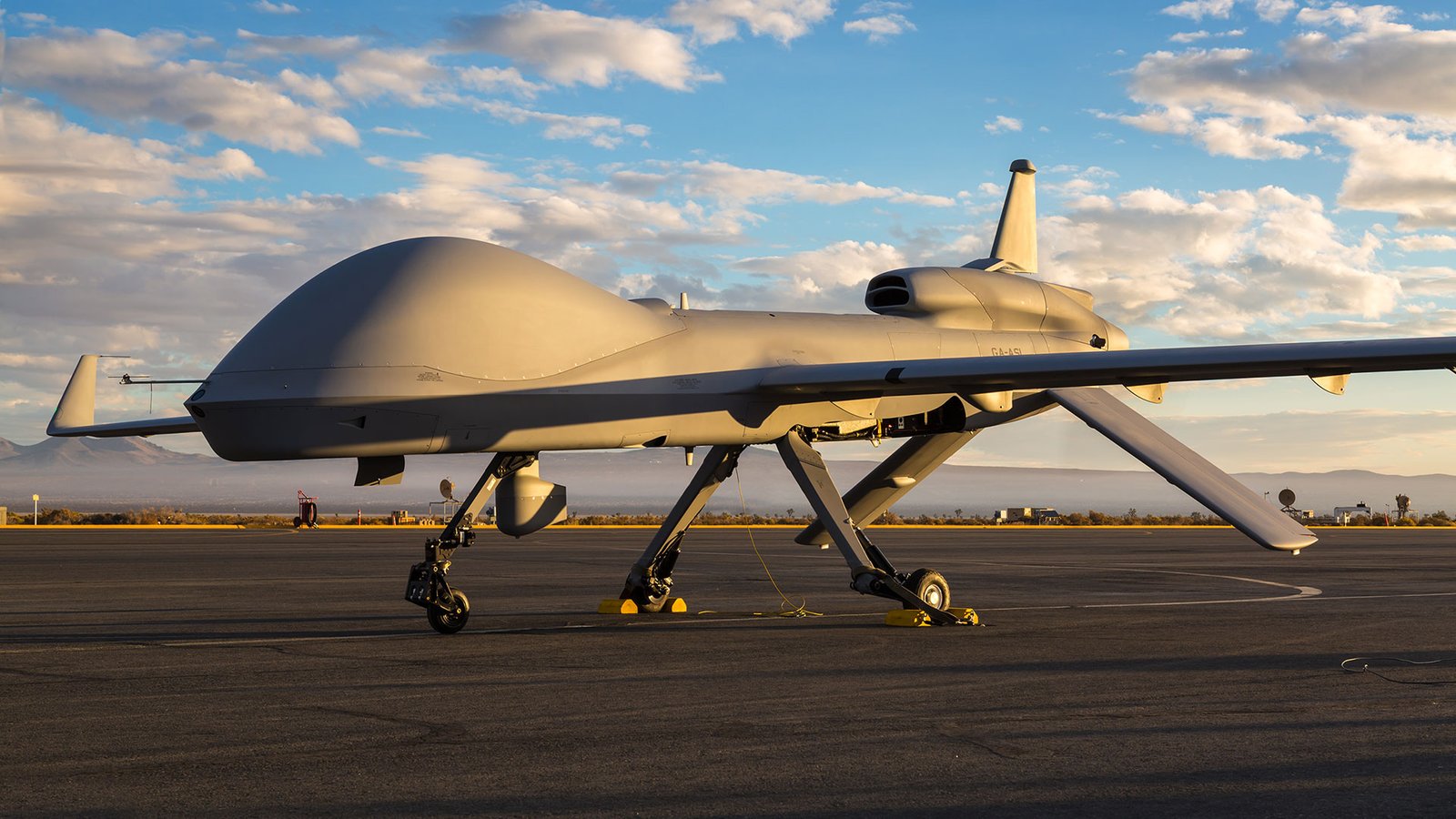
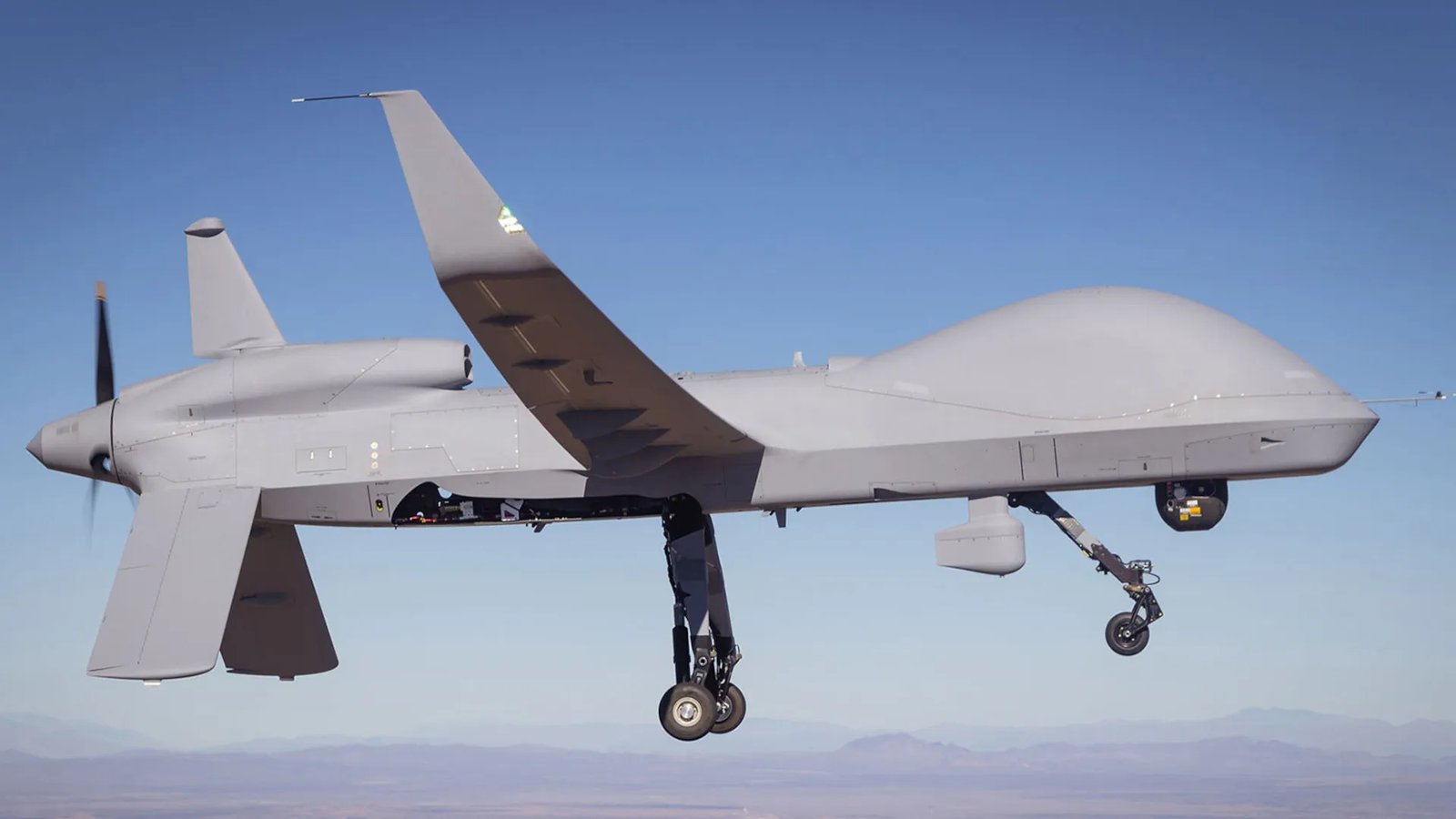
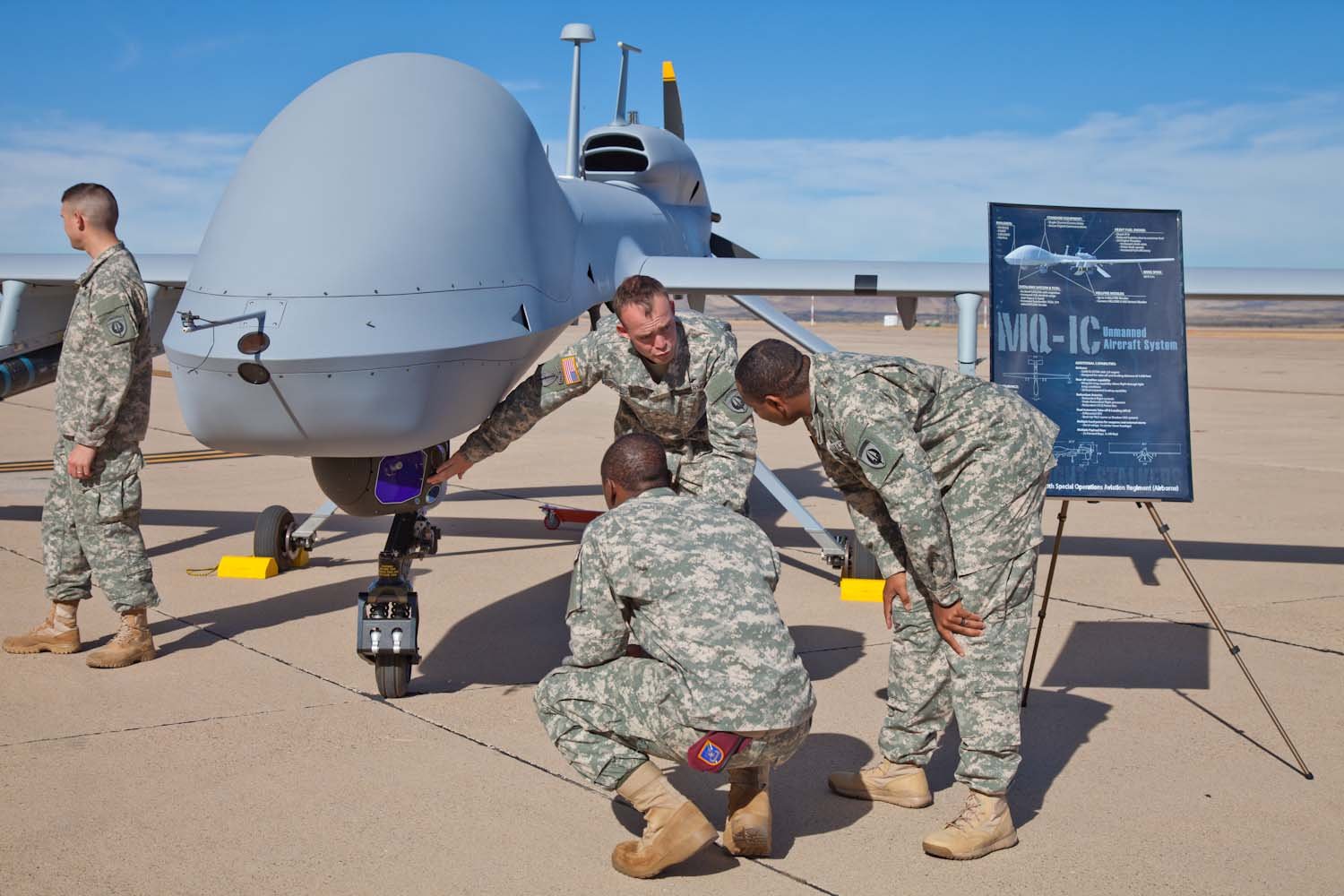
The MQ-1C Gray Eagle is the US Army’s organic medium-altitude long-endurance unmanned aircraft, built by General Atomics Aeronautical Systems as an Army-tailored evolution of the Air Force’s Predator. Development began in the mid-2000s under the Extended-Range Multi-Purpose programme, and the type entered service in 2009 with the 1st Battalion, 227th Aviation Regiment. Where the Predator was an Air Force asset flown out of theatre-level operations centres, Gray Eagle was specified to give a divisional Army commander his own armed reconnaissance aircraft — twelve airframes per company, controlled by Army operators close to the supported brigade.
The aircraft is a heavier, longer-legged airframe than the Predator it descends from. A Thielert Centurion heavy-fuel diesel replaces the Predator’s Rotax gasoline engine, letting Gray Eagle share JP-8 with the rest of the Army’s fleet and stretch endurance to roughly twenty-seven hours at a 400-kilometre radius. The standard sensor suite pairs the Raytheon AN/AAS-52 multi-spectral targeting system with the AN/ZPY-1 STARLite synthetic-aperture radar, which provides ground moving-target indication through cloud and dust. Four hardpoints carry up to four AGM-114 Hellfire missiles or a mix of Hellfires and GBU-44 Viper Strike glide bombs. The Tactical Common Data Link feeds full-motion video into the Army’s One System Remote Video Terminal, putting the sensor picture into the hands of forward ground units rather than only the rear.
Gray Eagle saw its first deployments to Iraq and Afghanistan in a Quick Reaction Capability fielding before formal initial operating capability, and went on to fly tens of thousands of combat hours across both theatres. The United States is the sole operator; export attempts have been blocked or deferred. The aircraft has been heavily used by US Army Special Operations Aviation, which fields its own variant tied to the 160th Special Operations Aviation Regiment, and the platform has been forward-based in Korea and at multiple sites in the Middle East.
Development has continued well past the original baseline. The Gray Eagle Extended Range, fielded from around 2017, lifted endurance past forty hours and added wet wings and an upgraded data link. The current production standard, the Gray Eagle 25M, replaces the avionics and mission computer with an open-architecture stack designed for the Army’s Modular Open Systems Approach, integrates new sensors and the Eagle Eye long-range radar, and is being marketed as a survivable contributor to multi-domain operations against peer adversaries — a notable pivot for an airframe designed in the counter-insurgency era. The Army contracted General Atomics in 2023 for the modernisation programme, with deliveries running through the late 2020s.
In a fleet that increasingly includes attritable systems and small tactical UAS, Gray Eagle remains the Army’s heavy hitter for persistent armed surveillance, sitting between the smaller Shadow-class platforms it has effectively replaced and the Air Force’s larger MQ-9 Reaper.