Ghost Dragon
Man-portable ISR quadcopter with AI-driven GNSS-denied navigation, built for Ukraine's high-EW frontline environment.
Droneby KrattWorksIntroduced 2023
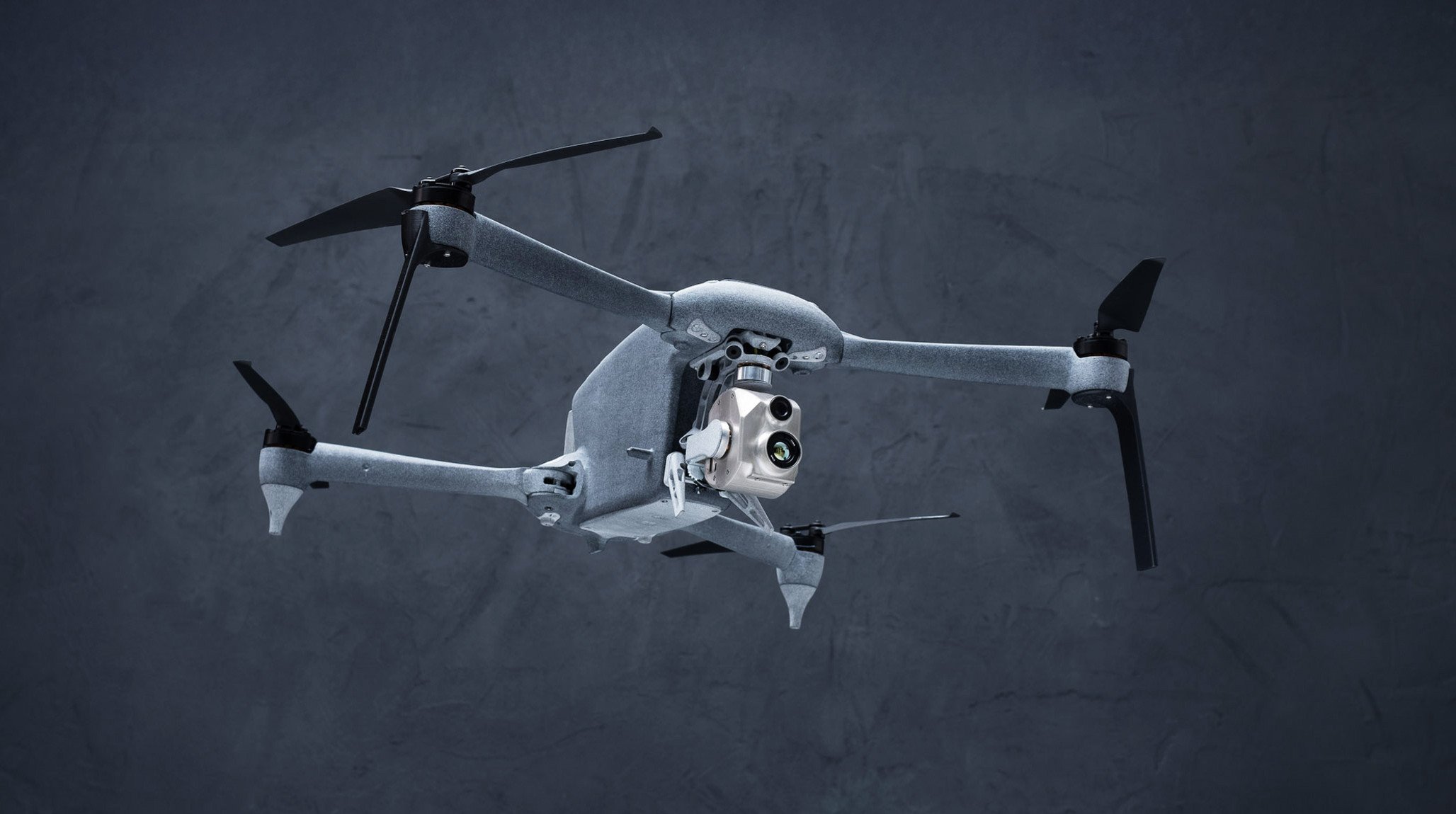
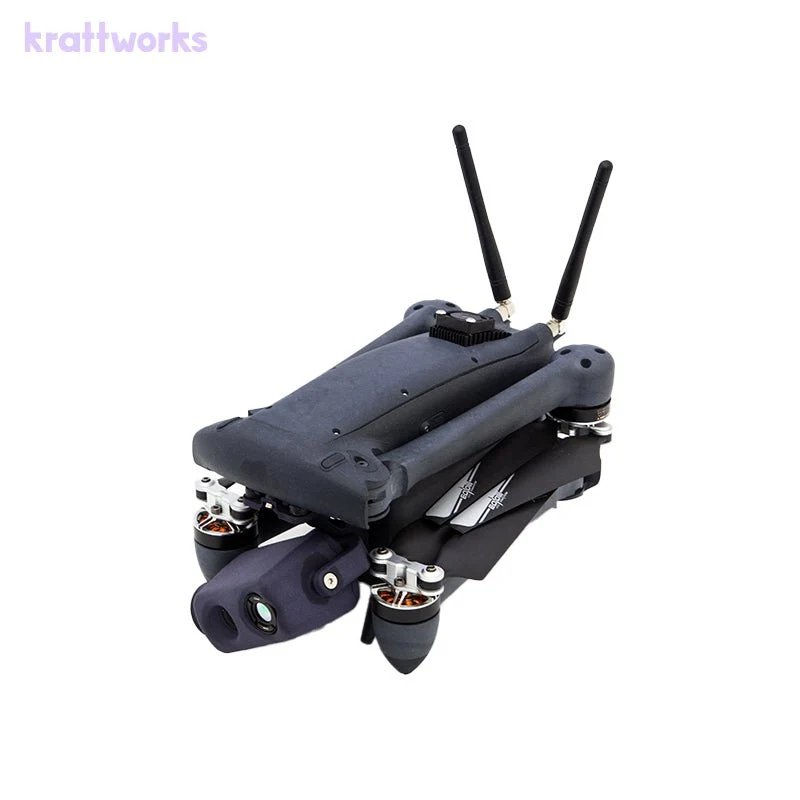
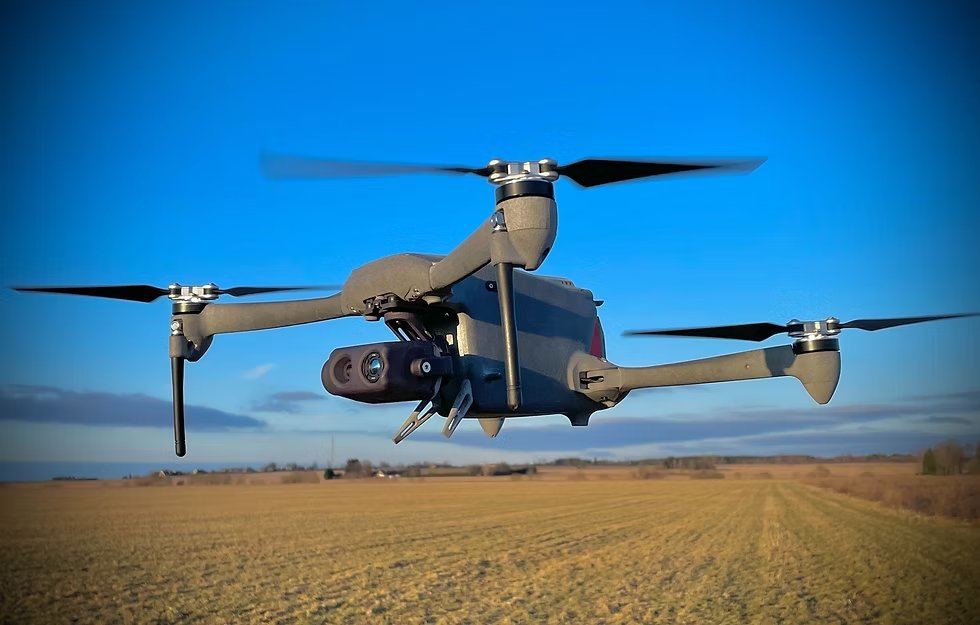
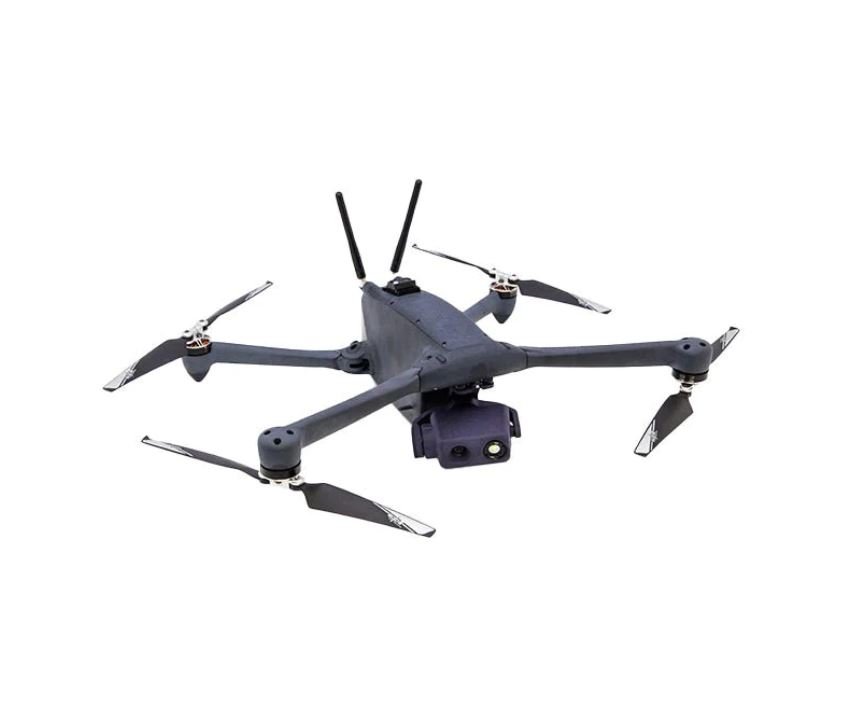
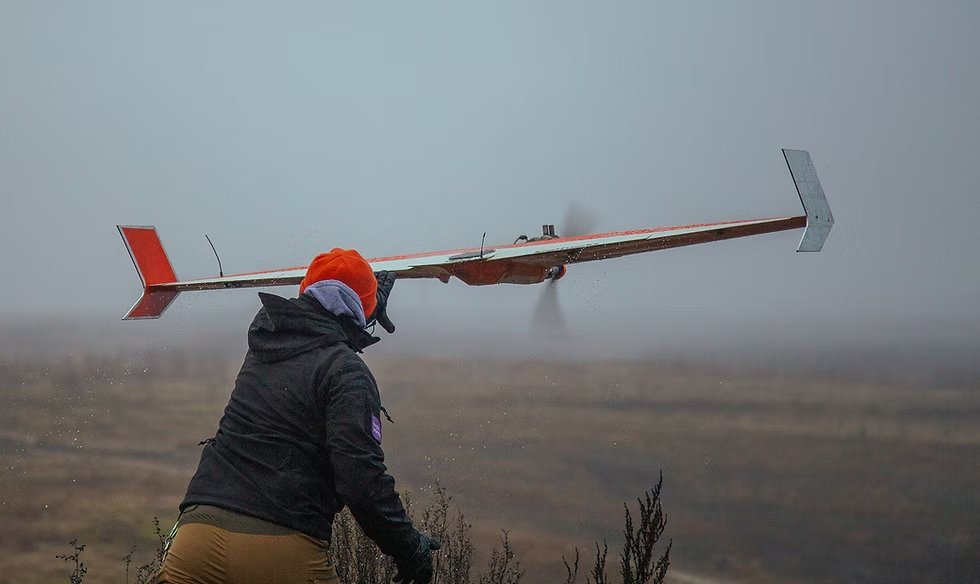
Photos: www.krattworks.com · store.ired.co.uk · vt-unmanned.com
The Ghost Dragon is a small reconnaissance quadcopter built by KrattWorks, an Estonian start-up whose work is shaped almost entirely by the requirements of the war in Ukraine. The system entered frontline use in 2023, sized to be carried in an infantry pack and unfolded for launch from a treeline or a forward observation post. Its job is short-range ISR — scouting Russian positions a few kilometres beyond the line of contact, spotting armour, correcting artillery — in the role that the much larger DJI Mavic series has occupied by default since 2022, but in an environment where Mavics are increasingly unable to fly.
What distinguishes the Ghost Dragon is its navigation stack. The Russian–Ukrainian frontline is one of the densest electronic-warfare environments in modern combat, with GNSS jamming and spoofing routine across the entire contact zone and well into the rear. KrattWorks designed the airframe around the assumption that satellite navigation will not be available. The drone carries an inertial measurement unit fused with downward-looking optical flow and visual-inertial odometry, processed onboard so that the aircraft can hold position, complete a programmed route, and return to the operator without a GPS lock. An EO/IR gimbal handles day and thermal imaging; endurance sits in the 30 to 40 minute range, broadly comparable to a small commercial quad of the same class.
The principal operator is Ukraine, where Ghost Dragons have been delivered to frontline units in batches funded by Estonian state programmes and by donations routed through volunteer organisations. The Estonian Defence Forces field the platform at home for training and territorial use, which gives KrattWorks a domestic customer alongside the export business. Specific unit-level numbers have not been published. Combat use in Ukraine has been described by the manufacturer and by recipient units in interviews with Estonian and Baltic press, and the drone has been credited with operating successfully over sections of the front where Western-supplied off-the-shelf systems struggled to keep a fix.
The platform sits inside a small but growing category of European micro-ISR quadcopters designed from the start around GNSS denial rather than adapted to it — a problem that Western armed forces only began to take seriously at scale after watching Russian electronic warfare strip the Ukrainian sky of GPS-dependent aircraft. KrattWorks continues to iterate the airframe and the navigation stack, with successive software releases pushed to fielded units based on operator feedback from the front.