ICEYE Dwell Imaging
Video-SAR mode that stares at a single location for minutes, generating coherent change-detection sequences.
Softwareby ICEYEIntroduced 2021
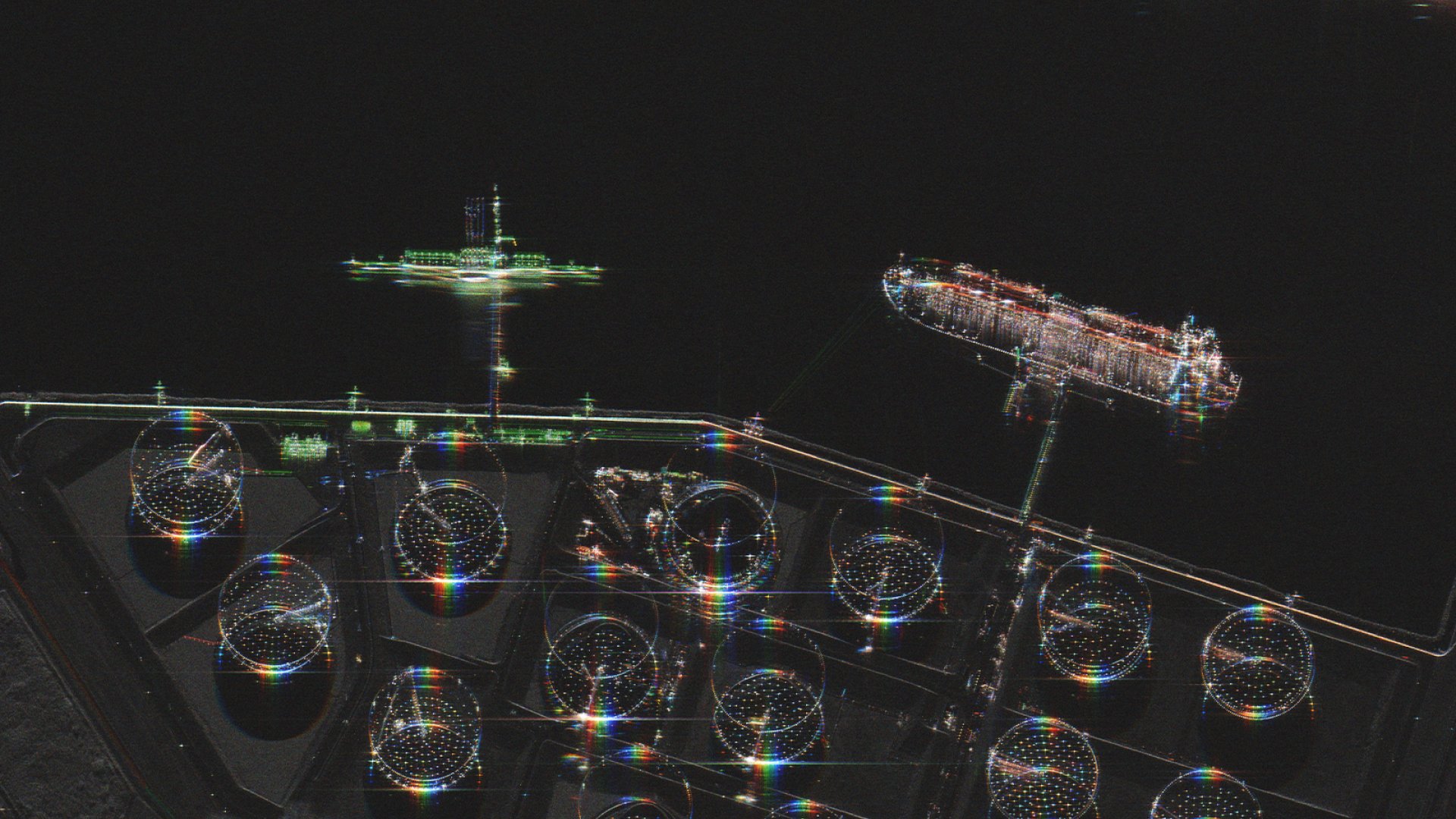

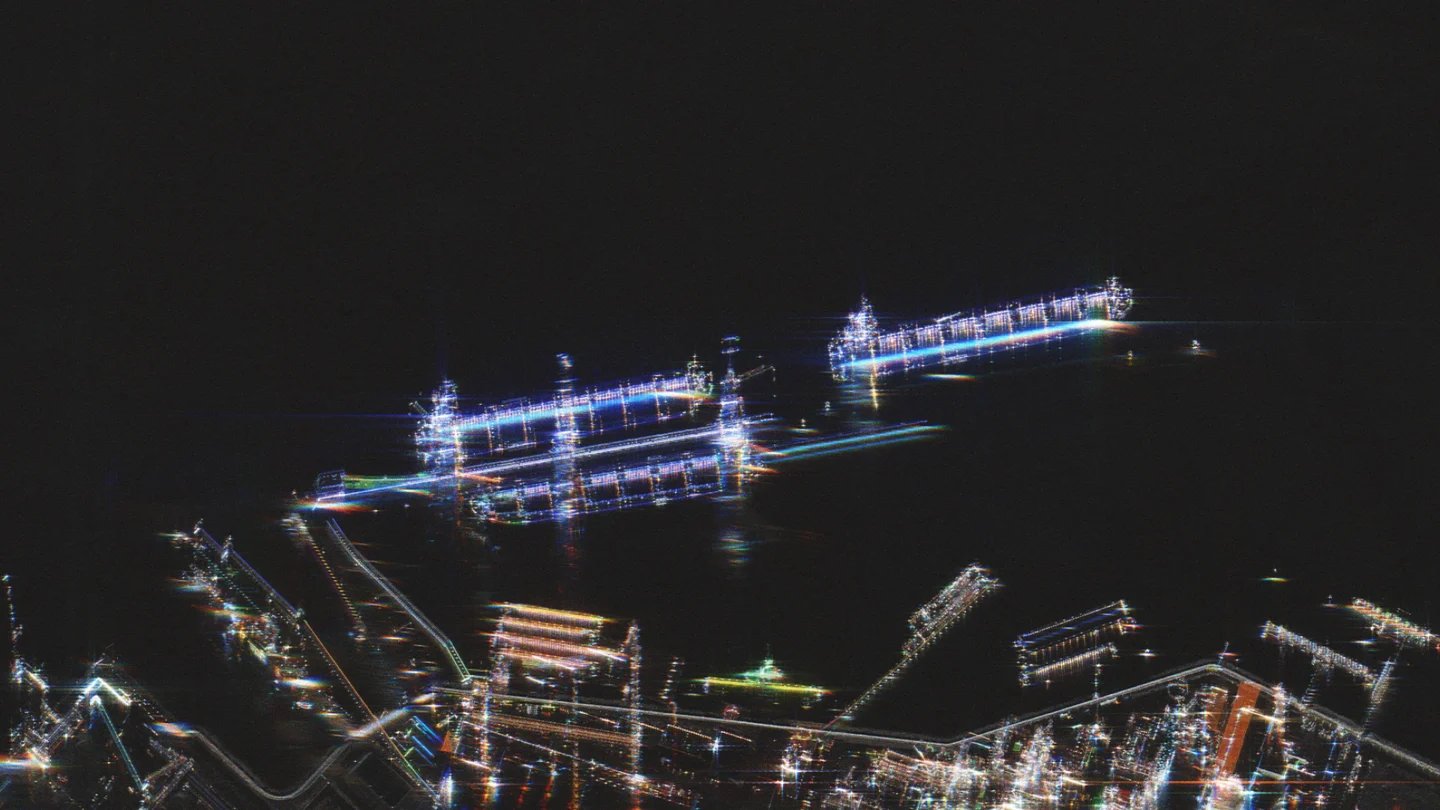
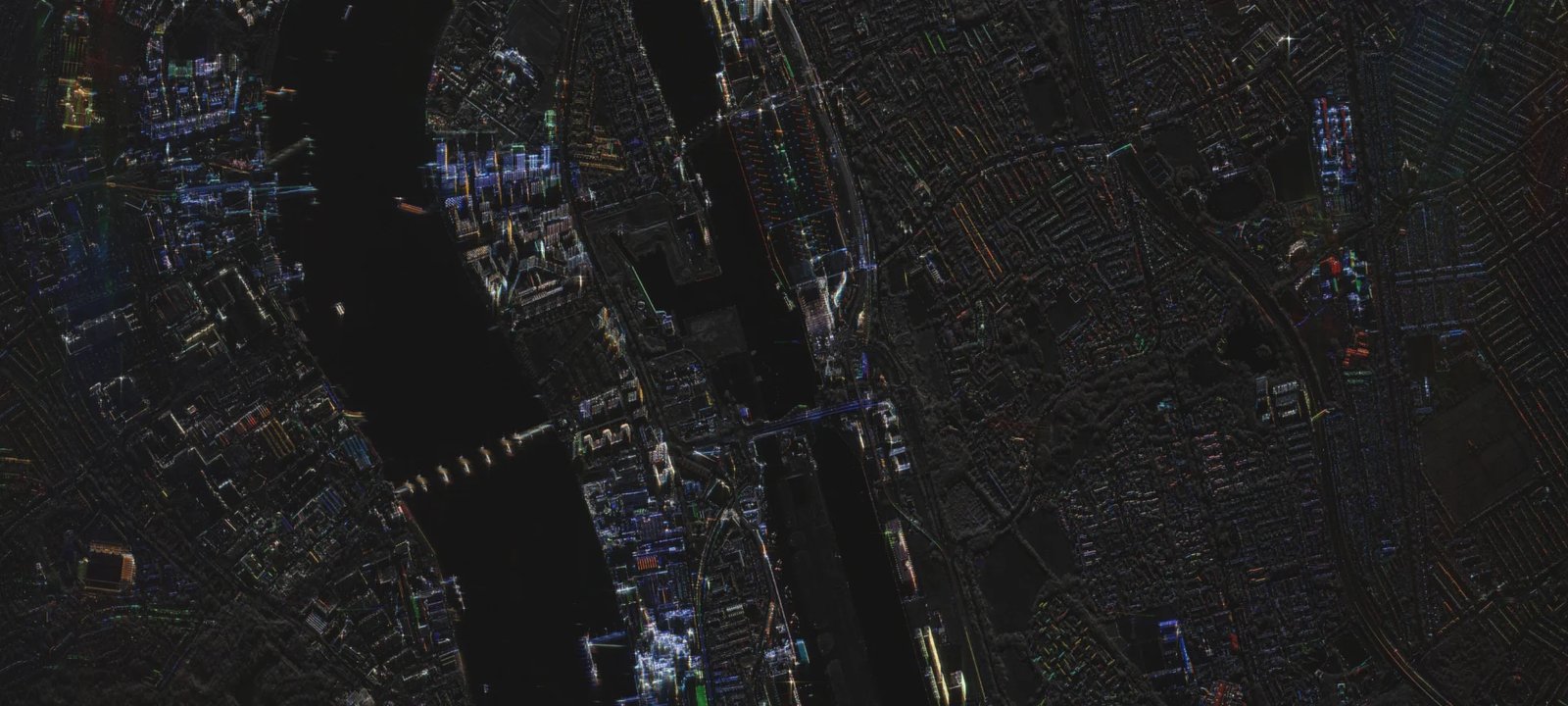
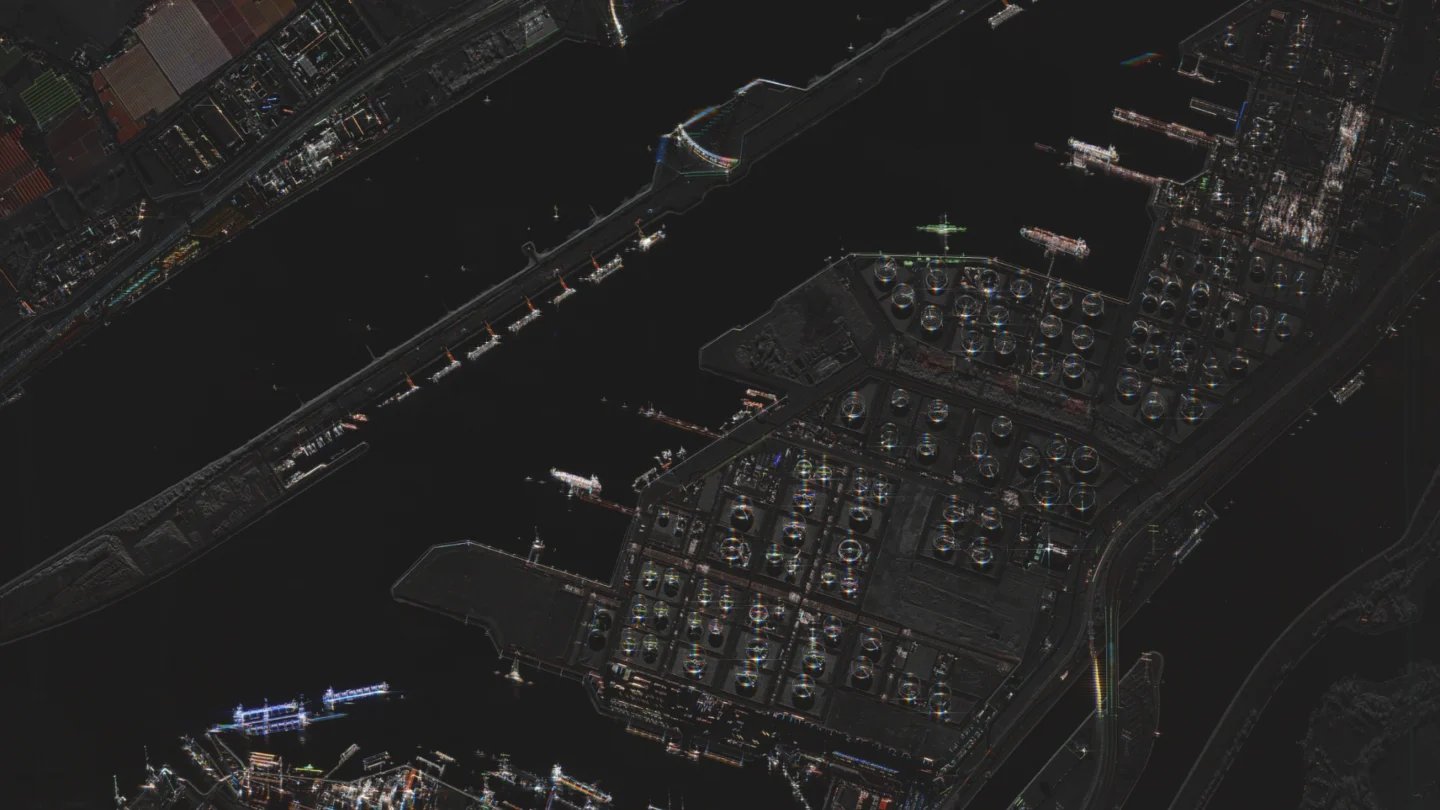
Photo: ICEYE
ICEYE Dwell Imaging is a video-mode product from the Finnish synthetic-aperture-radar operator ICEYE, first offered commercially in 2021. Unlike a conventional SAR pass — which produces a single still image as the satellite races across a target — Dwell mode steers the radar beam to keep it fixed on a chosen patch of ground for roughly five minutes at a stretch, producing a continuous sequence of coherent frames. The output is closer to a slow surveillance video than a snapshot, and it works through cloud, smoke and darkness in a way no electro-optical sensor can match.
The technical core is the ability to maintain phase coherence across the dwell window. Each frame is processed against its neighbours so that anything that moves — a vehicle leaving a treeline, a turret traversing, soil displaced by overnight digging — registers as a phase shift even when the change is too small to see in any single image. ICEYE markets this as coherent change detection, and analysts use it to flag activity that a standard SAR pass spaced hours apart would simply miss. The product is delivered as a processed video clip alongside the underlying complex data, so customers can run their own change-detection chains rather than rely on ICEYE’s defaults.
Operationally the most public customer is Ukraine. In late 2022 the Serhiy Prytula Charitable Foundation crowdfunded the purchase of ICEYE constellation access for the Armed Forces of Ukraine, with the Finnish company assigning a dedicated satellite to Kyiv’s tasking. Subsequent contracts have widened that capacity. Ukrainian targeting cells have used the dwell product to track Russian armour and air-defence movement in occupied territory, including at night and through the heavy cloud cover that routinely grounds optical reconnaissance over the eastern front. The United States is the other named operator: the National Reconnaissance Office and US Space Force have both signed commercial SAR data buys that include ICEYE capacity under their multi-vendor frameworks.
The wider field is converging on staring-SAR concepts — Capella Space and Umbra both advertise comparable modes — but ICEYE’s lead is operational rather than purely technical: a constellation already large enough to revisit a given coordinate multiple times a day, and a customer base that has put the imagery into combat use long enough to publish its own assessments of what it delivered.