Cipher
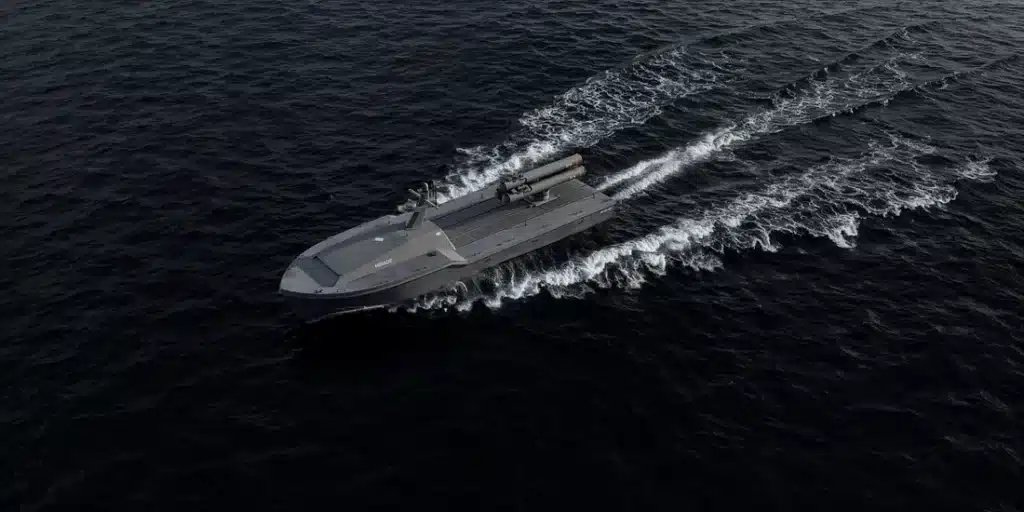
13-foot autonomous surface vessel for multi-mission payloads including ISR and electronic warfare.
navalby Saronic TechnologiesIntroduced 2023
Photos: navyleaders.com · www.turbosquid.com · thedefensepost.com · www.navalnews.com · fity.club
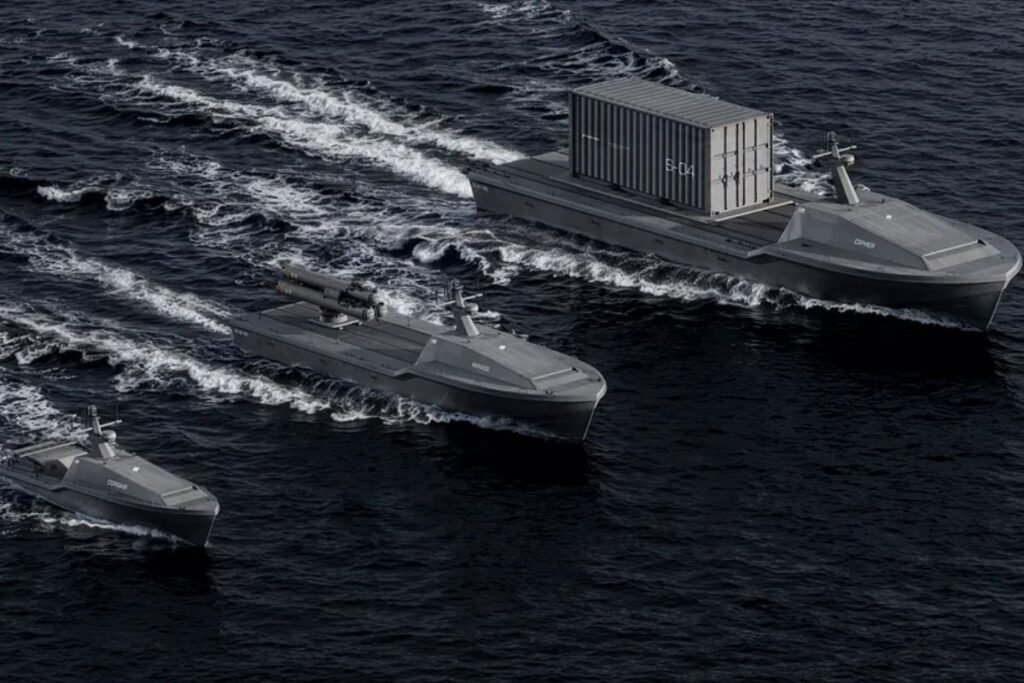
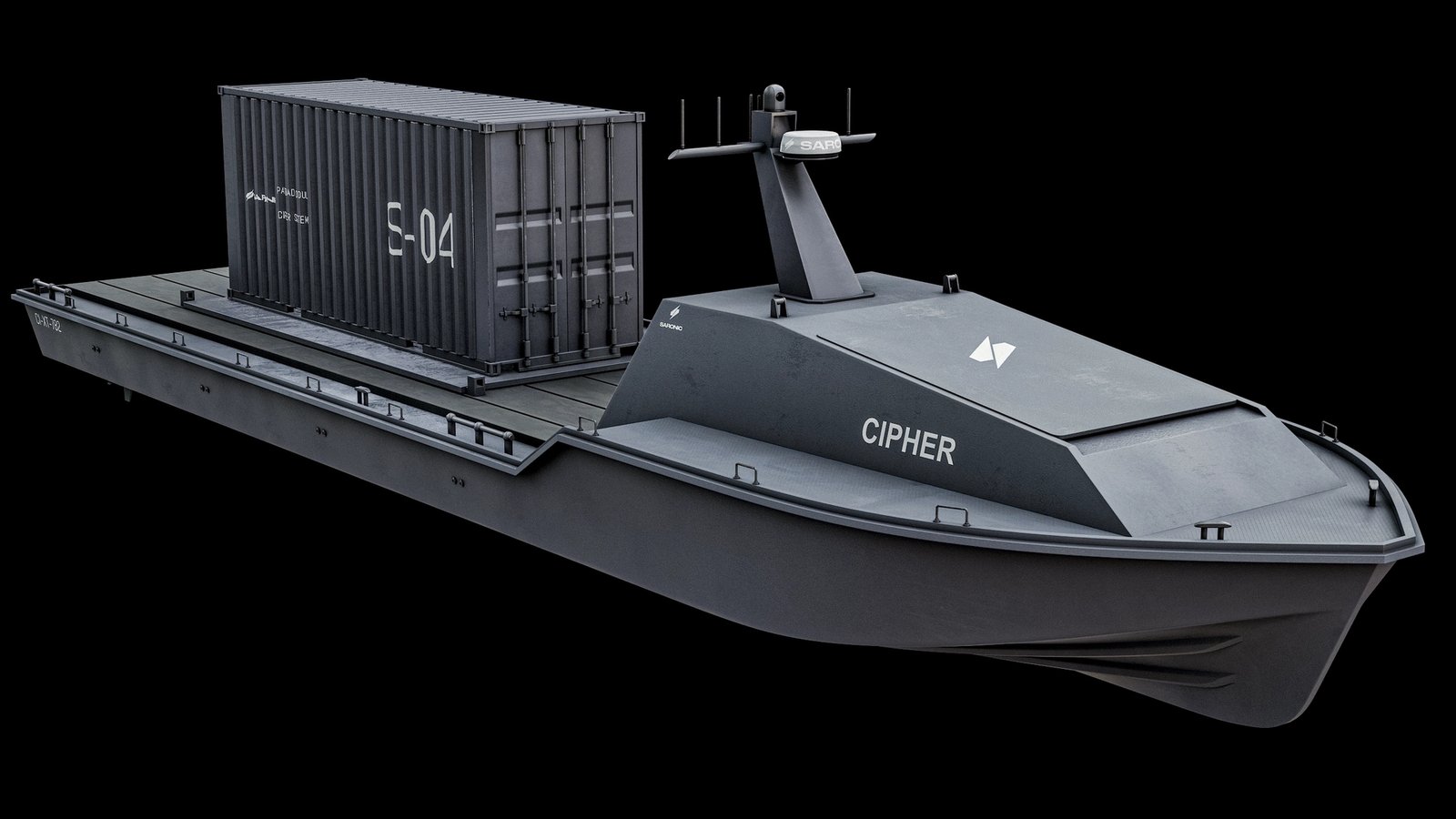
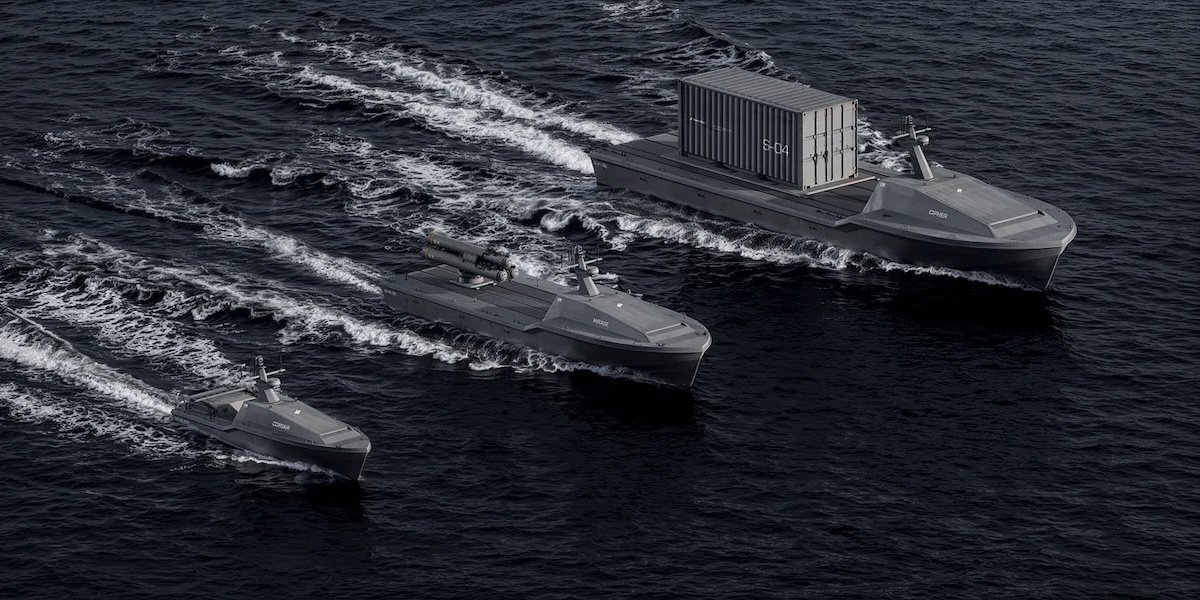
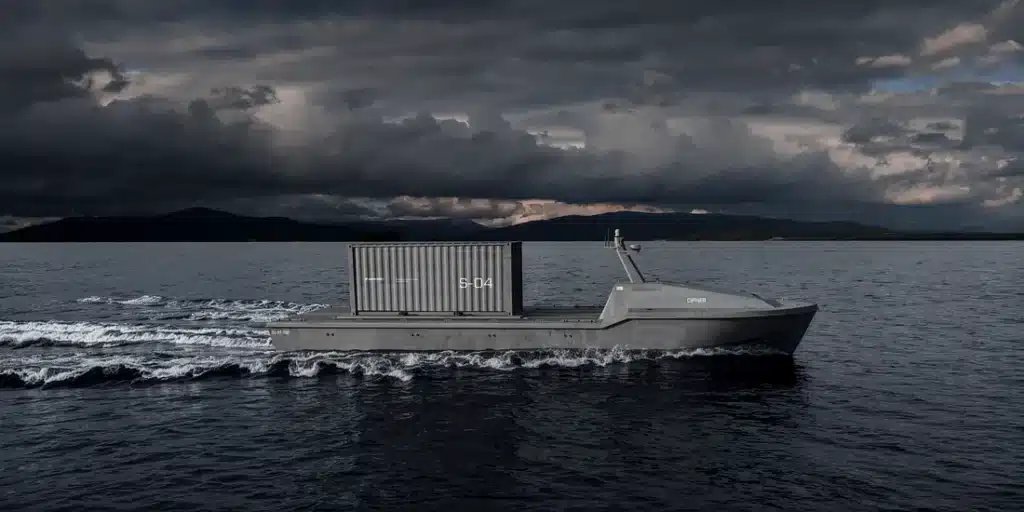
Cipher is a 13-foot autonomous surface vessel built by Saronic Technologies, the Austin-based company founded in 2022 by former Navy SEAL Dino Mavrookas alongside Doug Lambert and Rob Lehman. The boat sits in the middle of Saronic’s lineup, between the smaller Spyglass and the company’s larger craft. It entered the field in 2023 as a multi-mission platform aimed primarily at the United States Navy, which has been moving steadily toward distributed, attritable surface fleets capable of swarming and sensing in contested littorals.
The hull is rigid, low-profile, and built around a modular payload bay rather than a fixed mission set. Operators configure Cipher for intelligence, surveillance and reconnaissance, electronic warfare, communications relay, or maritime domain awareness, swapping the payload between sorties. Sensors typically include electro-optical and infrared cameras, radar, and signals-intelligence receivers, with satellite communications keeping the vessel tied into a wider network when it operates beyond line of sight. The autonomy stack handles waypoint navigation, station-keeping, collision avoidance under the COLREGs framework, and coordinated behaviour with other Saronic boats — one human operator can supervise several vessels at once, with the boats handling routine sea-keeping themselves.
Cipher is one of the platforms Saronic has pitched into the Department of Defense’s Replicator initiative, the Pentagon programme to field thousands of attritable autonomous systems within two years as a counter to Chinese mass in the western Pacific. The company has also been an active participant in US Navy experimentation around distributed maritime operations, including work tied to Task Force 59 in the Fifth Fleet area of responsibility and broader fleet exercises. Saronic raised $175 million in a Series B in early 2024, then a Series C later that year measured in the hundreds of millions that pushed the company’s valuation past $4 billion — funding directed in part at building out a Texas production facility intended to turn out ASVs at industrial scale rather than as bespoke prototypes.
The vessel sits alongside Saronic’s smaller Spyglass and its larger craft in a deliberately layered family: the company’s argument to the Navy is that no single hull size fits every mission, and that a portfolio of autonomous boats sharing a common autonomy stack offers more useful flexibility than a single-size solution. The thirteen-foot class places Cipher in territory occupied by a handful of US and allied builders, but Saronic’s specific bet — naval-grade autonomy paired with a swappable payload bay, built for production scale rather than as a prototype — is narrower than most.