Anti-Submarine Warfare Frigate (ASWF)
Next-generation Dutch-Belgian frigate built around reduced crew, AI-assisted combat management, and deep ASW capability.
navalby Damen NavalIntroduced 2028
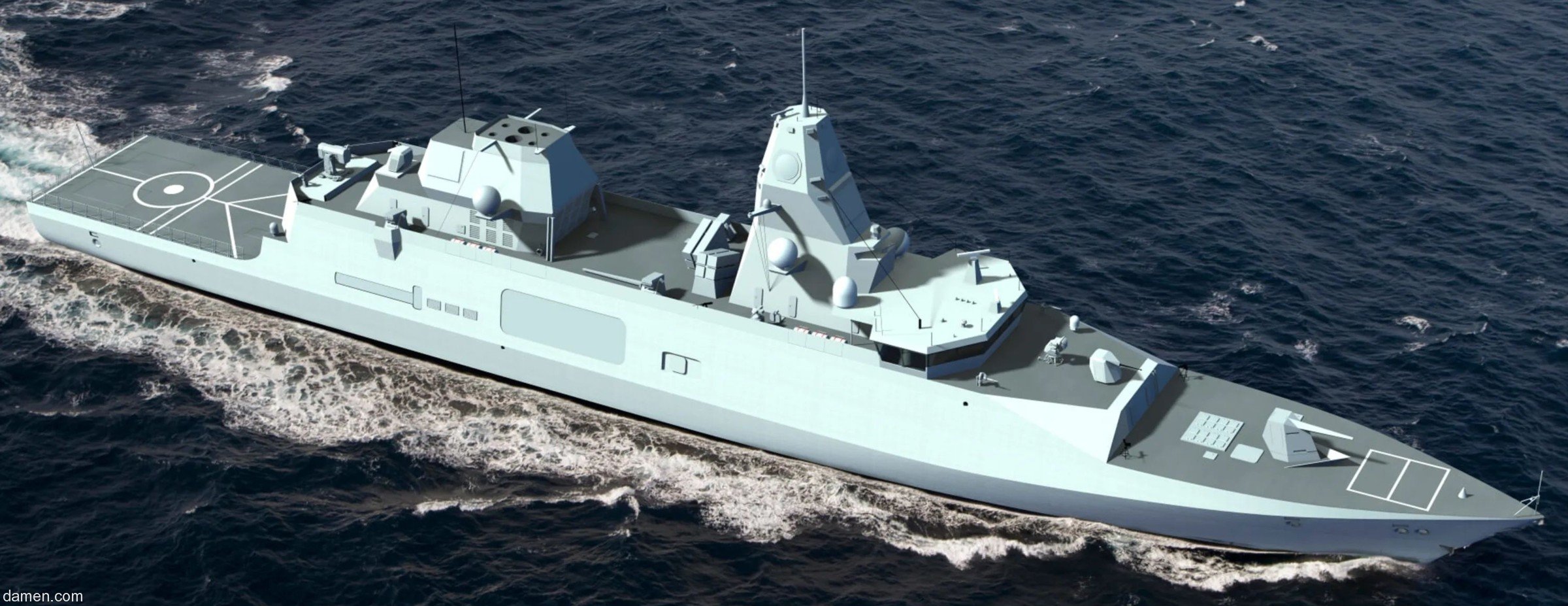
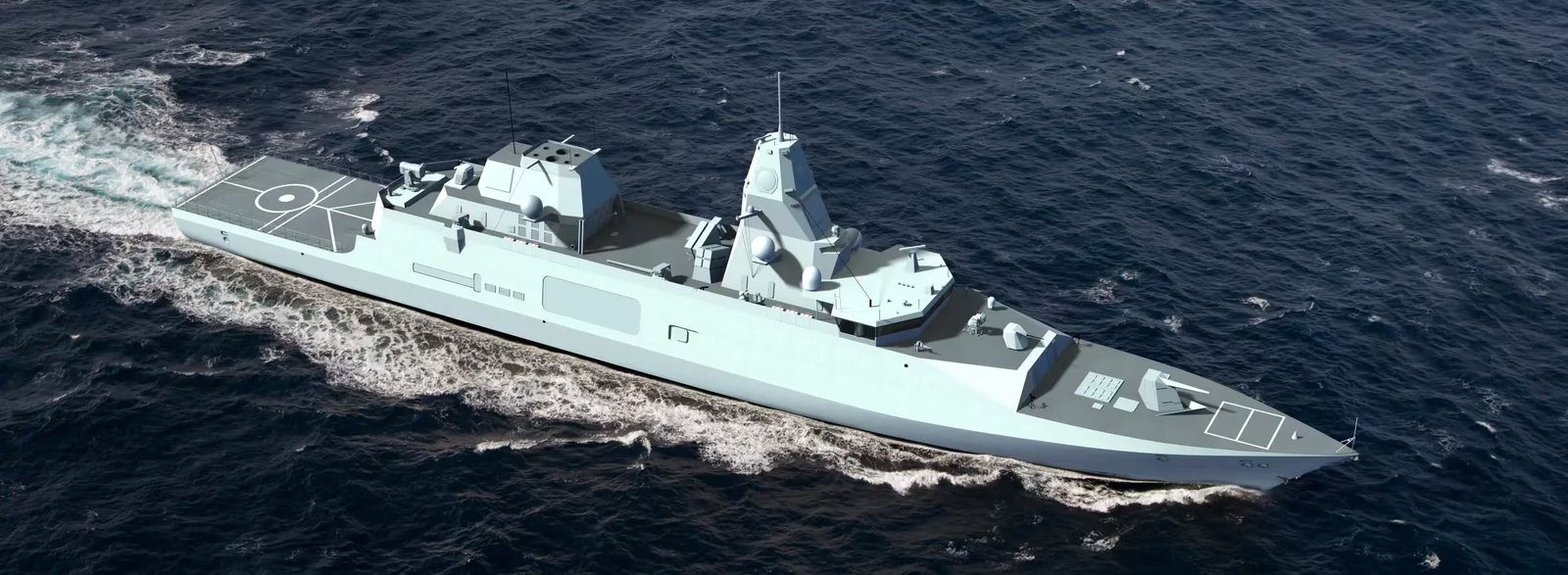
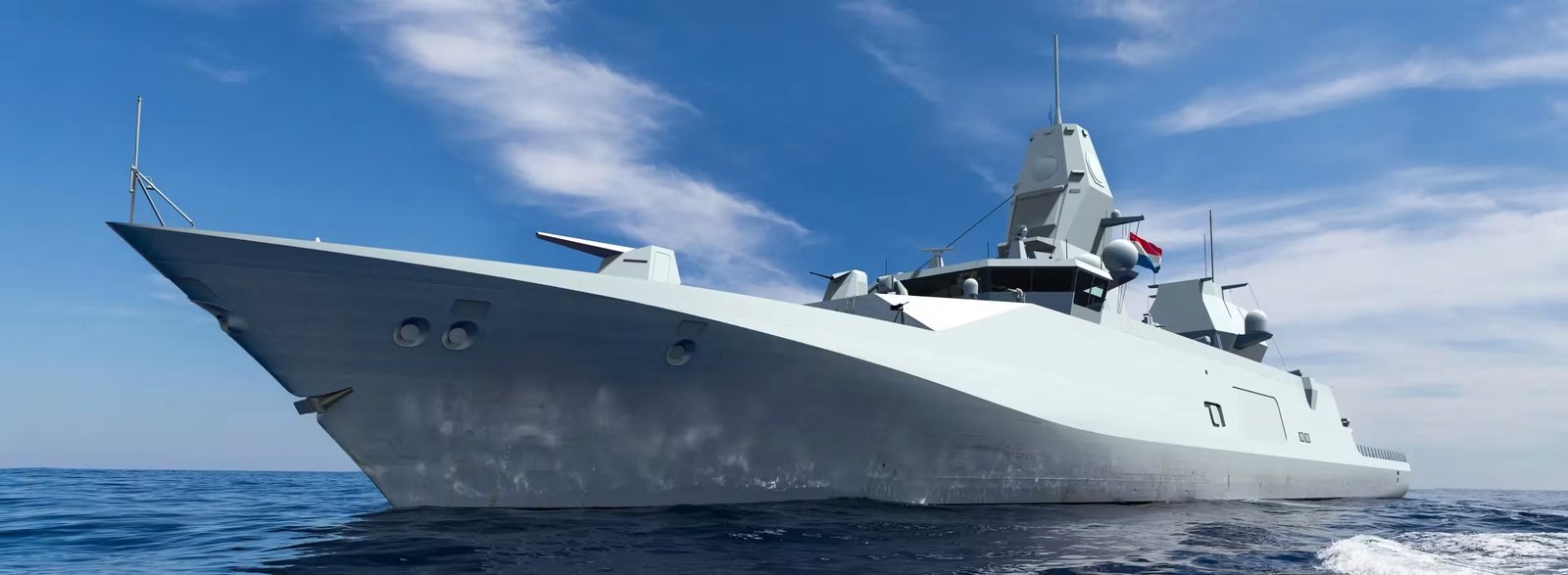
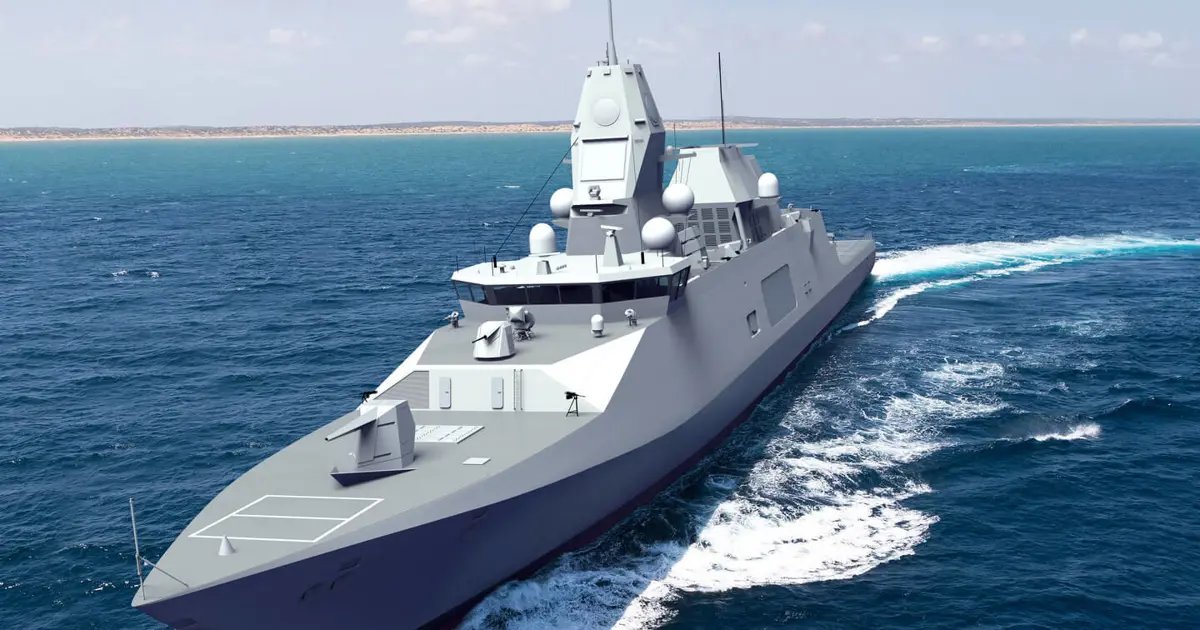
Photos: www.seaforces.org · www.damen.com · Damen Naval · www.maritimetechnology.nl
Built jointly for the Royal Netherlands Navy and the Belgian Naval Component, the Anti-Submarine Warfare Frigate — known in both fleets as the ASWF — is the replacement programme for the four M-class ships of the Karel Doorman class that have carried the Dutch and Belgian surface fleets since the early 1990s. The prime contractor is Damen Naval, the Vlissingen-based shipbuilder responsible for nearly every Dutch surface combatant of the past half-century. Steel cutting for the first hull is scheduled for the late 2020s, with the lead ship expected to commission around 2028 and the full class of six — four Dutch, two Belgian — completing through the 2030s.
The hull displaces roughly 6,000 tonnes and is built around a sensor suite tuned to find quiet submarines in the deep North Atlantic. A Thales variable-depth towed-array sonar pairs with a hull-mounted set, and an embarked NH90 NFH helicopter extends the acoustic search envelope outwards. The combat system is Thales Nederland’s TACTICOS, the same combat-management line that runs the De Zeven Provinciën-class air-defence frigates, here tied into a heavily automated bridge and operations room. The design target is a permanent crew of around 115, roughly half the manning of the ships it replaces, achieved by pushing routine watchkeeping, damage-control monitoring, and sensor fusion onto software. Armament is conventional for a European escort — a medium gun forward, vertical-launch cells for ESSM and surface-to-surface missiles, lightweight torpedo tubes for ASW — but the headline capability is the underwater picture the ship can build, not the missile count.
The operational driver is Russian submarine activity in the Greenland-Iceland-UK gap and the eastern Atlantic, where Dutch and Belgian frigates routinely escort NATO maritime task groups and shadow Northern Fleet boats transiting south. Belgium opted into the programme to replace its two Karel Doorman-class hulls and chose to buy the same design rather than diverge, preserving the binational logistics chain that has held since the 1990s. The contract was signed with Damen in 2023 after a long competition that drew in foreign yards; the decision was politically contested in The Hague because of its industrial-base implications, but ultimately went to the Dutch shipbuilder on sovereignty grounds.
Among contemporary European frigates the ASWF sits in the same generation as the Franco-Italian FREMM, the British Type 26, and the German F126 — all ASW-leaning designs sized for North Atlantic work. What sets the ASWF apart is the aggressive crew-reduction target and the depth of automation that target requires, a bet that software can carry more of the combat-information load than a traditional frigate watch bill.