AIRFENCE
Passive RF counter-UAS sensor that detects, classifies, and locates drones and their pilots simultaneously — no emissions, no jamming.
systemby SensofusionIntroduced 2017
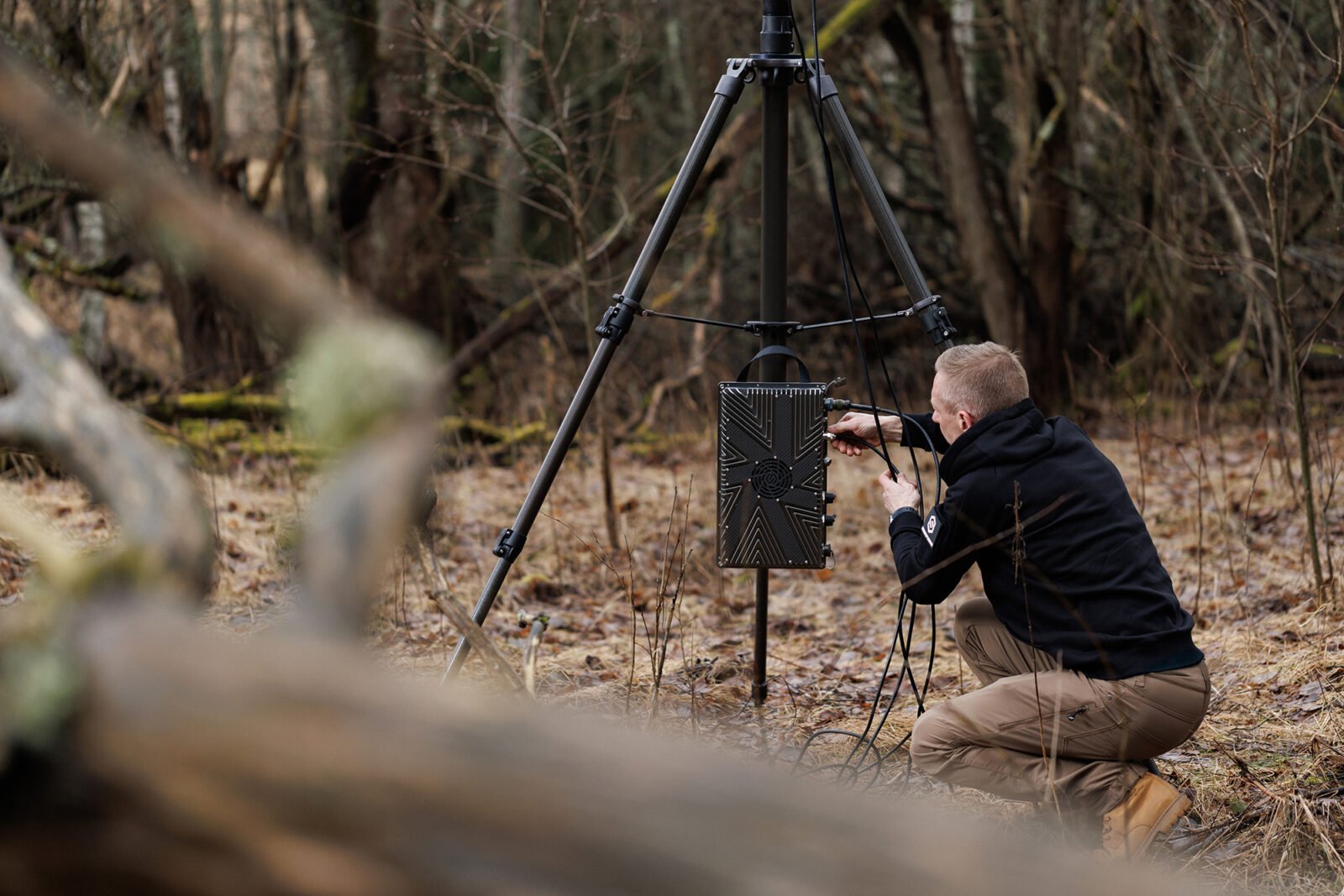
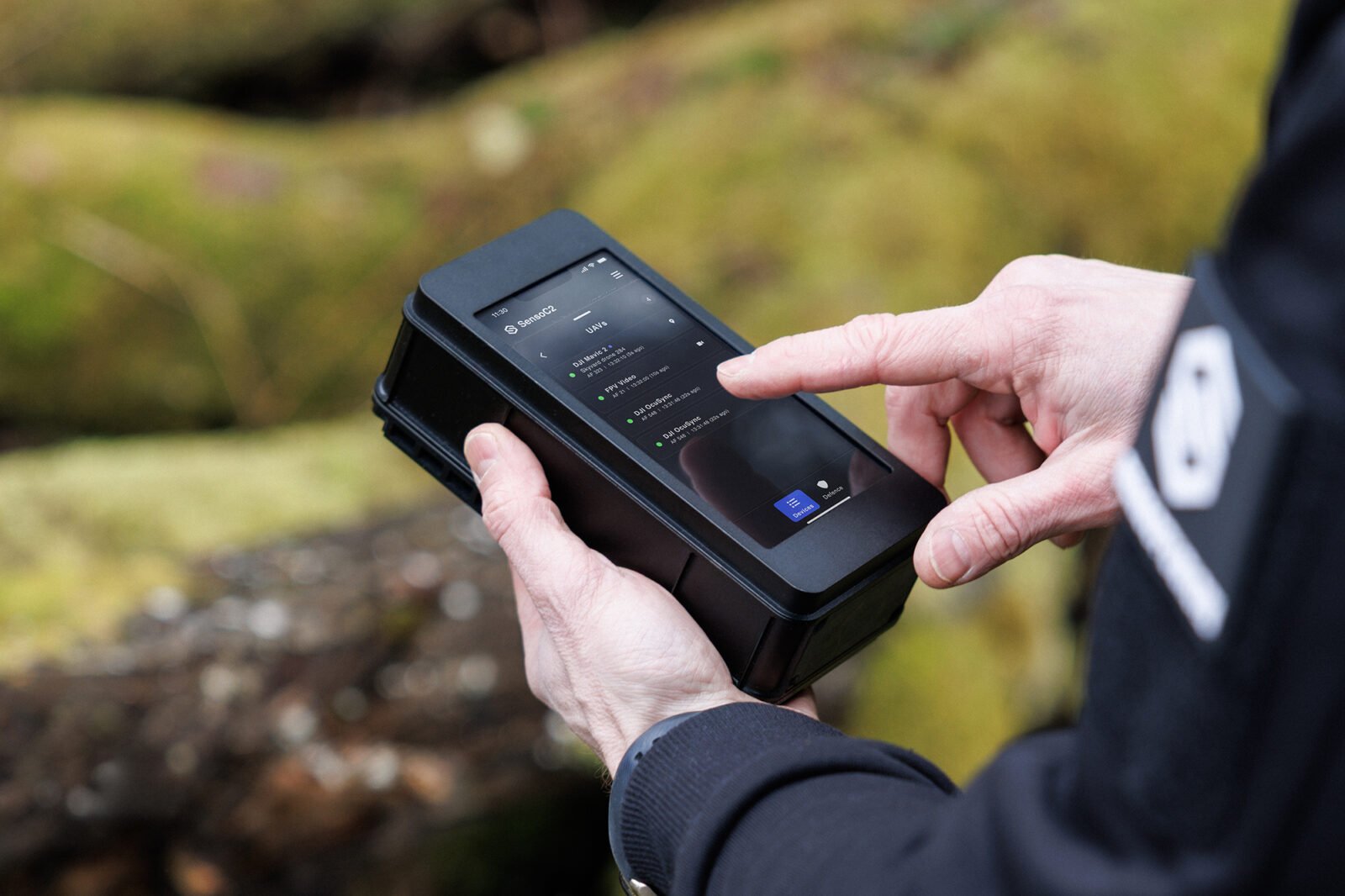

Photo: Sensofusion
AIRFENCE is a passive radio-frequency counter-drone sensor built by Sensofusion, the Finnish firm that has spent the better part of a decade arguing that the most useful thing a counter-UAS system can do is listen rather than transmit. The system entered service around 2017 and is now in use with Finland, the United Arab Emirates and the United Kingdom, alongside other customers Sensofusion has been quieter about. Where active radar and RF jammers betray their own positions the moment they switch on, AIRFENCE emits nothing — a property that has made it attractive for airports, prisons, head-of-state details and forward military sites that prefer not to advertise where their counter-drone coverage begins.
The sensor sweeps from roughly 400 MHz to 6 GHz and matches what it hears against a fingerprint library of consumer and commercial drone protocols. When a controller and aircraft are paired in the surrounding airspace, AIRFENCE reports not only that something is flying, but which model is flying and, for many platforms, the drone’s serial number. Direction-finding on the controller link lets the system plot the pilot’s location alongside the drone’s, so security teams can move on the operator while the aircraft is still airborne. Sensofusion describes the architecture as a distributed grid: networked nodes feeding into a single picture, with a typical per-node detection range of three to five kilometres depending on terrain and how chatty the target is. Because nothing radiates, multiple installations can overlap without self-interfering, and they do not trip electronic-warfare alarms.
Finland’s defence forces and border authorities have integrated AIRFENCE into protection of critical infrastructure along the country’s long eastern frontier, where small commercial drones have featured in a string of incidents tied to Russian activity. UK customers have used the system at airfields and around major public events, and the UAE has deployed it for site protection. NATO has run AIRFENCE through counter-UAS trials under Allied Command Transformation, and the company’s effector-agnostic posture — handing cued targets to whichever jammer, net or kinetic interceptor a customer prefers — has made it a recurring component of layered counter-drone exercises in Europe.
Sensofusion has steadily extended the signature library to cover newer DJI firmware, Autel Robotics platforms, FPV racing controllers and the modified consumer drones that have come to define the war in Ukraine, where civilian airframes are repurposed as munitions on both sides. AIRFENCE’s distinctive bet — that detection should be silent, continuous and identity-aware down to the serial — has become a more conventional position since 2022, but it remains one of the few systems in its class to ship pilot geolocation as a core capability rather than an option.