Wild Hornets
A volunteer-funded Ukrainian non-profit mass-producing FPV strike drones and the Sting anti-Shahed interceptor.
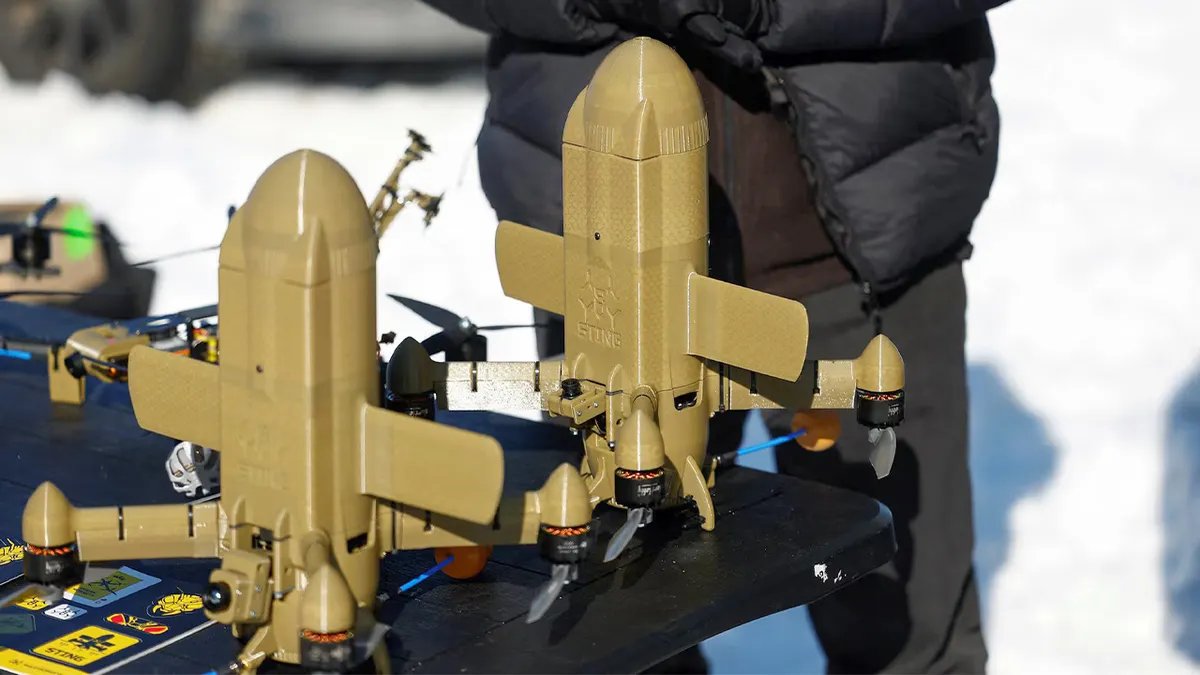
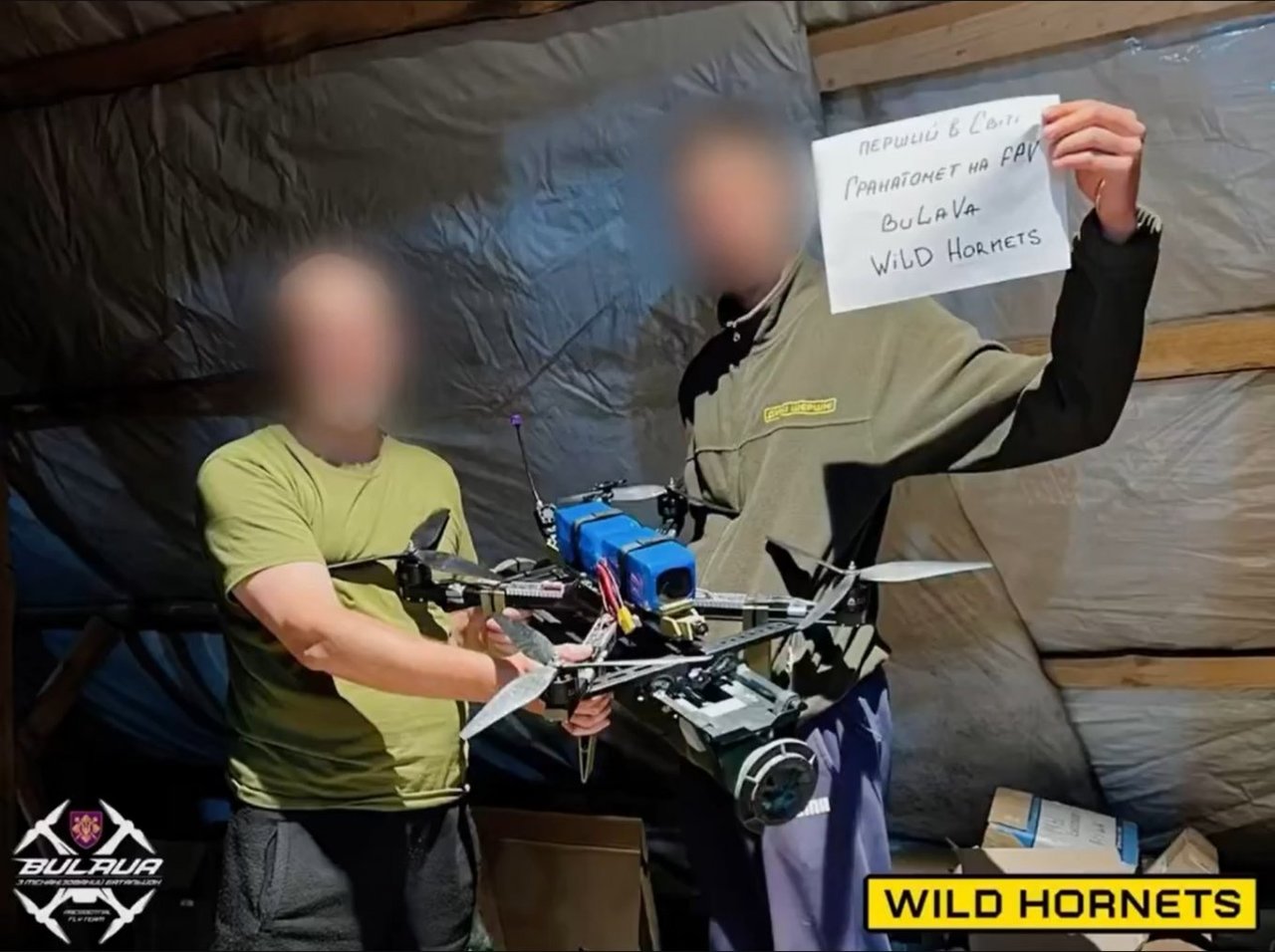
Wild Hornets is a Ukrainian non-profit organization that designs and mass-produces unmanned aerial systems for the Armed Forces of Ukraine. The group was established in the spring of 2023 by engineers affiliated with the anti-tank unit of the Separate Presidential Brigade. Operating as the Wild Hornets Charitable Fund, the organization focuses on fabricating combat and support drones to counter the Russian invasion. Its origins are rooted in military engineering, with its founding team drawing directly from frontline defense units, a structure that allows for rapid iteration based on operational feedback.
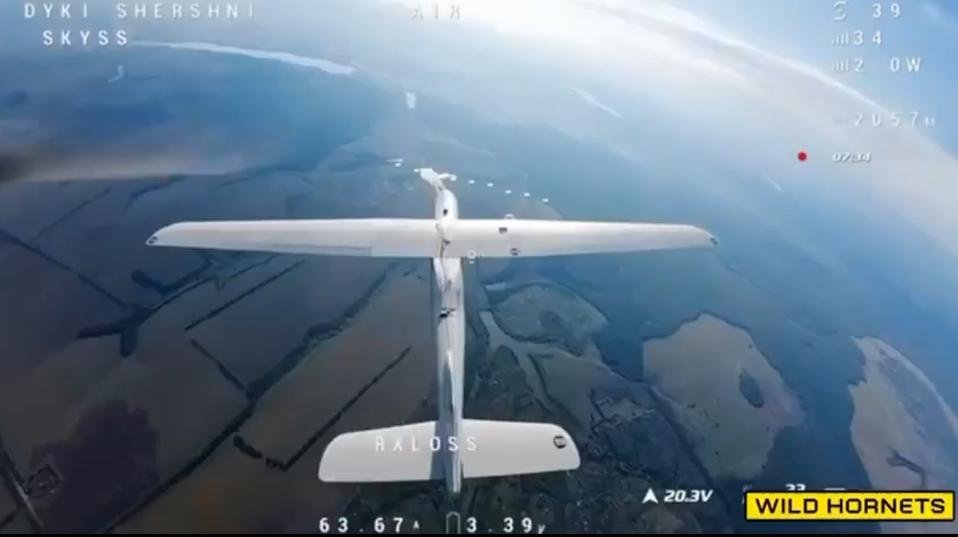
The organization’s product line is centered on two primary systems: the Sting interceptor and the Queen Hornet loitering munition. The Sting is a fast, 3D-printed FPV (first-person view) drone designed specifically to intercept Shahed and Geran-type loitering munitions. It is piloted using thermal imaging cameras and features a manual detonation trigger. According to available data, the Sting can reach speeds of approximately 315 km/h and engage targets at ranges up to 25 km. This system addresses a critical gap in Ukraine’s air defense, providing a kinetic, low-cost solution to the threat posed by Iranian-designed suicide drones.
The Queen Hornet serves as a multirole FPV bomber, kamikaze drone, and minelayer. It is capable of carrying a payload of roughly 9 kg to a distance of approximately 20 km. Like the Sting, the Queen Hornet utilizes 3D-printed construction methods, which facilitate rapid production and repair in field conditions. These systems are categorized under loitering munitions and AI-targeting applications, although the specific software stacks and open-source libraries used in their guidance and targeting systems are not publicly detailed in available sources. The reliance on 3D printing allows the organization to bypass traditional supply chain bottlenecks for complex aerospace components.
Wild Hornets drones have been observed in use by multiple units of the Armed Forces of Ukraine, including the Main Directorate of Intelligence (Ukraine). The organization operates as a volunteer-funded entity, relying on charitable contributions rather than direct state procurement contracts for its initial funding and production. This model is common among Ukrainian defense-tech startups, which often bridge the gap between early-stage innovation and large-scale state manufacturing. The group’s output is integrated into the broader Ukrainian drone ecosystem, supporting both offensive operations and defensive counter-drone measures.
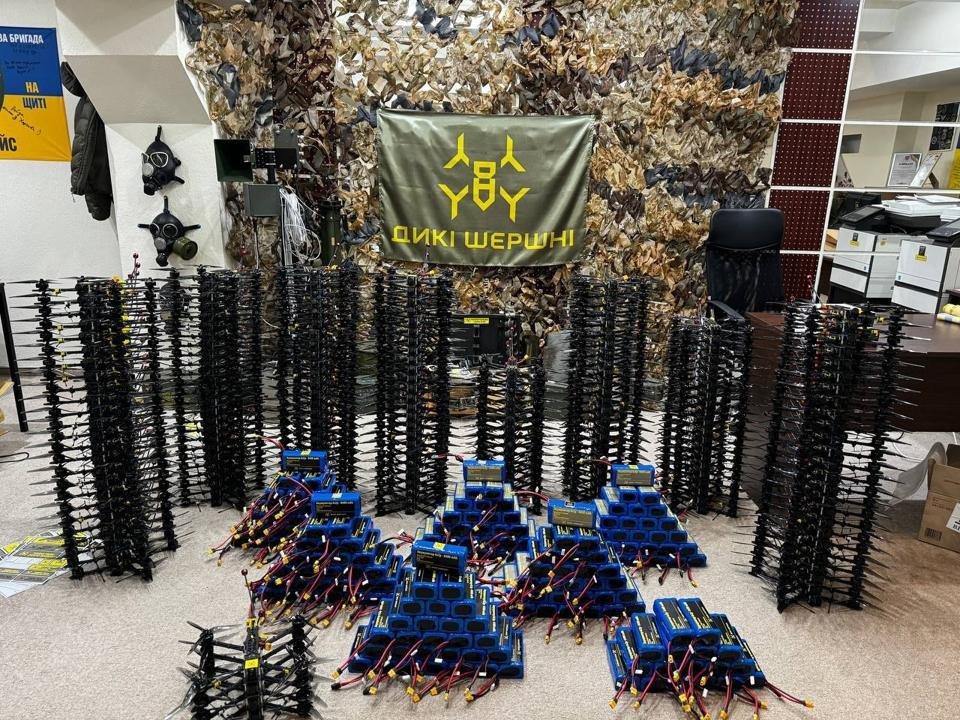
As a non-profit, Wild Hornets does not disclose revenue figures or employee counts in the manner of a public corporation. Its scale is defined by its production capacity and the volume of drones deployed to the front lines. The organization’s work is part of a larger trend of Ukrainian civil-military innovation, where private engineers and volunteers collaborate directly with military units to develop asymmetric warfare capabilities. While specific details about its internal governance or future expansion plans are not publicly available, its role in producing specialized interceptors like the Sting highlights the evolving nature of drone warfare in the region. The group remains focused on its charitable mission of supporting the Ukrainian defense effort through technological fabrication.
- Stack
- fpv
- thermal-imaging
- Collaboration
- non-profit
- brave1
Products
Drones
Sting
A fast 3D-printed FPV interceptor for downing Shahed/Geran-type loitering drones; flown by a pilot using thermal cameras, with a manual detonation trigger. Reported top speed ~315 km/h and engagement range up to ~25 km.
Queen Hornet
A 17-inch multirole FPV bomber/kamikaze/minelayer/repeater carrying roughly a 9 kg payload to ~20 km.
Integrated systems
Gallery
Sources
- en.wikipedia.org/wiki/Wild_Hornets (2026-06-01) — Founding (spring 2023), the non-profit/donation-funded structure, co-founder Dmytro Prodanyuk, and the product range. The group's claim to field "AI-capable" FPV drones is noted there as a claim, not confirmed.
- wildhornets.com/en/sting-interceptor (2026-06-01) — Official Sting interceptor specs (speed, engagement range, low unit cost).
- ukrainesarmsmonitor.substack.com/p/drone-warfare-in-ukraine-sting-interceptors (2026-06-01) — Confirms the current Sting intercept is flown manually with thermal cameras; autonomy components are in development with BRAVE1, not yet fielded.