ZAK-30 Citadel
systemAdversary capabilityby KRET
Photos: Victory Drones (Telegram) · www.leparisien.fr · www.businessinsider.com · Военный осведомитель (Military Informant) (Telegram)
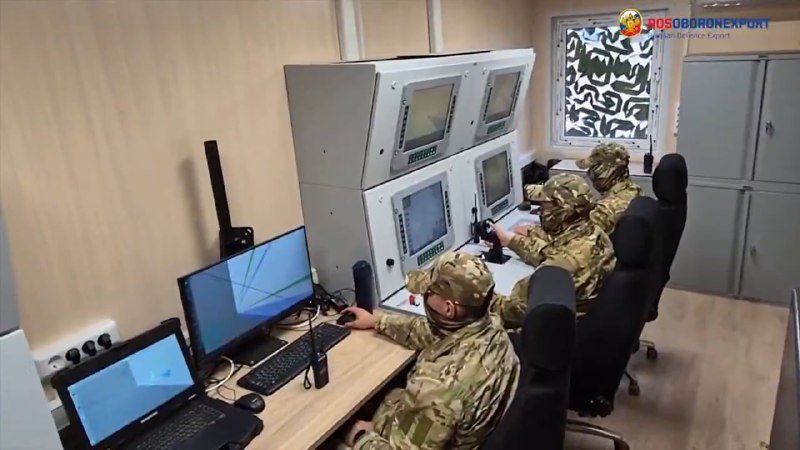
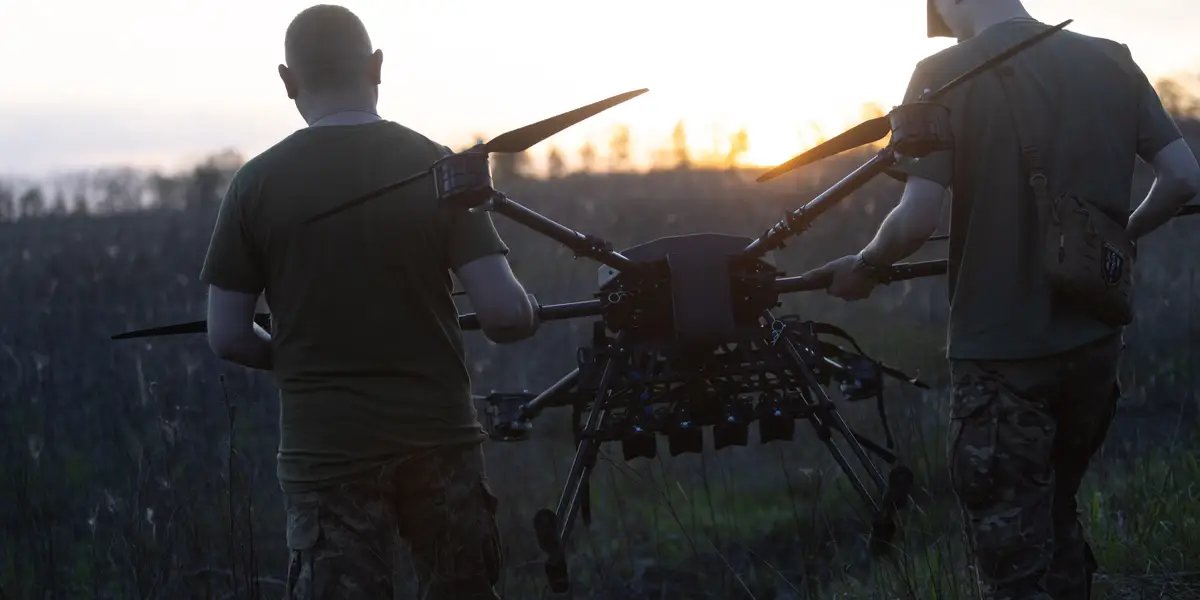
The ZAK-30 “Citadel” is a Russian automated 30-millimetre anti-drone artillery system developed by TsNIIBurevestnik, a subsidiary of Rostec’s Uralvagonzavod tank-building concern. Rosoboronexport presented the system publicly in September 2026 at the El Alamein International Airshow in Egypt, and the Russian military followed with a demonstration at the Center-2026 strategic exercises. Russian coverage frames it as a short-range counter-UAV complement to larger air-defence missiles like the Pantsir-SMD-E, intended to protect fixed installations and troop concentrations against the small drones that have come to dominate the battlefield in Ukraine.
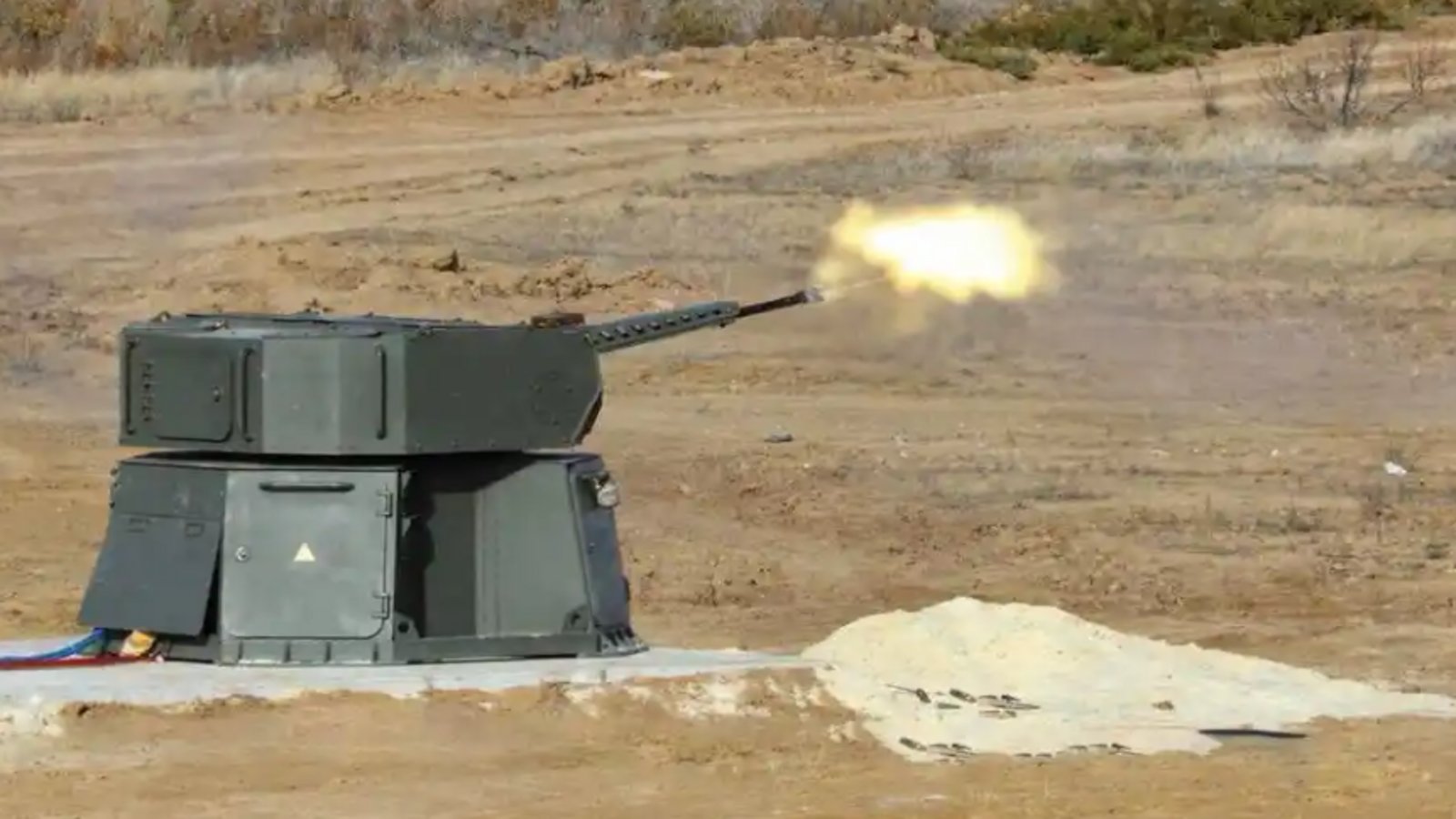
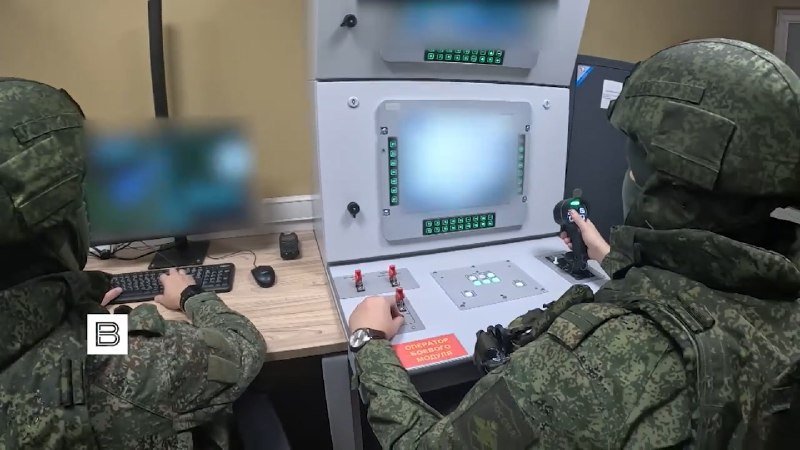
Architecturally the Citadel is a networked assembly rather than a single mount. The manufacturer describes a central fire-control post, a surveillance radar, a tracking radar, electro-optical sights, and several remotely operated weapon modules — the DUM-N, a variant of the BM-30-D “Spitsa” turret used on armoured vehicles — each carrying a 30-millimetre 2A42 autocannon. The Turkish defence outlet TurDef suggests the gun could instead be a 2A72 derivative. The round is where the design matters: a laser-timed, programmable fuse detonates a shell packed with cylindrical fragments at a defined point in flight, giving airburst behaviour against small aerial targets. Both contact and timed-fuse variants are quoted. Rosoboronexport lists a 250-round complement per module, elevation of −10° to +60°, traverse of ±150°, acquisition at 2,000 metres for fixed-wing drones and 1,000 metres for multicopters, and effective engagement of fixed-wing targets at 1,000 to 1,300 metres.
Russian channels including Военный Осведомитель say the Citadel is being issued to dedicated counter-UAV battalions. An operator shown in an October 2026 Russian video claims to have shot down an FP-5 “Flamingo” cruise missile and intercepted “Maya” decoy drones at ranges of about 900 metres; Ukrainian-side aggregators who re-posted the footage noted that the same report describes an AI-assisted target-acquisition mode allowing single aimed shots rather than area bursts. The same observers add a note of scepticism: Russian captions describe a new “SHS30” shrapnel round with proximity fusing, but the shells visible in the ammunition rack look like standard 3UOF8 fragmentation projectiles, suggesting either a cosmetic rebrand or that production ammunition is being withheld from public footage.
Variants shown so far include a towed or stationary installation and a truck-mounted configuration on the Tornado-U 6x6 chassis, demonstrated to Dmitry Medvedev at a Southern Military District range in October 2026. Russian state media list the Citadel alongside the heavier 57-millimetre ZAK-57-MSK as part of a broader rebuild of Russian low-altitude air defence. Independent verification of its performance against drones in combat remains thin, with most imagery and claims flowing through Russian military-affiliated channels.
Sources (12)
- Telegram channel:t.me/VictoryDrones/67200
- Telegram channel:t.me/VictoryDrones/64697
- Telegram channel:t.me/VictoryDrones/64427
- Telegram channel, Russian side:t.me/milinfolive/181405
- Telegram channel, Russian side:t.me/milinfolive/181368
- Telegram channel, Russian side:t.me/milinfolive/181133
- Telegram channel, Russian side:t.me/milinfolive/179950
- Telegram channel, Russian side:t.me/milinfolive/179295
- Telegram channel, Russian side:t.me/intelslava/95612
- turdef.com/article/rostec-unveils-zak-30-citadel-30-mm-airburst-c-uas-system
- /osint-hetzner/2026-10-19--ukraine-uses-ai-guided-citadel-aa-system-against-fpvs …
- /osint-hetzner/2026-10-02--russia-claims-646-ukrainian-drones-shot-down-overnigh …