TFL-1
Retrofit machine-vision AI module that locks an FPV drone onto its target and guides it autonomously through the final 500–1,000 m — even after the radio link is fully jammed.
Hardwareby The Fourth LawIntroduced 2024
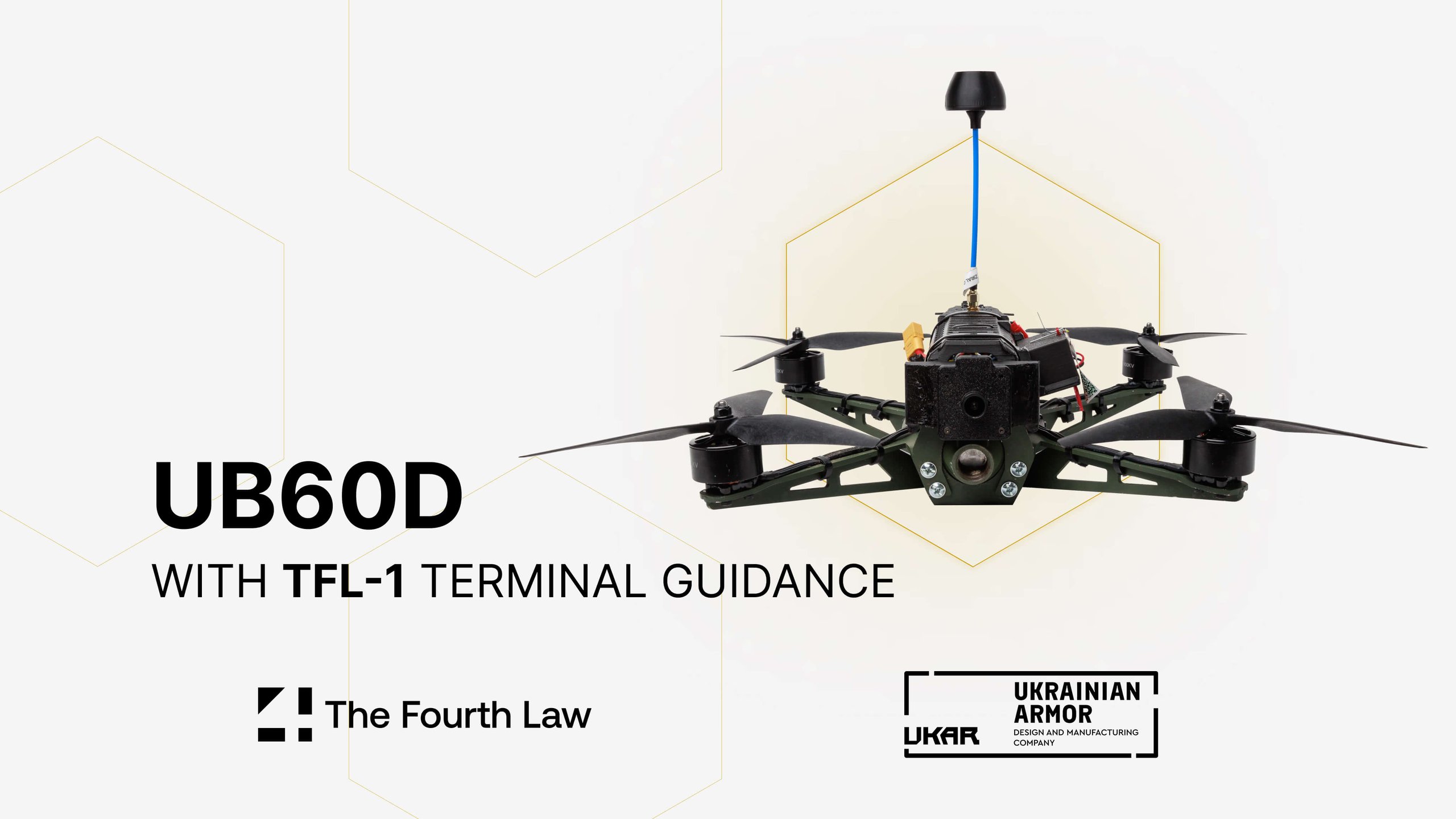
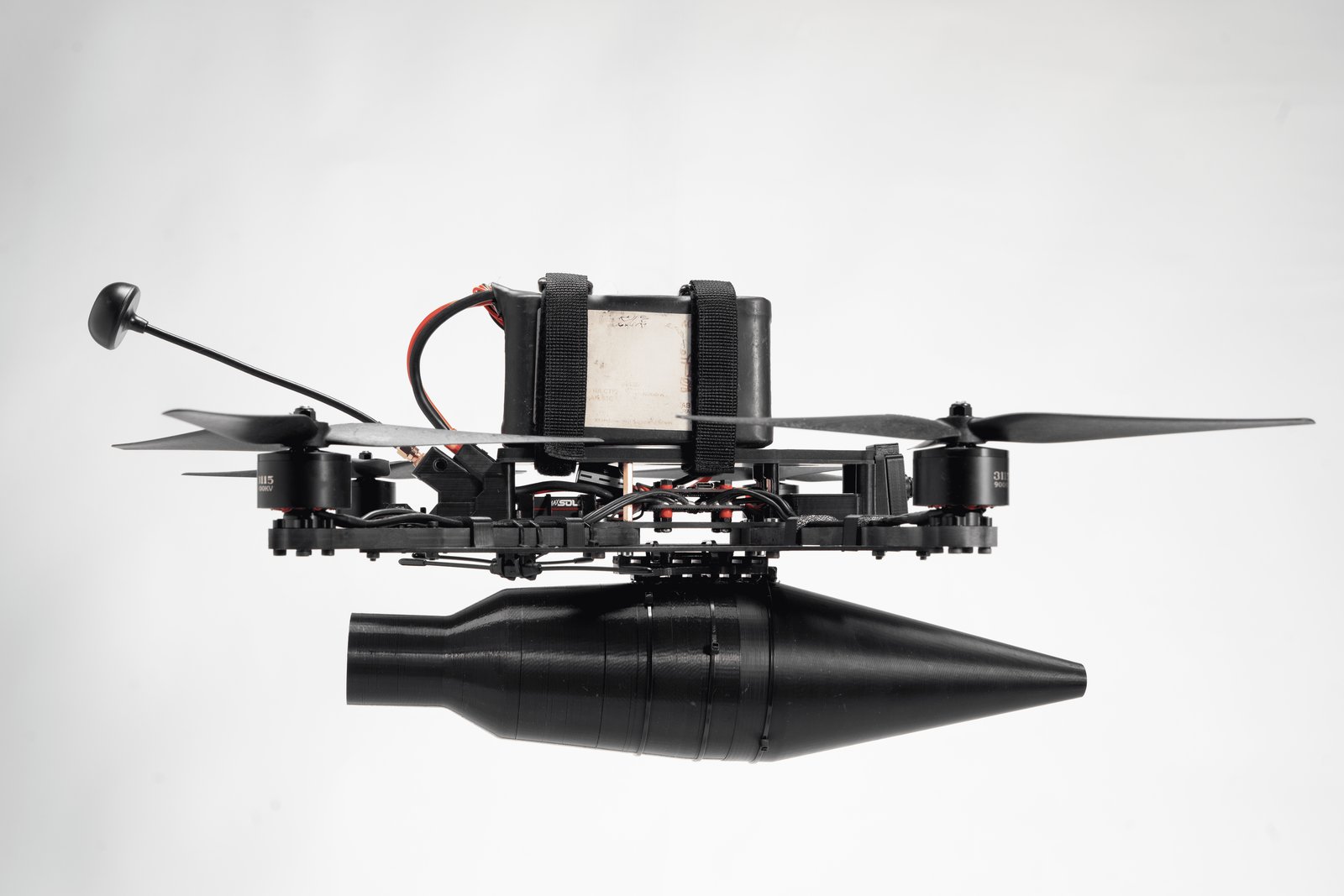
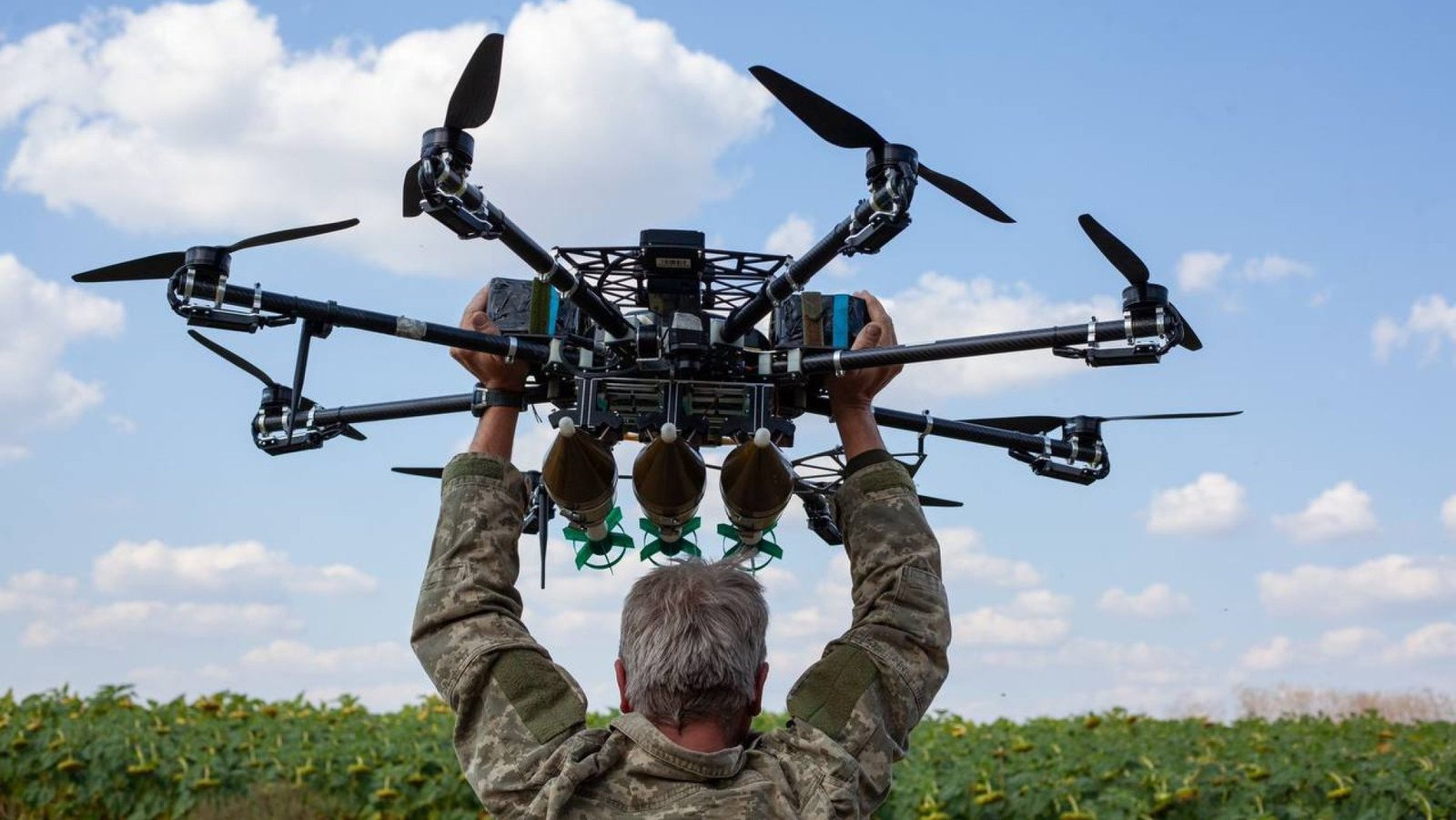
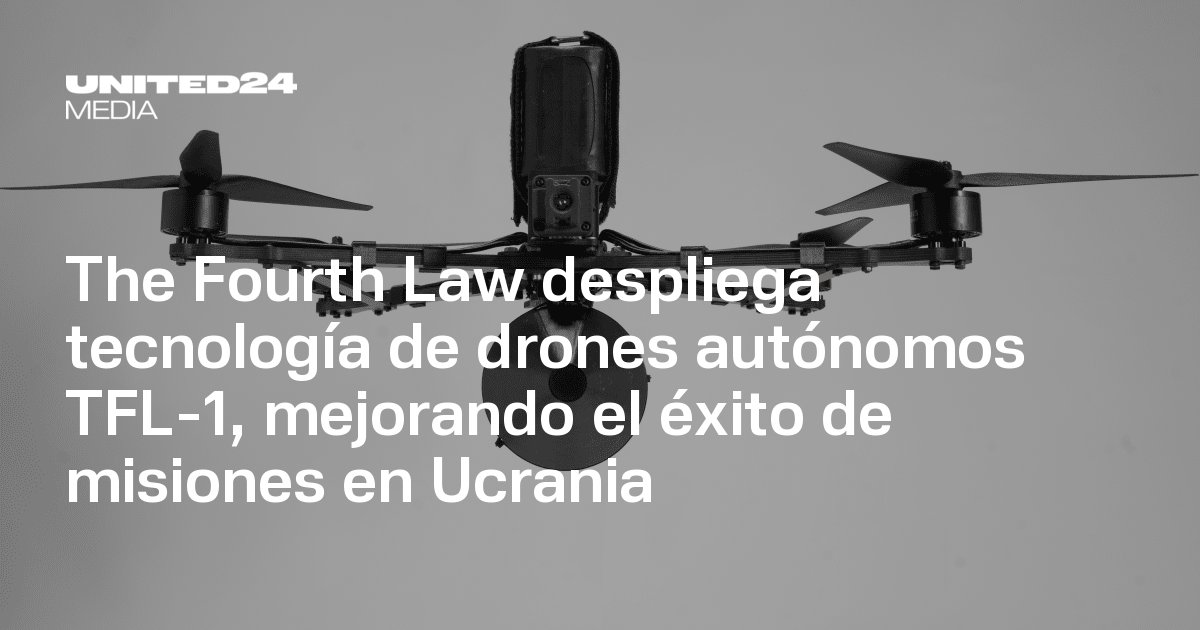
Photos: thefourthlaw.ai · united24media.com
The TFL-1 is an autonomy module developed by the Kyiv-based firm The Fourth Law, introduced in 2024 to address the pervasive challenge of electronic warfare on the Ukrainian front. Designed as a retrofit solution for first-person view (FPV) drones, the system integrates machine-vision AI to guide the aircraft during its terminal phase. According to the manufacturer, the module allows a drone to lock onto a target and navigate autonomously for the final 500 to 1,000 meters, a critical window where radio frequency jamming typically severs the pilot’s video link and control signal. The Fourth Law asserts that this capability makes the system “invulnerable” to electronic warfare and independent of the radio horizon, effectively bypassing the “curtain” jamming tactics employed by opposing forces.
The technical core of the TFL-1 relies on computer vision rather than GPS or remote telemetry for the final approach. The module processes video feeds from onboard cameras—available in twilight, night-vision 256, and night-vision 640 variants—to identify and track the outline of a target. The manufacturer claims this method provides the highest hit rate among similar systems, with strike accuracy estimated at approximately 80%. The system is designed to be modular, integrating with existing FPV platforms from major manufacturers and compatible with software ecosystems like MilBeta and CrashDetect. By handling the final guidance autonomously, the TFL-1 aims to reduce pilot workload, with the company stating that operator training time can be reduced to ten seconds. The hardware is positioned as a cost-effective upgrade, contributing to a total drone cost of $450–$550 when paired with the module.
Ukrainian forces are the primary operators of the TFL-1, utilizing it to enhance the lethality of their unmanned aerial assets against Russian positions. The system has been combat-tested in the ongoing conflict, where it serves to mitigate the effects of sophisticated Russian electronic countermeasures. The Fourth Law has also expanded its portfolio to include integrated platforms such as the Lupynis-10-TFL-1, a 10-inch carbon-frame drone equipped with the autonomy module for semi-autonomous missions up to 30 kilometers, and the Zerov-8, an autonomous interceptor designed to detect and engage hostile UAVs like the Shahed using AI-based thermal detection. The company’s roadmap indicates a progression toward higher levels of autonomy, with future iterations like TFL-2 and TFL-3 planned for cruise missions and autonomous target selection.