Products Spacex
Starshield
systemby Spacex
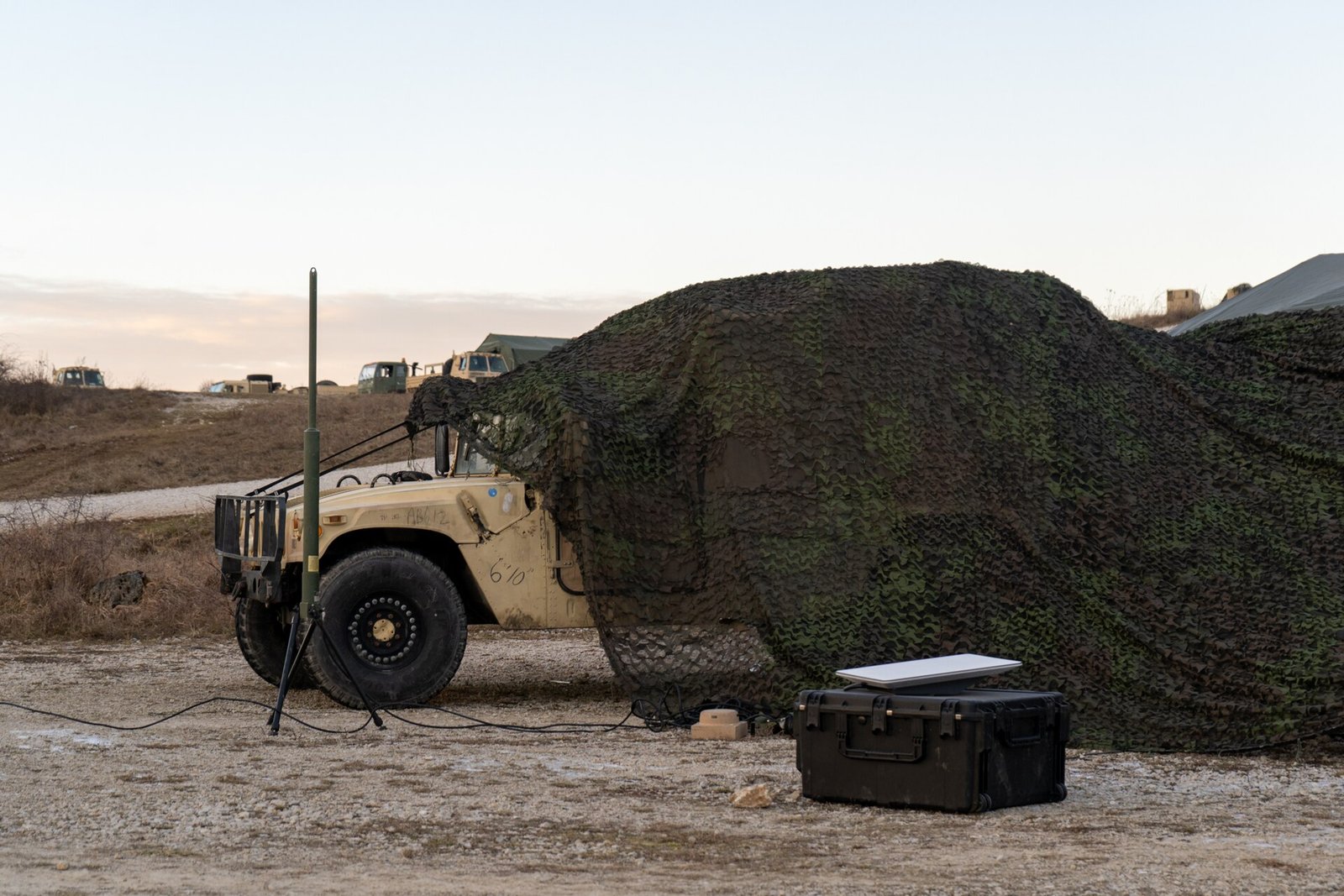
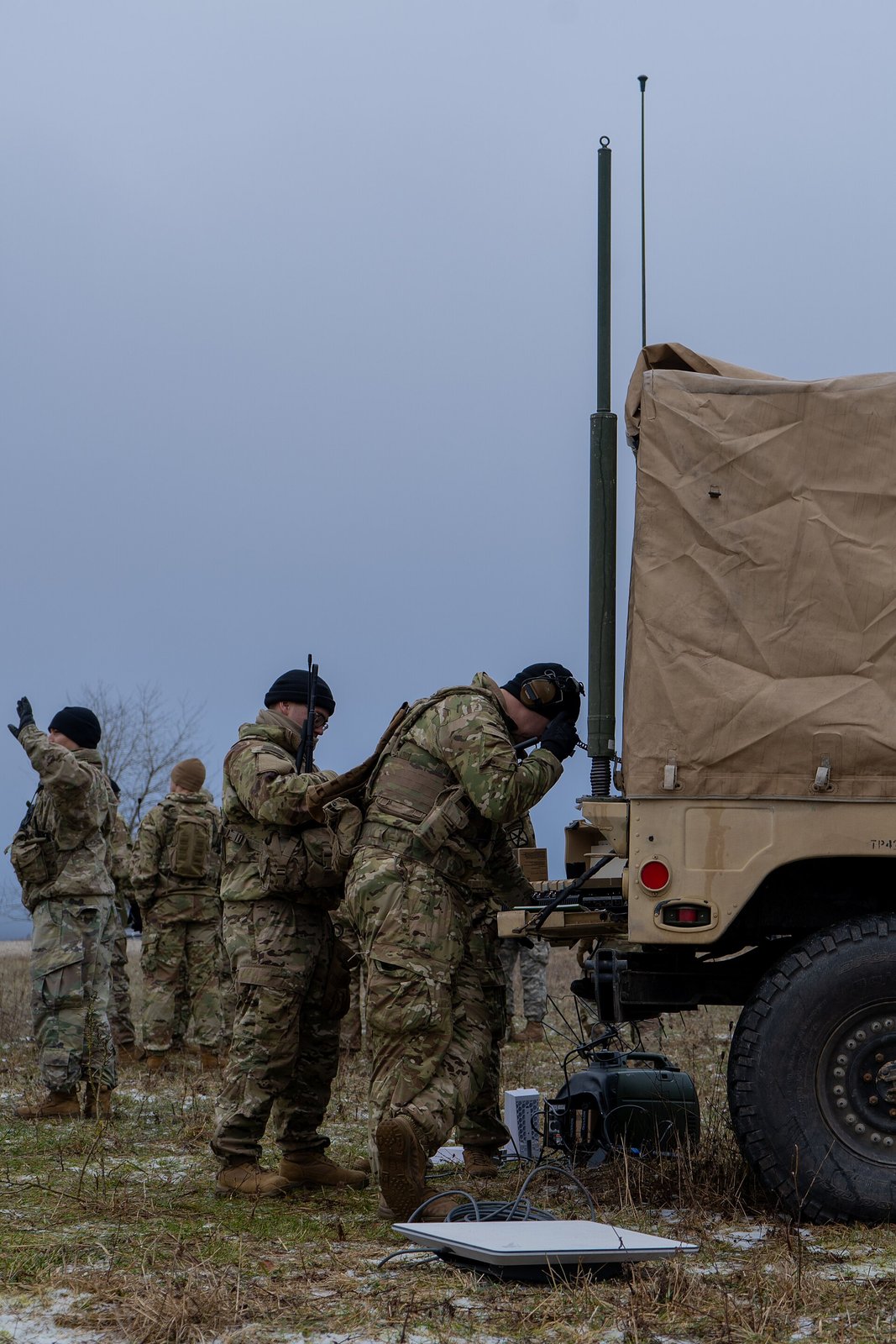
Photos: U.S. Army 105MPAD by Capt. Thomas McCarty · U.S. Army photo by Capt. Thomas McCarty
Starshield is a military satellite programme run by SpaceX through its Starlink subsidiary, dedicated to purpose-built low-Earth-orbit spacecraft for the United States government and allied militaries. The division was publicly named in December 2022, though SpaceX had already entered a $1.8 billion classified contract with the US government a year earlier, revealed in 2023. Primary customers include the Space Development Agency, the National Reconnaissance Office, and the United States Space Force. Where Starlink serves consumers and commerce, Starshield is pitched as the hardened, classified-grade variant for national security use.
The constellation is adapted from the Starlink bus but carries payloads Starlink does not. According to SpaceX, Starshield spacecraft are built around a modular architecture able to host a wide variety of government payloads, with inter-satellite laser links — the same optical terminals Starlink flies at scale — allowing partner satellites to plug into the Starshield mesh. Capabilities disclosed or reported include optical and radio reconnaissance, missile target tracking, and early-warning sensing. The first batch delivered to the Space Development Agency was fitted with infrared sensors intended to detect and track ballistic and hypersonic missiles. SpaceX adds that Starshield uses “additional high-assurance cryptographic capability” on top of Starlink’s end-to-end encryption so that classified payloads and data can be processed in orbit.
Deployments are now substantial. Reuters reported in 2024 that the NRO contract covers a swarm of hundreds of spy satellites for continuous real-time surveillance; operational launches began in May 2024 with NROL-146, with Northrop Grumman named as a hardware partner. As of 2025, at least 183 Starshield satellites had been launched, the most recent being 22 spacecraft on NROL-145 in April 2025. Elon Musk has stated that Starshield systems are owned and controlled by the US government rather than SpaceX. Germany’s foreign minister Johann Wadephul has said Berlin is paying for Starshield services, implying that at least some of the constellation remains under SpaceX ownership and is being sold to allied governments.
The programme’s trajectory is openly expansionist. SpaceX is reported to be a leading contender for contracts under the Golden Dome space weapons architecture. The US Congressional Research Service notes that future SDA satellites in which Starshield participates may carry interceptor missiles, hypersonic projectiles, or directed-energy weapons; SDA director Derek Tournear has said later spacecraft will take on the “extremely difficult” task of maintaining custody of missiles in flight. Eight senior Starshield leaders have separately founded Castelion to mass-produce hypersonic strike weapons, with reporting linking the effort to possible space-based interceptors. Retired four-star general Terrence O’Shaughnessy, formerly of US Northern Command, leads SpaceX’s Special Programs Group, which is widely thought to oversee the classified side of the work.
Starshield’s distinctive position in the field is less about any single sensor than about industrial tempo: a prime contractor that builds the bus, the laser mesh, the user terminals and the launch vehicle, and iterates all of them on the same cadence that put Starlink into orbit. That vertical stack is what the Pentagon is buying, and what competitors in the military-space market are now being measured against.