Products Spacex
Starlink
systemby Spacex
Photos: www.tesmanian.com · www.defenseromania.ro · uk.pcmag.com · www.eurasiantimes.com · Victory Drones (Telegram)
Starlink is a low-Earth-orbit satellite internet constellation operated by SpaceX, introduced to commercial service in 2021 after its first operational launches in 2019. The system was conceived at SpaceX from 2015, is headquartered in Redmond, Washington, and reached twelve million subscribers across more than 160 countries and territories by mid-2026. On SpaceX’s 2025 financials the service posted $11.4 billion in revenue and $4.4 billion in operating income, making it the commercial engine of the parent company. For a civilian broadband product it has become, by accident of timing and geography, one of the most consequential battlefield communications systems of the decade.
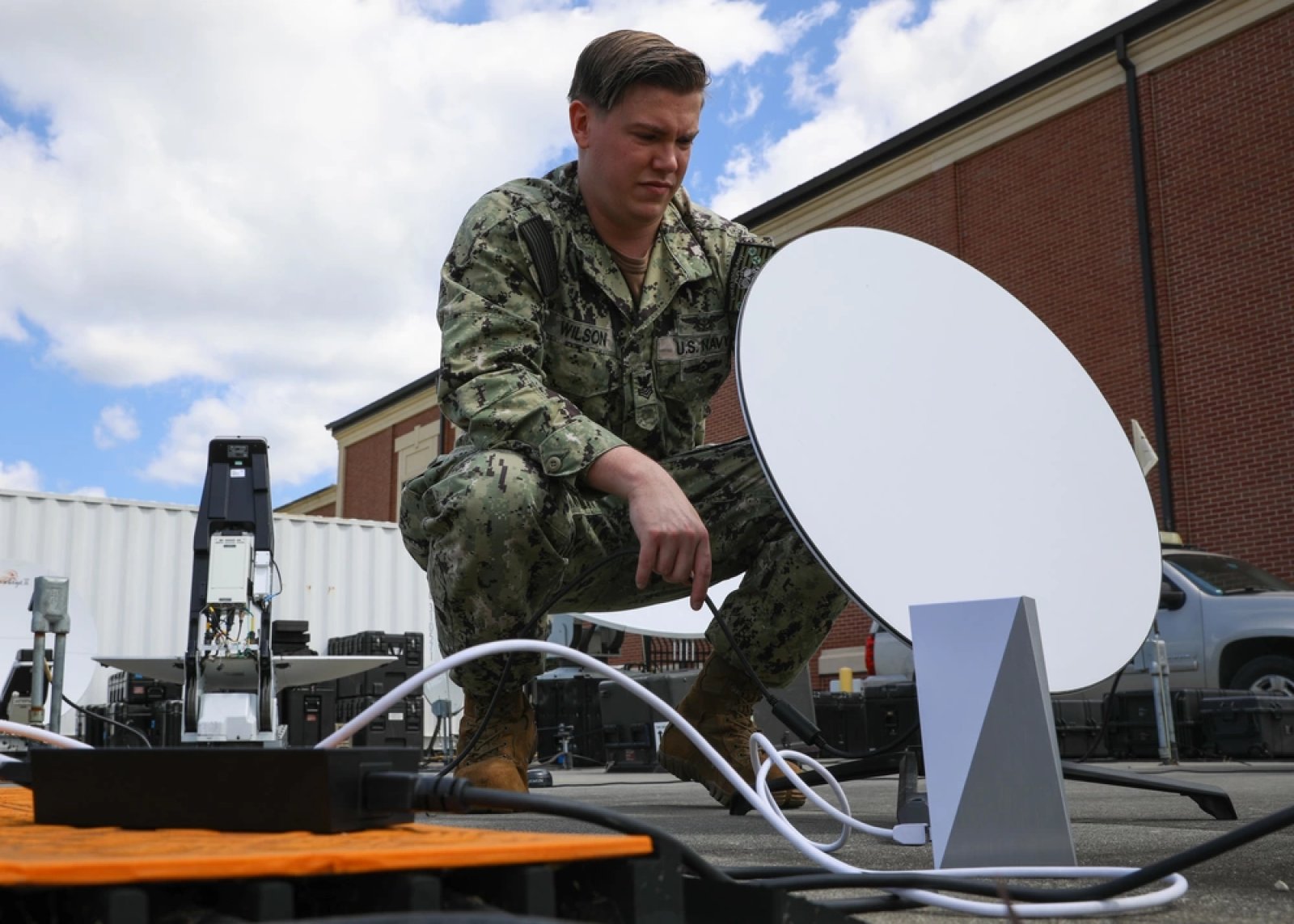
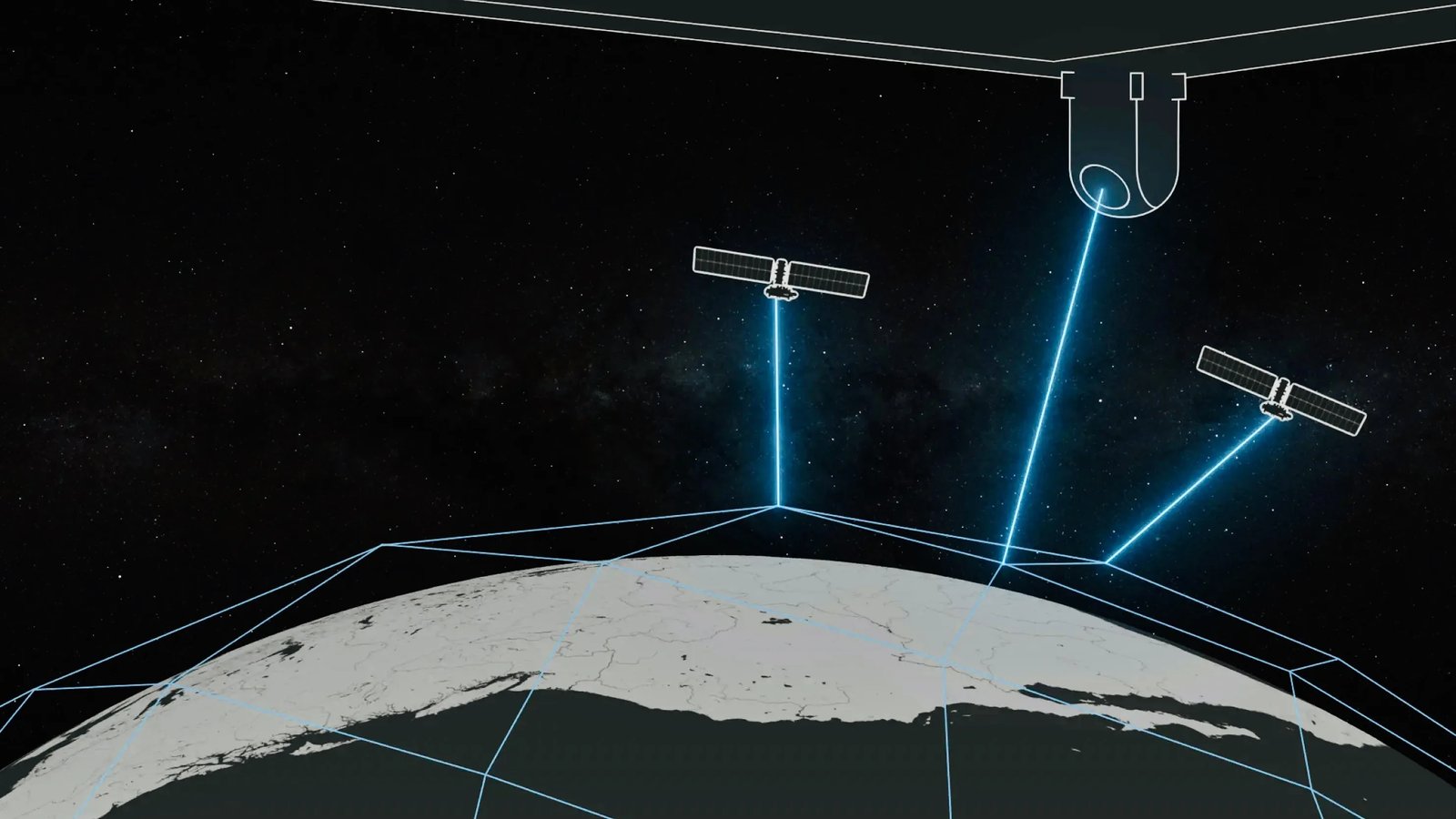
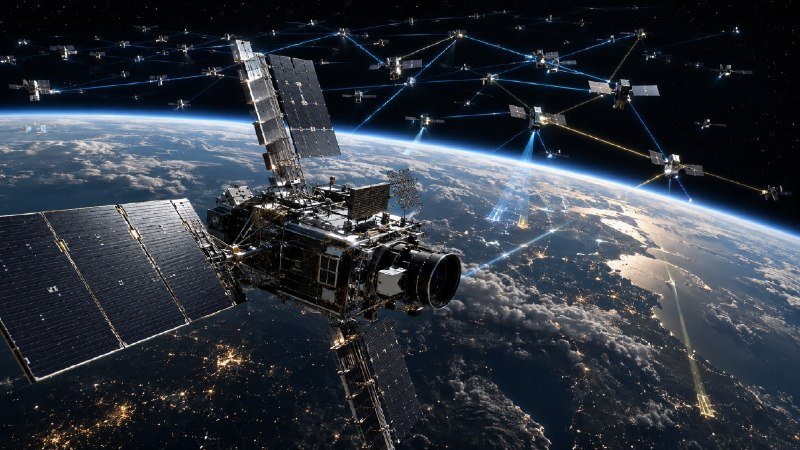
The constellation works by filling low Earth orbit with thousands of small satellites that hand user traffic between themselves over laser inter-satellite links and down to ground gateways, so that a phased-array user terminal — the flat “dish” that steers its beam electronically rather than mechanically — can reach the open internet from anywhere a satellite is overhead. The current V5 user kit, SpaceX says, delivers up to 375+ Mbps and ships in a smaller, more power-efficient form factor than its predecessor; the company also markets a portable Mini terminal and a direct-to-cell service that connects ordinary smartphones through modified satellites. The hardware ladder — Residential, Roam, Mini — is relevant to warfare mostly because the smaller units are field-deployable on vehicles, boats and backpacks without engineering changes.
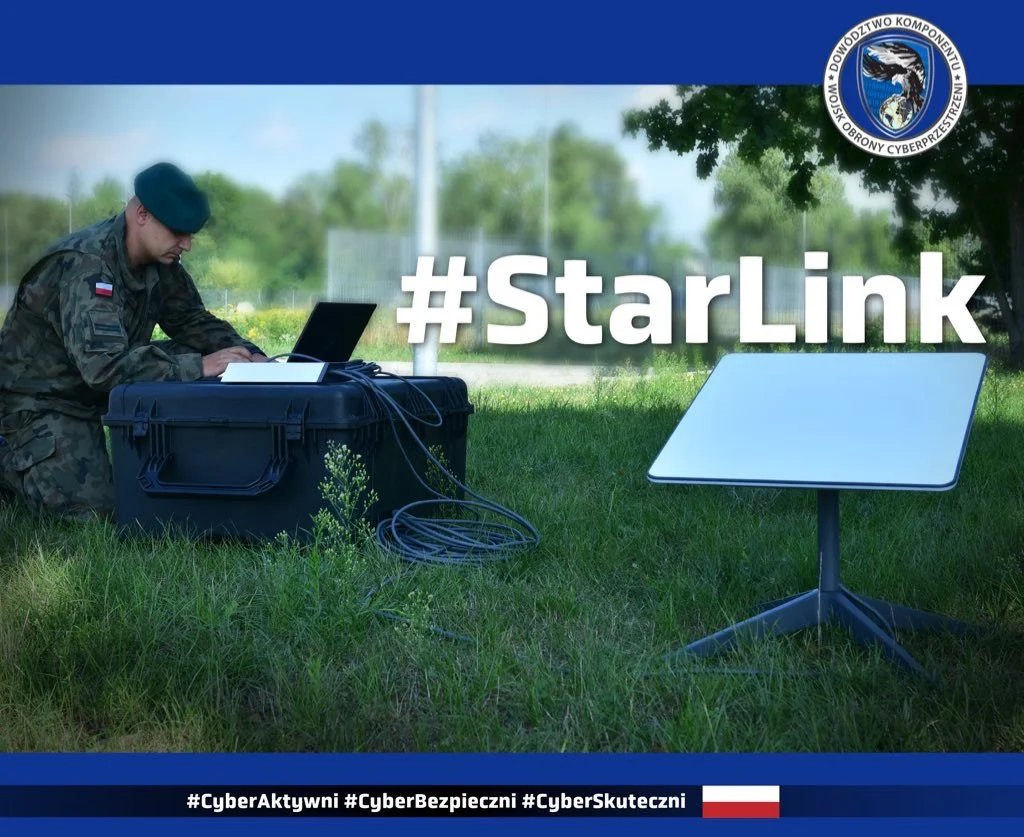
Military adoption followed quickly. In the Russo-Ukrainian war, Ukrainian forces have used Starlink terminals for frontline communications, artillery coordination, and the control of surface and aerial drones, with ongoing disputes between Kyiv and SpaceX over geofencing and service availability in contested areas. Terminals have also appeared in reporting from the Gaza war, from the Mali War and the broader Sahel conflict, and from the 2026 Iran war, where Wikipedia records their use alongside the regime’s own efforts to restrict them. Russian forces have reportedly obtained terminals through third countries despite nominal controls, a pattern Western analysts have been tracking rather than one SpaceX officially acknowledges.
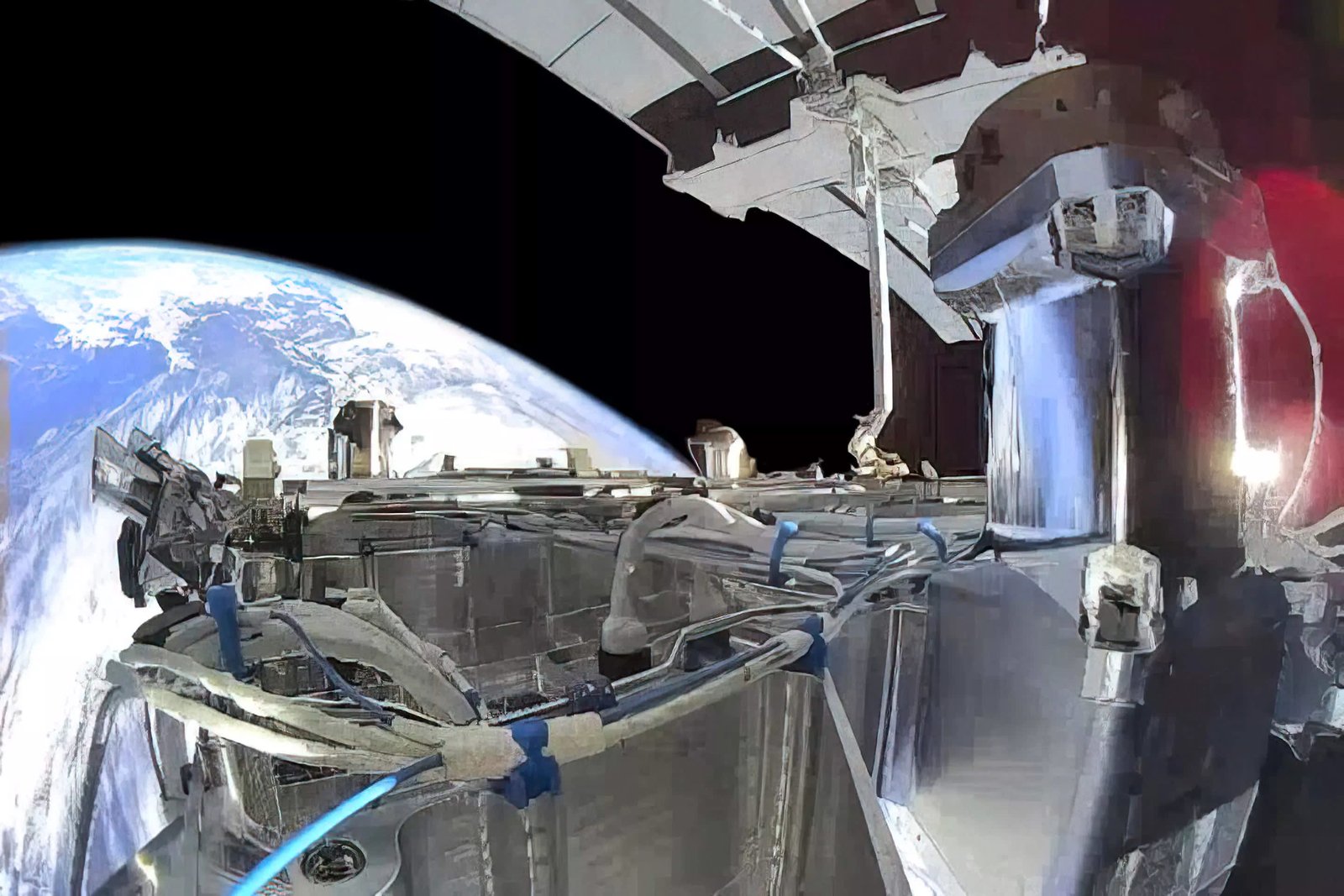
For dedicated military customers SpaceX runs Starshield, a government-and-defence variant with hardened encryption and payload capacity for classified missions, built on the same bus as the commercial satellites. The constellation continues to grow in generations — v1.5 and v2 operational, v3 in initial deployment — and the business increasingly competes with, and in some segments has displaced, legacy geostationary and emerging LEO rivals as the default pipe for connectivity in places where terrestrial networks are absent, overloaded or deliberately denied.