Sky Sentry
Acoustic vector-sensor array for passive detection, classification and tracking of small UAVs at low altitude.
Hardwareby Microflown AVISAIntroduced 2019
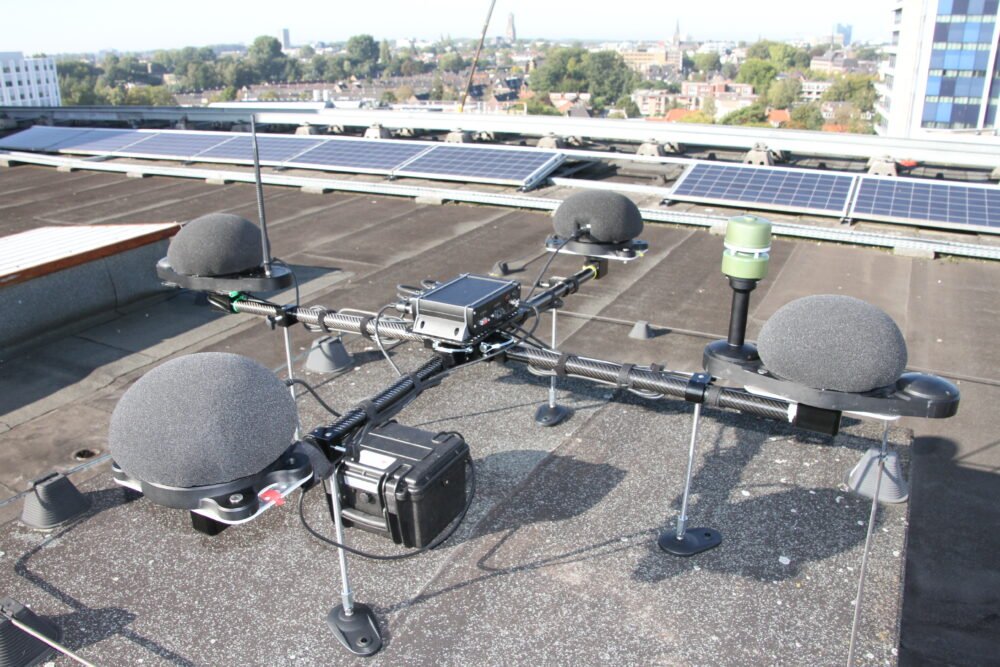
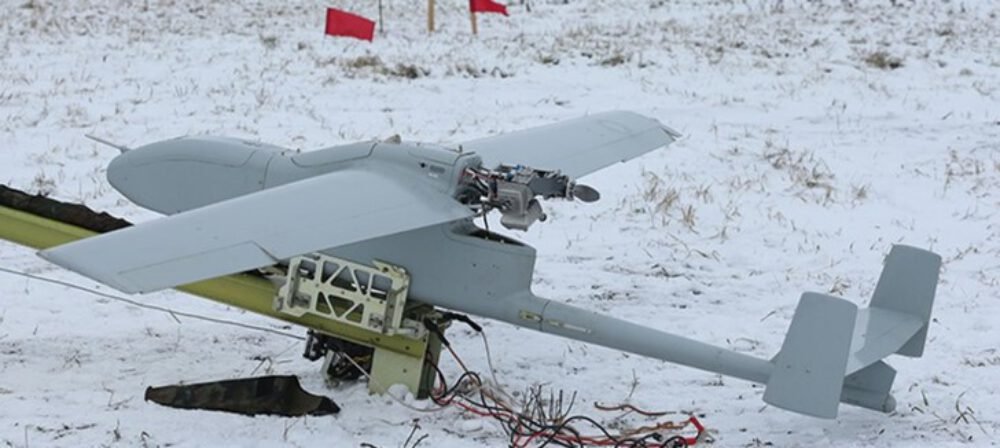

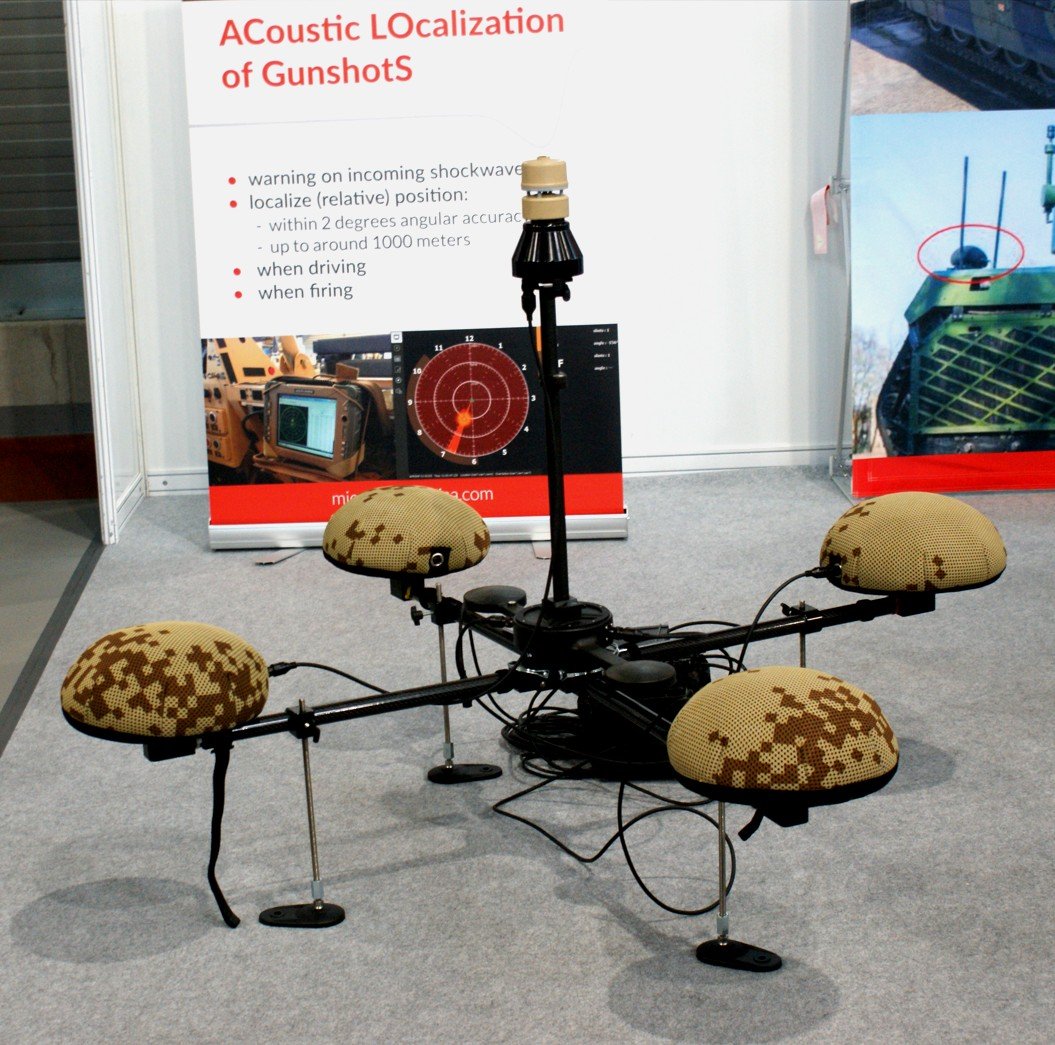
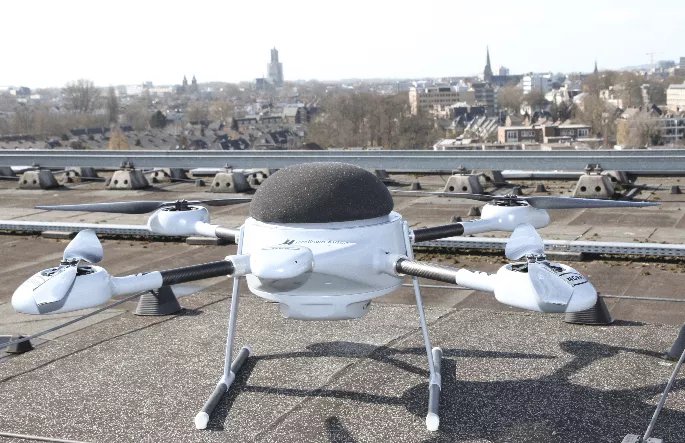
Photos: www.microflown-avisa.com · Microflown AVISA · www.armedconflicts.com · presswire.com
The Sky Sentry is a counter-UAS sensor system developed by Microflown AVISA, a Dutch firm specializing in acoustic vector sensors. Introduced in 2019, the system is designed to address the gap in low-altitude air surveillance, particularly for detecting small, slow, and low-flying unmanned aerial vehicles (UAS) that evade conventional radar. The technology relies on passive acoustic detection rather than active radio frequency emissions, a distinction that makes it suitable for environments where radar visibility is problematic or where operational security requires silence, such as in peer-to-peer conflicts or urban settings.
At the core of the Sky Sentry is the CASTLE sensor node, a device that captures sound across the entire audio spectrum in a full hemispherical bubble. The system does not emit signals; instead, it listens for the acoustic signatures of airborne threats. By dividing the frequency spectrum into bins, the firmware determines the Direction of Arrival for threats based on the convergence of acoustic data points. This allows the system to classify threats by their rotor signatures or engine types, distinguishing between multi-copters, fixed-wing drones, and manned helicopters. The system is marketed as having low size, weight, and power (SWaP) characteristics, allowing it to be deployed as an unattended static sensor or mounted on manned and unmanned vehicles.
Deployment flexibility is a key feature of the Sky Sentry architecture. The CASTLE sensor post can be set up by a single person in less than 10 minutes, making it suitable for rapid protection of critical infrastructure or temporary events. Initial tests cited by the manufacturer indicate a detection range of up to 250 meters for a 2 kg quadcopter and up to 1 kilometer for a 2 kg fixed-wing drone. Manned helicopters can be detected at ranges up to 10 kilometers, though these figures are subject to weather conditions, particularly wind speed and direction. The system is designed to interface with other sensors or effectors, cueing them with bearing and elevation data when a threat is identified.
While the system targets threats such as the Shahed-136 loitering munition, there is no public record of combat-tested deployment or specific military operators fielding the Sky Sentry in active conflict zones. The available documentation focuses on its technical capabilities and potential use cases for homeland security and military authorities rather than a verified combat history. The system remains a sensing component within a broader counter-UAS ecosystem, relying on sensor fusion to handle the increasing affordability and availability of low-cost drones.