SG-1 + Lura
Mass-producible underwater glider swarm paired with Lura large acoustic model AI for persistent subsurface surveillance.
systemby HelsingIntroduced 2024
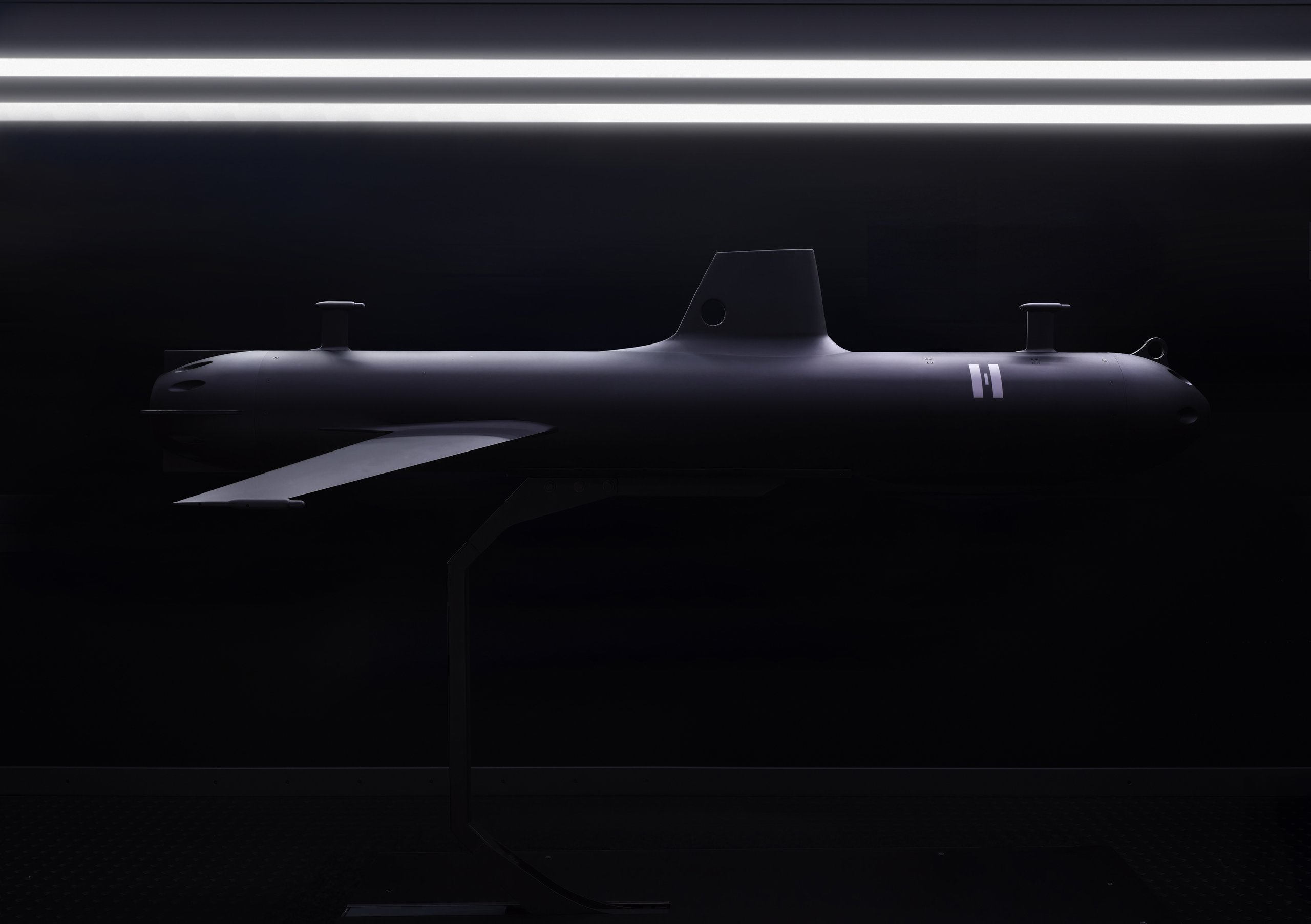
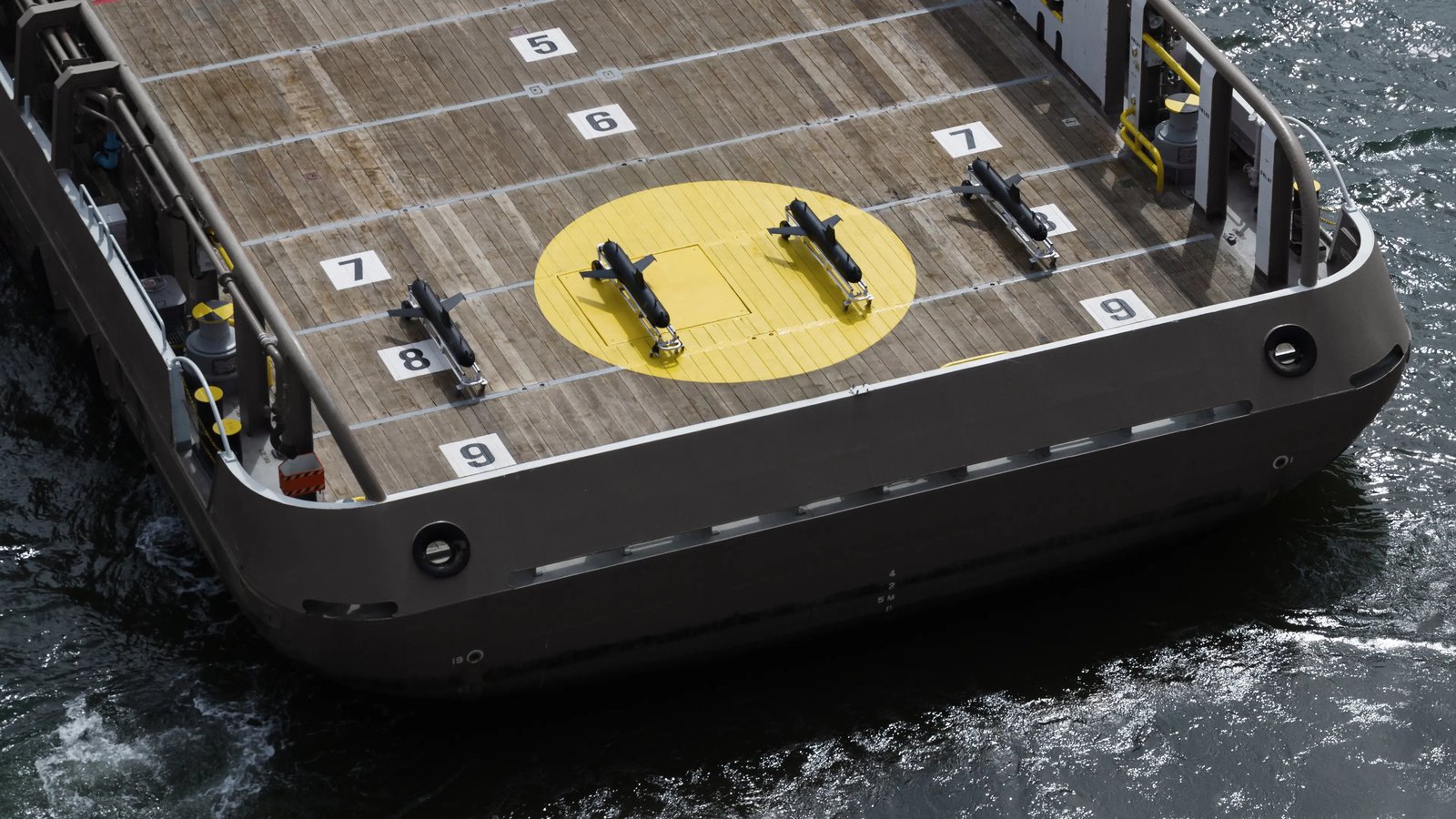
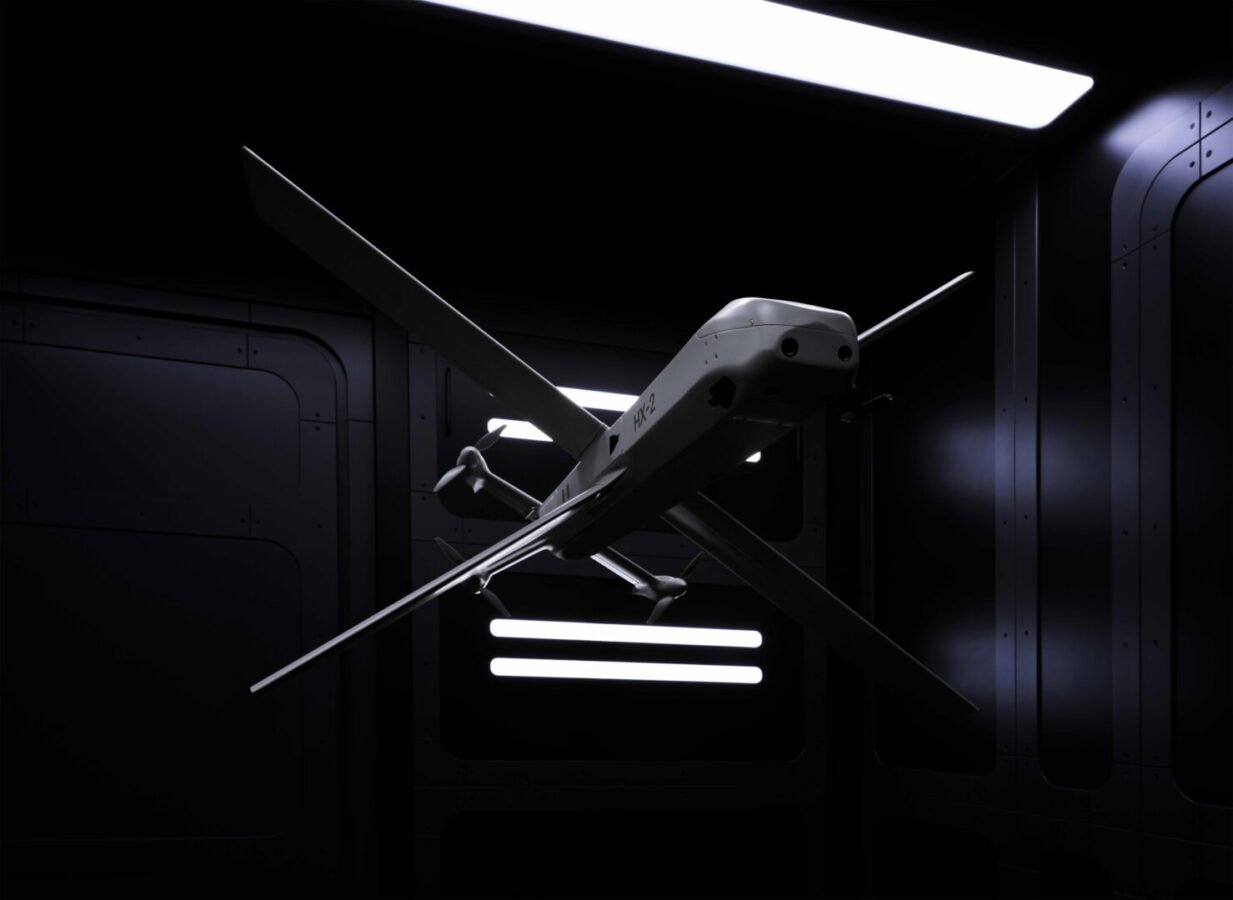

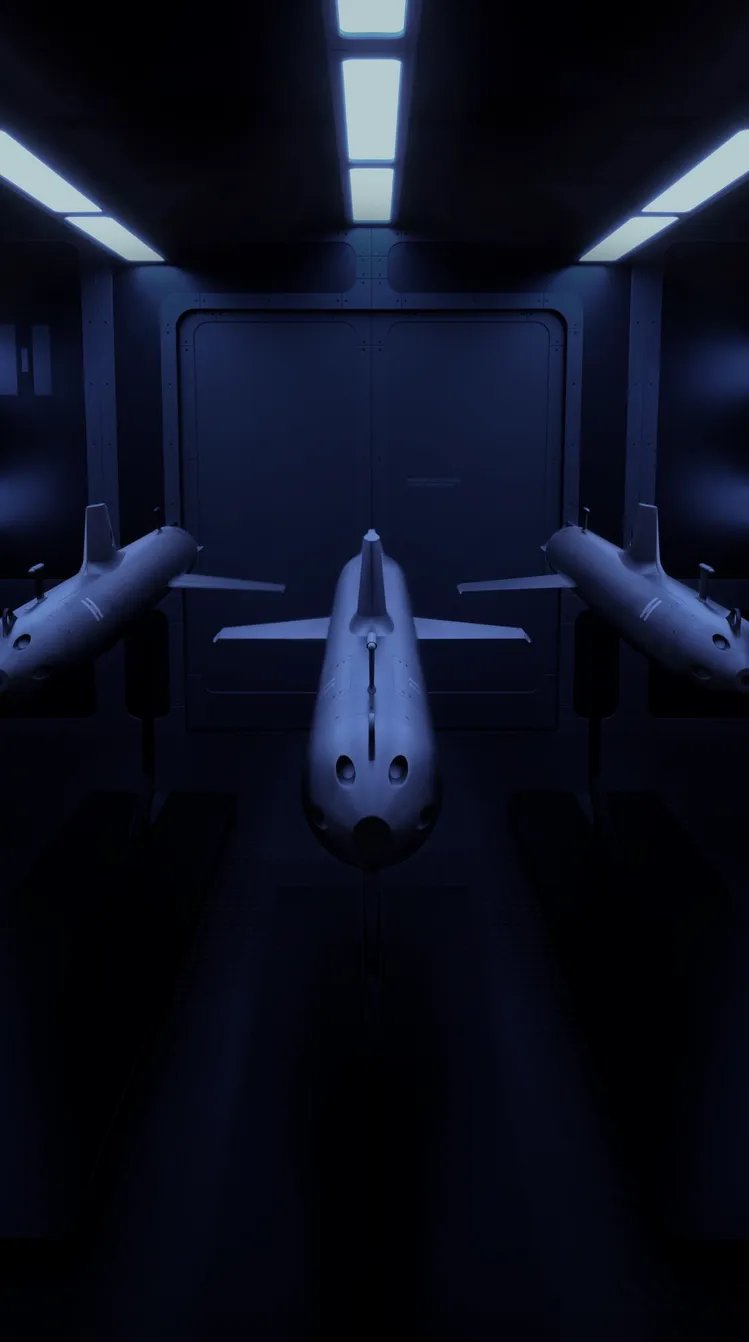
Photos: www.armedconflicts.com · helsing.ai · www.hartpunkt.de
The SG-1 + Lura is an underwater surveillance system developed by the Munich-based defense technology firm Helsing. Introduced in 2024, the system combines the SG-1 underwater glider with the Lura large acoustic model, an artificial intelligence framework designed for subsurface acoustic analysis. Helsing describes the platform as a mass-producible solution capable of swarm deployment, aiming to provide persistent monitoring of maritime environments through edge computing capabilities.
The hardware component, the SG-1, is a seabed-capable glider designed for long-endurance missions. It is engineered to be deployed in swarms, allowing for distributed coverage of large underwater areas. The system’s analytical core is the Lura model, which operates at the edge of the network. This architecture enables single-operator mission management, where the AI processes acoustic data locally on the glider rather than transmitting raw audio to a central server. This approach reduces bandwidth requirements and allows for real-time identification of acoustic signatures, such as those from submarines or surface vessels, directly within the underwater domain.
Helsing positions the SG-1 + Lura as a tool for European militaries to address gaps in undersea situational awareness. The company’s broader portfolio includes air defense systems like the CA-1 Europa and strike drones such as the Altra, indicating a strategic focus on multi-domain autonomous combat systems. The SG-1 represents an expansion into the maritime domain, leveraging the same AI-driven software philosophy applied in their aerial products. The system is marketed as a resilient solution for persistent surveillance, capable of operating in contested environments where traditional sonar networks might be vulnerable or insufficient.
As a newly introduced platform, the SG-1 + Lura has not yet been confirmed in combat zones. There are no public reports of operational deployment in active conflicts such as the war in Ukraine or the Red Sea. Consequently, its performance in high-stress combat scenarios remains unverified. The system’s capabilities are currently defined by its technical specifications and Helsing’s promotional materials, which emphasize the integration of large language models for acoustic data. Independent verification of the Lura model’s accuracy or the SG-1’s durability in harsh marine conditions is not yet available in open-source intelligence.
The introduction of the SG-1 + Lura highlights a trend in modern naval warfare toward autonomous, AI-enabled sensor networks. By combining low-cost, mass-producible gliders with advanced acoustic AI, Helsing aims to democratize undersea surveillance capabilities. This approach mirrors developments in aerial drone warfare, where swarm tactics and edge AI are becoming standard. For European defense planners, the system offers a potential alternative to expensive, manned underwater assets, though its practical efficacy will depend on future field testing and operational deployment.