PLUTON
Passive drone-detection ESM system that identifies approaching UAVs by scanning 500–6000 MHz and matching emissions against a signature database at up to 70 km range.
Hardwareby InfozahystIntroduced 2024
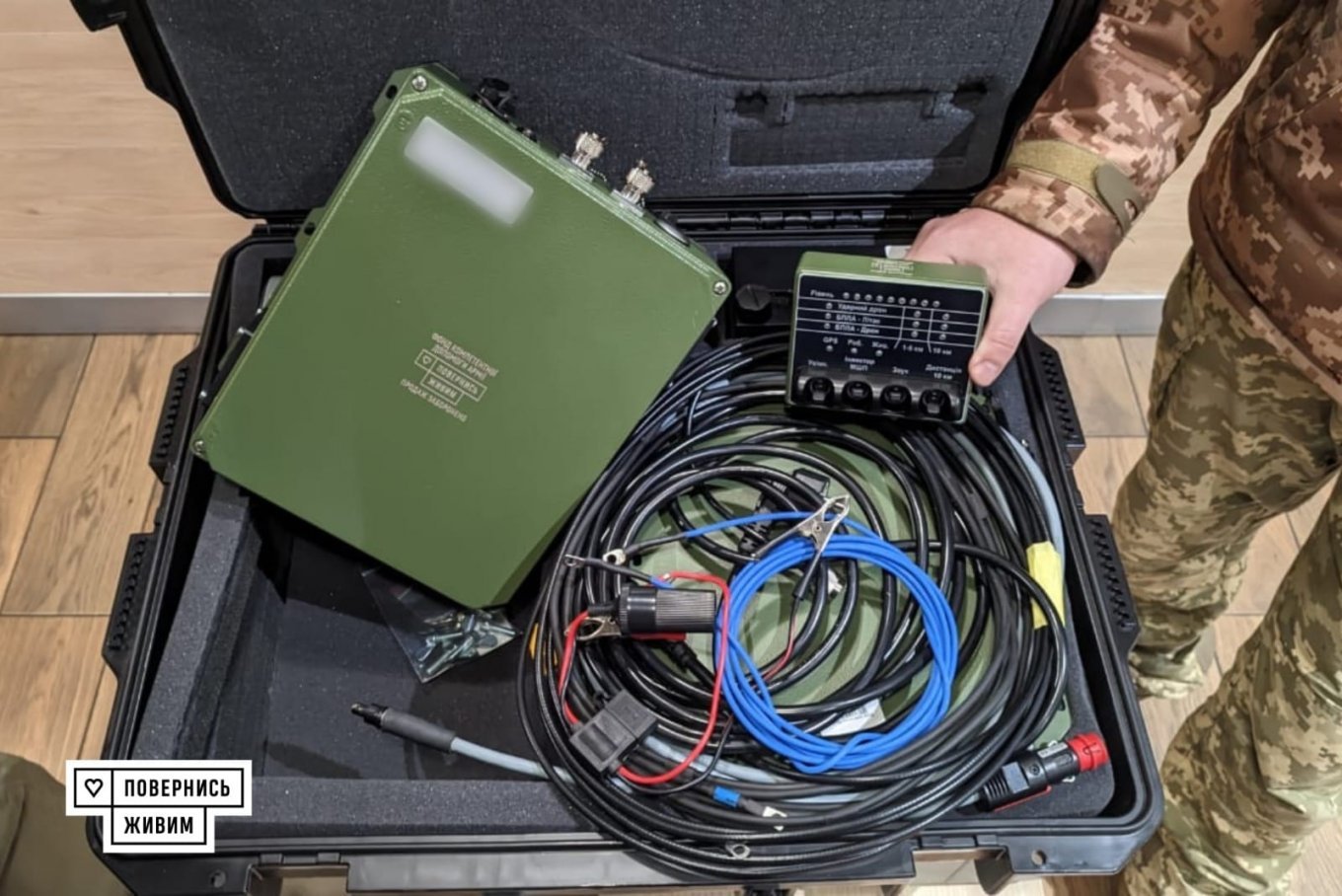
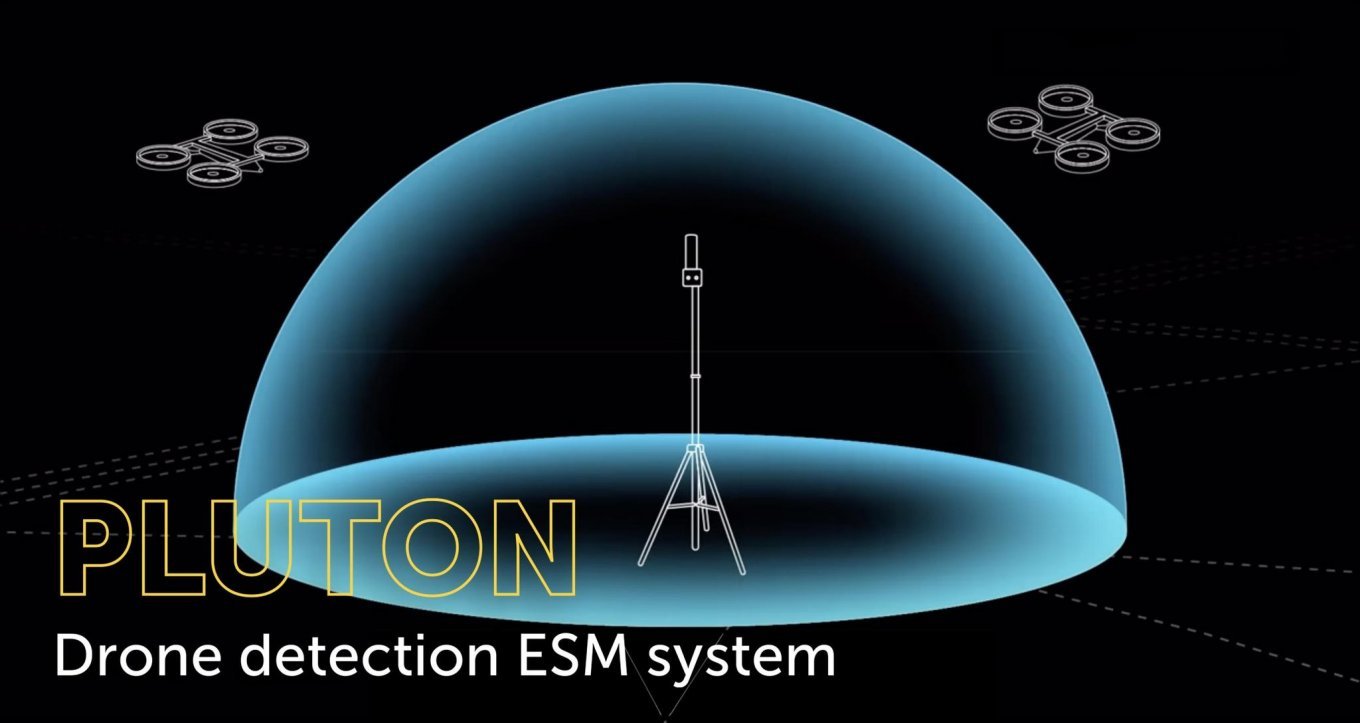
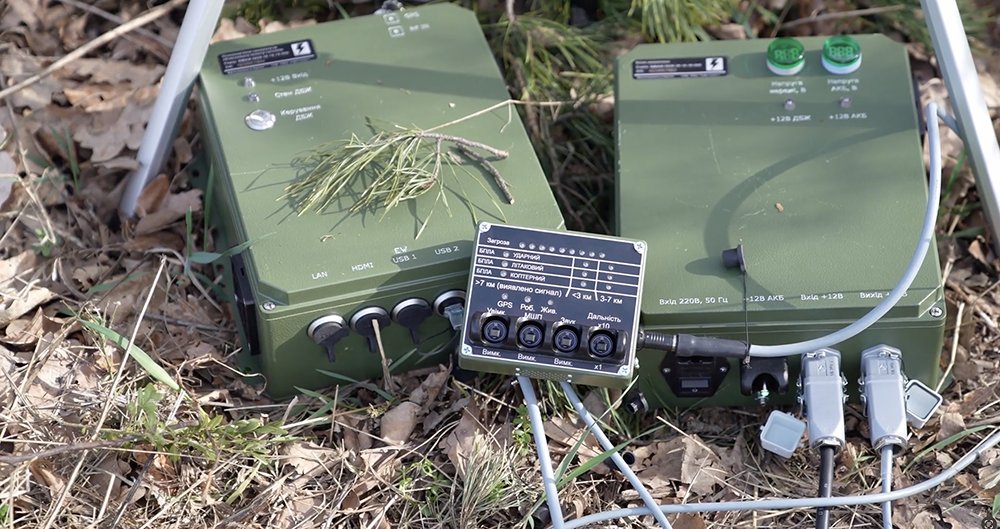
Photos: en.defence-ua.com · Infozahyst
The PLUTON is a passive electronic support measures (ESM) system developed by the Kyiv-based firm Infozahyst, designed to detect and identify approaching unmanned aerial vehicles before they reach their targets. Introduced in 2024, the system operates within the 500–6000 MHz frequency band, scanning for radio frequency emissions generated by UAV control links and telemetry. By matching these emissions against a proprietary signature database, PLUTON can identify specific drone models, such as the Iranian-made Shahed-136 loitering munition, which has been extensively used by Russian forces against Ukrainian infrastructure. The system’s detection range extends up to 70 kilometers, providing early warning capabilities that allow air defense units to engage threats at greater distances.
Technically, the PLUTON functions as a dedicated counter-drone sensor rather than a jammer or kinetic interceptor. It relies on passive reception, meaning it does not emit its own signals, thereby avoiding detection by enemy electronic warfare systems. The hardware is capable of performing approximately 50 scans per second, allowing it to track multiple targets simultaneously within its coverage area. The system is designed for portability and rapid deployment, featuring a battery life of four hours, which facilitates its use by mobile units. It is intended for integration into the defensive perimeters of company and battalion-level strongholds, artillery batteries, and command posts. The manufacturer highlights its utility in protecting high-value assets, including HIMARS rocket artillery systems, which are frequent targets of Shahed attacks.
Ukrainian forces have deployed the PLUTON system in active combat zones to bolster their air defense networks. Its primary adversary in the field is the Shahed-136, a low-cost, glide-bomb-style drone that relies on satellite navigation and radio control. By identifying the specific RF signature of the Shahed’s control link, PLUTON allows Ukrainian operators to distinguish these threats from civilian air traffic or other non-hostile drones. This identification capability is critical for prioritizing limited interceptor resources, such as surface-to-air missiles or anti-aircraft artillery, against the most imminent dangers. The system’s ability to operate in the VHF and UHF bands makes it particularly effective against the types of commercial-grade radios commonly adapted for military drone control.
Infozahyst, the developer of PLUTON, has a broader portfolio of signals intelligence and electronic warfare systems, including the Khortytsia-M COMINT complex and the Plastun-RP3000 direction-finding system. The company’s focus on domestically produced, NATO-standard-compliant hardware has made it a key supplier to the Ukrainian military. The PLUTON represents a shift towards specialized, software-defined detection solutions that complement kinetic air defense. As the war continues to evolve with new drone variants and electronic countermeasures, systems like PLUTON provide a vital layer of passive detection that is resistant to traditional jamming tactics. The system’s deployment underscores the importance of electronic signature management in modern aerial warfare, where identifying the source of a threat is as important as destroying it.