PAC-3 MSE
Hit-to-kill interceptor for the Patriot air-defence system, optimised against ballistic and cruise threats.
Missile / loitering munitionby Lockheed MartinIntroduced 2015 · Updated 2026-09-10
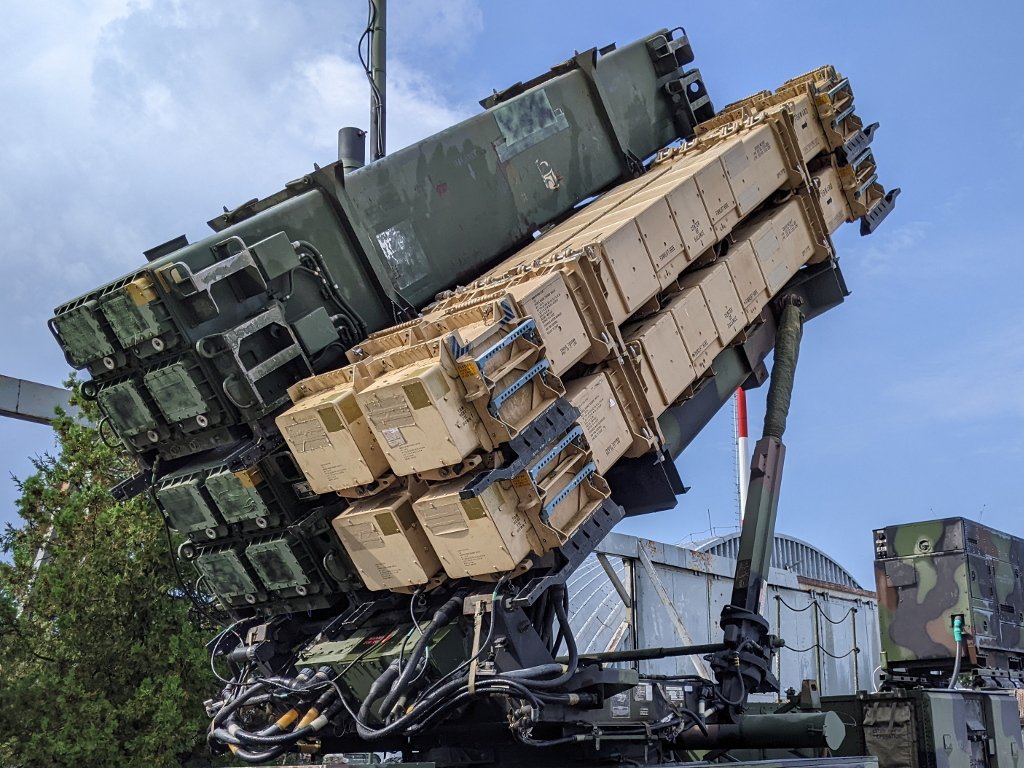 PAC-3 MSE round on display at the Slovak International Air Fest, 2022.
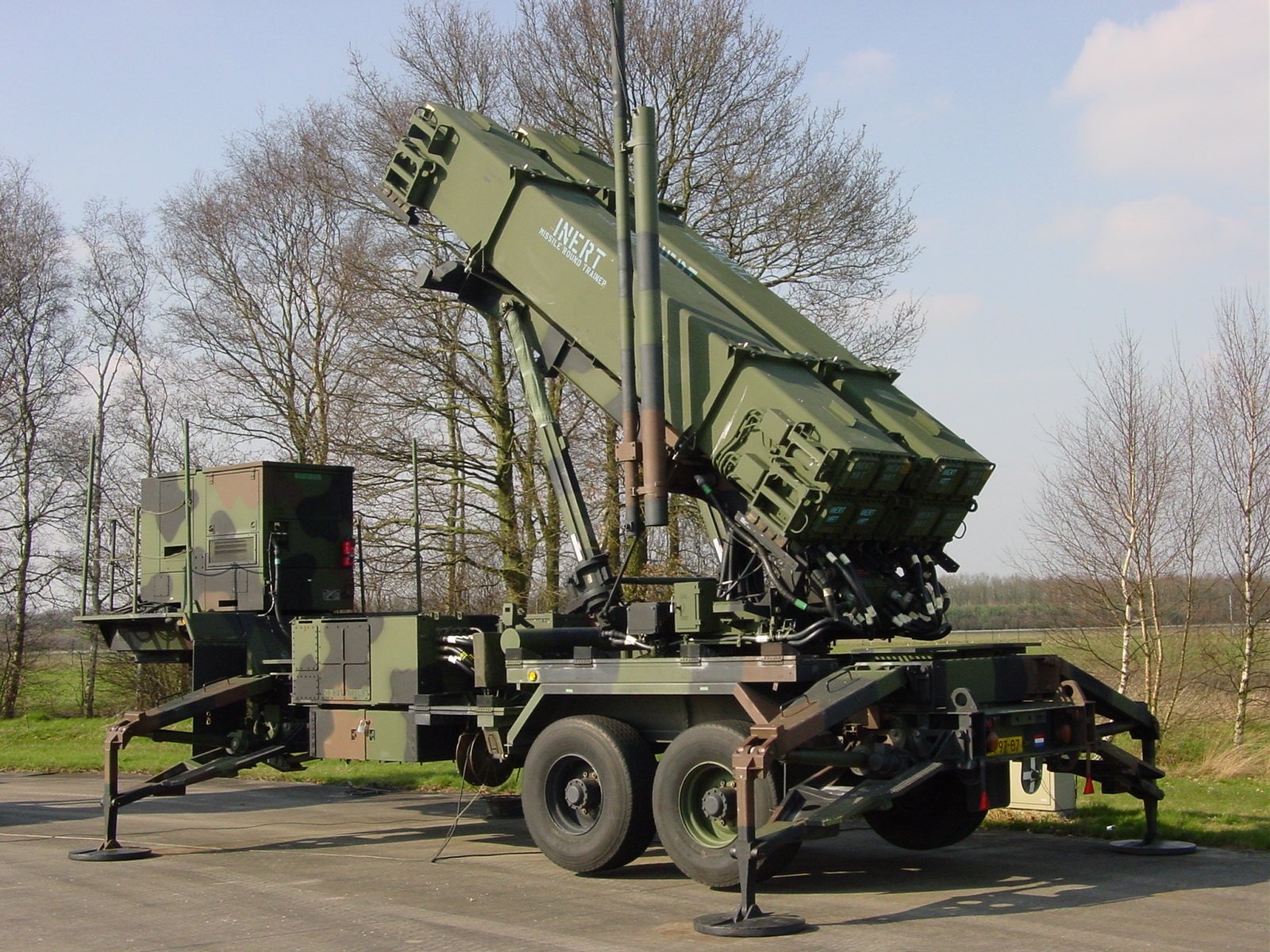 Dutch Patriot launcher configured for PAC-3 rounds.
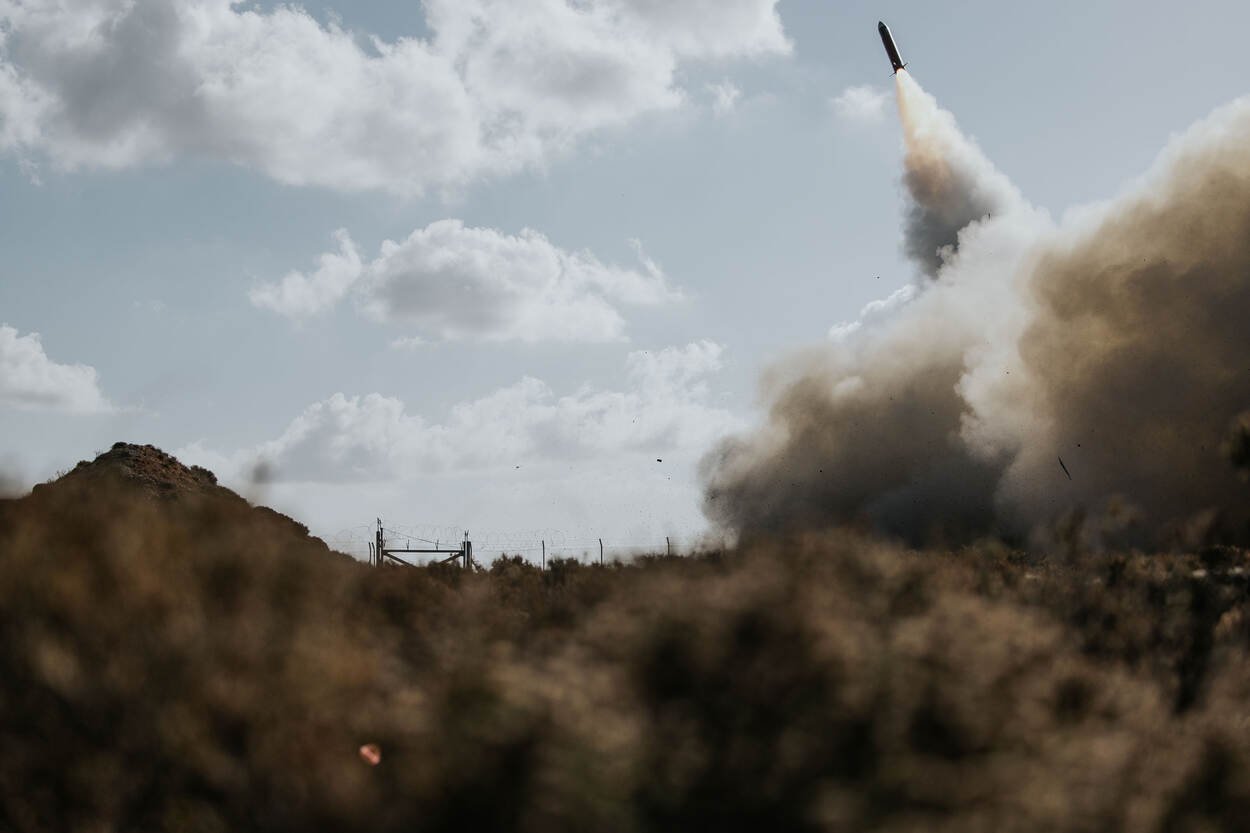 Dutch Patriot battery deployed in Poland.
Photos: Boevaya mashina / Wikimedia Commons (CC BY-SA 3.0) · Ministerie van Defensie / Wikimedia Commons (CC BY-SA 4.0) · Defensie / Wikimedia Commons (CC BY-SA 4.0)
Videos



PAC-3 MSE is the interceptor the West reaches for when the incoming threat is a ballistic missile. Built by Lockheed Martin Missiles and Fire Control, it is fired from the same Patriot launchers as the older PAC-2 GEM-T but works on an entirely different principle. PAC-2 carries a 90 kg fragmentation warhead and tries to detonate close enough to shred its target. PAC-3 carries no explosive at all. It hits the target and destroys it with kinetic energy alone.
The MSE — Missile Segment Enhancement — is the current production standard, introduced in 2015. A larger dual-pulse solid motor and bigger control fins roughly double the reach of the earlier PAC-3 CRI: about 120 km against aircraft and cruise missiles, roughly 60 km against ballistic targets, and a ceiling near 36 km. Terminal guidance comes from an active radar seeker in the nose, with a ring of small attitude-control thrusters that shift the missile body in the final fraction of a second, because hitting a manoeuvring warhead directly leaves no margin for error. It is a physically smaller round than PAC-2, which is why an M903 launcher carries twelve of them against four GEM-T.
Poland is now part of how it gets built
Poland is the most interesting industrial story attached to this missile, and it began as a customer relationship. Under Phase I of the Wisła air-defence programme, contracted in 2018 for $4.75 billion, Poland bought two Patriot batteries: four AN/MPQ-65 radar sets, four engagement control stations, sixteen M903 launch stations and 208 PAC-3 MSE rounds, integrated with the IBCS battle-management system. Phase II expanded the order substantially.
What has changed is that Polish industry now builds parts of the interceptor rather than just buying it. WZE S.A. of Zielonka, a subsidiary of the state defence group PGZ, manufactures the Attitude Control Section — the thruster pack that steers the missile through its final hit-to-kill manoeuvre, which is about as close to the heart of the weapon as a component gets. The Polish production line was verified against US government standards in 2025, and the first Polish-built units are scheduled for delivery to the United States in 2027. That direction of travel matters: the parts flow outward from Poland into the American supply chain, not merely inward to Polish batteries.
The work has widened since. In August 2026 Lockheed Martin placed a purchase order with WZE for Enhanced Launcher Electronic Station and J-Box units to support planned Polish production volumes, and at the MSPO defence exhibition in September 2026 WZE signed agreements with both Lockheed Martin and Raytheon — the latter covering energy-storage assembly modules for the LTAMDS radar, on which WZE is the first non-US supplier under Wisła Phase II offset work. PGZ completed a hardware-in-the-loop demonstration of Polish-developed capability earlier the same year. Brian Kubik, Lockheed Martin’s vice-president for PAC-3 programmes, framed the rationale plainly: Poland offers engineering talent and manufacturing capacity.
The context for all of it is a supply problem. Annual PAC-3 MSE output stands at roughly 700 rounds, against a stated ambition of 2,000 a year by 2030, while orders from Poland, Germany, Romania, Ukraine and the US Army compete for the same line. Distributing production across NATO members is partly industrial policy and partly arithmetic.
Combat experience
Sources
- en.wikipedia.org/wiki/MIM-104_Patriot (2026-09-10) — Comparative specification table for PAC-2, GEM-T, PAC-3 CRI and PAC-3 MSE, and the manufacturer split between Raytheon (system, radar, launchers) and Lockheed Martin (PAC-3 family).
- defence-industry.eu/lockheed-martin-expands-pac-3-mse-production-in-poland-to-strengthen-nato-supply-chains-and-accelerate-interceptor-output/ (2026-09-10) — Reports WZE's attitude-control system production, the 2025 verification of the Polish line to US government standards, first delivery to the US in 2027, the August 2026 Enhanced Launcher Electronic Station and J-Box order, and the Brian Kubik quote.
- defensehere.com/en/polands-wze-to-produce-patriot-missile-components/ (2026-09-10) — Names WZE S.A. of Zielonka as a PGZ subsidiary, separates the Lockheed Martin work (ACS for PAC-3 MSE) from the Raytheon work (energy-storage assembly modules for the LTAMDS radar), and records WZE as the first non-US supplier under Wisła Phase II.
- www.lockheedmartin.com/en-us/news/features/2024/lockheed-martin-strengthens-collaboration-with-polish-defense-industry-for-pac-3-mse-production.html (2026-09-10) — Lockheed Martin's own account of the Polish industrial collaboration on PAC-3 MSE.
- www.armyrecognition.com/news/aerospace-news/2026/poland-buys-pac-2-gem-t-interceptor-missiles-to-expand-patriot-air-defense-shield-on-nato-eastern-flank (2026-09-10) — Gives the Wisła Phase I package — $4.75bn, two batteries, four AN/MPQ-65 radars, four engagement control stations, sixteen M903 launchers, 208 PAC-3 MSE rounds and IBCS integration.
- www.defensemagazine.com/article/poland-secures-us-approval-for-pac-3-mse-production-and-strengthens-layered-gbad (2026-09-10) — Covers the US approval for Polish PAC-3 MSE production work and the roughly 700-per-year current rate against the 2,000-by-2030 ambition.