Optical Drone Navigation Module
GPS-denied navigation stack using optical flow and visual odometry to guide drones in jammed or contested environments.
Softwareby Abto SoftwareIntroduced 2023
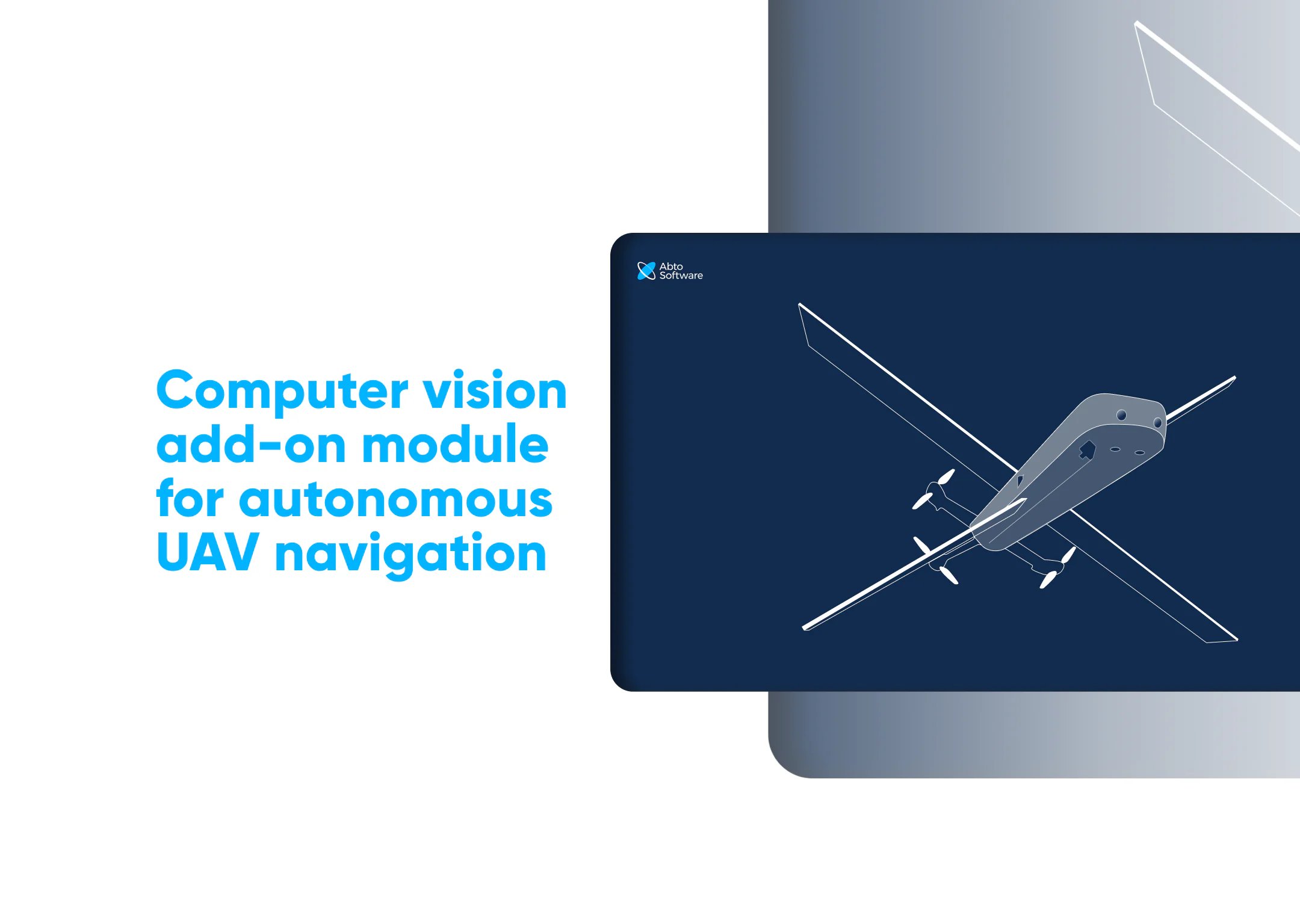
Photo: www.abtosoftware.com
The Optical Drone Navigation Module is a software package developed by Abto Software, a Lviv-based development house that shifted parts of its computer-vision practice toward defence work after Russia’s 2022 invasion. First fielded in 2023, the module is intended as a substitute for satellite navigation on unmanned aerial vehicles operating in environments where GPS is jammed or spoofed — the standard condition across most of the front line in Ukraine, where Russian electronic-warfare units blanket the airspace with signals that leave a satellite-dependent drone effectively blind above hostile territory.
The system works from the drone’s own camera feed. Optical flow — the frame-to-frame displacement of features across the video image — combined with visual odometry translates what the camera sees into an estimate of the airframe’s motion and position, with no need for either a GPS fix or a live radio link back to the operator. That combination is common across the wider field of GPS-denied navigation; the OpenCV library provides most of the standard implementations of the underlying algorithms. Abto’s public descriptions of the module frame it as an AI computer-vision stack rather than a purely geometric one, suggesting neural components for feature extraction or scene understanding sit alongside the classical optical-flow pipeline. The onboard workload for this kind of module typically lands on an embedded accelerator such as the NVIDIA Jetson family, though Abto’s specific target hardware is not publicly disclosed.
Ukraine is the disclosed operator. Its defence sector has spent the war absorbing dozens of small computer-vision modules of this type from local software houses, and Abto’s is one of a cohort that includes an FPV terminal-targeting stack from the same firm. Neither the number of aircraft carrying the module nor specific units fielding it has been published; combat use is asserted by the manufacturer rather than independently attributed in open reporting.
Development sits inside the wider race that Russian jamming has forced on Ukrainian drone operators. As electronic-warfare coverage tightened through 2023 and 2024, radio-guided first-person-view drones and satellite-navigated fixed-wing scouts both became increasingly vulnerable, and vision-based navigation moved from a research topic to a fielded necessity. Abto’s module is one entry among many — Swarmer and other Ukrainian defence-software firms have pushed adjacent autonomy stacks — in a market whose product cycle is now measured in weeks rather than years, and where the software layer, more than the airframe, tends to decide whether a drone completes its run.