MQ-8C Fire Scout
Autonomous shipboard rotary-wing UAV for ISR and targeting from Navy surface combatants.
Droneby Northrop GrummanIntroduced 2015
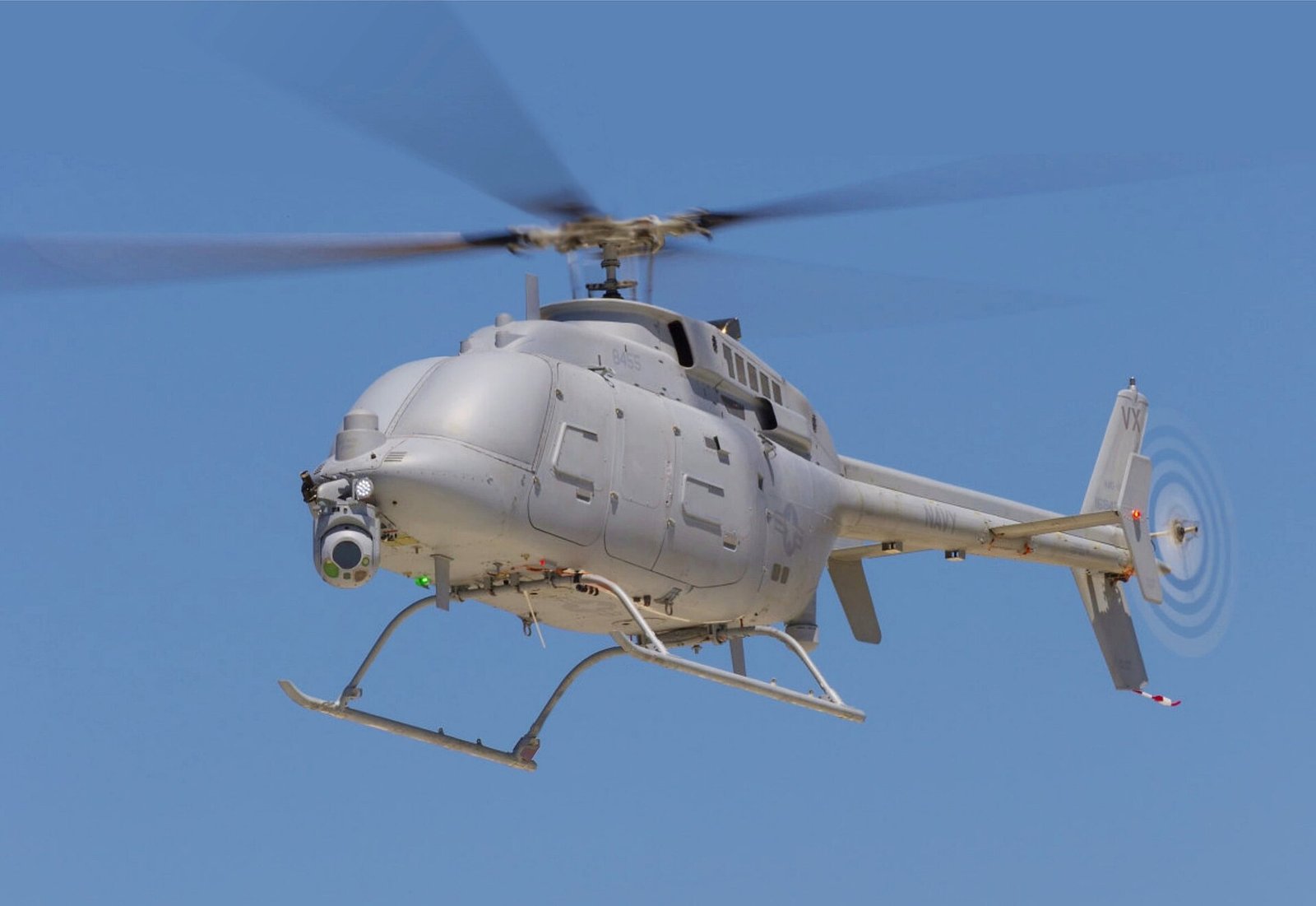
Photos: Wikipedia · Northrop Grumman · U.S. Navy · US Navy
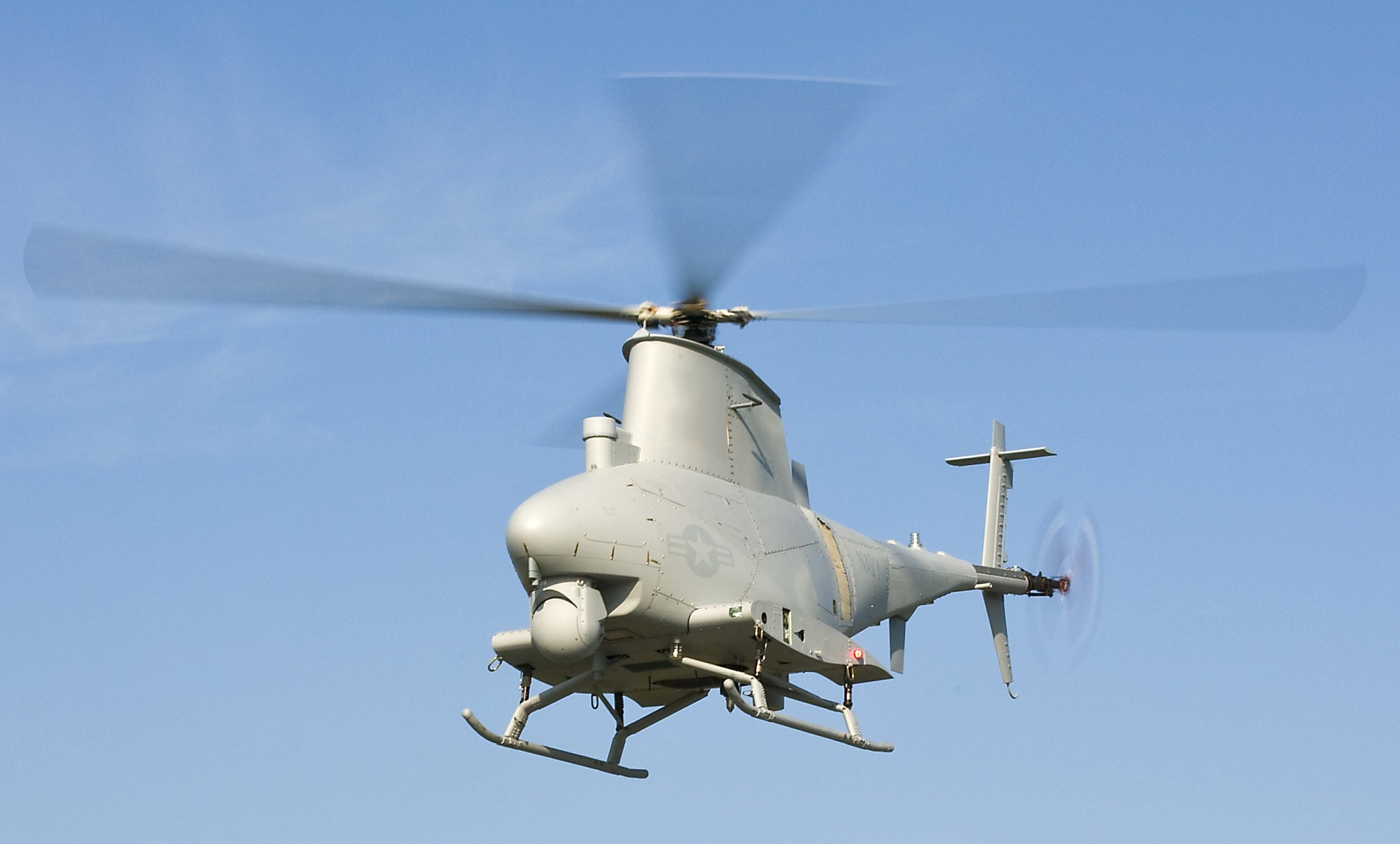
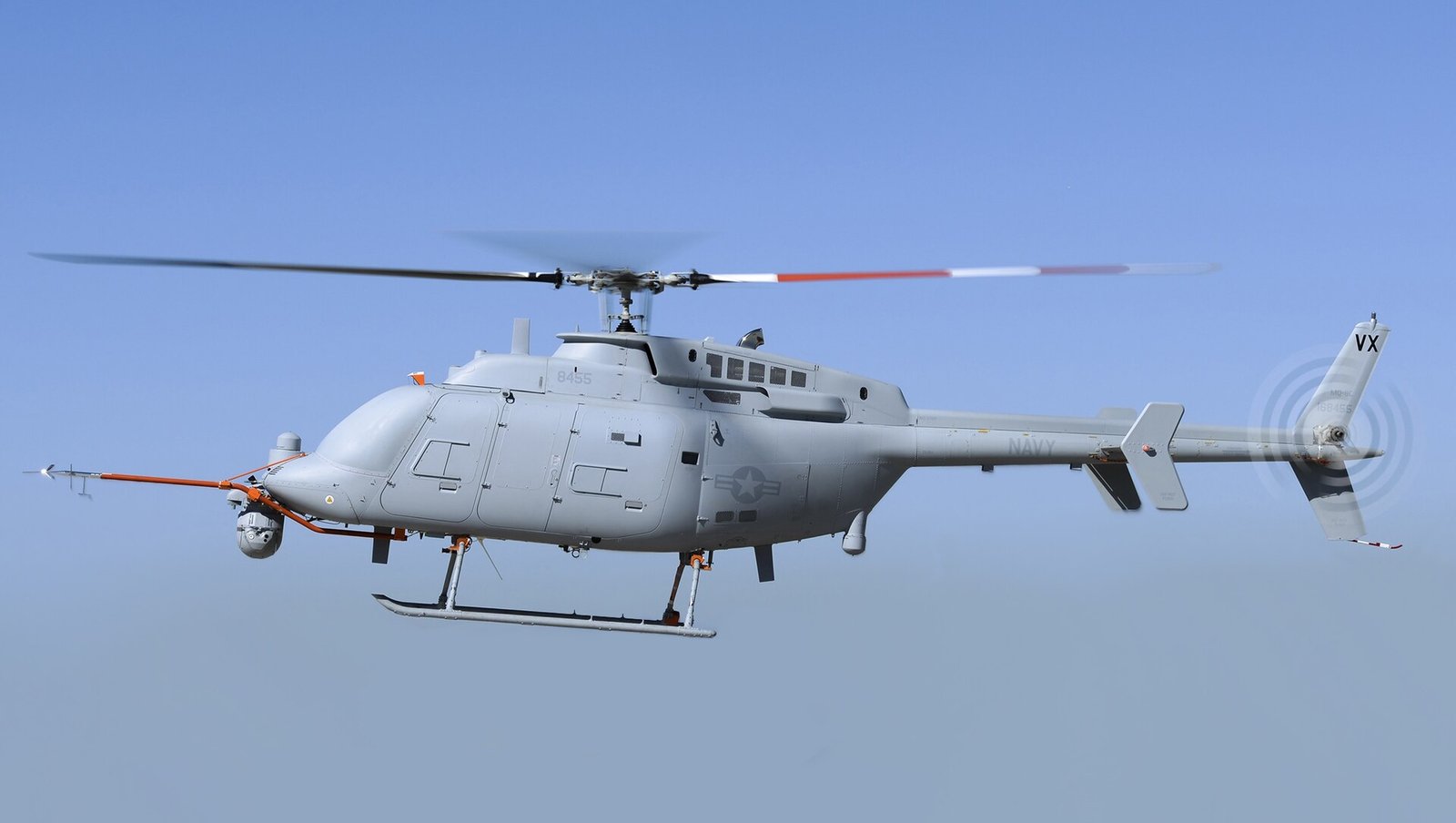
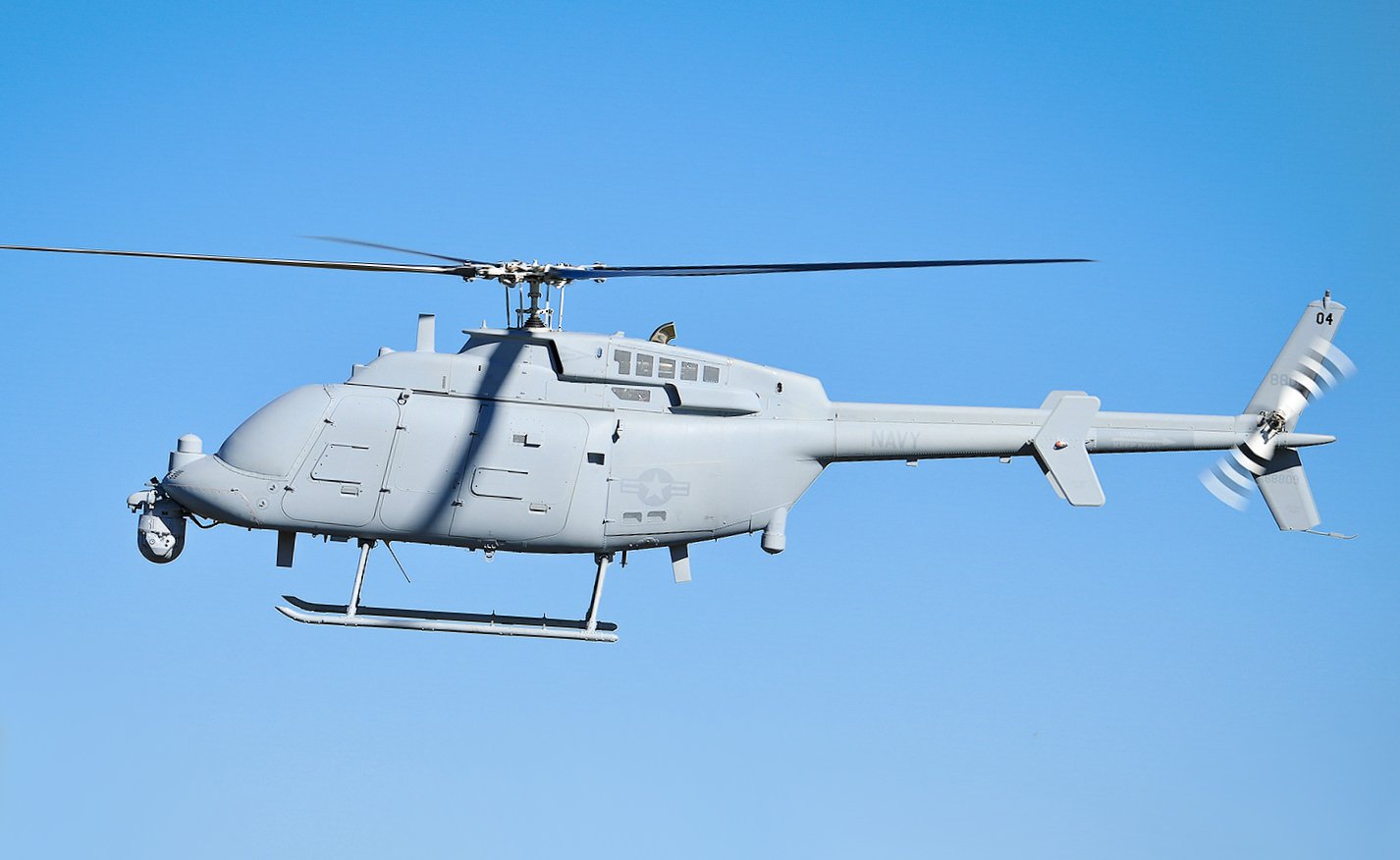
The Northrop Grumman MQ-8C Fire Scout is an unmanned helicopter designed to provide reconnaissance, situational awareness, and precision targeting support for United States Navy surface combatants. Developed from the Bell 407 airframe, the system represents a significant evolution in the Fire Scout family, offering double the endurance and triple the payload capacity of its predecessor, the MQ-8B. The aircraft is built to operate autonomously from ship decks, capable of vertical takeoff and landing in high winds, thereby extending the sensor and strike reach of naval task forces.
The MQ-8C’s airframe is derived from the commercial Bell 407, but its avionics and autonomous flight systems were adapted from the earlier MQ-8B Fire Scout. A key hardware upgrade is the Rolls-Royce 250-C47E engine, which provides a 5 percent increase in hot and high power, a 2 percent reduction in fuel consumption, and an 8 percent increase in rated takeoff power compared to earlier variants. This powerplant contributes to the system’s 12-hour endurance and 150 nautical mile radius. The aircraft carries a payload capacity of approximately 318 kg (701 lb), allowing it to deploy a variety of sensors and weapons, including the AGM-114 Hellfire missile, for aerial fire support. The onboard systems enable fully autonomous flight operations, including takeoff, landing, and shipboard recovery, reducing the cognitive load on naval crews.
Northrop Grumman received a $262.3 million contract from the U.S. Navy in April 2012 to develop and produce the MQ-8C. The initial production run included two developmental aircraft and six low-rate production units, with the Navy originally intending to acquire 28 aircraft for naval special operations forces. The first flight of the MQ-8C, then designated Fire-X, occurred in October 2013 at Yuma Proving Ground in Arizona. The system achieved initial operational capability in June 2019. While the earlier MQ-8B variant was retired from service in October 2022, the MQ-8C remains the primary rotary-wing UAV in the fleet. As of early 2023, the Navy was sustaining ten operational MQ-8C units, with the remainder of the 38 built aircraft placed in storage.
The MQ-8C fills a niche between fixed-wing long-endurance drones and manned helicopters, offering a cost-effective solution for persistent ISR and light strike missions from smaller surface ships that cannot accommodate larger UAVs. Its ability to operate autonomously from moving decks makes it a critical asset for the U.S. Navy’s distributed maritime operations strategy. The system’s development from the Bell 407 platform leverages existing commercial reliability while integrating military-grade avionics and autonomous control systems. As the Navy transitions away from the MQ-8B, the MQ-8C serves as the bridge to future rotary-wing unmanned systems, maintaining a continuous presence in the shipboard UAV domain.