MQ-28 Ghost Bat
systemby Boeing
Photos: simpleflying.com · www.armyrecognition.com · aerospaceglobalnews.com · tr.wikipedia.org · theaviationist.com
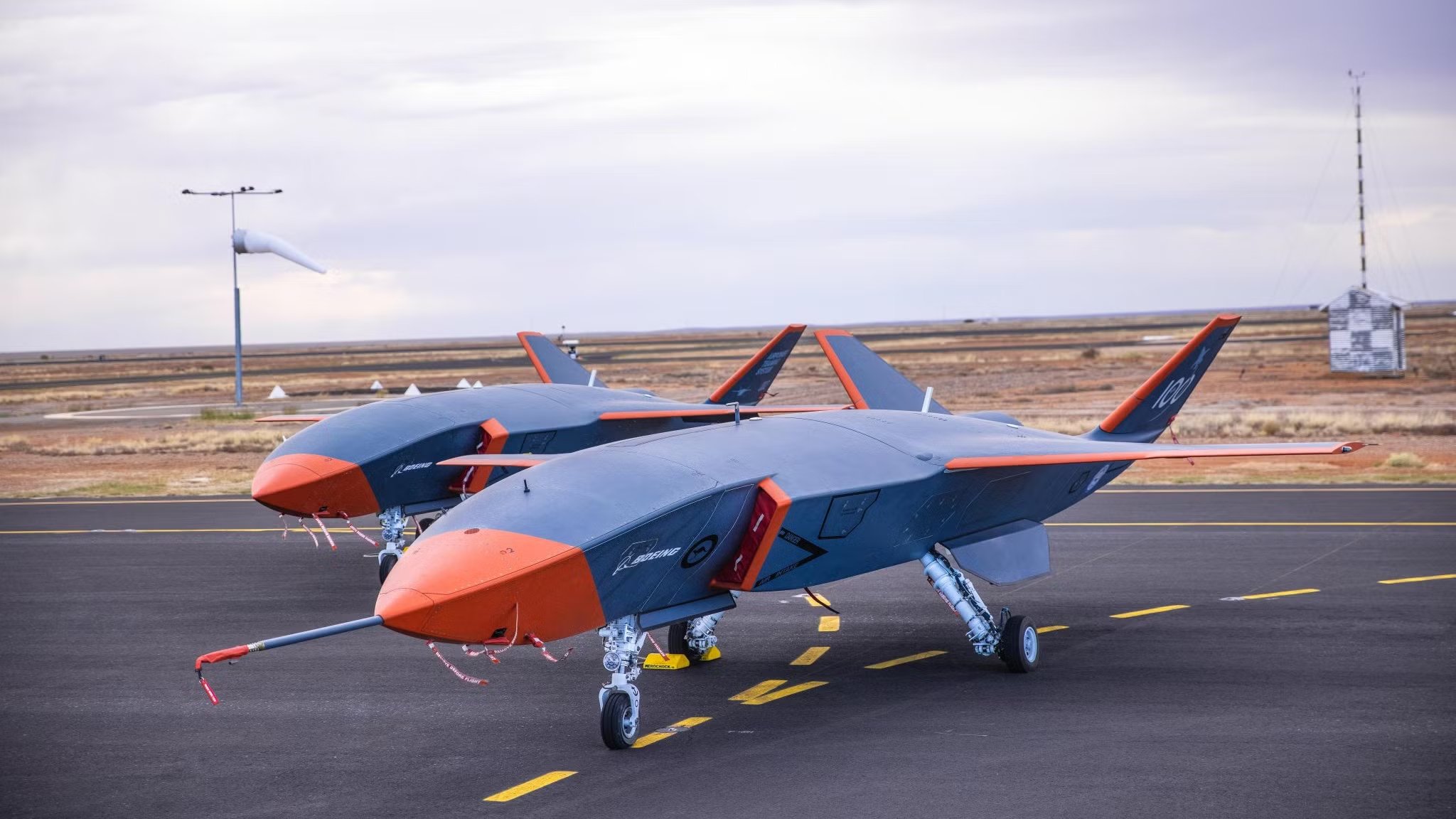
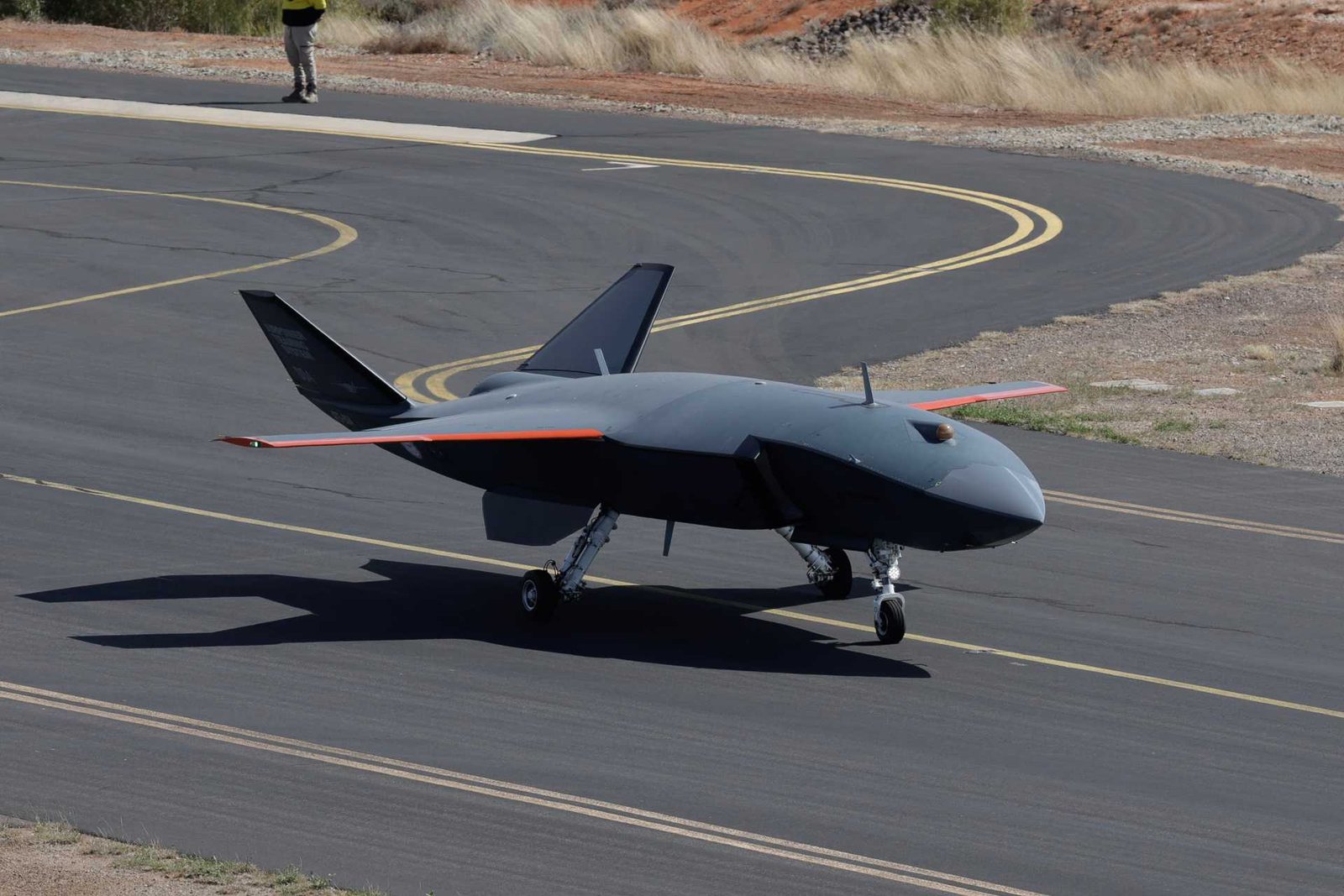
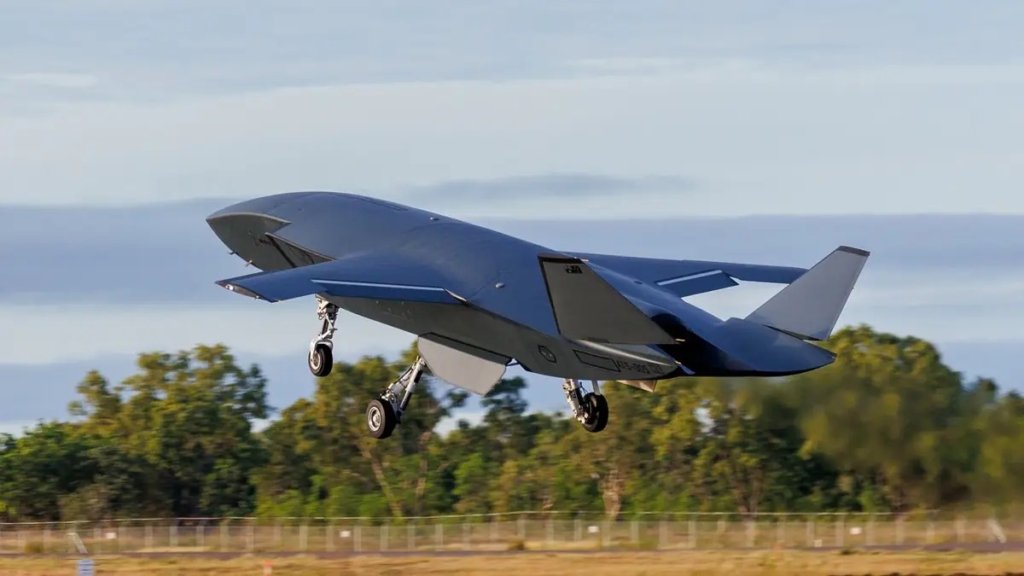
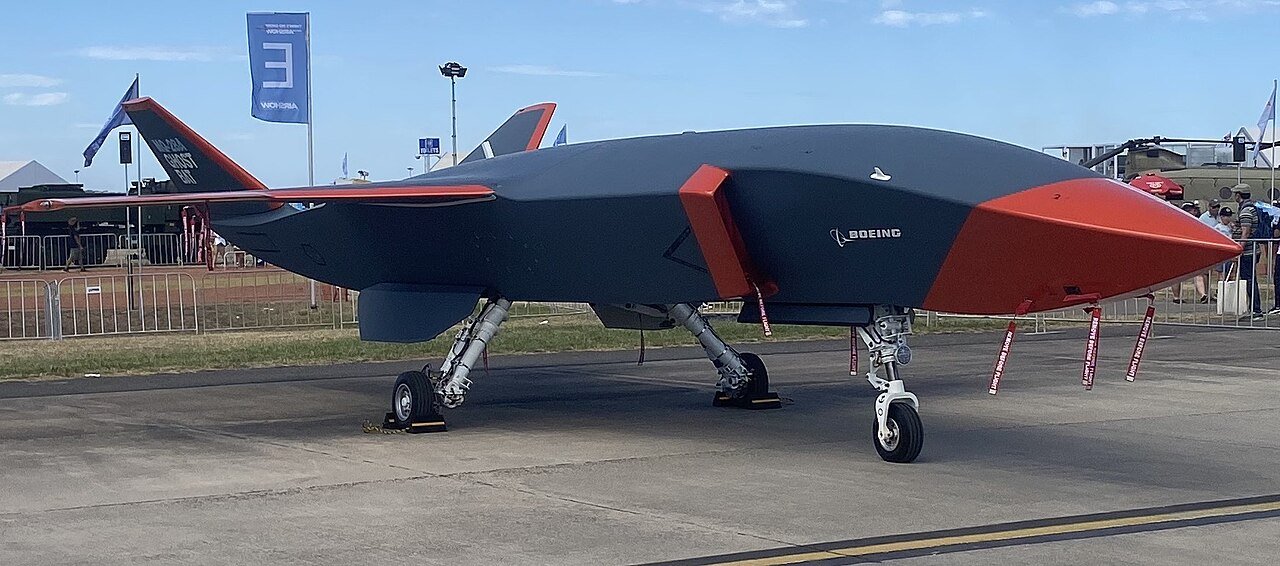
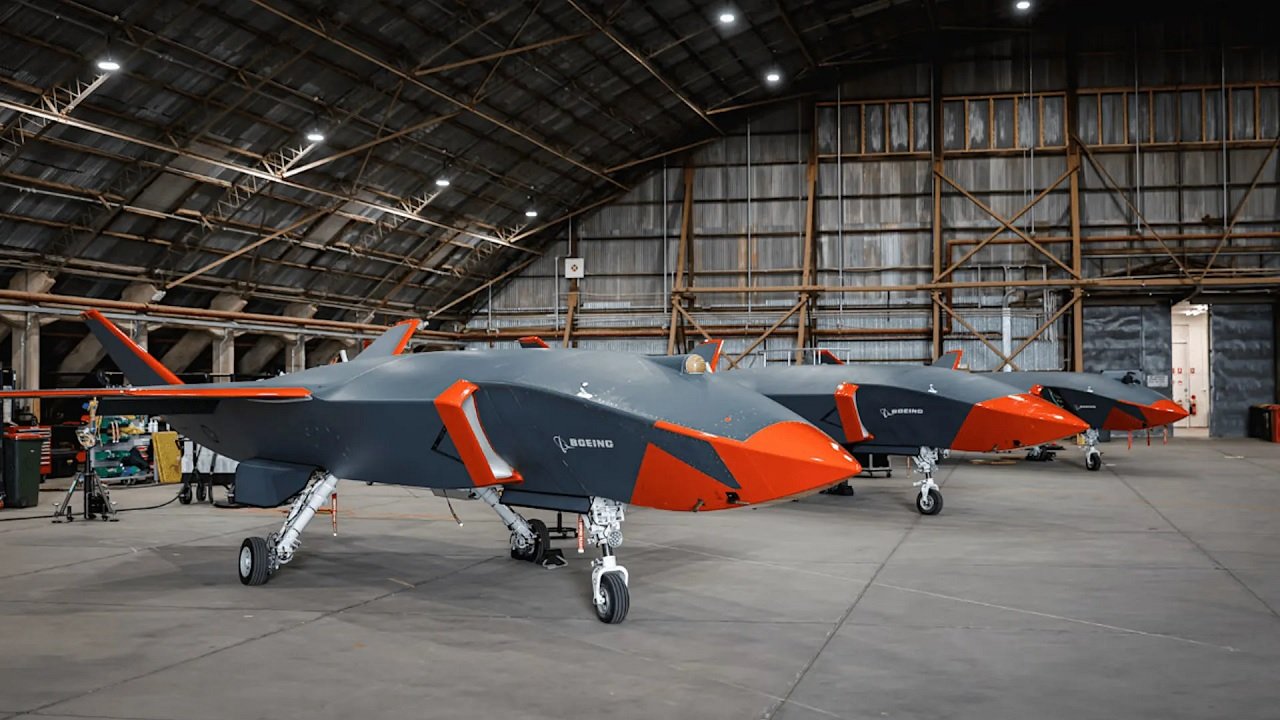
The MQ-28 Ghost Bat is an uncrewed combat aircraft developed by Boeing’s Australian subsidiary in partnership with the Royal Australian Air Force. Conceived under the Airpower Teaming System programme announced at the 2019 Avalon Airshow, it is described by Boeing as the first military combat aircraft designed and manufactured in Australia in more than half a century. It is a jet-powered, fighter-sized “loyal wingman” — a semi-autonomous platform intended to fly alongside crewed aircraft such as the F/A-18F Super Hornet, EA-18G Growler, E-7A Wedgetail and F-35, extending their sensor reach and absorbing risk in contested airspace.
The airframe is roughly 11.7 metres long, built largely from carbon-fibre composites, and centred on a design feature Boeing has consistently emphasised: a modular nose section, around 2.6 metres long, that can be swapped to reconfigure the aircraft for intelligence, surveillance and reconnaissance, electronic warfare, or air-to-air roles. Australian officials have described its autonomy as artificial-intelligence-driven, allowing it to fly in formation with crewed platforms and coordinate with other Ghost Bats without requiring per-move commands from a human pilot. Boeing has not publicly detailed the onboard compute, flight-control software or specific sensor payloads, and independent teardown material is not available given the aircraft’s status. First flight took place at Woomera in February 2021.
The system was named “MQ-28A Ghost Bat” by the Australian government in March 2022, after a bat native to northern Australia. To date the Royal Australian Air Force is the only confirmed operator, with six prototype and Block 1 airframes reported delivered from an initial three-aircraft development contract signed in 2019 and subsequent orders. The Australian Department of Defence has committed further funding under Project Air 6015 to move the programme toward an operational capability, with continued flight testing at RAAF Base Amberley. The Ghost Bat has not been used in combat.
Development has proceeded incrementally through successive blocks, adding autonomous behaviours, expanded sensor fits and mission-system integration with crewed platforms. Boeing has flown the aircraft in teamed formations, including with an E-7A Wedgetail, and has publicly discussed export interest from the United States and other allied air forces, though no foreign customer has been announced.
Ghost Bat sits in the same emerging category as the United States Air Force’s Collaborative Combat Aircraft programme and offerings from firms such as General Atomics and Anduril, with the distinction that it is the furthest-developed loyal-wingman platform outside the United States and the anchor project of Australia’s post-AUKUS effort to build a domestic combat-aircraft industry.