Marichka
Heavy autonomous underwater drone (UUV) designed for covert strike and reconnaissance missions against naval targets.
navalby AquatechnikIntroduced 2023
Photos: euromaidanpress.com · www.armyrecognition.com · pinshape.com · www.dailymail.com · en.topwar.ru
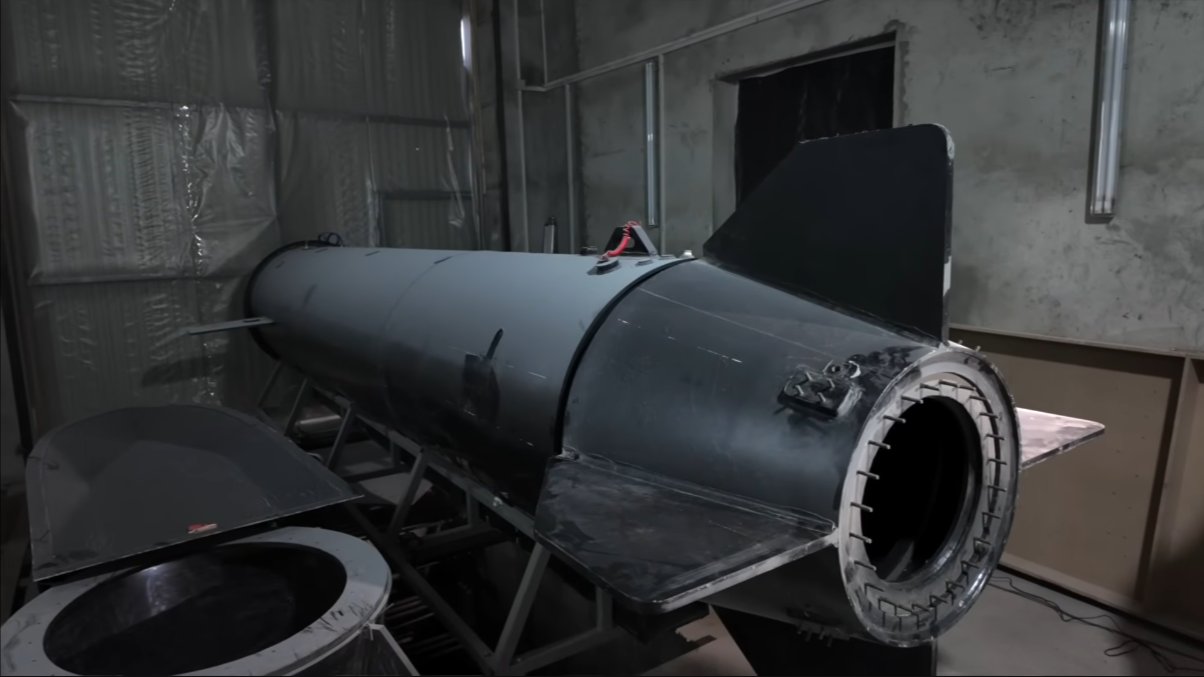
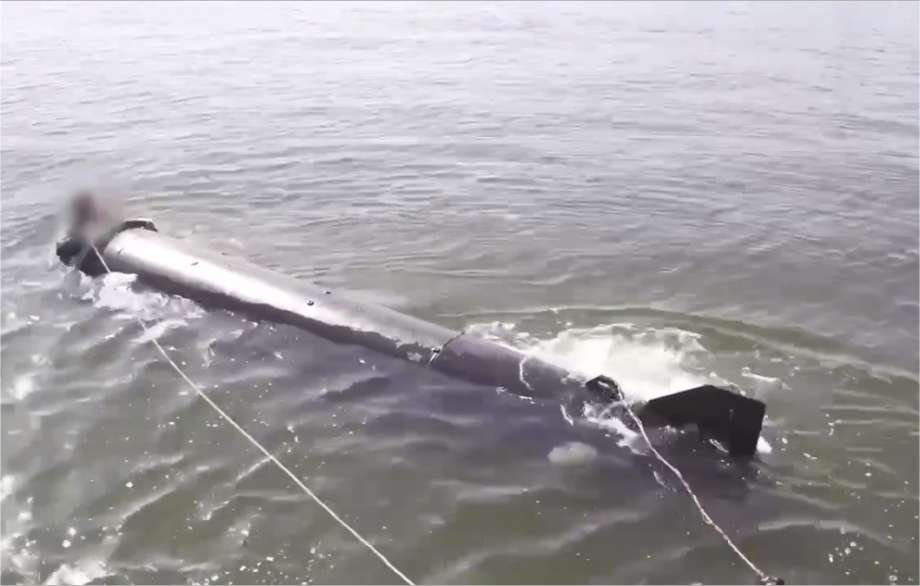
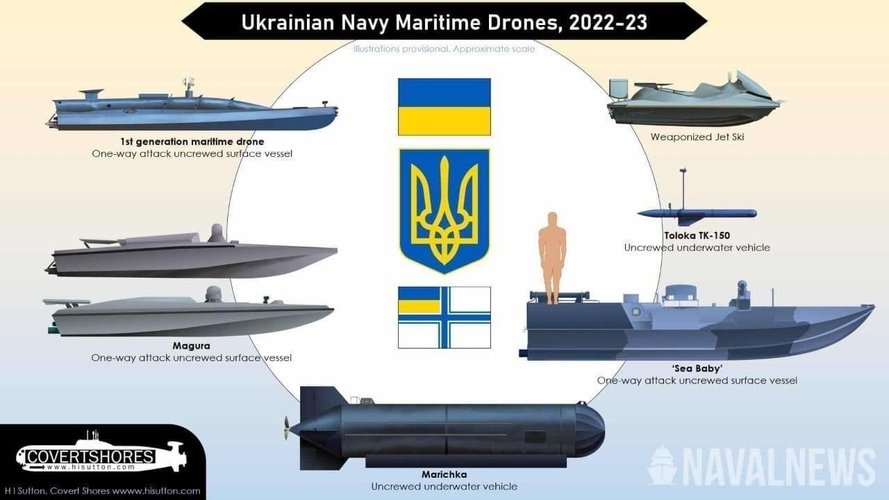
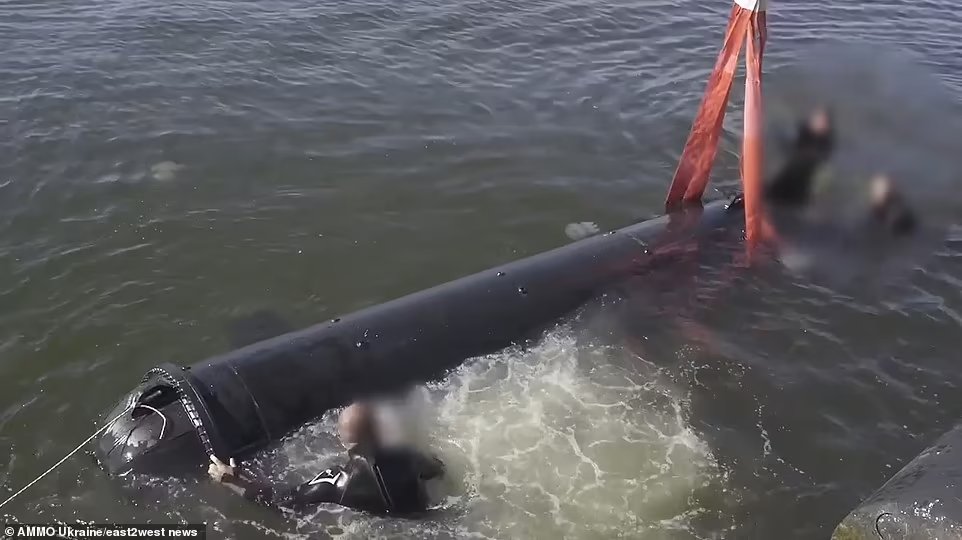
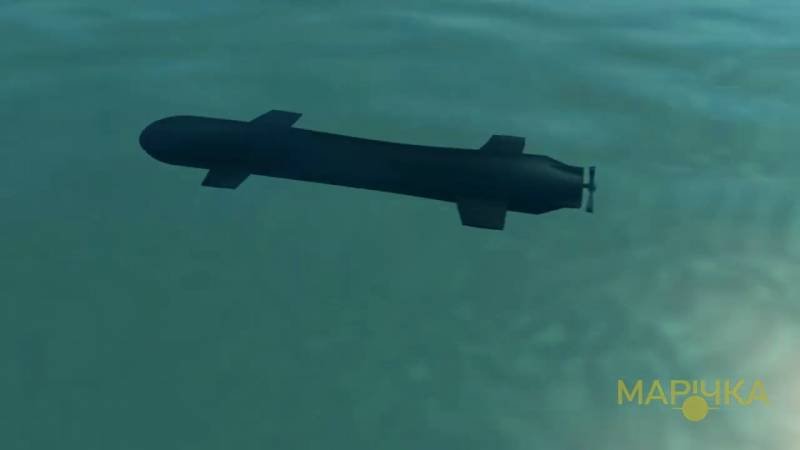
Marichka is a heavy autonomous underwater vehicle developed by Ukrainian firm Aquatechnik, unveiled in 2023 and pitched as one of the first indigenous Ukrainian UUVs sized for offensive strike work against ships, port infrastructure and coastal targets. Where Ukraine’s better-known unmanned maritime effort has centred on surface craft — small, fast, packed with explosive — Marichka is a submerged system, torpedo-shaped, intended to reach a target from below without leaving the wake or radar signature that has made surface drones easier to spot and gun down on their run-in.
The manufacturer describes Marichka as a large cylindrical hull roughly six metres long, powered by an electric drive and navigating autonomously between programmed waypoints, with an onboard warhead in the low-hundreds of kilograms and a claimed range of around 1,000 kilometres. Those figures are Aquatechnik’s own, and neither the propulsion arrangement nor the guidance stack have been independently characterised in public. Nothing verifiable has been published about the onboard compute, the guidance software, or any open-source components; several Ukrainian outlets have described the platform as modular, with variants for surveillance and mine-laying alongside the strike configuration, but the internals are treated as classified. It is a rare public example of a Western-aligned country fielding a heavy expendable UUV rather than the reusable, sensor-focused survey UUVs long operated by NATO navies.
The only known operator is Ukraine. There has been no publicly confirmed combat use of Marichka against a Russian target — the strikes on the Black Sea Fleet at Sevastopol and Novorossiysk that reshaped the naval war have so far been attributed to surface drones, missiles and manned raids. Ukrainian officials have publicly framed Marichka as complementary to the Sea Baby and Magura-family surface craft rather than a replacement, extending the threat envelope facing Russian shipping into the water column.
Aquatechnik has said development continues with several variants in parallel, including a reconnaissance version fitted with sonar payloads and versions optimised for shallower riverine work — the same waterways where the company’s smaller Dzyga and Khoryv sea drones are meant to operate. Marichka’s significance for now is less what it has done than what it represents: a small Ukrainian firm producing, in wartime, the class of underwater platform that most navies have preferred to buy from a handful of established Western defence primes.