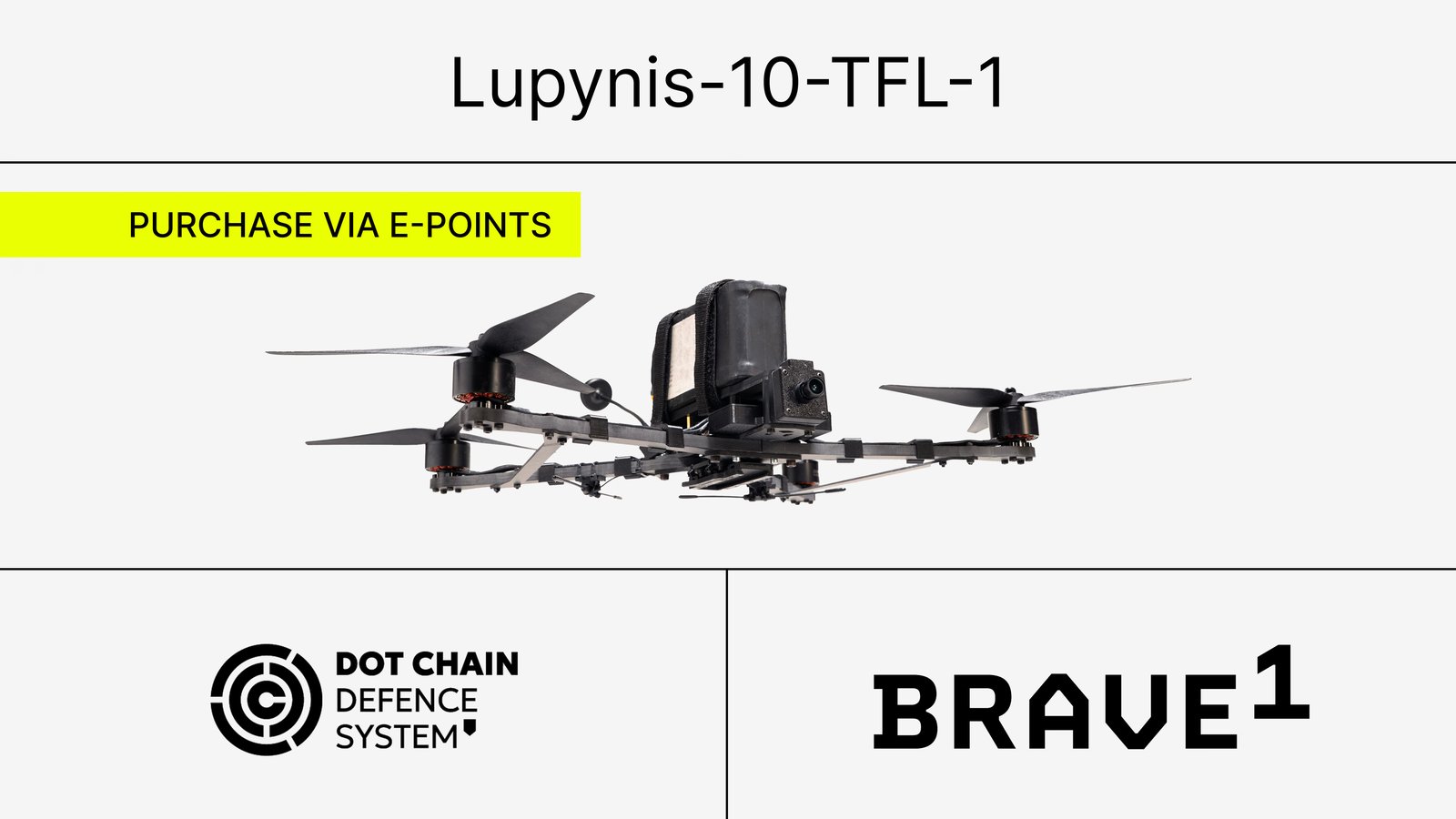
Lupynis-10-TFL-1
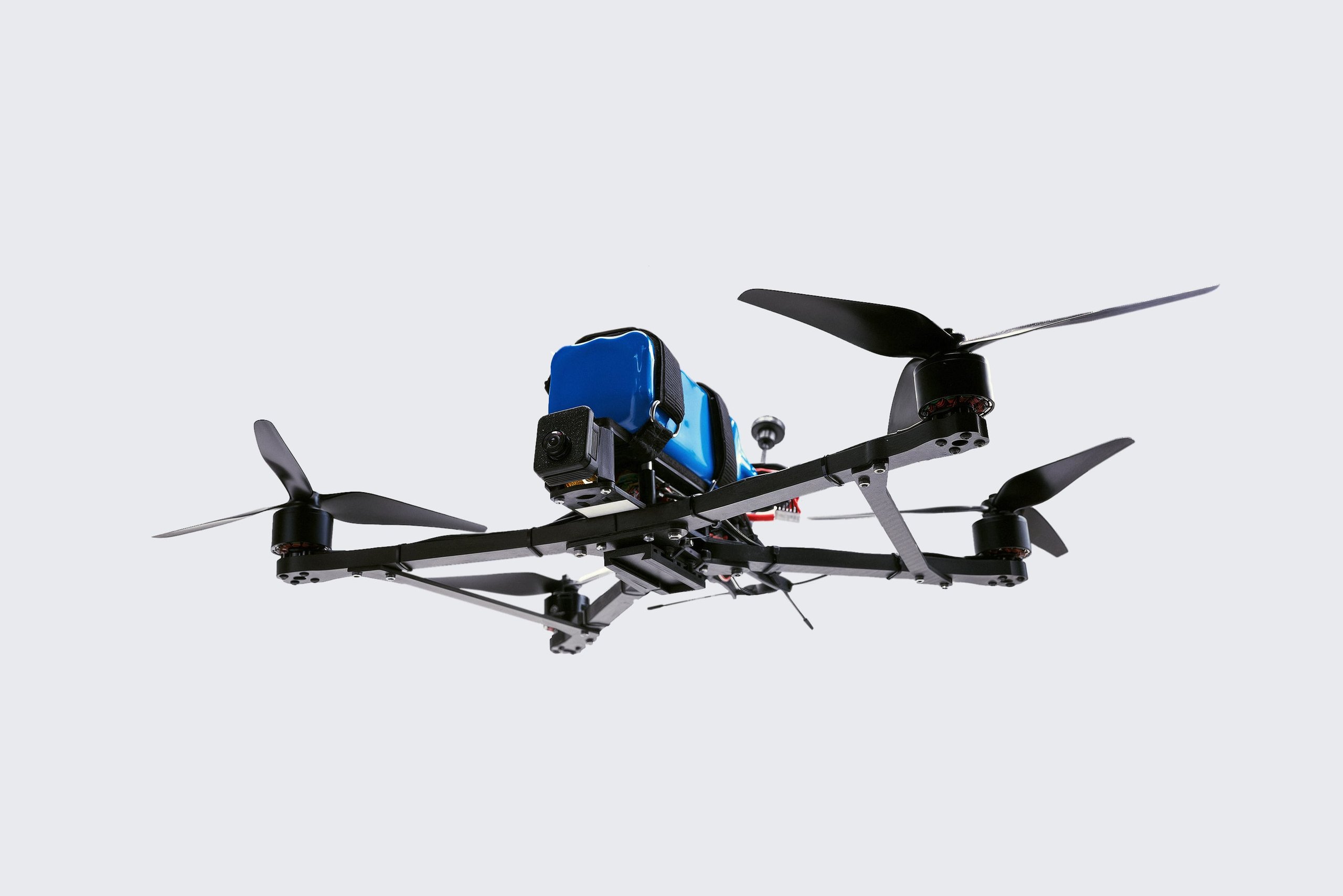
The Fourth Law's own packaged 10-inch autonomous FPV combat drone with TFL-1 guidance integrated, sold in 100-unit batches and codified by NATO and the Ukrainian MoD.
Droneby The Fourth LawIntroduced 2025
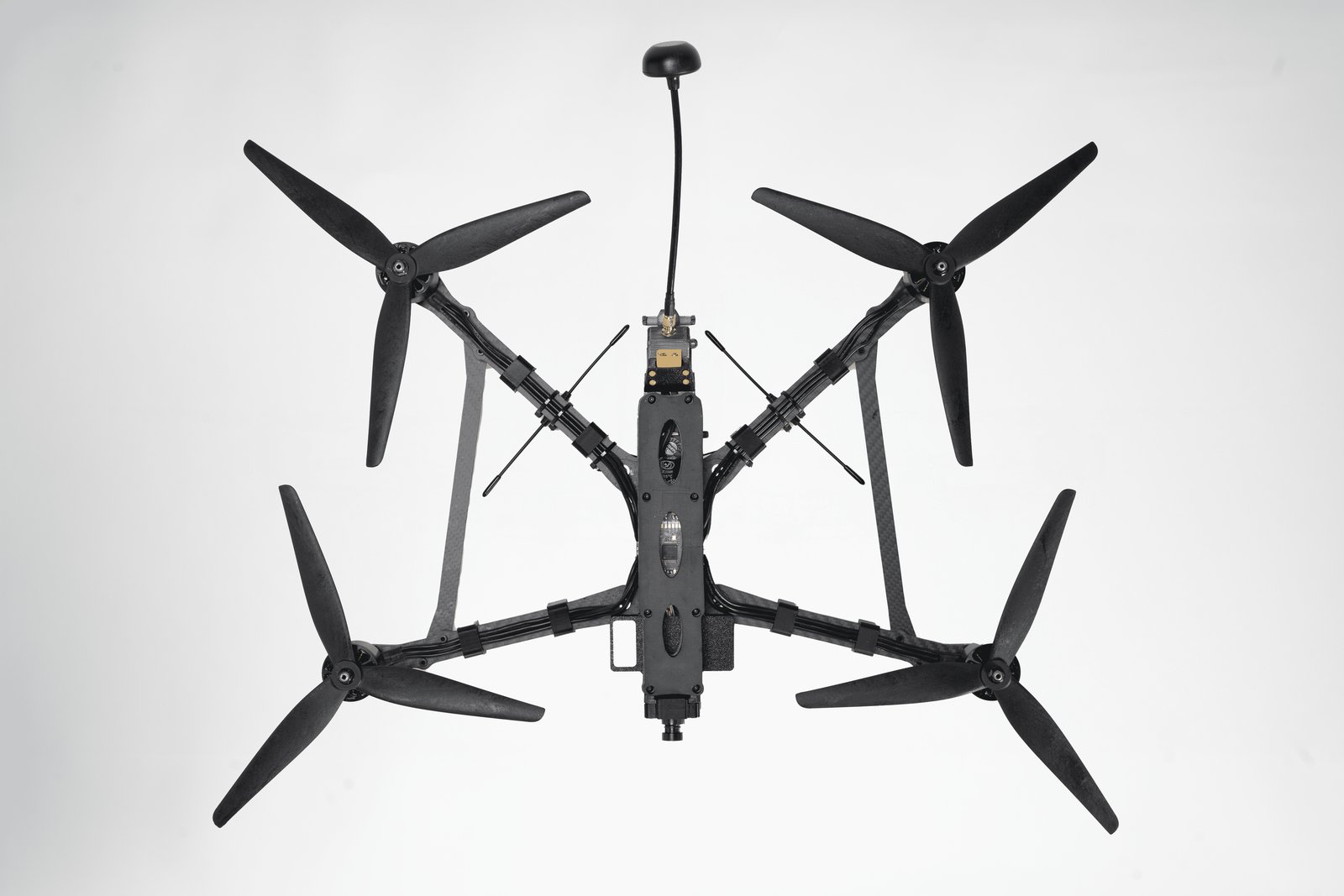
Photos: gagadget.com · thefourthlaw.ai · united24media.com
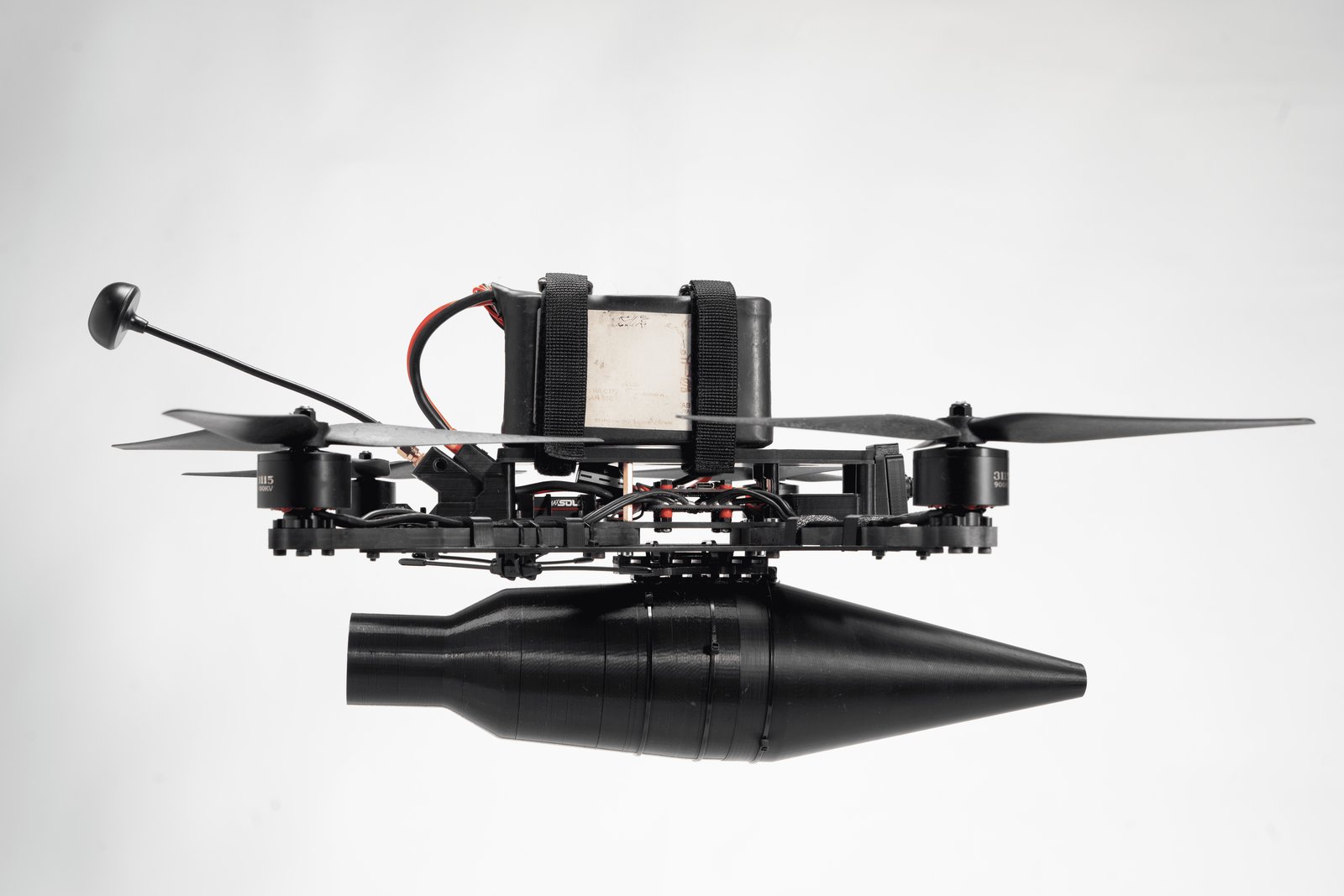
The Lupynis-10-TFL-1 is a 10-inch autonomous first-person view (FPV) combat drone developed by the Ukrainian firm The Fourth Law. Introduced in 2025, the system integrates the company’s TFL-1 autonomy module into a carbon-frame airframe designed to operate effectively in heavily contested electronic warfare environments. The drone is codified by both the Ukrainian Ministry of Defence and NATO, reflecting its standardized role in Kyiv’s defensive infrastructure.
The system’s defining feature is its terminal guidance capability, which allows the drone to lock onto targets after the video link is severed by jamming. The TFL-1 module uses AI to track the target’s outline and guide the drone to its center, a process The Fourth Law claims results in the highest hit rate among similar systems. This autonomy allows the drone to ignore the radio horizon and pass through “curtain” jamming that typically disables standard FPV operators. The drone is equipped with a 6s3p battery with a capacity of 20,000 mAh, enabling a range of over 30 kilometers with a 1 kg payload. The airframe is constructed from 10-inch thick carbon, and connectivity options are selected based on operational requirements. The system supports various camera payloads, including twilight and thermal imaging options from partners such as Odd Systems, with estimated prices ranging from 480 USD for daylight/twilight setups to 960 USD for night vision configurations.
Ukrainian forces are the primary operator of the Lupynis-10-TFL-1. The Fourth Law, founded in 2023 by Yaroslav Azhnyuk and based in Kyiv, packages the drone in 100-unit batches for military procurement. The company’s broader roadmap includes next-generation modules such as TFL-2 for cruise missions and TFL-3 for autonomous target selection, though the Lupynis-10-TFL-1 currently serves as the flagship integrated platform. The system is designed to reduce operator workload and increase pilot efficiency, with training for the autonomy features reportedly taking ten seconds.
The integration of AI-driven terminal guidance addresses a critical vulnerability in modern drone warfare: the fragility of radio-controlled links. By decoupling the final approach from human piloting, the Lupynis-10-TFL-1 offers a method for sustaining offensive pressure even when electronic countermeasures are active. Its codification by NATO and the Ukrainian MoD suggests it has become a standard component of Ukraine’s drone arsenal, distinguishing it from ad-hoc or experimental systems.