ZALA Lancet-1
Lightweight variant of the Lancet family with a smaller warhead, optimised for soft targets and light vehicles.
Missile / loitering munitionAdversary capabilityby ZALA Aero GroupIntroduced 2020
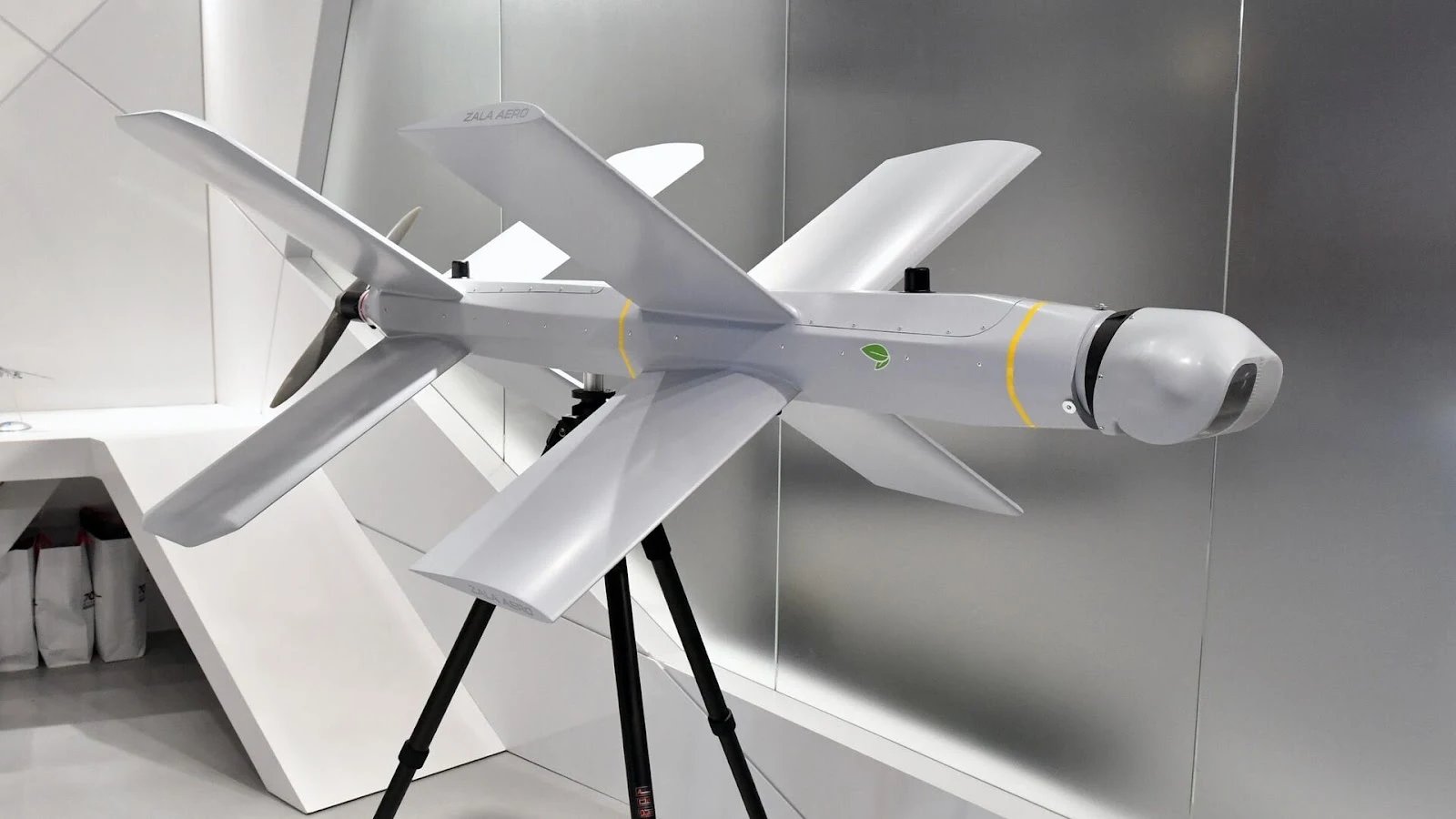
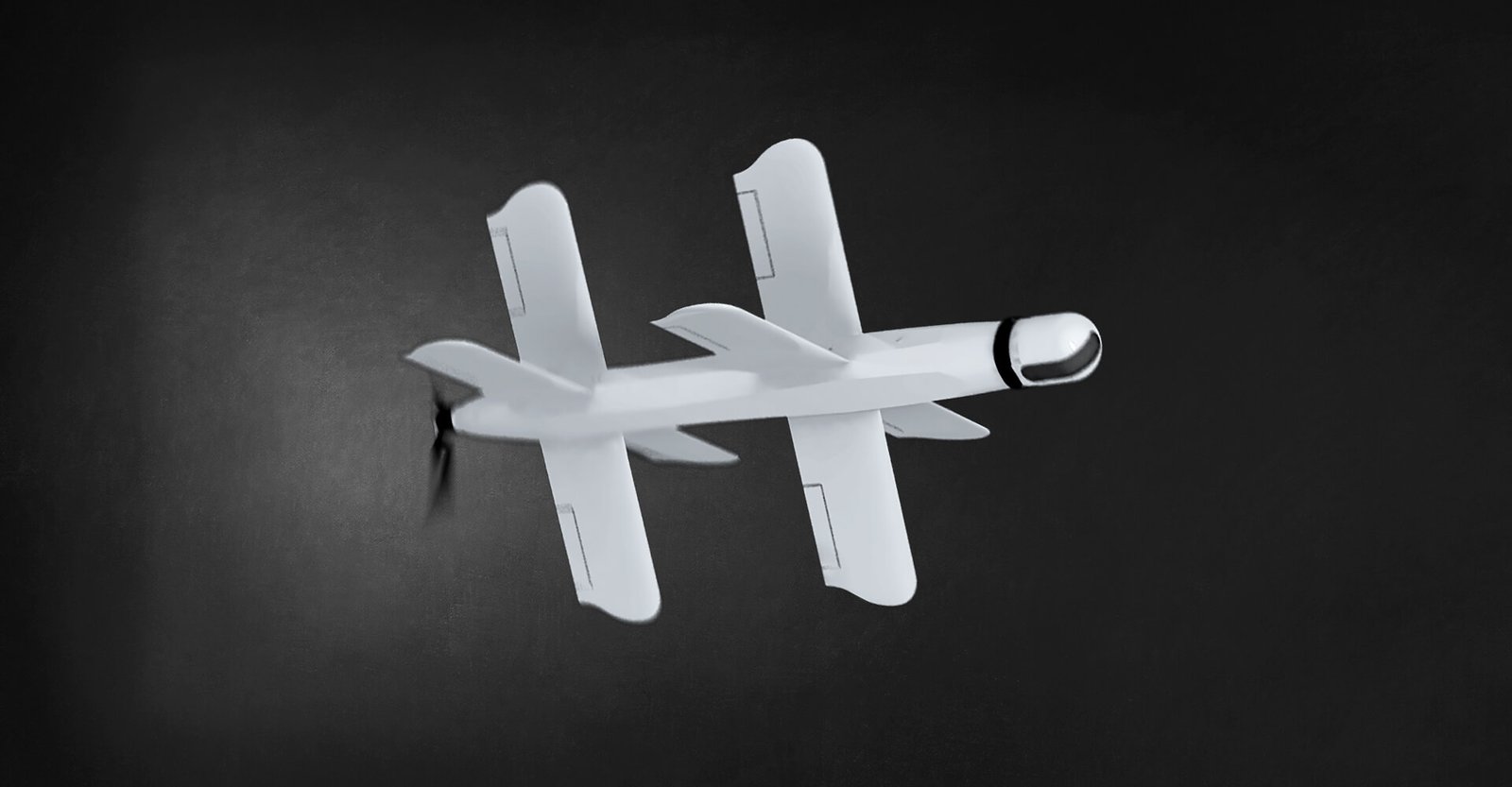
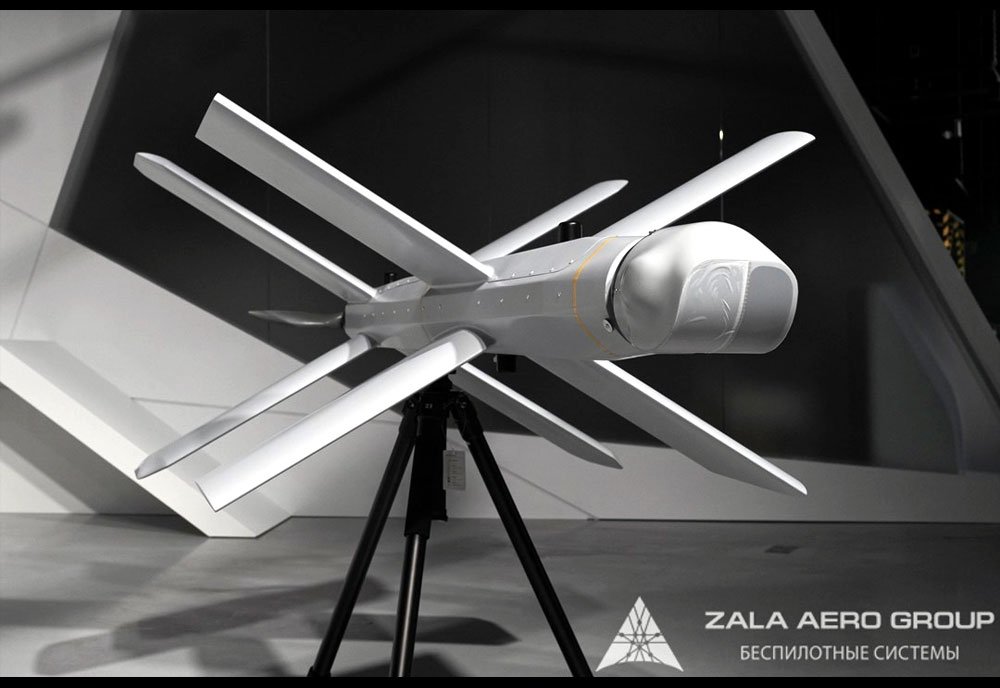

Photos: www.militaryupdate.net · www.suasnews.com · www.militaryfactory.com · en.topwar.ru
The ZALA Lancet-1 is a lightweight loitering munition developed by the Russian manufacturer ZALA Aero Group, a subsidiary of the Kalashnikov Concern. Introduced in 2020, the system serves as a compact variant within the broader Lancet family, designed specifically for engaging soft targets and light vehicles. Weighing approximately 12 kilograms, the Lancet-1 utilizes an electric propulsion system, a design choice that prioritizes acoustic stealth and reliability over the power output of internal combustion engines. This electric motor allows the drone to operate with minimal acoustic signature, making it difficult to detect by ear or traditional acoustic sensors during its loitering phase.
The airframe employs a distinctive double X-shaped aerodynamic configuration, a design feature ZALA Aero describes as a proprietary innovation. This layout, constructed largely from plastic and composite materials, is intended to reduce the drone’s radar cross-section and improve maneuverability during the terminal dive. The system is launched via catapult, similar to the larger KUB-BLA, but features a smaller footprint and reduced weight. While specific sensor payloads are not always detailed in public manufacturer sheets, the Lancet series generally integrates electro-optical and thermal imaging cameras for target acquisition, allowing for independent reconnaissance before striking. The warhead is significantly smaller than that of the standard Lancet-3, weighing approximately 1 kilogram, which limits its effectiveness against heavy armor but makes it suitable for infantry, light trucks, and unshielded equipment.
Russia is the primary operator of the Lancet-1, deploying it extensively in the conflict in Ukraine. The system has been fielded by Russian forces as part of their integrated drone warfare strategy, often used in conjunction with larger Lancet variants and other unmanned systems. Its compact size and low cost allow for high-volume deployment, enabling saturation tactics against enemy air defenses. The electric nature of the propulsion system is frequently cited by Russian sources as a tactical advantage, allowing the munition to approach targets quietly before the final attack run.
The Lancet-1 represents a specialization within the Lancet family, offering a cheaper, quieter alternative for specific tactical roles. While the larger Lancet-3 dominates headlines for its anti-armor capabilities, the Lancet-1 fills the niche for precision strikes against lighter assets. ZALA Aero continues to produce the system under the Kalashnikov Concern, leveraging its state-backed industrial base to supply the Russian military. The system’s reliance on electric motors and composite materials reflects a broader trend in Russian loitering munition design toward stealth and cost-efficiency.