What the KN-23 is made of
37 documented parts and 37 photos, from recovered wreckage. Each part gives its marking, maker and country where known, and links the record it comes from. The system itself: KN-23.
Where the parts were made
- United States of America 20
- Semtech Corporation, Fairchild Semiconductor (ON Semiconductor), Bourns Inc, Altera Corporation (Intel), Analog Devices, Texas Instruments, Linear Technology Corporation (Analog Devices), Agilent Technologies, AVAGO Technologies (Broadcom)
- People's Republic of China 4
- Shenzhen LONGSON Century Technology Co.,Ltd., MORNSUN Guangzhou Science & Technology Co., Ltd., Jiukai Special Cable (Shanghai) Co., Ltd., ZHONGKEWEI
- Netherlands 3
- NXP Semiconductors
- Japan 3
- Toshiba, NSK
- Great Britain 2
- XP Power
- Switzerland 2
- LEM International SA, Traco Power
- Germany 2
- Diotec Semiconductor, Siemens
Sources
- HUR War & Sanctions: Ballistic missile KN-23/KN-24 · українською
- Open Source Munitions Portal — search its munition identification records
Ukrainian pages read alongside the English: same items, markings and text.
Ballistic missile KN-23/KN-24
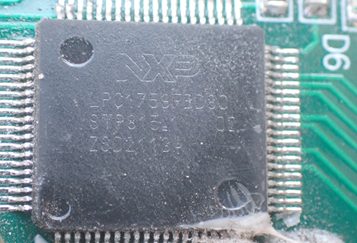
Photo: HUR War & Sanctions
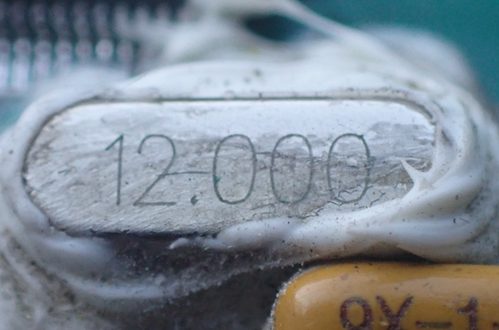
Photo: HUR War & Sanctions
Electrolytic capacitor
Електролітичний конденсатор
100v 4700uF MXC
Copy of Rubycon capacitors
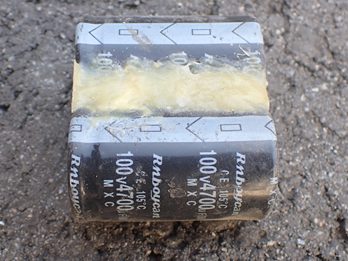
Photo: HUR War & Sanctions
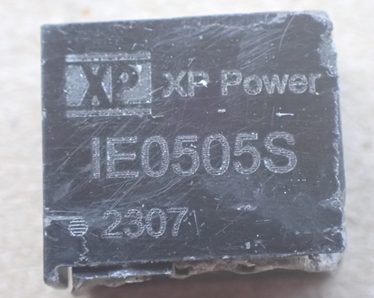
Photo: HUR War & Sanctions
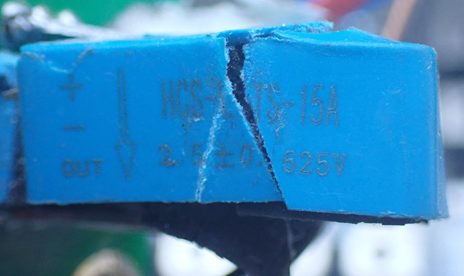
Photo: HUR War & Sanctions
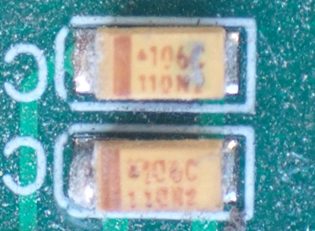
Photo: HUR War & Sanctions
Photo: HUR War & Sanctions
Photo: HUR War & Sanctions

Photo: HUR War & Sanctions
Field programmable gate array (FPGA)
Програмована вентильна матриця (FPGA)
ALTERA Cyclone EP3C25E144I7N
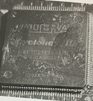
Photo: HUR War & Sanctions
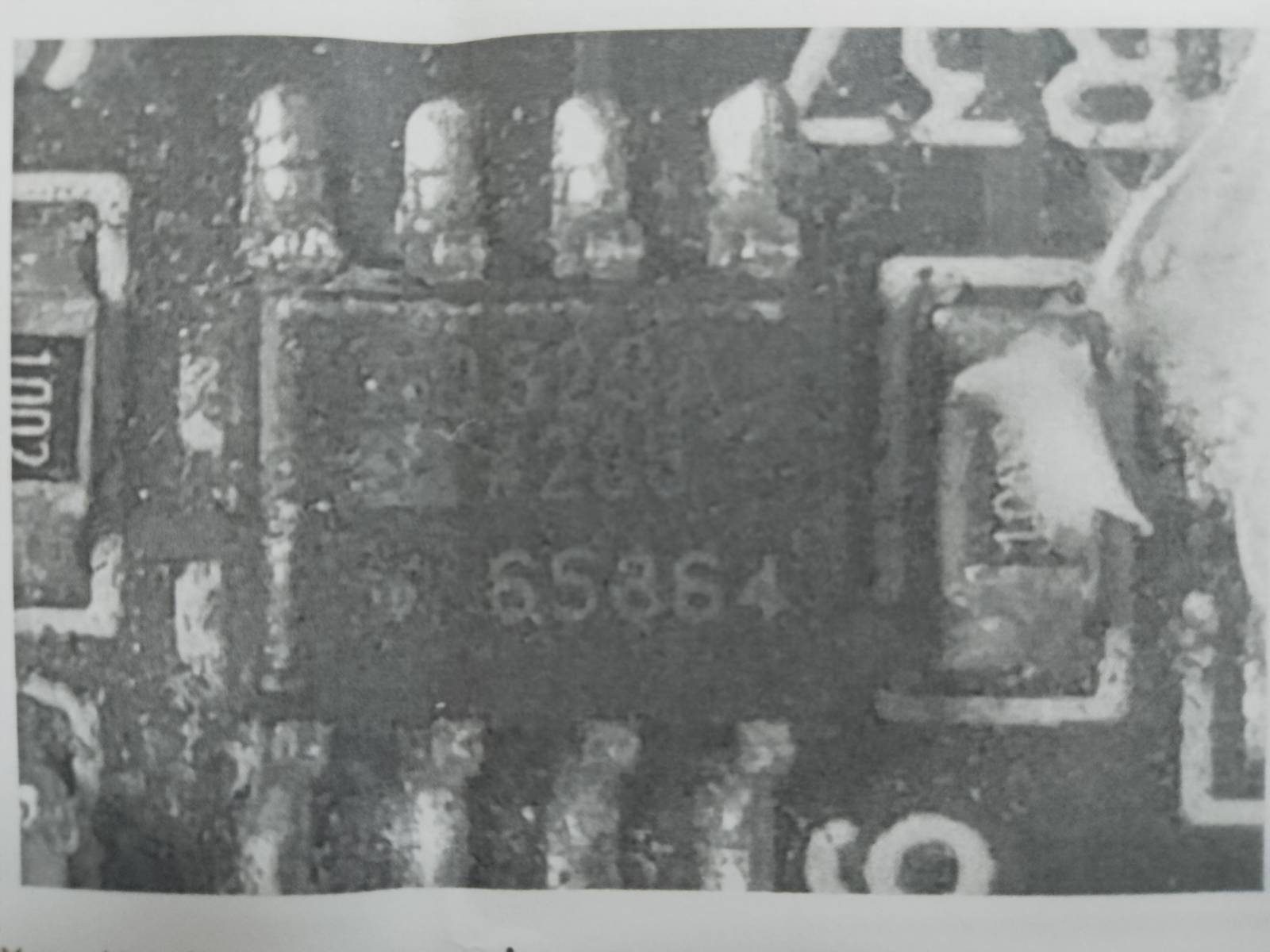
Photo: HUR War & Sanctions
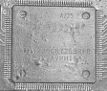
Photo: HUR War & Sanctions
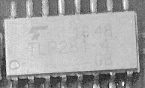
Photo: HUR War & Sanctions
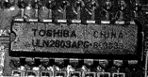
Photo: HUR War & Sanctions
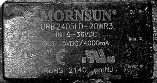
Photo: HUR War & Sanctions
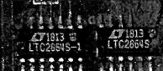
Photo: HUR War & Sanctions
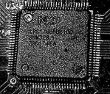
Photo: HUR War & Sanctions
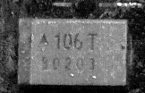
Photo: HUR War & Sanctions
Photo: HUR War & Sanctions
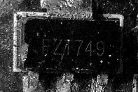
Photo: HUR War & Sanctions
Synchronous buck PWM switcher with integrated FETs
Синхронний широтно-імпульсний перемикач з інтегрованим польовим транзистором
TPS54312
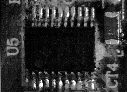
Photo: HUR War & Sanctions
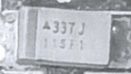
Photo: HUR War & Sanctions
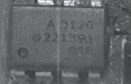
Photo: HUR War & Sanctions
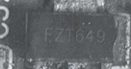
Photo: HUR War & Sanctions
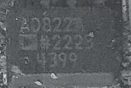
Photo: HUR War & Sanctions
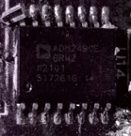
Photo: HUR War & Sanctions
Low dropout regulator REG 1117-3.3
Стабілізатор з низьким падінням напруги REG 1117-3.3
BB11174 67Z275H
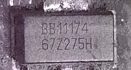
Photo: HUR War & Sanctions
Photo: HUR War & Sanctions
Satellite signal patch antenna GPS/GNSS/Beidou
Патч-антена супутникового сигналу GPS/ГЛОНАСС/Beidou
AT2659s
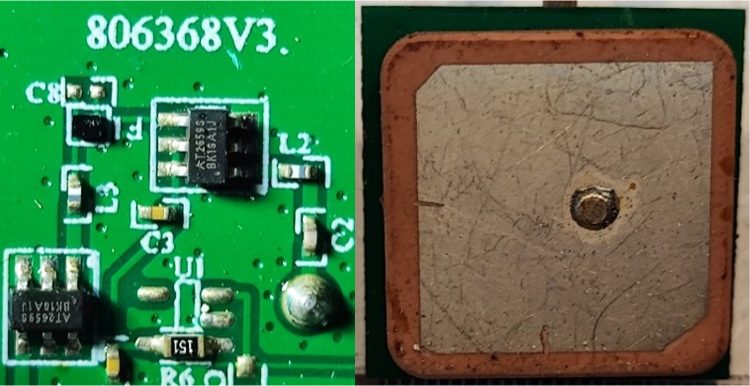
Photo: HUR War & Sanctions
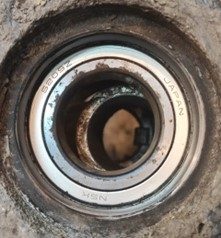
Photo: HUR War & Sanctions
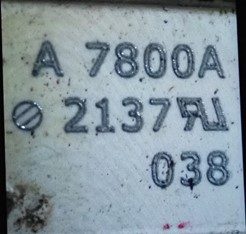
Photo: HUR War & Sanctions
12-Bit R/D Converter with Reference Oscillator
12-розрядний RDC з опорним генератором
AD2S1205 YSTZ #2205 6421572.1
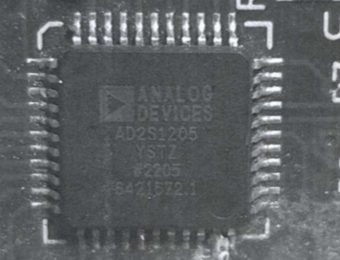
Photo: HUR War & Sanctions
Photo: HUR War & Sanctions
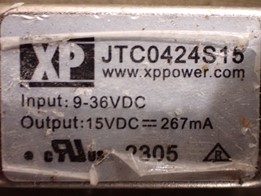
Photo: HUR War & Sanctions
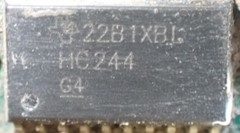
Photo: HUR War & Sanctions
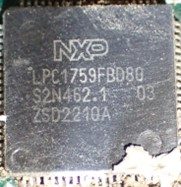
Photo: HUR War & Sanctions
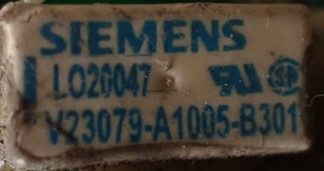
Photo: HUR War & Sanctions
Also reported
- Navigation-system electronics — Conflict Armament Research documented more than 290 non-domestic electronic components in the missile that hit Kharkiv on 2 January 2024, most of them in the navigation system; about 75% linked to US-incorporated companies, 16% to European and 9% to Asian ones, from 26 companies in eight countries and territories. Date codes ran 2021–2023, so the missile could not have been assembled before March 2023 source
- Voltage converter — XP Power (UK) voltage converter produced in February 2023, found by Ukraine's Defence Intelligence (HUR) in KN-23/KN-24 debris source
- Control electronics (supplier countries) — HUR's updated War&Sanctions entry lists foreign components from companies in China, the United States, Japan, the United Kingdom and Switzerland; an earlier list named 19 companies from seven countries source
- Satellite-navigation receivers — Ukrainian defence-ministry engineers matched niches for satellite-navigation receivers in Kharkiv debris to photographs from North Korean missile factories, one of seven matching parameters source
- Circuit boards and assembly — Ukraine's defence ministry describes soldering methods and component quality about 50 years behind modern standards, built around civilian-purpose parts likely obtained in breach of sanctions source
- Nose thermal protection — Graphite-material fairing on the nose section plus a thermal protective coating, which the ministry calls a cheap substitute for modern thermal-protection materials source
- Rocket motor — Single-stage solid-propellant motor roughly 1.5 times larger and longer than Russian counterparts for a similar range, per Ukraine's defence ministry; the nozzle-fastening bolt pattern matches North Korean factory photographs source
- Gas-dynamic rudders (jet vanes) — Made of what Ukraine's Institute of Armaments and Military Equipment identified as a Russian grade-9 tungsten alloy, as relayed in a RUSI commentary by Oleksandr Danylyuk source
- Motor case — Fuel-tank body steels identified as Russian grades (12Kh2NVFA to 23Kh2NVFA family) and markings conforming to Russian standard GOST 2.113-75, per the same Ukrainian analysis source
Part records and photos: HUR War & Sanctions, Ukraine's Defence Intelligence database of foreign components found in Russian weapons, and the other sources named on each part. A marking, date code or country is given as the source records it.