Products Academy of Defence Science (North Korea)
KN-23
North Korea's solid-fuel Hwasong-11 short-range ballistic missile, supplied to Russia from late 2023 and fired at Ukrainian cities from the Voronezh region.
Missile / loitering munitionAdversary capabilityby Academy of Defence Science (North Korea)Introduced 2019 · Updated 2026
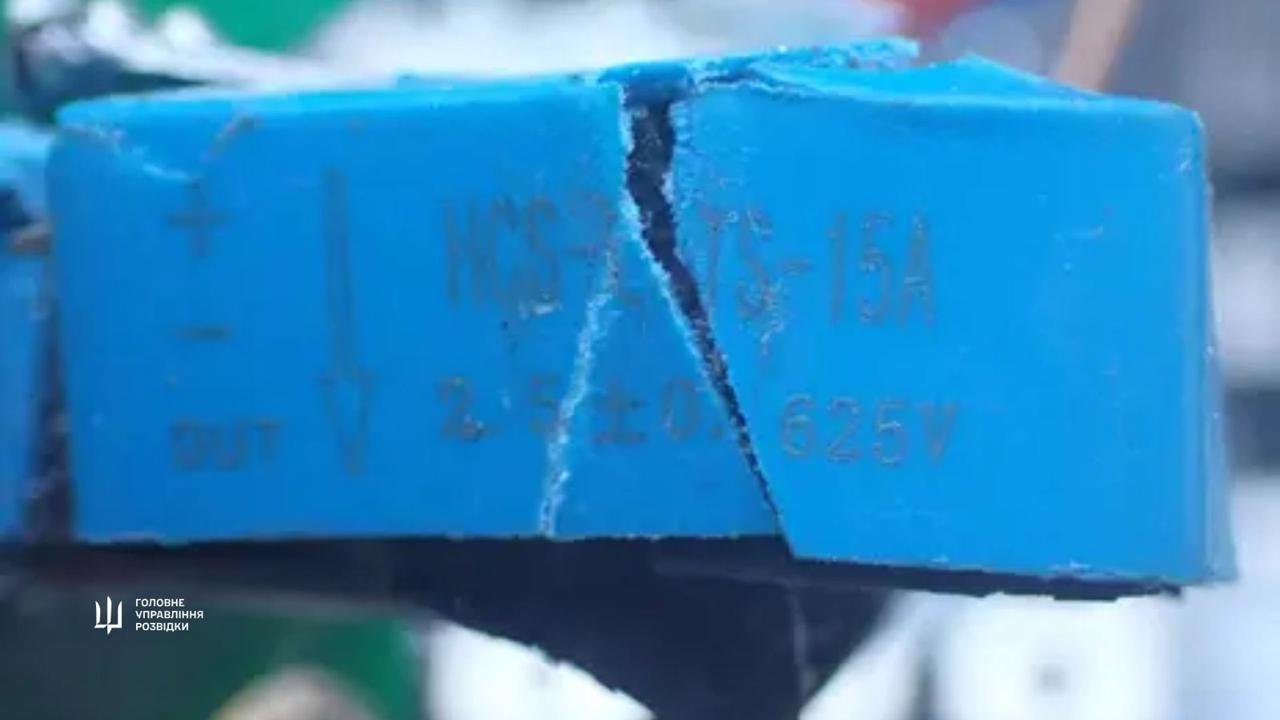 KN-23/KN-24 debris teardown — photo 1 of 6 (foreign electronic components, incl. 2023-dated XP Power converter)
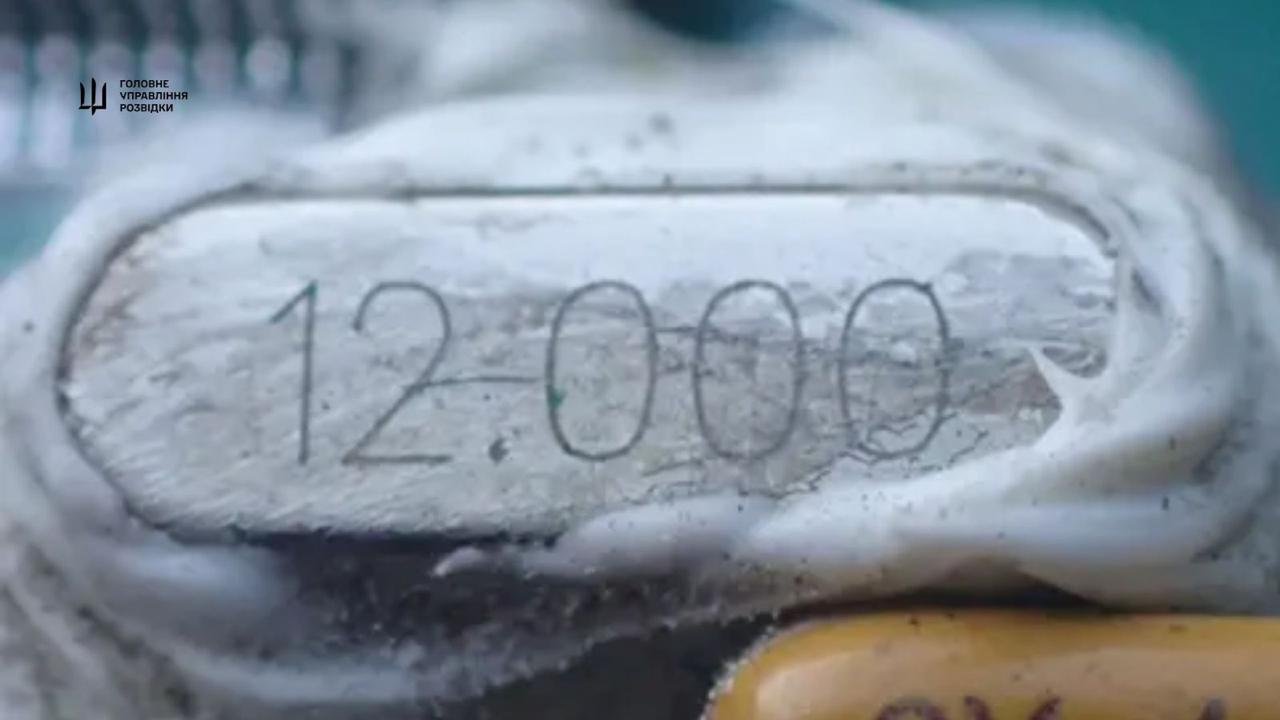 KN-23/KN-24 teardown photo 2 of 6
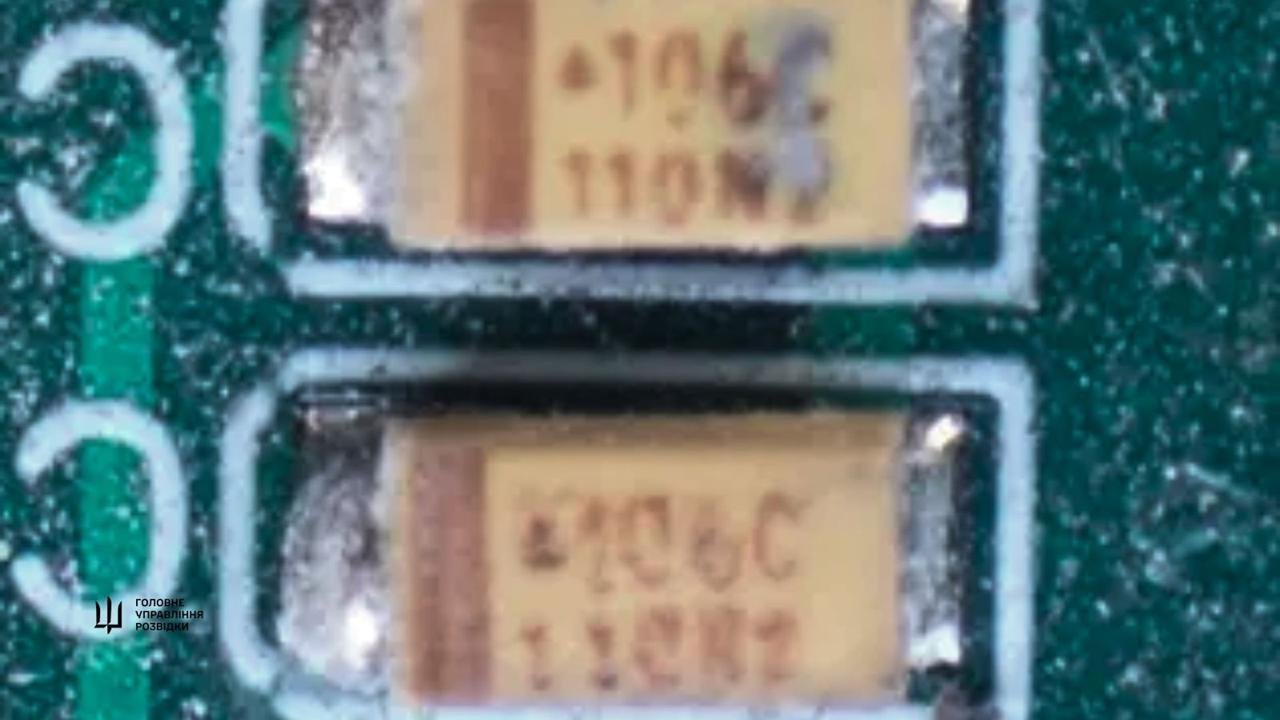 KN-23/KN-24 teardown photo 3 of 6
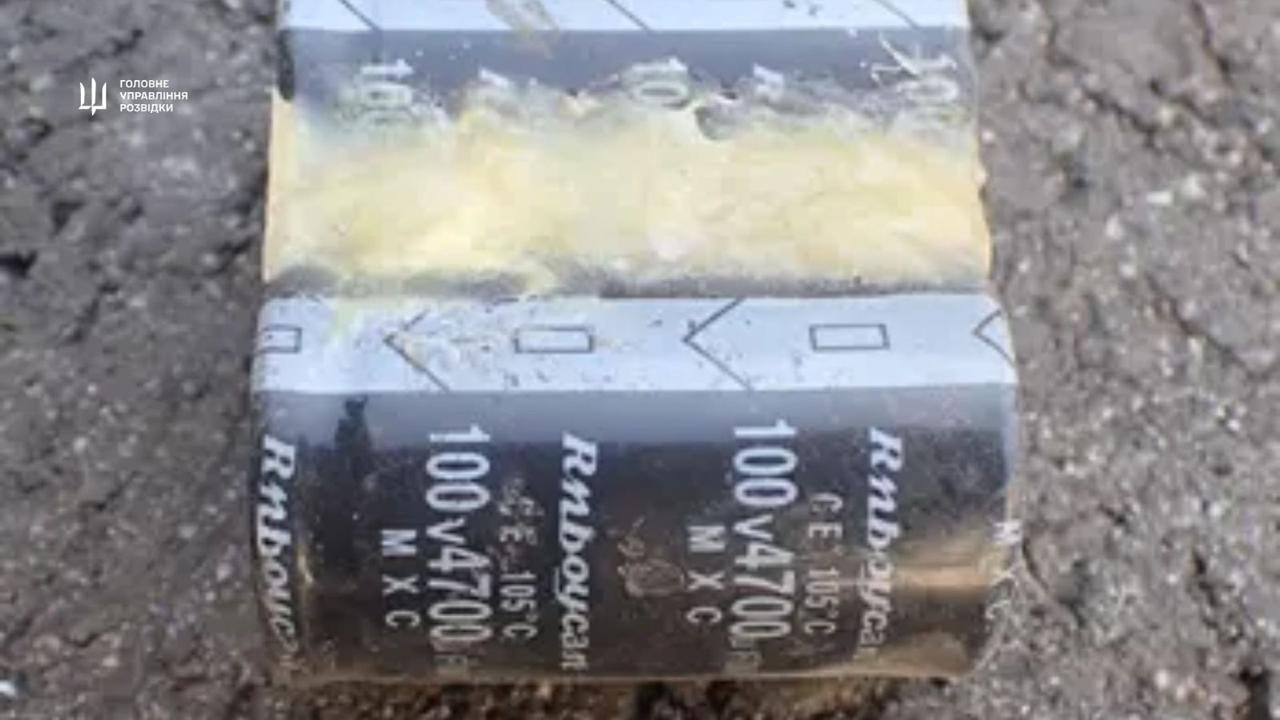 KN-23/KN-24 teardown photo 4 of 6
Photo: Defence Intelligence of Ukraine (HUR), War&Sanctions
Videos


Overview
The KN-23 is a North Korean short-range ballistic missile that Russia has fired at Ukrainian cities since the last days of 2023. KN-23 is the US designation. Pyongyang calls it Hwasong-11Ga, now written Hwasongpho-11Ka in state media, and it is the first missile in the Hwasong-11 family. A closely related, wider missile, the KN-24, is often reported alongside it as “KN-23/KN-24”.
It is filed on this site under NPO Mashinostroyeniya by mistake. The missile is designed and built in North Korea. Its early tests were announced as work of the Academy of Defence Science (Military Times). It is assembled at the February 11 Plant of the Ryongsong Machine Complex in Hamhung, which researchers at the James Martin Center for Nonproliferation Studies describe as the only known maker of Hwasong-11 missiles. Satellite imagery from October 2024 showed a second assembly building going up there (Kyiv Independent, citing Reuters).
North Korea first tested the missile on 4 May 2019. CSIS Missile Threat lists it as a single-stage, solid-fuel missile on a wheeled launcher, about 7.5 m long and 3.4 tonnes at launch. CSIS estimates it can carry about 500 kg to 450 km, or a lighter payload to about 690 km.
Design and guidance
Outwardly the KN-23 looks very like Russia’s Iskander-M, and analysts have long debated how much Russian help went into it. Ukraine’s defence ministry examined debris from the missile that hit Kharkiv in January 2024 and concluded in April 2026 that it is neither a direct copy nor a licence-built Iskander. The ministry describes it as a reworked early Iskander design (Ukrainska Pravda). It measured a body that is 110 cm across at the rear and narrows to 90 cm at the front, a figure it says no other country uses. It found the fragments matched photographs from North Korean factories on seven points, including the nozzle bolt pattern and the recesses for satellite-navigation receivers. The motor is about 1.5 times larger than its Russian counterparts for a similar range.
An earlier analysis by the ministry’s Institute of Armaments and Military Equipment, published through a RUSI commentary by Oleksandr Danylyuk, reported Russian traces in some parts. It found Russian steel grades in the motor case, markings that follow a Russian drawing standard, and jet vanes of a Russian grade of tungsten alloy (Euromaidan Press). It concluded that at least some elements were made with Russian raw materials and documentation.
Guidance is inertial, probably aided by satellite navigation. The missile flies a flattened, quasi-ballistic path with an apogee of roughly 50–60 km and pulls up in the final phase. CSIS notes this may complicate intercept predictions for missile-defence systems.
Electronics and foreign parts
The KN-23 relies on foreign parts. Conflict Armament Research examined the Kharkiv missile of 2 January 2024 and found more than 290 non-domestic electronic components, most of them in the navigation system. About three-quarters were linked to companies incorporated in the United States, 16% to European firms and 9% to Asian ones, 26 companies in all. Date codes ran from 2021 to 2023, so the missile could not have been assembled before March 2023. CAR found no sign of direct sales and has not named the companies, preferring to work with them on where the parts were diverted.
Ukraine’s Defence Intelligence (HUR) reported in November 2024 that a later example carried a voltage converter from the British maker XP Power produced in February 2023. It said the missile’s foreign parts came from companies in China, the United States, Japan, the United Kingdom and Switzerland (HUR). The defence ministry’s 2026 study described soldering about half a century behind current practice, civilian-grade parts, and a graphite nose fairing it called a cheap substitute for modern thermal protection.
Warheads
CSIS estimates the baseline warhead at about 500 kg. In Kharkiv in January 2024, sources quoted by Defense Express said the blast effects looked much smaller than that (Espreso). North Korea claims much heavier loads for enlarged versions: 2.5 tonnes for a missile tested in March 2021, and a 4.5-tonne “super-large” conventional warhead for the Hwasong-11Da-4.5 in 2024 (RFA). Neither claim has been independently verified. Pyongyang has also shown versions launched from a railcar, a silo and a submarine.
Use against Ukraine
The US National Security Council linked North Korean missiles to strikes towards Zaporizhzhia on 29 December 2023 and on Kharkiv on 2 January 2024. Ukraine’s prosecutor general, Andriy Kostin, counted at least 24 in 12 attacks on seven regions by 7 February 2024. All were launched from the Voronezh region, and they killed at least 14 civilians (Reuters via Swissinfo). The UN Panel of Experts identified the Kharkiv debris as a Hwasong-11 series missile days before the panel’s mandate expired, after a Russian veto (Gwara Media).
A Ukrainian defence official told CNN that about 60 KN-23s were fired in 2024, nearly a third of all ballistic missiles tracked that year. The Multilateral Sanctions Monitoring Team, set up by eleven states after the UN panel closed, counted at least 100 ballistic missiles shipped to Russia in 2024. HUR says North Korean specialists came with them to service the launchers.
Early rounds missed badly. Kostin said only two of the first 24 were “relatively accurate”, and his office later said about half broke up in flight. Air Force commander Mykola Oleshchuk said in August 2024 that they “rarely reach their intended targets” but remain a serious threat to civilians. Two senior Ukrainian sources then told Reuters that missiles fired since late December 2024 were landing within 50–100 m, against 1–3 km before. HUR chief Kyrylo Budanov said in June 2025 that joint Russian and North Korean work had raised accuracy “many times” (Kyiv Independent). What changed has not been shown from debris.
Interception
Ukrainian experts say Patriot and SAMP/T can engage the KN-23. On 15 February 2024 the Air Force reported shooting down one of six ballistic missiles in an attack that may have included one (LIGA.net). Separate interception figures for the KN-23 have not been published. Ukraine’s other response has been to trace the parts. Foreign Minister Andrii Sybiga pointed to “newly produced Western-made components” and pressed allies for tighter export controls (Babel).
Combat experience
Russia first fired North Korean ballistic missiles at Ukraine at the end of December 2023: the US National Security Council named strikes towards Zaporizhzhia on 29 December 2023 and on Kharkiv on 2 January 2024. Ukraine’s prosecutor general counted at least 24 such missiles in 12 attacks on seven regions between 30 December 2023 and 7 February 2024, launched from the Voronezh region, killing at least 14 civilians (Reuters via Swissinfo). A UN Panel of Experts report confirmed the Kharkiv debris as a Hwasong-11 series missile.
A Ukrainian defence official told CNN that about 60 KN-23s were fired in 2024, nearly a third of the 194 ballistic missiles Ukraine’s Air Force tracked that year. HUR said in November 2024 that Russia had received more than 100 KN-23/KN-24, and the Multilateral Sanctions Monitoring Team counted at least 100 transferred in 2024. Euromaidan Press put total deliveries of KN-23 and KN-24 at roughly 150 by September 2026.
Effectiveness
Early rounds were inaccurate. Ukraine’s prosecutor general said only two of the first 24 were “relatively accurate”, aimed at an oil refinery and an airfield, and in May 2024 his office said about half lost their programmed trajectory and exploded in the air. Air Force commander Mykola Oleshchuk said in August 2024 that KN-23s “rarely reach their intended targets” but remain a serious threat to civilians.
That changed around the turn of 2025. Two senior Ukrainian sources told Reuters that more than 20 missiles fired since late December 2024 landed within 50–100 m of their targets, against 1–3 km before. HUR chief Kyrylo Budanov said in June 2025 that Russian and North Korean specialists had together increased accuracy “many times”. The cause has not been established from debris: analysts point to navigation upgrades, better targeting data or combat feedback. Analysts quoted by Reuters read the change as North Korea using the war to test its missiles in combat.
Warhead upgrades
| Warhead | Type | Mass | Since | Notes |
|---|---|---|---|---|
| Baseline conventional warhead | high explosive | ~500 kg (estimate) | 2019 | CSIS estimates a 500 kg payload to about 450 km, with a lighter payload allowing about 690 km source |
| Warhead observed in Ukraine | high explosive | not established | 2023 | Defense Express sources said blast effects in Kharkiv in January 2024 were much smaller than a 500 kg warhead would suggest source |
| 2.5-tonne warhead (enlarged variant) | conventional (claimed) | 2,500 kg (North Korean claim) | 2021 | KCNA said a "new-type tactical guided projectile" tested by the Academy of Defence Science on 25 March 2021 carried a warhead improved to 2.5 tonnes; not independently verified source |
| 4.5-tonne "super-large" warhead (Hwasong-11Da-4.5) | conventional (claimed) | 4,500 kg (North Korean claim) | 2024 | KCNA claimed a 4.5-tonne conventional warhead in a September 2024 test; South Korea's military assessed a similar modified KN-23 type. A July 2024 launch of the same type appeared to fail source |
Variants
- Larger variant2021
Enlarged missile first tested 25 March 2021, claimed 2.5-tonne warhead; South Korea put the flight at about 450 km against North Korea's claimed 600 km source
- Rail-mobile launch2021
Two missiles fired from a railcar on 15 September 2021; a second rail launch followed on 14 January 2022 source
- Submarine-launched (Hwasong-11S)2021
Smaller sea-launched derivative tested 19 October 2021 and 25 September 2022 source
- Hwasong-11Da-4.52024
Version with a claimed 4.5-tonne warhead, tested July and September 2024 source
- Accuracy-improved rounds in Russian service2024
Missiles fired from late December 2024 landed within 50–100 m of targets against 1–3 km before, per two senior Ukrainian sources; HUR chief Budanov later called it "an absolutely different missile" improved with Russian help, without saying what changed source
Countering it
As reported publicly; each line links its source.
- Patriot and SAMP/T — Ukrainian experts say Patriot and SAMP/T can intercept the KN-23; on 15 February 2024 the Air Force said one of six ballistic missiles in an attack that may have included a KN-23 was shot down source
- Trajectory challenge for missile defence — CSIS notes the KN-23 flies a lower, quasi-ballistic path than comparable missiles with a terminal pull-up, which may complicate intercept predictions source
- Export controls and component tracing — CAR traced the navigation-system parts to 26 companies and works with manufacturers to find the diversion points; Ukraine's foreign minister urged allies to tighten sanctions and export controls after newly made Western parts were found in October 2024 source
- Sanctions monitoring — The UN Panel of Experts identified Kharkiv debris as a Hwasong-11 series missile in its final report (April 2024); after Russia vetoed the panel, the 11-nation Multilateral Sanctions Monitoring Team reported at least 100 ballistic missiles transferred in 2024 source
Sources
- missilethreat.csis.org/missile/kn-23/
- en.wikipedia.org/wiki/KN-23
- thedefensepost.com/2024/02/20/us-european-parts-missile
- gur.gov.ua/en/content/rozpakovka-pivnichnokoreiskoi-rakety-kn-23-kn-24-vyiavleno-inozemni-komponenty-2023-roku-vypusku
- www.pravda.com.ua/eng/news/2026/04/16/8030472/
- euromaidanpress.com/2024/07/22/analysis-reveals-russian-fingerprints-on-north-korean-kn-23-missiles/
- www.swissinfo.ch/eng/ukrainian-data-casts-doubt-on-precision-of-n%2ekorea-missiles-fired-by-russia/72645142
- www.pravda.com.ua/eng/news/2025/02/06/7496979/
- kyivindependent.com/russia-helped-to-significantly-improve-north-koreas-inaccurate-kn-23-ballistic-missiles-budanov-says/
- gwaramedia.com/en/reuters-un-experts-confirm-russians-used-north-korean-missiles-to-attack-kharkiv/
- kyivindependent.com/north-korea-expands-plant-producing-missiles-used-by-russia-against-ukraine-researchers-tell-reuters/
- www.militarytimes.com/flashpoints/2021/03/26/north-korea-confirms-it-tested-new-guided-missile-as-biden-warns-of-response
- www.rfa.org/english/news/korea/north-korea-super-large-warhead-09192024015700.html
- news.liga.net/ua/politics/news/zsu-zaiavyly-shcho-zmohly-zbyty-balistychnu-raketu-kn-23-iz-pivnichnoi-korei-shcho-vidomo-pro-nei
- news.liga.net/ua/politics/news/vnochi-nad-ukrainoiu-zbyly-53-shakheda-chotyry-pivnichnokoreiski-rakety-kn-23-propustyly
- babel.ua/en/news/111861-mfa-western-components-were-found-in-the-north-korean-missile-used-by-the-russian-federation-to-attack-ukraine
- global.espreso.tv/military-news-russia-uses-north-korean-kn-23-to-strike-at-ukraine-first-data-on-wreckage-analysis-available
- euromaidanpress.com/2026/09/19/north-korea-has-fired-around-150-ballistic-missiles-at-ukraine-learning-from-each-one-same-missiles-threaten-japan-and-kyiv-just-shows-its-speaker-what-is-inside-them/