Products Novator
Kh-55
systemAdversary capabilityby Novator
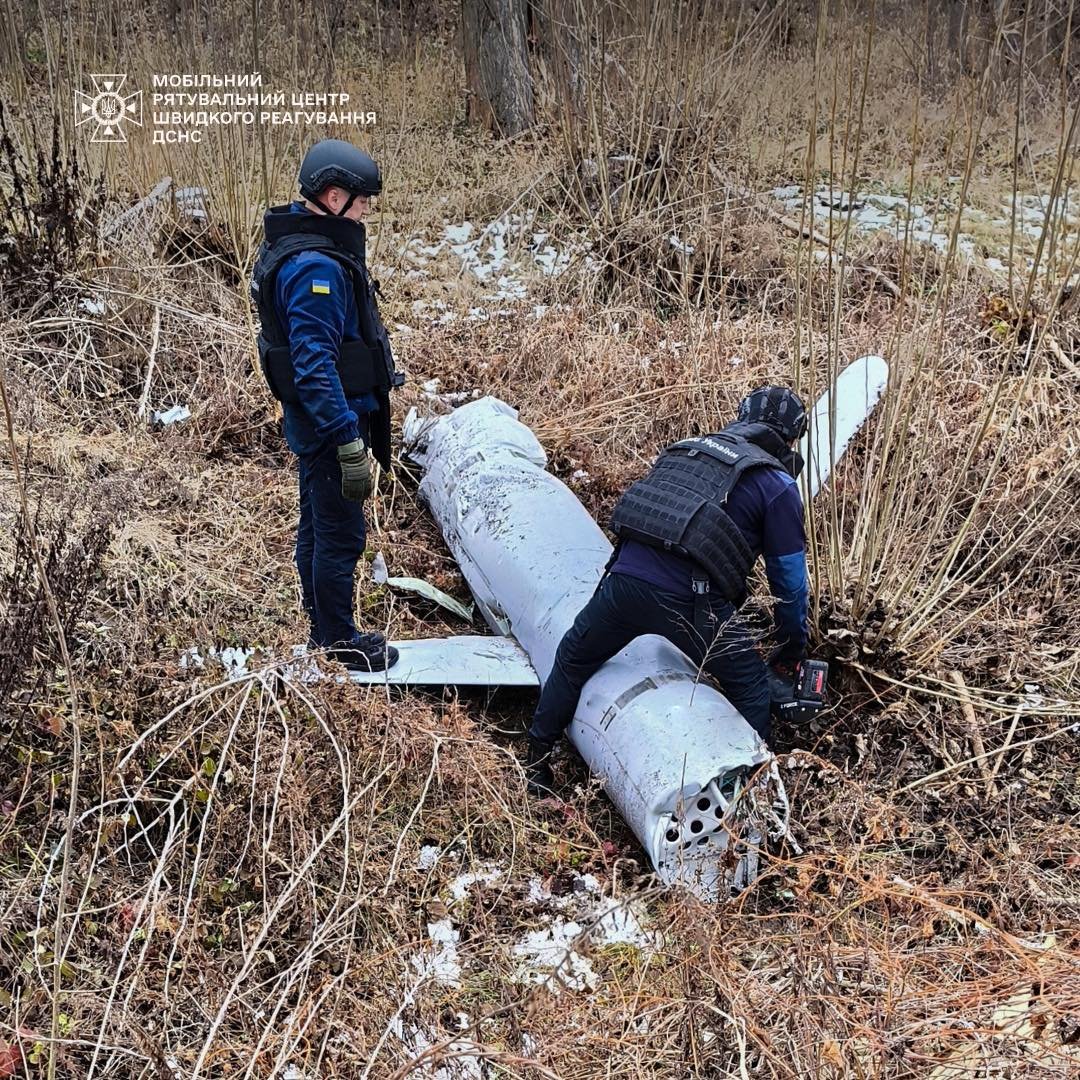
Photos: Unknown authorUnknown author · www.defense-arabic.com · inf.news · odin.tradoc.army.mil · State Emergency Service of Ukraine
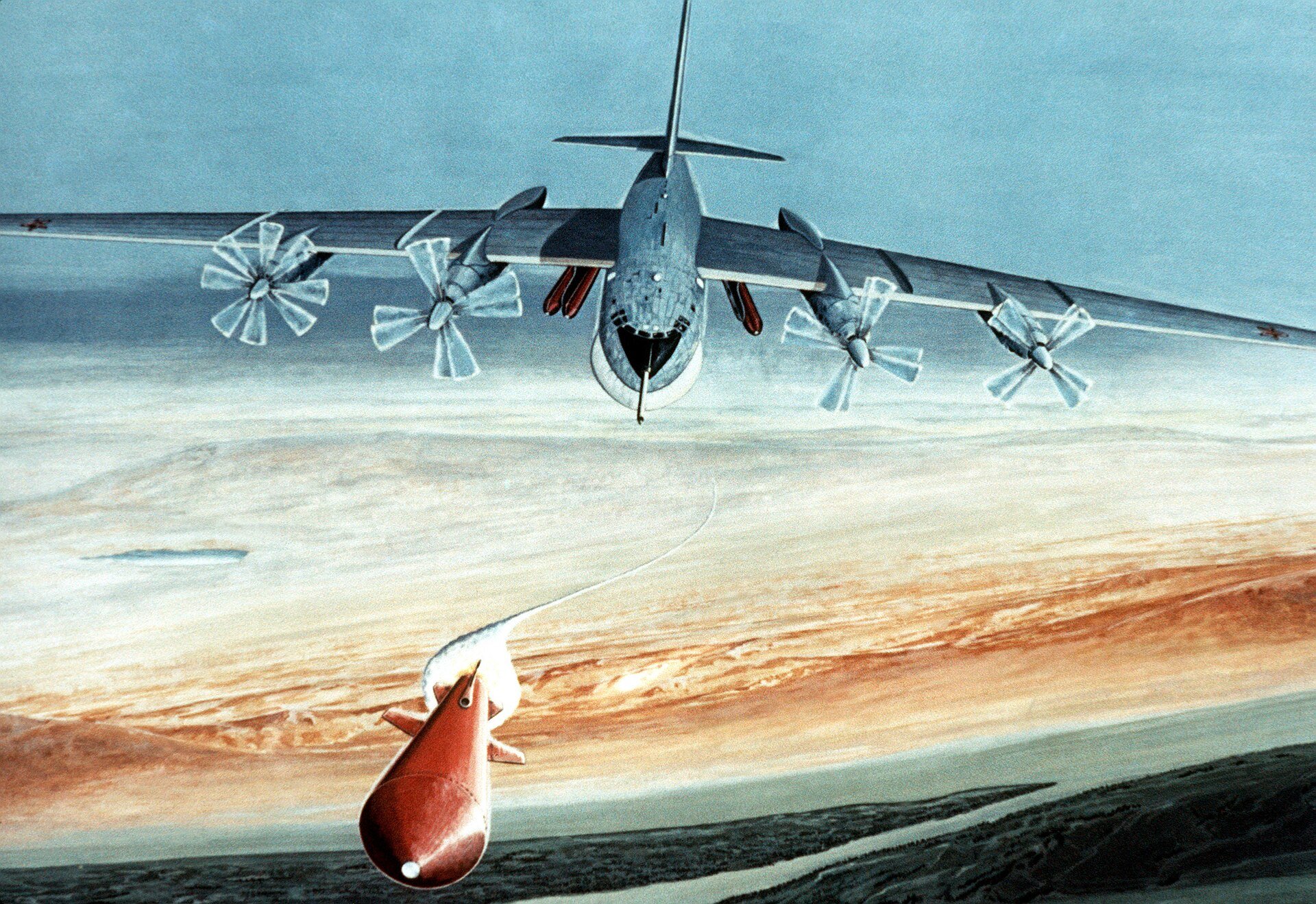
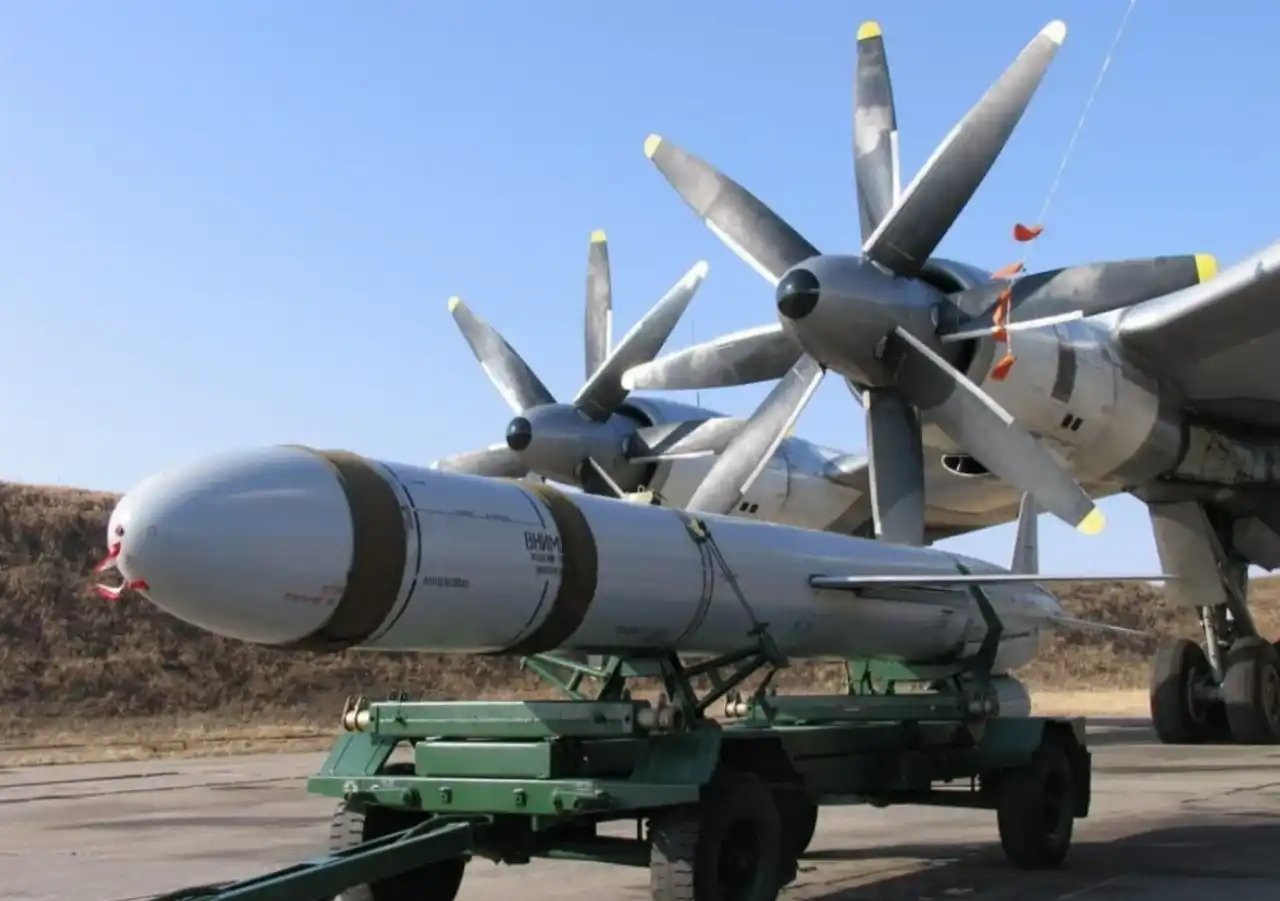
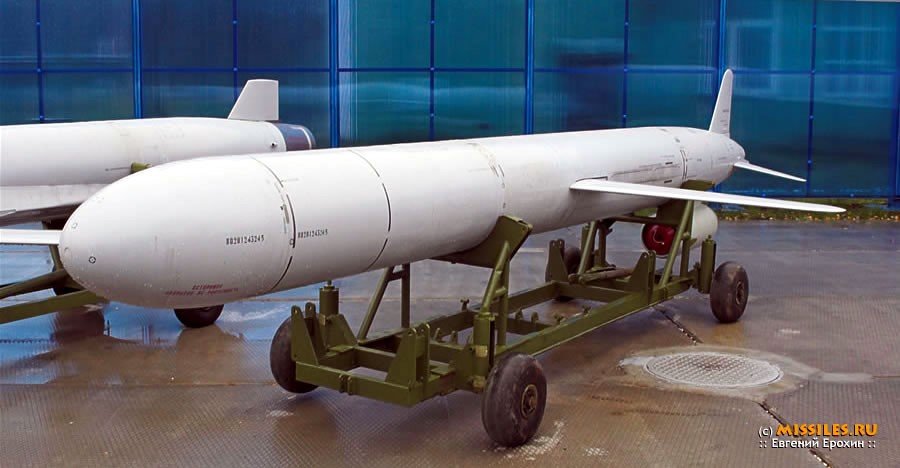
Kh-55 is a Soviet strategic air-launched cruise missile developed in the late 1970s by MKB Raduga under chief designer Igor Seleznyov, and formally accepted into service on 31 December 1983. According to Russian technical sources, it was the first Soviet cruise missile built around a fully digital guidance system. It was designed to fly subsonically at very low altitude against known fixed targets deep inside enemy territory, carried exclusively by the Tu-95MS Bear-H and Tu-160 Blackjack strategic bombers. Novator’s superficially similar RK-55 Granat — a ground- and submarine-launched weapon — is often conflated with the Kh-55 in Western coverage, but was a separate programme.
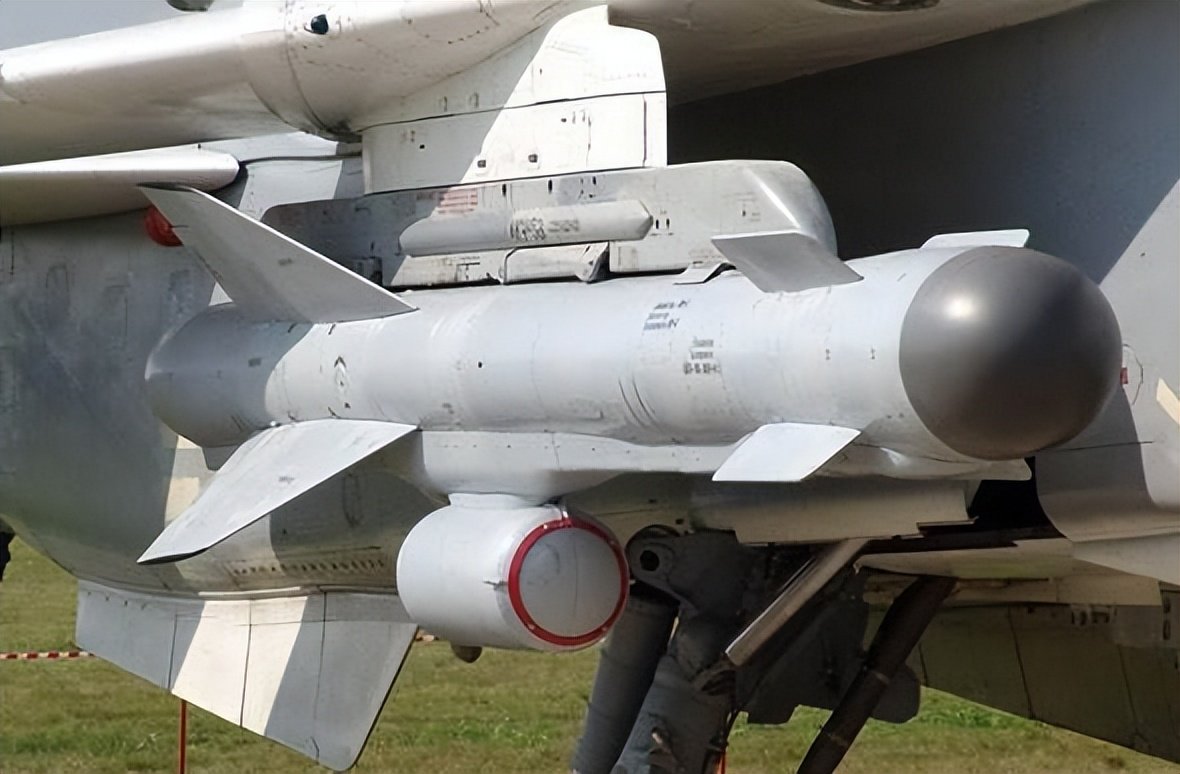
The missile has a cylindrical fuselage with pop-out wings and tail surfaces, and a distinctive drop-down TRDD-50 turbofan that deploys from the body after launch, a configuration that lets it tuck into the rotary launchers of its carrier bombers. Guidance combines inertial navigation with terrain-contour matching against a stored digital map of the route, allowing it to hug the ground at around 40–110 metres and skirt radar coverage. The baseline Kh-55 carries a nuclear warhead reported at roughly 200 kilotons; range is cited by the manufacturer at 2,500 km for the original and 3,500 km for the extended Kh-55SM, with conformal fuel tanks. Later variants added satellite correction, and the Kh-555 — the only conventional derivative to see production — swaps the nuclear charge for a high-explosive or submunition payload at a reduced range of about 2,000 km.
The Soviet Air Force fielded Kh-55 widely in the 1980s, and the stockpile passed to Russia and, in part, to Ukraine after 1991. Ukraine’s inheritance became a scandal in 2005, when prosecutors confirmed that twelve missiles had been illicitly transferred to Iran and China around 2001 via a front-company scheme; the missiles were handed over without warheads, and neither country is known to have fielded them operationally, though both are widely suspected of using them for reverse-engineering. Russia has launched Kh-555 against targets in Syria from 2015, and both the Kh-555 and the related Kh-101 have been used extensively against Ukraine since 2022. Ukrainian defence officials and open-source analysts have also reported recoveries of inert Kh-55 bodies with their warheads replaced by ballast, launched alongside live missiles to saturate air-defence radars — an unusual second life for a strategic weapon.
Development did not stop with the Kh-555. The newer Kh-101 (conventional) and Kh-102 (nuclear) are widely described as the family’s successors, retaining the drop-down turbofan layout while adding a flattened, lower-observable fuselage and improved guidance. The Kh-55 itself persists mainly as a decoy and training round, but its airframe layout and avionics lineage sit at the core of Russia’s modern long-range strike inventory.