Kh-101
Russia's main air-launched strategic cruise missile, fired from Tu-95MS and Tu-160 bombers; upgraded in the war with a second warhead, jammer and decoys.
Missile / loitering munitionAdversary capabilityby MKB RadugaIntroduced 2012 · Updated 2026
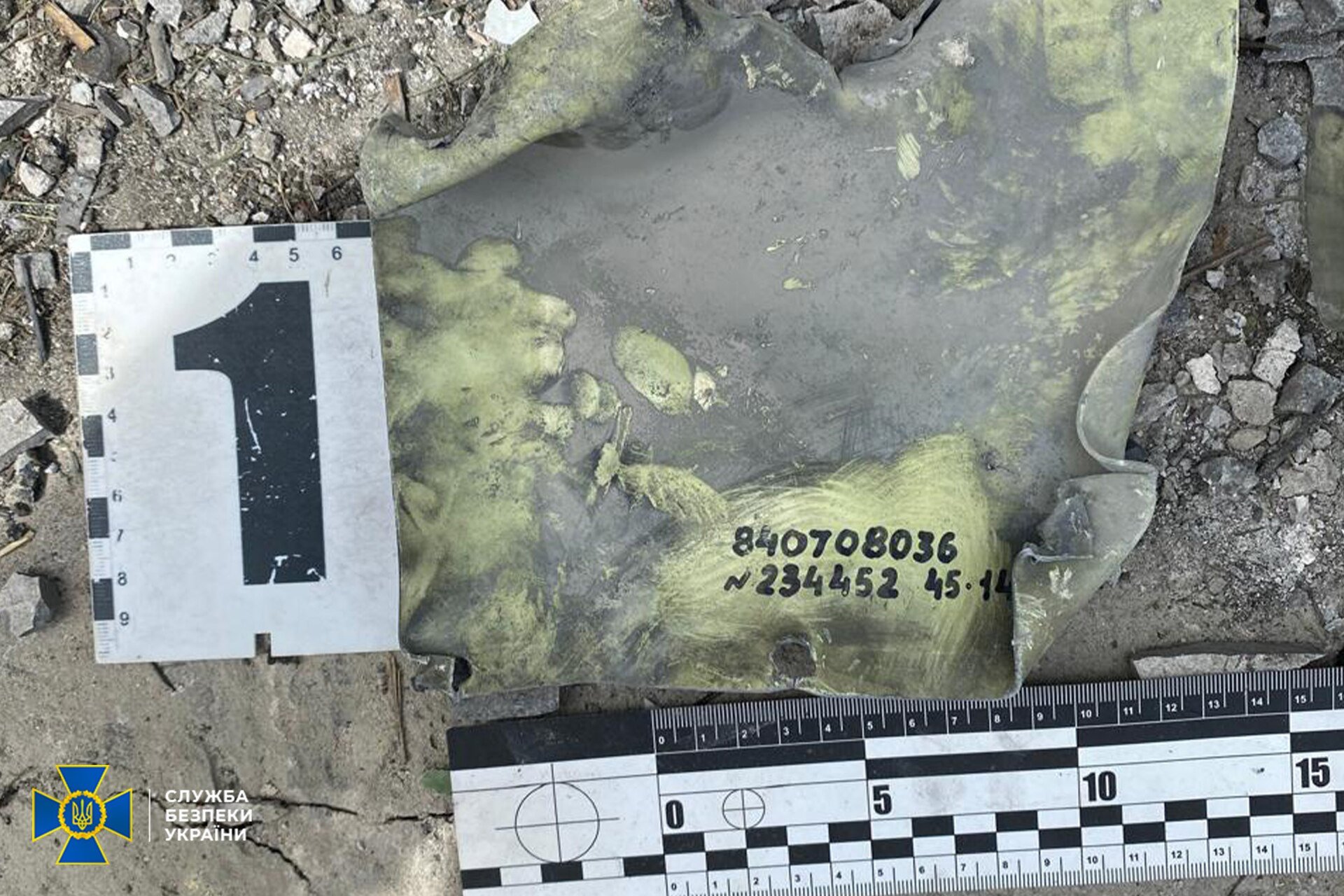
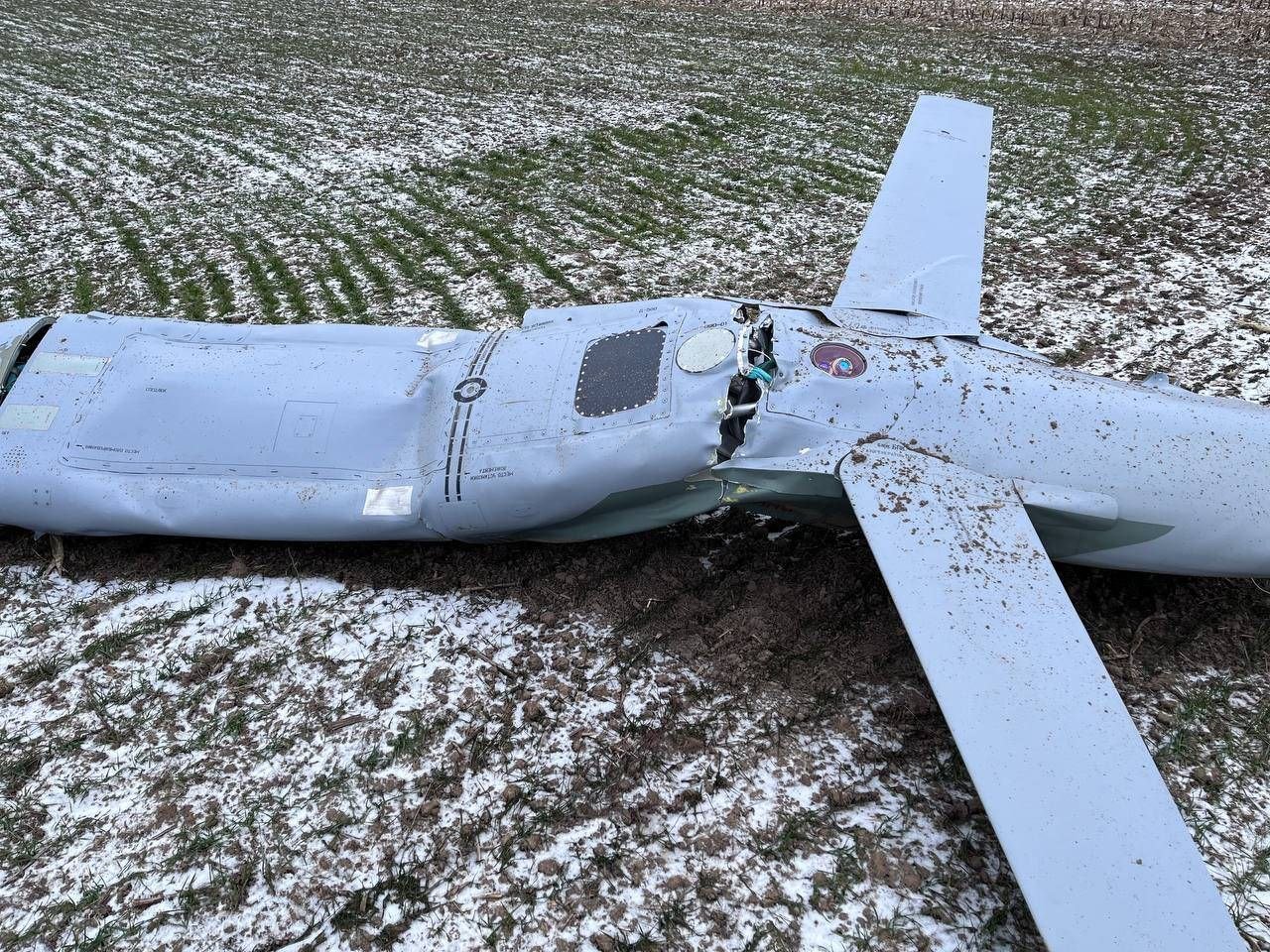
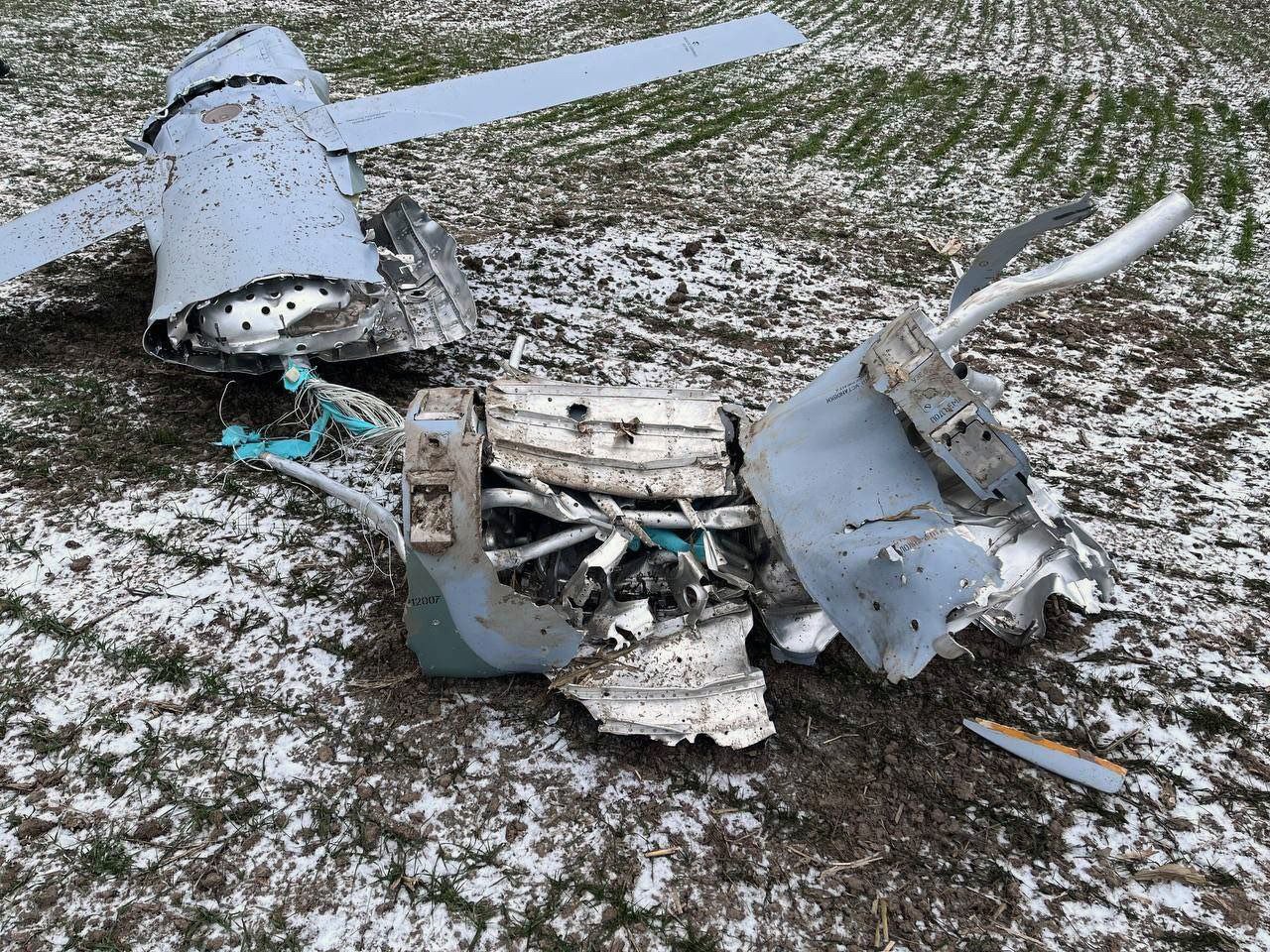
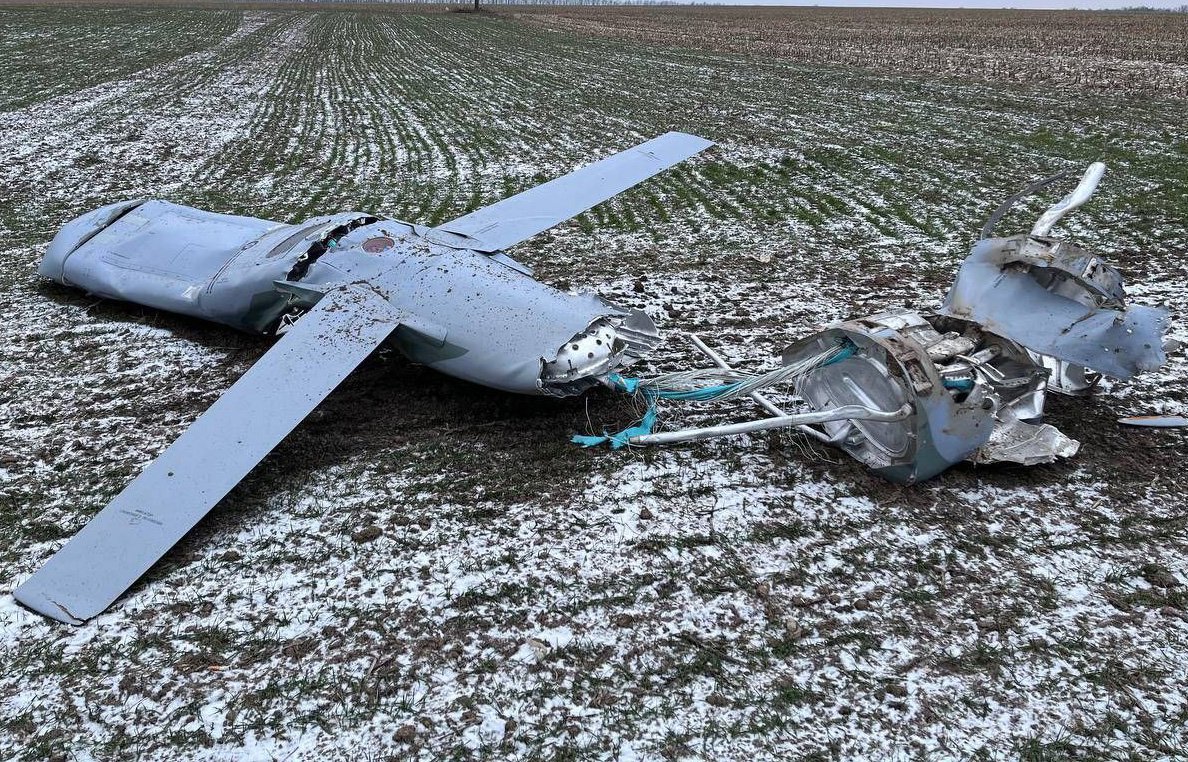
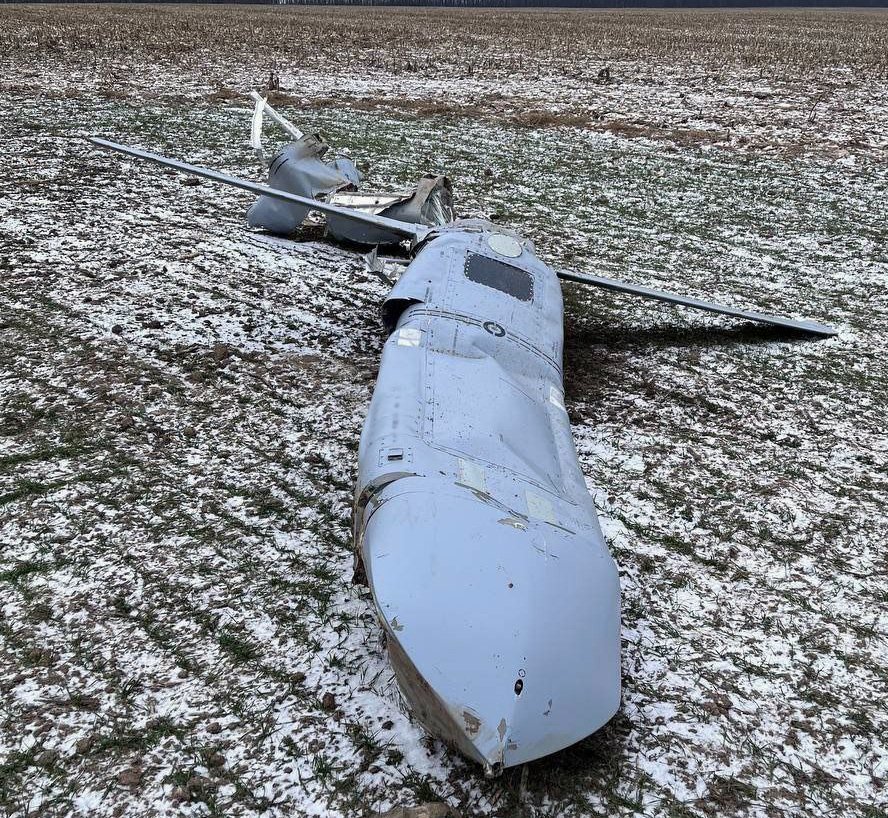
Photos: Security Service of Ukraine · Командування Повітряних Сил ЗСУ / Air Force Command of Ukrainian Armed Forces (license)
Videos



Overview
The Kh-101 (NATO reporting name AS-23A Kodiak) is Russia’s principal air-launched strategic cruise missile and, since 2022, the weapon its long-range bombers fire most often at Ukraine. It is carried by the Tu-95MS, which takes up to eight on underwing pylons, and the Tu-160, which carries twelve in two internal rotary launchers, according to its Wikipedia entry. A nuclear-armed sibling, the Kh-102, shares the airframe.
Although our records file it under Novator, the Kh-101 is a product of MKB Raduga in Dubna, Moscow Oblast, part of the Tactical Missiles Corporation. Raduga is the contractor named in Russian procurement documents obtained by Militarnyi, and it was Raduga staff who showed then defence minister Sergei Shoigu the heavier-warhead version in January 2024, as reported by Defense Express. When a Kh-101 came down in Poland on 30 July 2026, Polish prosecutors said it had been made in the second quarter of 2026 “at one of the enterprises in Moscow Oblast” (Euromaidan Press).
Development began in the late Soviet years to replace the Kh-55. CSIS Missile Threat dates entry into service to 2012 and gives a length of 7.45 m, a launch weight of 2,300–2,400 kg and a range of 2,500–2,800 km; Russian claims run to 4,500 km and Ukraine’s defence intelligence (HUR) lists up to 5,500 km. Procurement documents put the price at roughly RUB 164–194 million, about $2–2.4 million per missile. A Ukrainian presidential-office analysis cited by the Financial Times estimated output rose from 56 missiles a year before the full-scale invasion to 420 in 2023, and Militarnyi reported orders for 525 in 2024 and 700 in 2025.
Design and guidance
The missile flies low and subsonic, at about 700–720 km/h and 30–70 m above the ground, with a faceted, low-observable body. Its small TRDD-50A turbofan comes from ODK-Saturn.
Navigation is layered. HUR’s War&Sanctions teardown lists an inertial unit, the SN-99 satellite receiver from KB NAVIS, a SINAR Doppler speed-and-drift meter from KB Luch, a UVK-208 radio altimeter for terrain-profile matching, and the Otblesk-U electro-optical system from TsNIIAG for the final approach. Otblesk-U compares the ground below with stored reference imagery, an approach Ukrainian analysts liken to the American DSMAC. At a February 2023 briefing, Ukraine’s trophy-weapons research centre showed that newer missiles carried a three-lens fixed camera instead of one swivelling lens, and new chips in the Baget onboard computer (Defense Express). Flight control runs on a VSS-1 computer from MOKB Mars.
Ukraine’s Defence Ministry counts four major changes since 2022: the dual-warhead layout, incendiary cluster submunitions, an improved combined navigation suite with a laser-gyro inertial system, and the SP-504 self-protection system. Ukrainian assessments cited by the ministry say accuracy suffers in dense cities, where many similar-looking blocks confuse the optical correlator.
Electronics and foreign parts
In July 2025 HUR published the missile’s internal structure and more than 70 enterprises in its production chain, saying dozens were not sanctioned by any coalition country (HUR). The War&Sanctions page lists 138 foreign-made items, from makers in the United States, the Netherlands, Switzerland, Japan, Taiwan and China. Names include Texas Instruments, Analog Devices, Intel, Xilinx (now AMD), Infineon’s Cypress, STMicroelectronics, Nexperia, Macronix, Winbond and a MORNSUN power converter. HUR found an Intel/Altera programmable chip inside the SN-99 navigation receiver.
Western parts kept arriving. The Financial Times examined missiles made in the second quarter of 2026, used in the 13–14 May strike on Kyiv, and found more than 100 Western components, including Texas Instruments, AMD, Kyocera AVX, Harting and Nexperia parts, some with 2024–2025 date codes, plus Chinese and Taiwanese parts in debris from January (Ukrainska Pravda). Domestic suppliers are targets too: Ukrainian drones struck NIIFI in Penza, which makes the engine’s pressure sensors, on 1 July 2026 (Euromaidan Press).
Warheads
The baseline missile carries a 400–450 kg conventional warhead, high-explosive, penetrating or cluster. HUR lists the main 9-E-2648 warhead from NPO Splav and, separately, a tandem fragmentation-high-explosive warhead from GosNIIMash.
That tandem layout is the best-documented wartime change. A missile downed on 29 March 2024 carried a second warhead packed with ready-made cube fragments, made room for by shrinking the fuel tank; a Raduga representative had told Shoigu warhead mass had grown “from 450 kg to 800 kg” (Defense Express). Britain’s Defence Ministry judged the change “probably reduced the flight range of the X-101 by half” (Babel). In May 2026 Ukraine’s Defence Ministry described incendiary cluster submunitions: steel balls with zirconium inserts, titanium-hydride capsules and a plastisol explosive. It said the design pointed at fuel and oil storage.
Use against Ukraine
Russia reported first combat use in Syria in November 2015. In Ukraine the Kh-101 has been used throughout the full-scale war, usually in mixed salvoes with Kalibr missiles and Geran-2 drones aimed at the power grid and cities. Bellingcat identified a Kh-101 in the 8 July 2024 strike on Kyiv’s Okhmatdyt children’s hospital, matching video against a 3D model and wreckage markings against a Ukrainian identification manual. Russian accounts blamed a Ukrainian interceptor; the evidence did not support that. On 30 July 2026 one strayed or was steered into Poland, leaving a crater near Lublin.
Interception
Since late 2022 the missile has carried self-protection. The L-504 dispenser near the warhead fires pyrotechnic cartridges; Ukrainian officials who showed one in February 2023 described it as a dipole (chaff) reflector, and video from December 2023 showed releases in flight (The War Zone). TWZ noted that flares would not fool radar-guided systems such as Patriot. HUR also lists the SP-504 active jamming station from Radiopribor, which Ukraine’s Defence Ministry says creates false radar targets.
Ukraine reports high kill rates, though these are its own figures and cannot be checked independently. The Defence Ministry says about 88% of Kh-101, Kh-55 and Kh-555 missiles were intercepted in the first months of 2026. Cruise missiles are engaged by layered ground-based air defence, including Western systems such as NASAMS and IRIS-T, and by fighters: a Ukrainian Mirage 2000 downed a Kh-101 on its first combat sortie in March 2025 (Euromaidan Press).
Combat experience
Russia’s Defence Ministry reported first combat use from Tu-160 bombers against targets in Syria on 17 November 2015, with further salvoes in 2016 and 2017, according to CSIS Missile Threat.
Since February 2022 it has been the backbone of the bomber-launched element of Russia’s strike campaign on Ukraine, usually fired in mixed salvoes with Kalibr and Kh-55/Kh-555 missiles and Shahed-type drones. Notable strikes include the Okhmatdyt children’s hospital in Kyiv on 8 July 2024, identified by Bellingcat, and a Kyiv high-rise on 13–14 May 2026 that killed 24, where the missiles had been made in the second quarter of 2026 (Ukrainska Pravda / FT). On 30 July 2026 a Kh-101 came down in Lublin Voivodeship, Poland; prosecutors said it was manufactured in Q2 2026 at an enterprise in Moscow Oblast (Euromaidan Press).
Effectiveness
Ukrainian figures show most Kh-101s are shot down: the Defence Ministry reports about 88% of Kh-101/Kh-55/Kh-555 missiles intercepted in early 2026, and monthly Air Force tallies in 2025 counted dozens destroyed each month. Those numbers are self-reported. The missile’s low flight profile, route planning around air-defence zones and mixing with drone swarms still let a share through, and each modification since 2022 — second warhead, chaff, jammer, better scene matching — is described by Ukraine’s Defence Ministry as a response to interception.
Ukrainian military assessments cited by the ministry say accuracy drops in dense cities, where many similar landmarks confuse the optical correlator. Debris analysis suggests missiles are often assembled one to two weeks before launch, which points to a production line feeding the front with little stockpile.
Warhead upgrades
| Warhead | Type | Mass | Since | Notes |
|---|---|---|---|---|
| Baseline unitary warhead | high-explosive fragmentation, penetrating or cluster | 400–450 kg | 2012 | The standard conventional fit per CSIS and Wikipedia; the nuclear Kh-102 carries a warhead estimated at 250 kt source |
| Main warhead 9-E-2648 | high-explosive fragmentation (main charge) | not published | not published | Made by NPO Splav (Tula) with 711 ARZ, Gidromash, NITI im. Snegiryov, Samara State Technical University and the Nerekhta Mechanical Plant involved source |
| Tandem OF warhead MSNI.37364.376 | tandem fragmentation-high-explosive with a second fragmentation warhead | about 800 kg total (Raduga said "from 450 kg to 800 kg") | 2024 | GosNIIMash design. The second charge holds ready-made cube fragments; fuel capacity was cut to make room. First seen in a missile downed on 29 March 2024 source |
| Incendiary cluster submunitions | cluster with incendiary elements | not published | not published (reported May 2026) | Ukraine's Defence Ministry describes steel balls with zirconium inserts, titanium-hydride capsules and a plastisol explosive it says is 30–40% more powerful than RDX; it reads the design as aimed at fuel and oil storage source |
Variants
- Kh-1022012
Nuclear-armed strategic sibling on the same airframe; no confirmed use source
- Optical-upgrade version (Otblesk-U)2022
Three-lens fixed camera in place of a single swivelling lens for DSMAC-style scene matching, new chips in the Baget computer; in use since late 2022 source
- Self-protection version (izdeliye 504AP)2022
L-504 dispenser firing pyrotechnic chaff cartridges, reported to trigger automatically on detecting radar; video of in-flight release appeared in December 2023 source
- Dual-warhead version2024
Second fragmentation warhead added at the expense of fuel; total warhead mass about 800 kg; UK MoD judged range probably halved source
- SP-504 jammer version2024
Active radar jammer plus decoys, reported by Ukraine's Defence Ministry as added in 2024–2025; listed by HUR as the SP-504 active jamming station source
Countering it
As reported publicly; each line links its source.
- Layered ground-based air defence — Ukraine's Defence Ministry says about 88% of Kh-101, Kh-55 and Kh-555 cruise missiles were intercepted from January to May 2026; an official figure, not independently verified source
- Fighter interception — Ukrainian F-16s and Mirage 2000s hunt cruise missiles; a Mirage 2000 downed a Kh-101 on its first combat sortie on 7 March 2025 source
- Radar-guided interceptors against decoys — TWZ notes the flares seen on video would only affect infrared-homing weapons, while radar-guided systems such as Patriot are unaffected; a Defense Express analyst said 85% of Kh-101s were still being downed after the dispenser appeared source
- Sanctions and strikes on the supply chain — HUR published over 70 enterprises in the Kh-101 production chain in July 2025 and says dozens remain unsanctioned; Ukraine has struck suppliers such as NIIFI in Penza source
Media
Sources
- war-sanctions.gur.gov.ua/en/page-kh-101
- gur.gov.ua/en/content/warsanctions-emdesiatky-pidpryiemstvvyrobnykiv-raket-kh101-odniieiu-z-yakykh-vdaryly-po-likarni-okhmatdyt-perebuvaiut-poza-zakhidnymy-sanktsiiamy.html
- mod.gov.ua/en/news/russia-modified-kh-101-missiles-four-times-to-strengthen-its-aerial-terror-campaign-ukraine-still-intercepts-88
- euromaidanpress.com/2026/05/11/russia-sacrificed-fuel-capacity-on-its-kh-101-to-pack-heavier-warhead-and-added-incendiary-steel-balls-with-zirconium/
- en.defence-ua.com/weapon_and_tech/upgraded_russian_kh_101_cruise_missile_new_guidance_system_electronics_and_radio_traps-5765.html
- en.defence-ua.com/analysis/russia_started_production_of_the_kh_101_with_two_warheads_making_the_missile_twice_as_dangerous-10001.html
- babel.ua/en/news/106889-british-intelligence-russia-modified-kh-101-cruise-missiles-they-have-an-additional-warhead
- www.twz.com/russian-kh-101-cruise-missile-filmed-firing-off-decoy-flares
- global.espreso.tv/kh-101-missiles-with-decoy-flare-do-not-significantly-affect-air-defense-military-expert
- missilethreat.csis.org/missile/kh-101-kh-102/
- en.wikipedia.org/wiki/Kh-101
- militarnyi.com/en/articles/from-kalibr-to-kinzhal-how-much-do-russian-missiles-really-cost/
- www.pravda.com.ua/eng/news/2026/05/15/8034890/
- euromaidanpress.com/2026/07/31/the-russian-missile-that-hit-poland-was-made-only-months-earlier-prosecutors-found/
- euromaidanpress.com/2026/07/01/the-penza-institute-builds-sensors-for-the-missiles-that-hit-ukraine-now-its-smoking/
- www.bellingcat.com/news/2024/07/09/russian-missile-identified-in-kyiv-childrens-hospital-attack/
- euromaidanpress.com/2026/09/25/ukraines-mirage-had-killed-a-cruise-missile-on-its-first-combat-sortie-france-just-sent-more-of-the-missiles-that-reach-80-km/