SpaceCloud iX10
High-performance radiation-tolerant AI edge processor for next-generation satellites and autonomous systems, succeeding the iX5 line.
Hardwareby UnibapIntroduced 2022
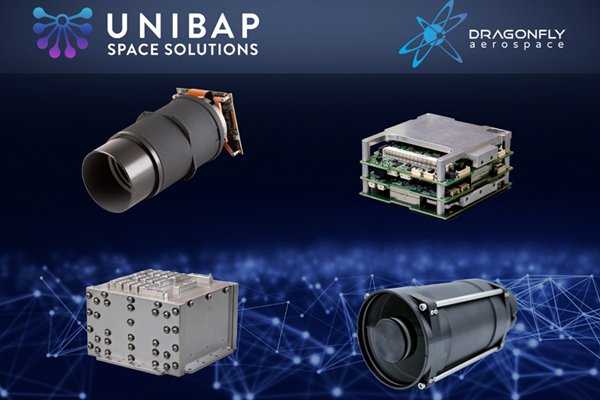
Photos: unibap.com · blog.satsearch.co · www.linkedin.com · www.satnow.com
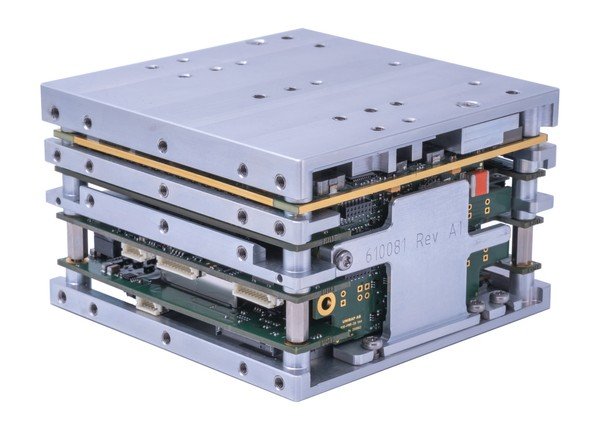
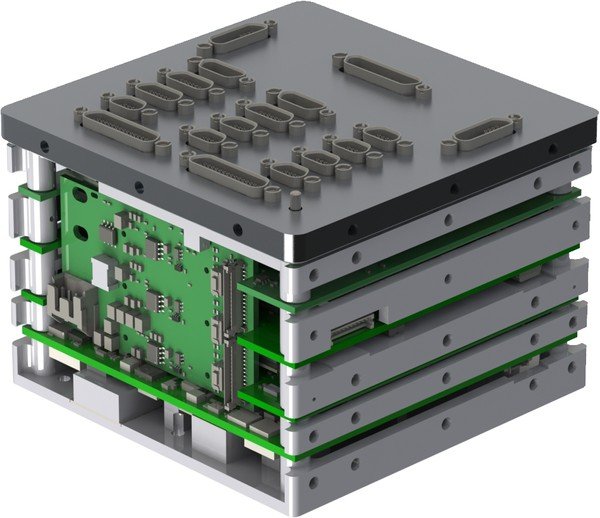
The SpaceCloud iX10 is a radiation-tolerant on-board computer built by Unibap, the Uppsala-based company that specialises in edge-processing units for satellites and autonomous platforms. Introduced around 2022 as the successor to the iX5 line, it is pitched at payload and satellite manufacturers looking to run artificial-intelligence workloads directly in orbit rather than ship raw data back to the ground for processing. Unibap positions the device for Earth observation first, but notes growing interest from tactical intelligence, surveillance and reconnaissance programmes and from unmanned-system integrators.
The hardware uses an x86 architecture — unusual for space-grade compute, where PowerPC and ARM dominate — and, per the manufacturer’s specifications, pairs the CPU with an NVIDIA Ampere-class GPU core for machine-learning inference. On top of that silicon runs the SpaceCloud Framework, Unibap’s own software layer that borrows directly from terrestrial cloud computing: OS-level virtualisation sandboxes containerised applications so that developers can deploy workloads to a satellite in much the way they would push an image to AWS. The ESA-funded framework exposes a unified sensors API, a unified communications API and isolated per-account storage, and supports common programming languages and popular machine-learning frameworks. CPU, GPU and VPU resources can be allocated to concurrent applications. The ground side orchestrates approvals, uploads new applications and pushes framework upgrades, in a model Unibap describes as cloud-style operations for space.
Operational history to date is civilian. The iX5 generation flew on the first Hawaii Space Flight Laboratory HyTI hyperspectral thermal-imaging mission for NASA, and in January 2024 Unibap announced an order from the same laboratory for the iX10 to serve as the onboard payload data-handling computer on the ACMES / HyTI-2 follow-on. During the SpaceCloud development programme, Unibap formed partnerships with Amazon Web Services and the Swedish Space Corporation around ground-to-orbit application portability. No combat use has been reported, and the company publishes no military end-user list; the system’s warfare relevance sits with its suitability for ISR satellites and the broader push to put AI inference on space-based sensor platforms rather than at the downlink.
Development continues around the SpaceCloud Framework rather than the silicon alone, with the pitch to prospective customers increasingly framed as a software ecosystem — an SDK and AppStore model aimed at shrinking satellite-software development from months to days. In an on-orbit compute market long dominated by hand-written embedded code on specialised radiation-hardened processors, the iX10’s distinguishing bet is that cloud-style tooling and a commodity-adjacent architecture can carry over into orbit without being burned by the radiation environment.