Products KBM (Machine-Building Design Bureau)
Iskander-M
Russia's road-mobile 9M723 quasi-ballistic missile, upgraded with Kometa anti-jam satnav and terminal manoeuvres that have cut Patriot intercept rates.
Missile / loitering munitionAdversary capabilityby KBM (Machine-Building Design Bureau)Introduced 2006 · Updated 2026
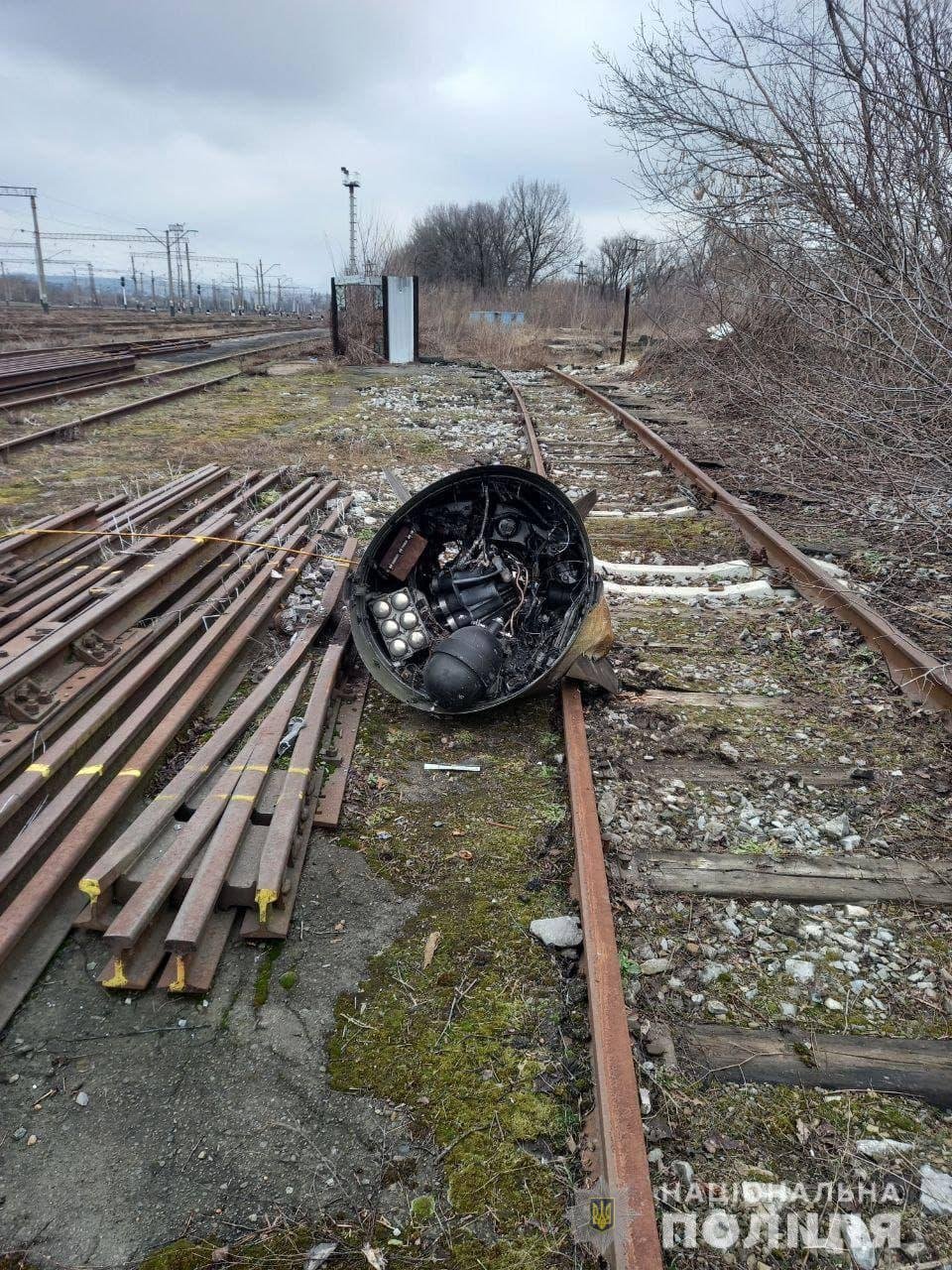 Wreckage of a cluster-warhead Iskander-M shot down near Kramatorsk, Shpychkine station, 9 March 2022
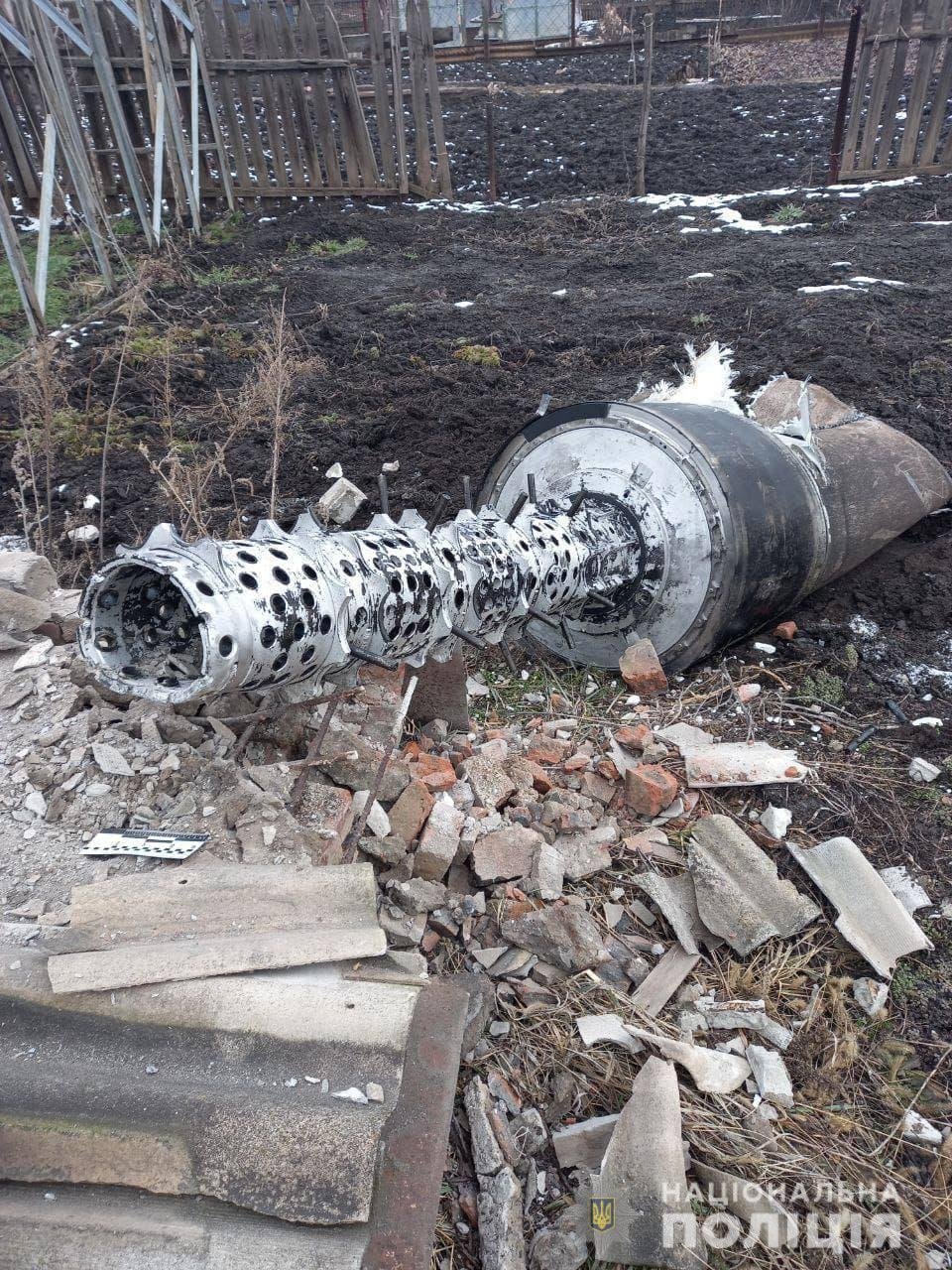 Same wreckage, second view (motor/airframe sections)
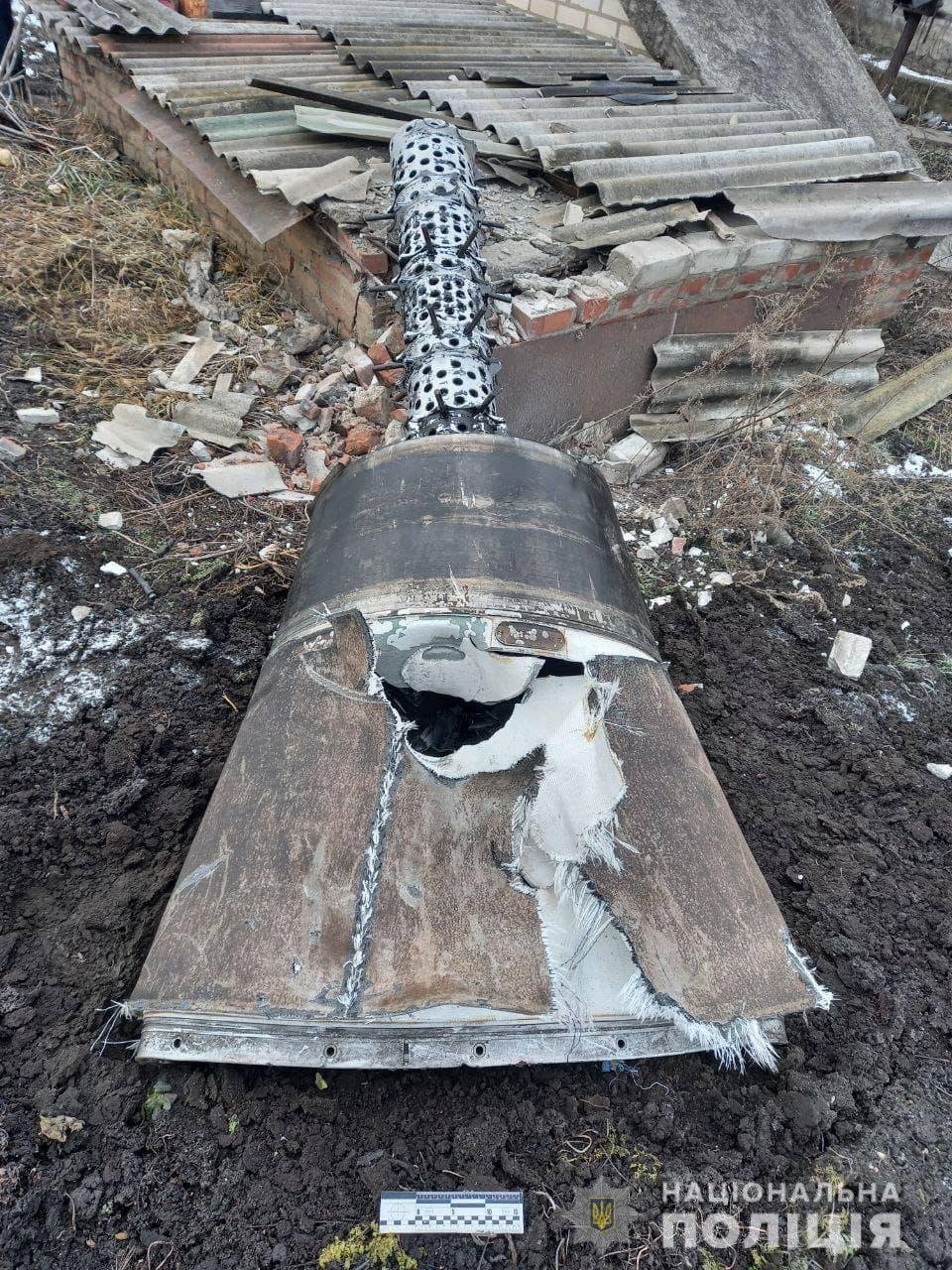 Same wreckage, close-up of debris
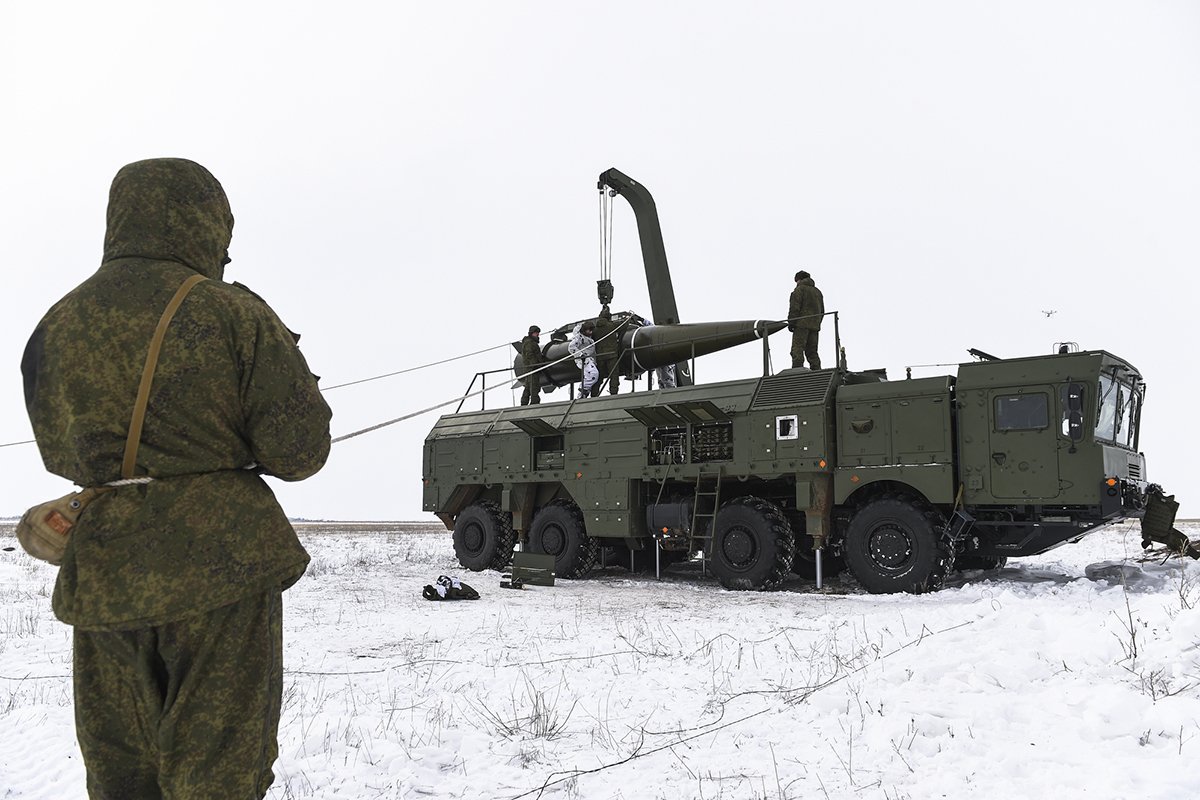 9M723K-E missile on its launcher during an Iskander-M combat launch at Kapustin Yar, 2018
Photos: National Police of Ukraine / Wikimedia Commons · Alexey Ivanov / Wikimedia Commons
Videos


Overview
The 9K720 Iskander-M (NATO: SS-26 Stone) is Russia’s road-mobile short-range ballistic missile system and one of the weapons Ukraine’s air defence finds hardest to stop. Each 9P78-1 wheeled launcher carries two single-stage, solid-fuel 9M723 missiles. According to CSIS Missile Threat, development began in the late 1980s to replace the Oka, which the INF Treaty had banned. The system entered Russian service in 2006, and an improved 9M723-1 was accepted in 2012.
The missile was designed, and its programme is led, by the Machine-Building Design Bureau (KBM) in Kolomna, with final assembly at the Votkinsk Plant, according to Ukraine’s military intelligence HUR and Kyiv Post. This page is filed under Novator because Novator leads the cruise missiles fired from the same launcher family: the 9M727/9M728 “Iskander-K” (HUR, January 2026) and the treaty-breaking 9M729. Novator did not design the ballistic missile itself.
HUR lists a length of 7.185 m, a diameter of 0.92 m and a launch mass of 3,800 kg. It gives a range of 390 km for the 9M723-1 and a warhead of about 450 kg. CSIS gives 400–500 km and a 480–700 kg payload. The export Iskander-E, sold to Armenia and Algeria, is limited to about 280 km. Russia promised the system to Belarus in June 2022, and Minsk declared it in service that December.
Design and guidance
The 9M723 is a quasi-ballistic missile. Rather than following a simple arc, it can fly ballistic, depressed or flat profiles and manoeuvre throughout flight. CSIS cites manoeuvres of up to 30 g. HUR’s figures give about 2,100 m/s at motor burnout, up to 2,600 m/s at the start of the terminal section, 1,300–1,400 m/s near the target, and an apogee of up to 100 km. A RUSI commentary notes that most reporting puts the apogee nearer 50 km. The 100 km figure comes from a lofted 2017 exercise shot.
Navigation is layered. The core is the 9B918 strapdown inertial system, with an MT-501-B laser gyroscope from NII Polyus and accelerometers from the Serpukhov Metalist Plant. It is corrected by Kometa satellite-navigation receivers from VNIIR-Progress. An optional terminal seeker refines the final approach: either the 9E436 optical correlator from TsNIIAG, which matches the scene below against stored imagery, or an active radar head from NPP Radar MMS. Accuracy claims run from a CEP of 20–30 m (HUR) down to 10–20 m with the optical seeker (CSIS).
That navigation stack has changed during the war. HUR said in December 2025 that Russia had begun fitting Kometa modules to 9M723s “in place of decoy systems.” In July 2026, Militarnyi reported photos, first shared by the Telegram channel Colonel GSh, of a 12-element Kometa-M12R-VT antenna array in the nose. It handles initial and mid-course navigation, while the Kometa-R8 tail unit, with two four-element arrays, takes over in the terminal phase. For defenders the meaning is plain: GNSS denial alone is a weaker lever against this missile each year.
HUR also describes a 9M723-2, part of a “Bora-M” complex sometimes called “Iskander-1000”. It has a larger motor and launcher and a claimed range of up to 550 km, and HUR says it was first used against Kyiv in summer 2026 (UK Defence Journal). Some Russian analysts dispute the “Iskander-1000” label.
Electronics and foreign parts
HUR’s War&Sanctions portal has published the most detailed public breakdown of the missile. In December 2025 it named 49 enterprises in the supply chain, 13 of them not sanctioned by any coalition state. These included the Morozov Plant, which makes solid-fuel charges, and PSB-Technologies and Pantes, which make Kometa circuit boards (Kyiv Post). An August 2026 release added 140 components. Only about a quarter were Russian-made, and 63 came from US manufacturers. In the flight-data processing unit tied to the laser gyroscope, just 5 of 43 parts were Russian. The control electronics include microprocessors, FPGAs, memory and data converters from DM&P Electronics, Xilinx (AMD), Atmel (Microchip), Winbond, Micron and Analog Devices.
One documented example is an onsemi AC245 eight-channel transceiver dated week 13 of 2021, logged by HUR. Commercial parts can reach Russia through distributors and secondary markets, so their presence does not show that a manufacturer supplied Russia directly. In July 2026, HUR also claimed, citing files it says it took from NII Polyus, that Chinese optical parts are used in Iskander navigation and targeting. That claim has not been independently verified.
Warheads
HUR lists cluster, HE-fragmentation, high-explosive, penetrating and “special” (nuclear) warheads. All are made by GosNIIMash, among them the 9N722F series and the 9N722K5 cluster warhead with 9N730 submunitions. CSIS adds a thermobaric option. Cluster versions have been used against Ukrainian cities. Ukraine’s National Police photographed cluster-warhead wreckage at Shpychkine station near Kramatorsk on 9 March 2022. Ukraine’s General Staff said the 4 April 2025 strike on a Kryvyi Rih residential area, which killed 20, used a cluster warhead. Russia said it had targeted a meeting of officers (Ukrainska Pravda).
Use against Ukraine
The Pentagon assessed that up to 100 ballistic missiles were fired in the opening hours of 24 February 2022. Iskander debris photographed that March revealed the 9B899 decoys, of which at least six can be carried in tubes at the base of the missile (The War Zone). Since then the missile has been used against energy sites, air bases, air-defence positions, drone launch areas and city centres. Ukraine attributed the 13 April 2025 Sumy strike, which killed 35, to two Iskander-Ms of the 112th and 448th Rocket Brigades (Wikipedia).
Russia often fires 9M723s alongside the North Korean KN-23 and the air-launched Kinzhal, sometimes from different directions at one target. Ukrainian cost tallies, following a Forbes estimate, value one Iskander-M at about $3 million (Ekonomichna Pravda via Ukrainska Pravda).
Interception
Patriot is Ukraine’s main defence against the Iskander. Air Force spokesman Yurii Ihnat said Patriot covers ballistic targets out to about 25 km, and that the missile’s near-vertical, manoeuvring dive complicates the intercept calculation (LIGA). In May 2025 he said the missiles were also carrying radar decoys, which “complicates, but doesn’t make the interception impossible” (Ukrainska Pravda).
The numbers are stark. RUSI, citing a count by Petro Ivaniuk that CSIS confirmed, found 227 of 939 Iskanders and Kinzhals intercepted by 24 October 2025, about 24%. In 273 of 345 attacks, not one missile was stopped. The rate for 9M723s and KN-23s reached 37.4% in June–September 2025, then fell to 17% in early October. The Financial Times, analysing Air Force data, reported a drop from 37% in August to 6% in September, on fewer launches (Meduza). It linked the drop to missiles that fly a normal path before a steep dive or evasive manoeuvre. RUSI weighs three explanations: lofted trajectories, smarter decoys and multi-axis salvos. It finds software-driven changes the most consistent with the evidence, but says the cause is unconfirmed. It also cautions that a missile which was not intercepted often struck an area with no Patriot coverage.
Combat experience
Iskander-M was among the first weapons fired in the full-scale invasion: the Pentagon assessed that as many as 100 ballistic missiles were launched in the first hours of 24 February 2022, and debris photographed that month exposed the 9B899 decoys (The War Zone). It has since been used against cities, energy, air bases, Patriot and other air-defence positions, and drone launch sites.
Several of the deadliest strikes on Ukrainian civilians have been attributed to it by Ukraine: two missiles on Sumy on 13 April 2025, which killed 35 and which Budanov attributed to the 112th and 448th Rocket Brigades (Wikipedia), and a cluster-warhead missile on a residential area of Kryvyi Rih on 4 April 2025 that killed 20, which Russia said targeted a meeting of officers (Ukrainska Pravda). In summer 2026 HUR reported the first use of the longer-range 9M723-2 against Kyiv.
Effectiveness
The Iskander is the hardest common Russian strike weapon for Ukraine to stop, because Patriot is the only system Ukraine fields that routinely engages it, and it gives only minutes of warning. RUSI counts about 24% of Iskanders and Kinzhals intercepted to October 2025, with 273 of 345 attacks seeing no intercept at all. Ukrainian Air Force figures analysed by the Financial Times (via Meduza) showed the ballistic interception rate falling from 37% in August 2025 to 6% in September, on fewer launches, after changes to the terminal phase.
The missile’s weakness is industrial rather than aerodynamic: HUR’s component maps show a guidance chain still dependent on Western and Asian microelectronics, and an inertial unit with only 5 of 43 parts made in Russia. Its main limits are cost (about $3 million per Forbes) and magazine depth on each two-round launcher.
Warhead upgrades
| Warhead | Type | Mass | Since | Notes |
|---|---|---|---|---|
| 9N722F-series high-explosive warhead | high explosive / HE-fragmentation | ~450 kg class (HUR lists 450 kg for the missile's warhead) | 2006 | Made by GosNIIMash, per the HUR component map source |
| 9N722K5 cluster warhead | cluster (cassette) with 9N730 submunitions | not published separately | 2006 | GosNIIMash cluster warhead. Wreckage of a cluster-warhead Iskander-M that fell on Shpychkine railway station near Kramatorsk on 9 March 2022 was photographed by Ukraine's National Police; Ukraine's General Staff said the 4 April 2025 Kryvyi Rih strike used a cluster warhead source |
| Penetrator and thermobaric warheads | earth penetrator; thermobaric | within the 480–700 kg payload range | Listed among available warhead types by CSIS; HUR lists a penetrating type source | |
| Special (nuclear) warhead | nuclear | not published | The system is dual-capable; HUR lists a "special" warhead option. No nuclear use; listed here because it shapes how the launcher deploys (e.g. Belarus) source |
Variants
- 9M723 (Iskander-M baseline)2006
Entered Russian service in 2006 after state trials from 1998; replaced the INF-banned Oka source
- 9M723-1 / 9M723K12012
Updated missile tested in 2010 and accepted in 2012; ~390 km range per HUR source
- Iskander-E (9M720E)2016
Export version limited to about 280 km and a 480 kg payload; sold to Armenia and Algeria source
- Kometa-equipped 9M723 (no decoys)2024
Kometa anti-jam satellite-navigation modules installed in the tail in place of the decoy container, per HUR and debris analysis; a 12-element Kometa-M12R-VT nose array followed by mid-2026 source
- Manoeuvring upgrade (2025)2025
Ukrainian officials and the FT reported a normal trajectory ending in a steep dive or manoeuvres, plus radar decoys; RUSI suggests software changes to terminal manoeuvring or decoy logic, cause unconfirmed source
- 9M723-2 ("Iskander-1000", Bora-M)2026
Larger motor section and launcher, claimed range up to 550 km, otherwise largely identical to the 9M723-1; HUR says first used against Kyiv in summer 2026. The "Iskander-1000" link is disputed by some Russian analysts source
- 9M727 / 9M728 Iskander-K cruise missile2013
Ground-launched cruise missile fired from the Iskander launcher family; Novator is the lead enterprise and 41 suppliers were mapped by HUR in January 2026, including the Tambov Elektropribor GIB-123-4 inertial system source
- 9M729 (SSC-8)2014
Novator ground-launched cruise missile behind the US exit from the INF Treaty; Ukraine said in October 2025 Russia had fired it 23 times since August 2025, one flying over 1,200 km source
Countering it
As reported publicly; each line links its source.
- Patriot PAC-3 — The main Ukrainian defence against Iskander. RUSI, using a count confirmed by CSIS, puts cumulative interception of Iskanders and Kinzhals at about 24% (227 of 939) to October 2025; 37.4% for 9M723 and KN-23 in June–September 2025, 17% in 1–24 October 2025. Results are bimodal — usually all or nothing per attack — and many targets lie outside Patriot coverage source
- Engagement geometry — Ukrainian Air Force spokesman Yurii Ihnat said in May 2025 that Patriot covers ballistic targets out to about 25 km and that the Iskander's near-vertical, manoeuvring descent makes the intercept point harder to compute source
- Decoy discrimination — Ihnat said Iskander-Ms were carrying radar decoys that complicate but do not prevent interception; the 9B899 decoys carry radar-frequency jammers and a heat source, per US officials quoted in 2022 source
- Strikes on launchers — Ukraine has hit Iskander launchers in Russia, including systems of the 448th Rocket Brigade in Kursk region, reported by Militarnyi source
- Sanctions on the supply chain — HUR has published 49 then 35 more enterprises and 140+ components to target export controls; 13 of the first 49 firms were unsanctioned in December 2025 source
Media
Sources
- war-sanctions.gur.gov.ua/en/ballistics/iskander
- war-sanctions.gur.gov.ua/en/components/4460
- war-sanctions.gur.gov.ua/en/components/part/4419
- war-sanctions.gur.gov.ua/en/components/part/4191
- www.kyivpost.com/post/65491
- ukdefencejournal.org.uk/ukraine-maps-supply-chain-behind-russian-iskander-missiles/
- oboronka.mezha.ua/en/gur-rozkrilo-dani-pro-raketi-iskandera-314558/
- gur.gov.ua/en/content/warsanctions-hur-mo-opryliudniuie-konstruktsiiu-ta-pidpryiemstva-vyrobnychoi-kooperatsii-krylatykh-raket-iskanderk.html
- missilethreat.csis.org/missile/ss-26-2/
- www.rusi.org/explore-our-research/publications/commentary/iskander-improved-russian-missile-tests-ukraines-air-defence
- meduza.io/en/news/2025/10/02/modified-russian-ballistic-missiles-now-able-to-evade-patriot-defense-system-ft
- www.twz.com/44760/russias-use-of-iskander-ballistic-missiles-in-ukraine-exposes-secret-decoy-capability
- militarnyi.com/en/news/russia-equips-iskander-m-missile-with-new-12-element-kometa-m12r-vt-antenna/
- pravda.com.ua/eng/news/2025/05/24/7513847
- news.liga.net/en/politics/news/range-of-25-km-and-iskander-oscillations-ukrainian-armed-forces-explain-patriots-difficulties-in-shooting-down-ballistic-missiles
- www.pravda.com.ua/eng/news/2025/04/05/7506132/
- en.wikipedia.org/wiki/2025_Sumy_airstrike
- en.wikipedia.org/wiki/Novator_9M729
- www.twz.com/land/russias-treaty-busting-screwdriver-cruise-missile-used-against-ukraine-officials
- www.rferl.org/a/32005797.html
- www.pravda.com.ua/eng/news/2023/12/29/7435068
- militarnyi.com/en/news/iskander-systems-of-the-448th-rocket-brigade-destroyed-in-the-kursk-region/
- t.me/VictoryDrones/59493