HIMARS
High Mobility Artillery Rocket System — wheeled precision rocket launcher firing GMLRS and ATACMS from a C-130-portable platform.
systemby Lockheed MartinIntroduced 2005
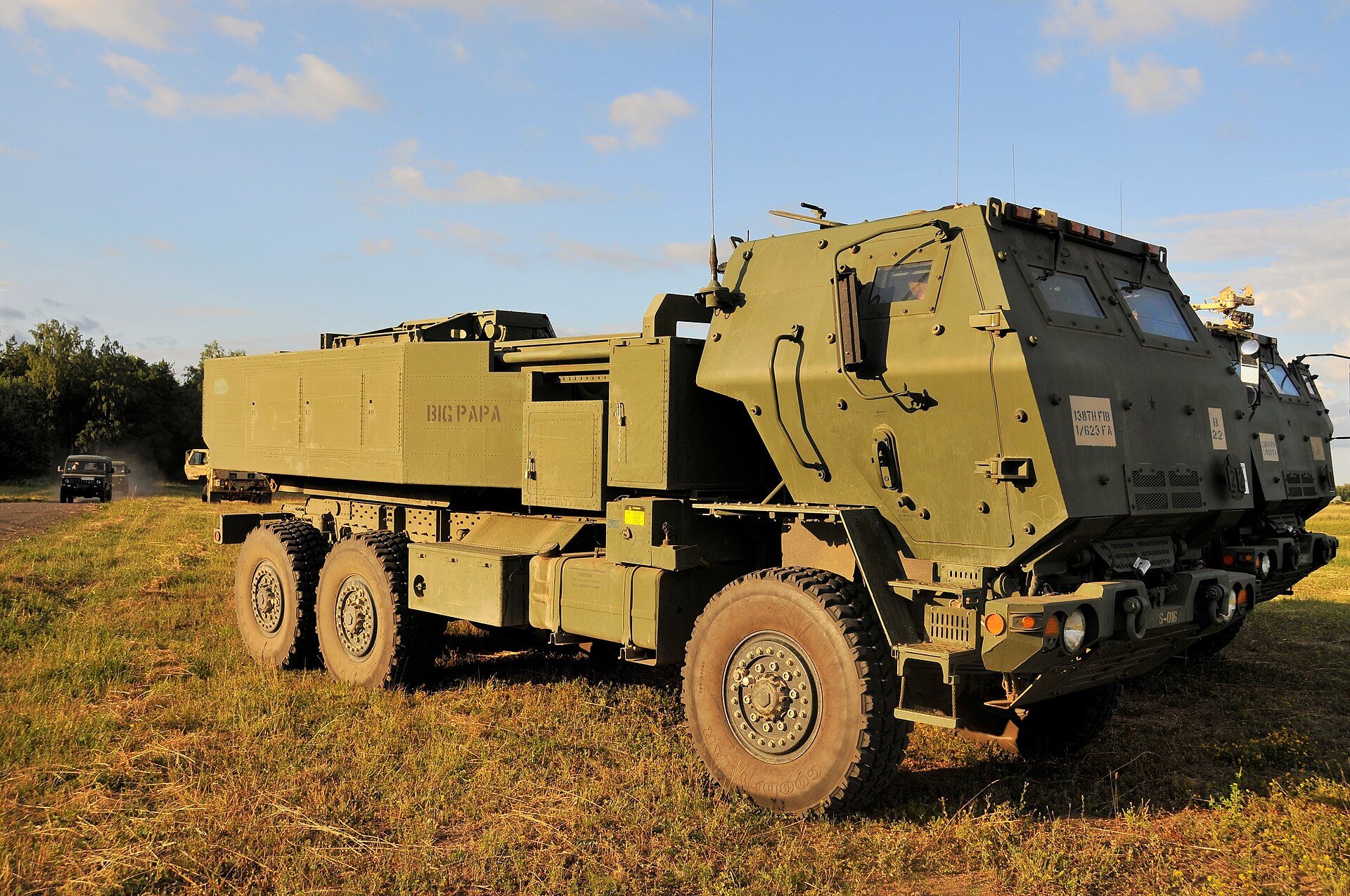
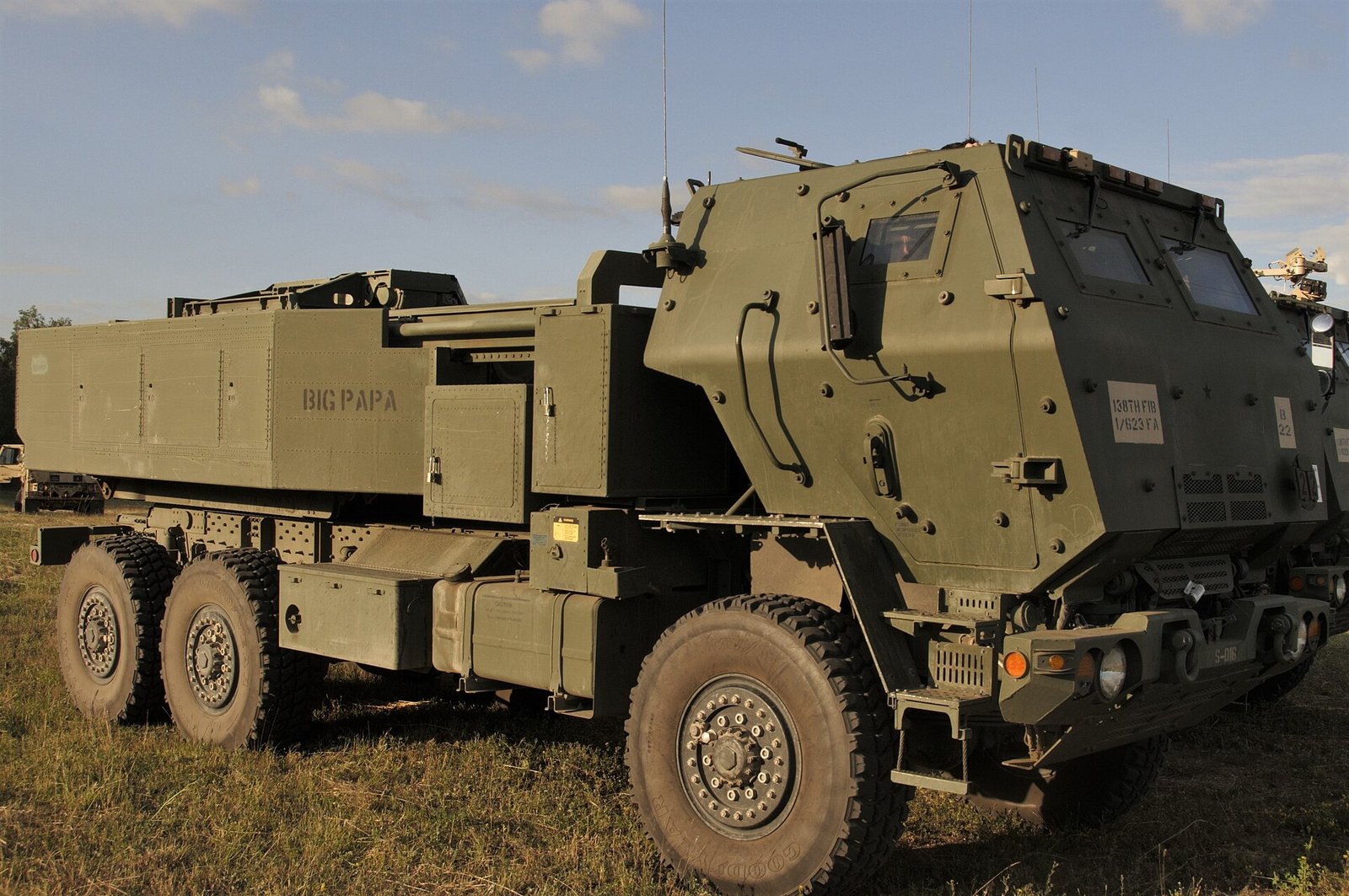
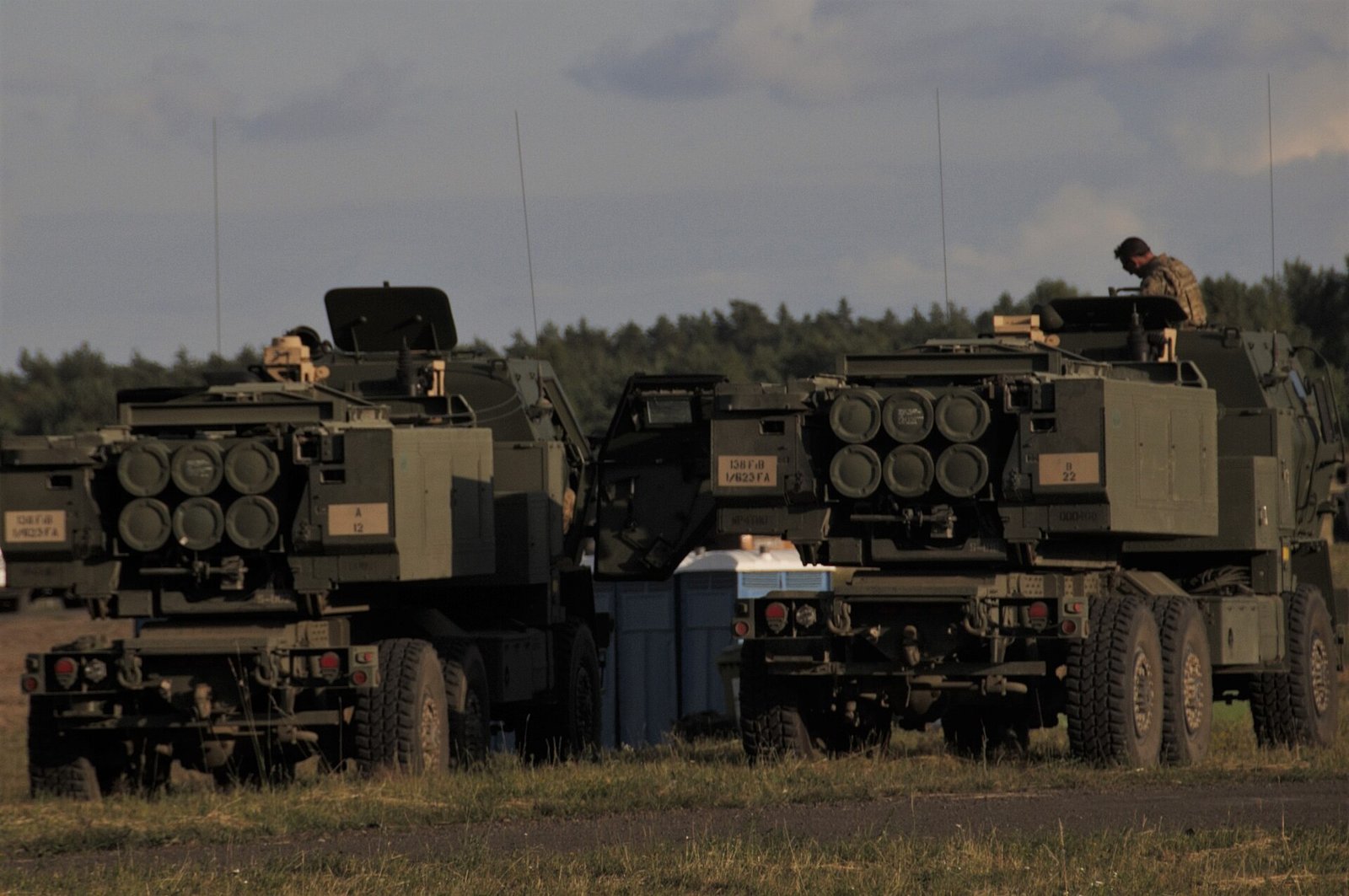
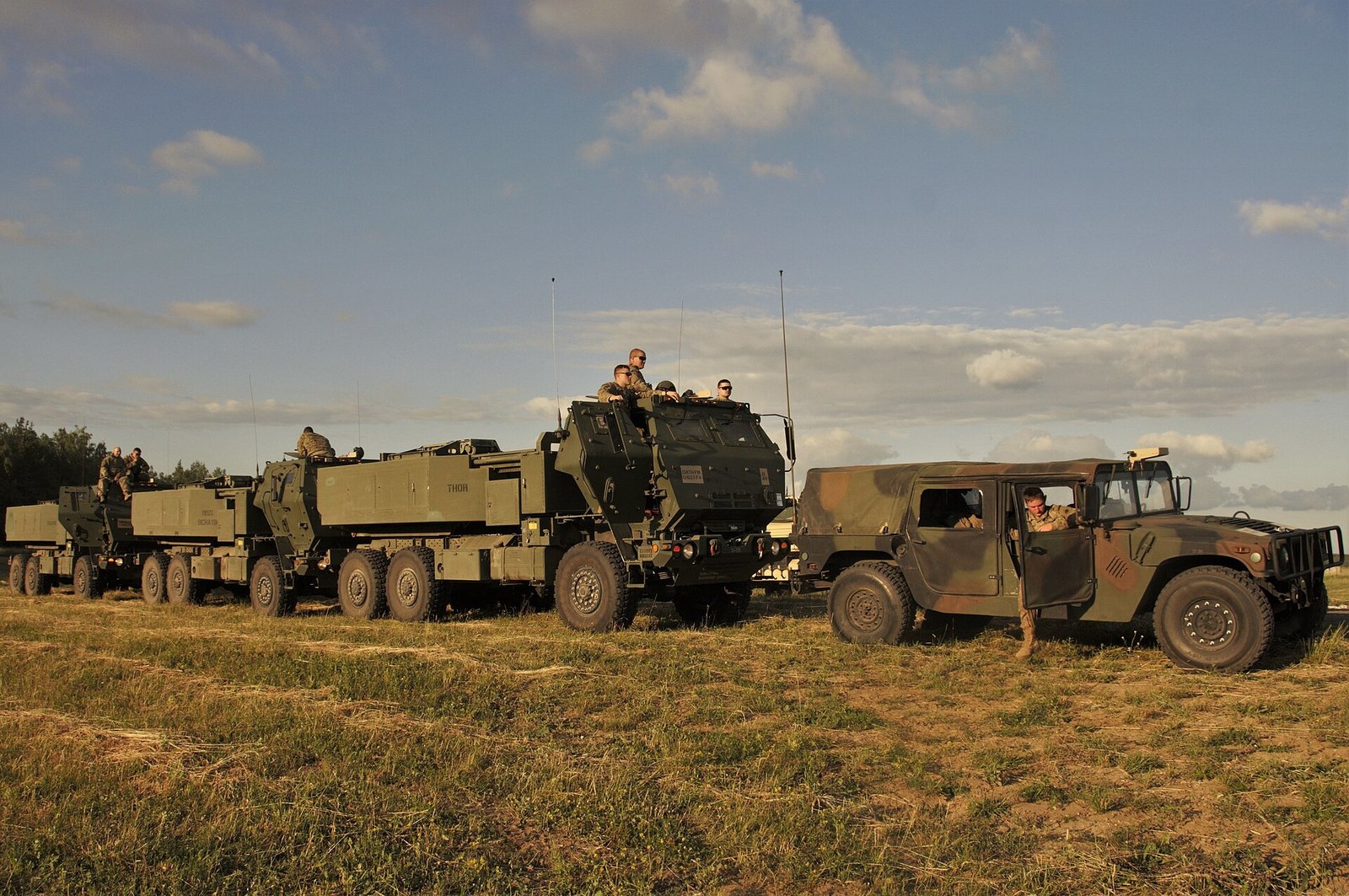
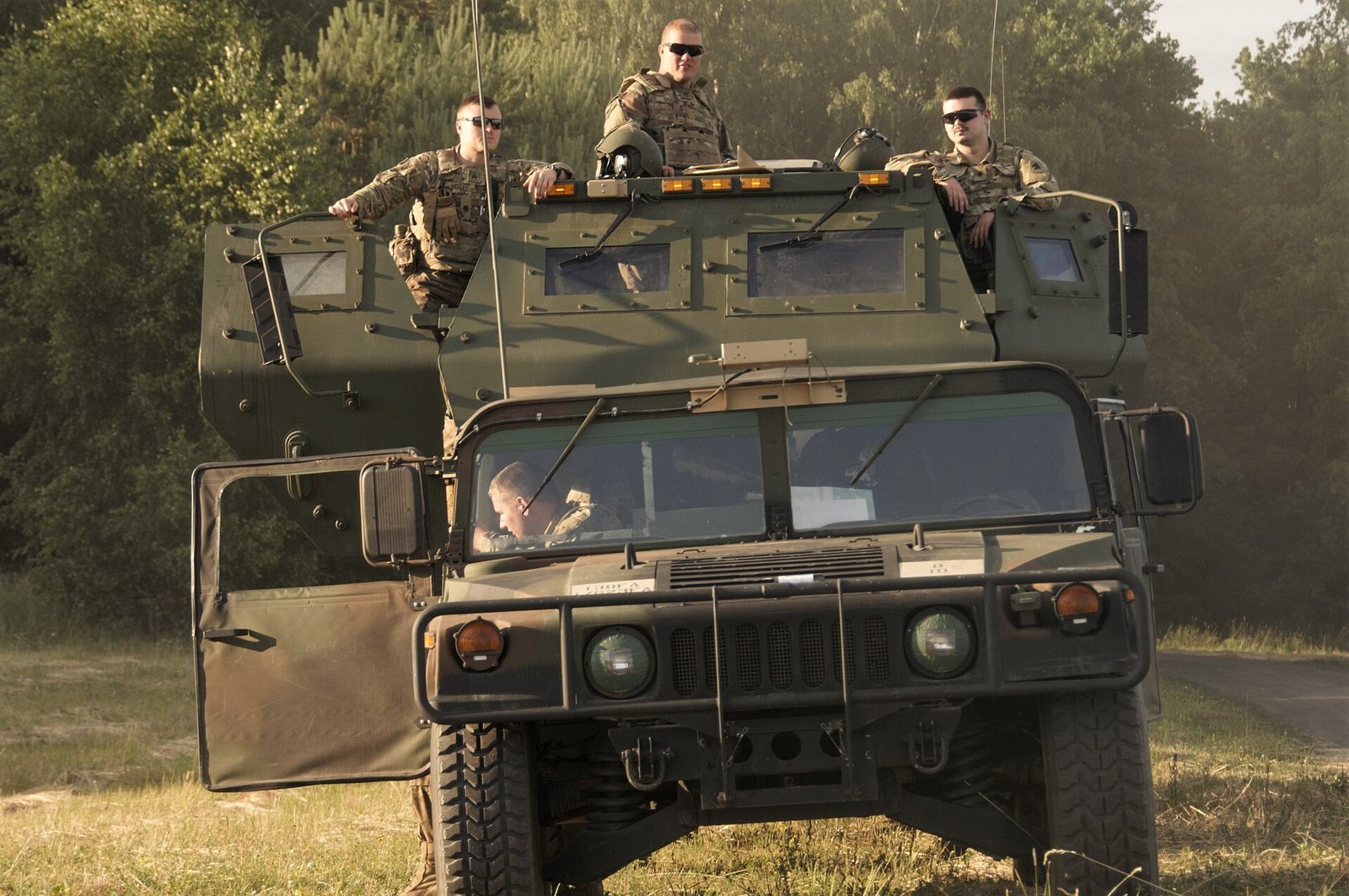
Photo: Charles Rosemond
The M142 HIMARS, built by Lockheed Martin at its Missiles and Fire Control business, is a wheeled multiple rocket launcher that entered US Army service in 2005. It mounts a single six-round pod on a Family of Medium Tactical Vehicles M1140 truck chassis — a lighter, cheaper, and more mobile sibling to the tracked M270 MLRS. The system fires the GMLRS family of guided 227 mm rockets out to roughly 70 kilometres and, with a swapped pod, the single Army Tactical Missile System round to around 300 kilometres. The design trades volume of fire for survivability: a HIMARS crew can roll into a firing position, launch, and be moving again inside the window counter-battery radar needs to pinpoint and strike back, a tactic Ukrainian crews have become known for.
The launcher itself is unarmoured and compact enough to be carried inside a C-130 Hercules, and does most of its work through an onboard fire-control computer that handles survey, trajectory solutions, and digital target handoff from higher echelons. Each GMLRS rocket is a GPS/INS-guided round with a unitary or alternative-warhead payload; the newer ER-GMLRS pushes the range envelope further, and the Precision Strike Missile (PrSM) is replacing ATACMS as the long-range option. The baseline HIMARS carries little that would normally earn it a place on this site — it is a precision rocket platform operated by a three-soldier crew — and its presence here is driven mainly by the modernisation path Lockheed Martin is now layering on top of it.
That path is HIMARS FLEX, which Lockheed Martin introduced in June 2026 as a modular evolution of the launcher. According to the manufacturer, FLEX pairs the existing chassis with what it calls the FLEXFires ecosystem and adds “new munition and autonomy options”; the autonomy content has so far been described only in Lockheed’s own release, with no independent technical readout yet.
In operational terms, HIMARS is fielded by the United States and has been exported to Poland, Romania, Latvia, Estonia, Singapore, Jordan, the United Arab Emirates and Australia among others. Ukraine has operated it in combat since 2022 and Western reporting has credited HIMARS strikes with shaping the 2022 Kharkiv and Kherson campaigns, in particular against ammunition depots, command posts and bridges deep inside Russian-held territory. Russian state outlets have in turn repeatedly announced launcher kills, claims that independent OSINT trackers have largely not corroborated. Allied purchases picked up visibly after that record: Poland signed one of the largest post-war orders, and Baltic buyers followed.