Vehicle Hostile Fire Indication System (HFIS)
Acoustic vector sensor array mounted on armoured vehicles that pinpoints the direction and range of incoming gunfire and RPGs in under a second.
Hardwareby Microflown AVISAIntroduced 2008
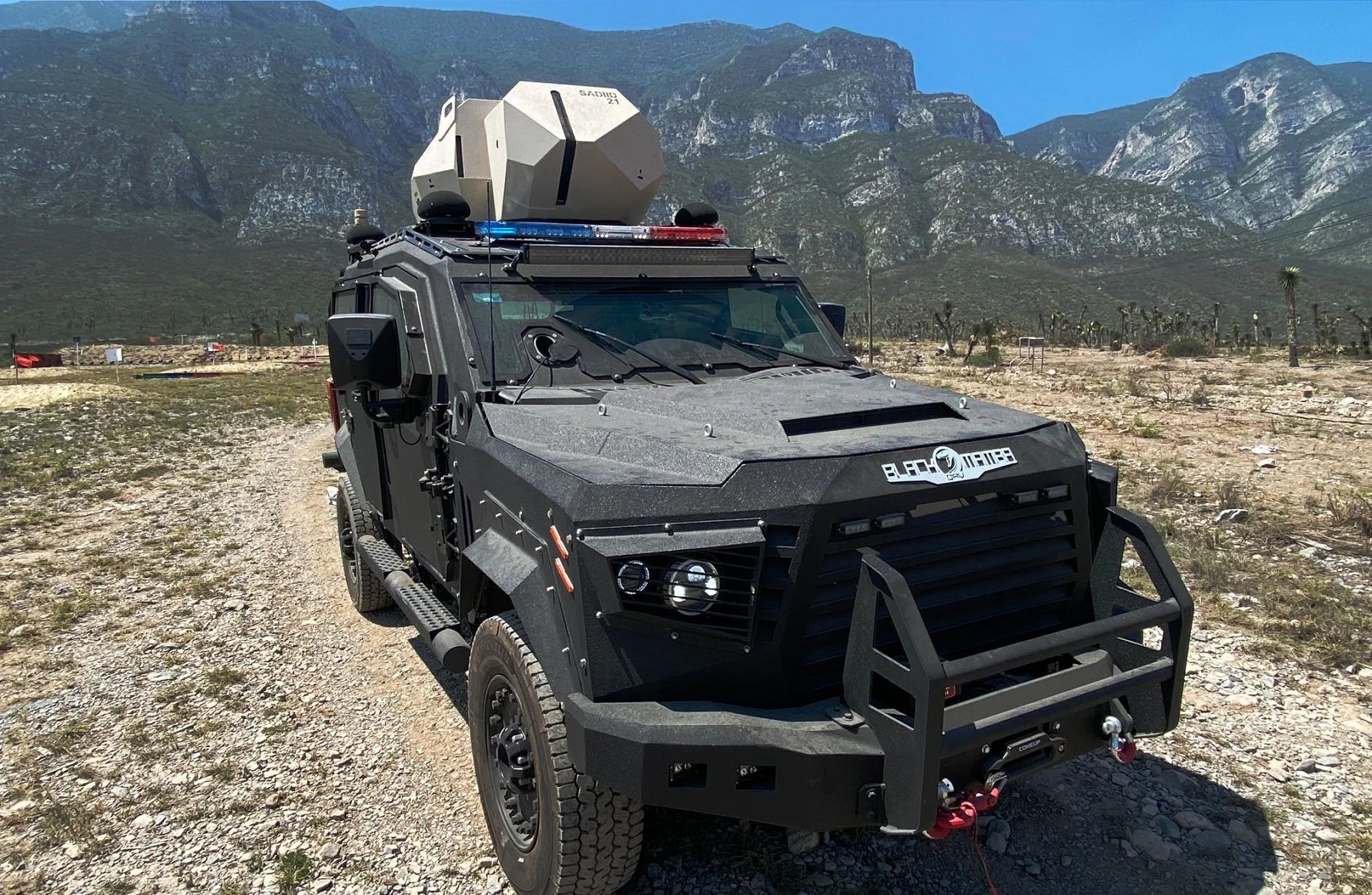
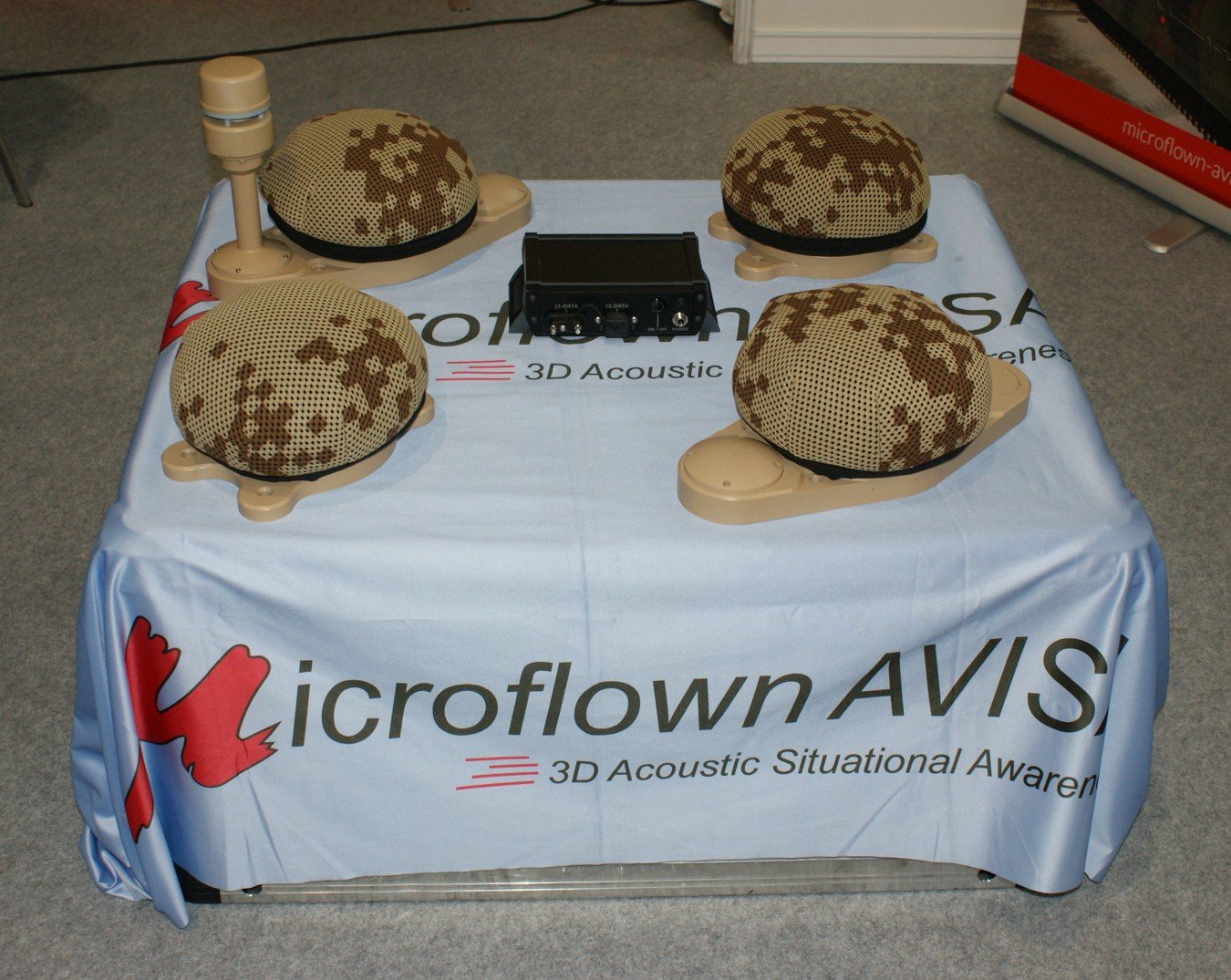

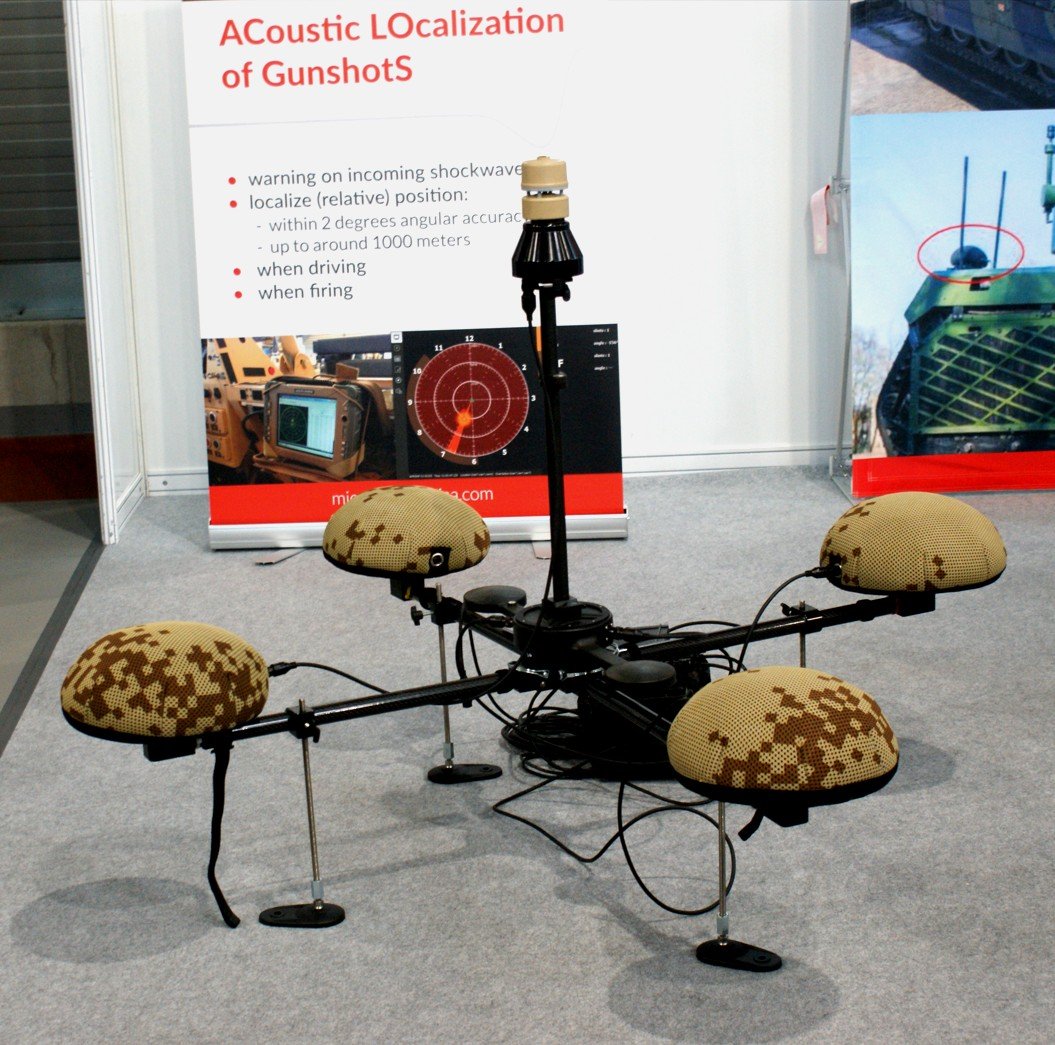
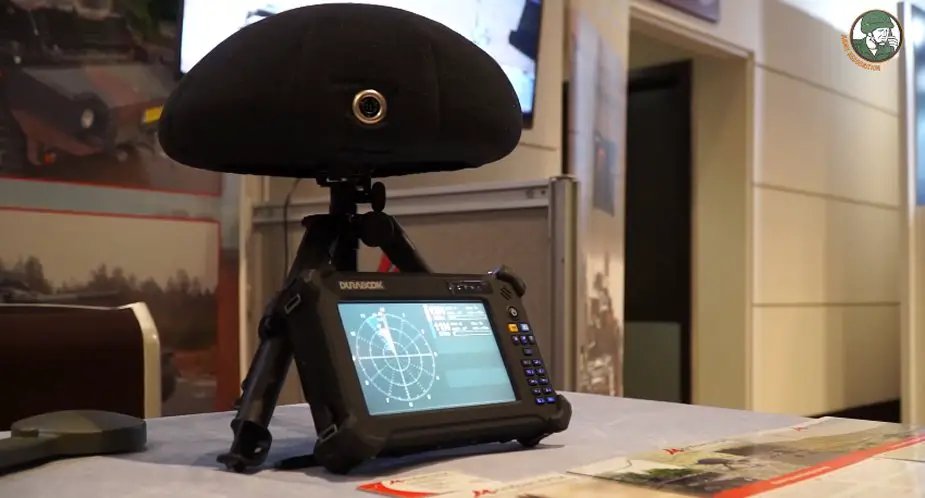
Photos: defence-blog.com · www.armedconflicts.com · Microflown AVISA · www.armyrecognition.com
The Vehicle Hostile Fire Indication System is a soldier-protection sensor built by Microflown AVISA, the Arnhem-based company that commercialised the acoustic vector sensor originally developed at the University of Twente. Fielded from around 2008, HFIS sits on the outside of armoured vehicles and reports the direction, and where possible the range, of small-arms and RPG fire aimed at the crew. It is not a countermeasure — it does not point a weapon or launch a decoy — but a situational-awareness aid that turns a gunshot heard through steel and rumble into a bearing displayed to the commander in under a second.
The heart of the system is the acoustic vector sensor rather than a traditional microphone array. A pressure microphone measures a scalar; Microflown’s sensor measures particle velocity along an axis, and stacking three orthogonal elements yields a full 3D acoustic vector from a single compact node. Because direction is measured, not inferred from arrival-time differences across a wide baseline, the sensor package can be small enough to mount discreetly on a hull without the metre-scale spacing that microphone-array shooter detectors typically require. The onboard processing separates the sharp muzzle blast and supersonic bullet crack from ambient noise and — importantly for a vehicle mount — from the operator’s own weapons and engine, giving 360° azimuth coverage and, according to Microflown, better than one-second reaction time with discrimination between incoming shots and friendly backblast. The company positions HFIS as complementary to its follow-on acoustic products for counter-UAS detection, which share the same sensor family.
Operators disclosed by the manufacturer include the Netherlands, the United States and Germany. The Royal Netherlands Army is the reference customer: HFIS was integrated on Dutch vehicles operating in Uruzgan during the ISAF mission in Afghanistan, where the crews reported the direction of incoming fire back to the commander’s display. US and German procurements are described by Microflown as trials and fieldings rather than fleet-wide programmes, and neither government publishes numbers. The system has been marketed for lighter platforms such as MRAPs and reconnaissance vehicles rather than main battle tanks, where the crew’s own view of the battlefield is already limited and an acoustic bearing has the most operational value.
Development has continued on the sensor rather than the vehicle box: the same acoustic vector sensors underpin Microflown’s more recent Sky Sentry and Aircure product lines aimed at detecting small drones by their motor and rotor signatures — a shift in emphasis that mirrors the broader move of ground threats from single riflemen to hovering ISR quadcopters over the last decade.