Gunshot Detector
Acoustic vector sensor array that localises the source of small-arms fire in three dimensions within seconds.
Hardwareby Microflown AVISAIntroduced 2008

Photos: defence-blog.com · www.armedconflicts.com · Microflown AVISA · www.armyrecognition.com
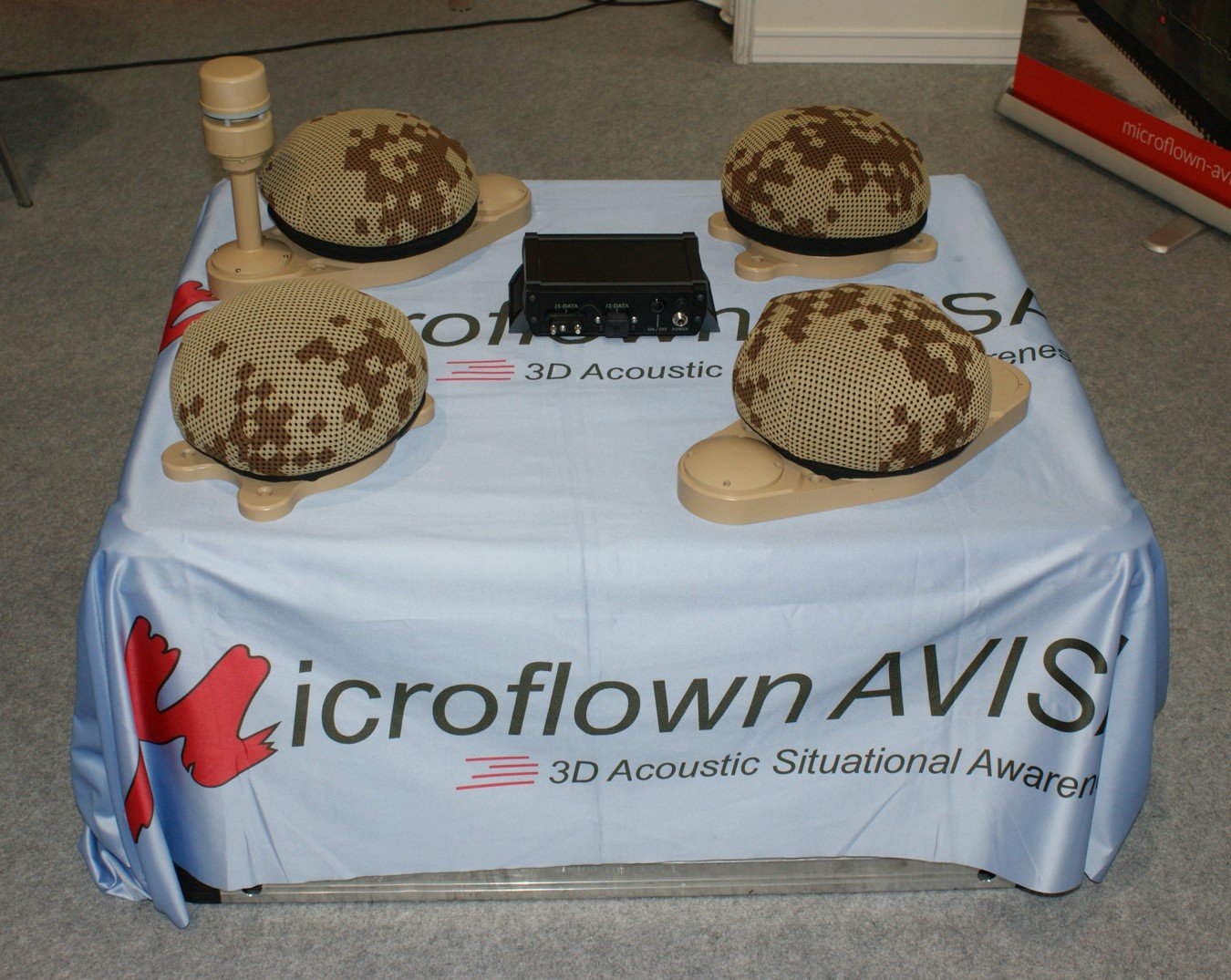
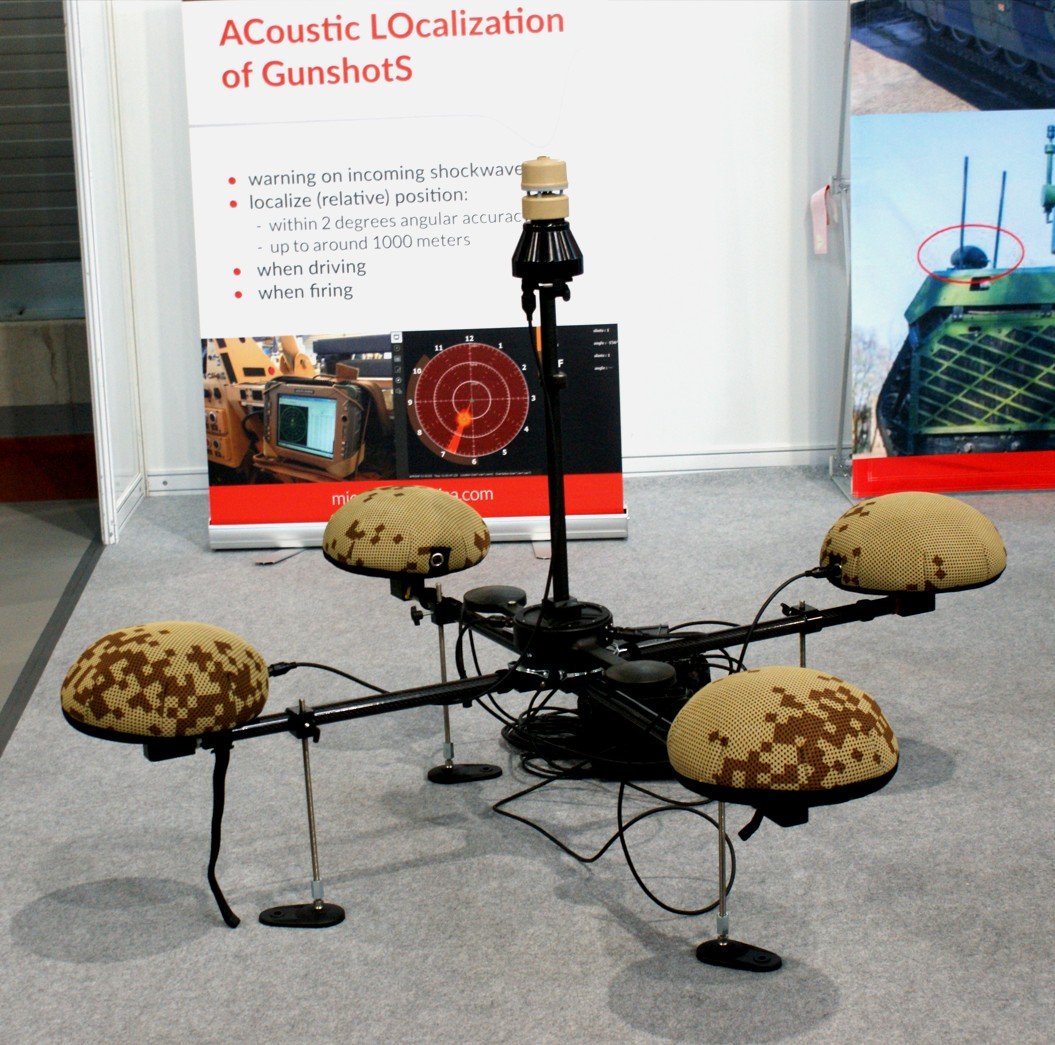
The Gunshot Detector is a hardware-based acoustic vector sensor array designed to localise the source of small-arms fire in three dimensions. Manufactured by the Dutch firm Microflown AVISA, the system was introduced in 2008 to address force-protection requirements for ground forces. The technology enables rapid identification of incoming fire, providing a response time of under two seconds. This capability allows military units to locate snipers or ambush positions with precision, significantly enhancing situational awareness in urban or complex terrain environments.
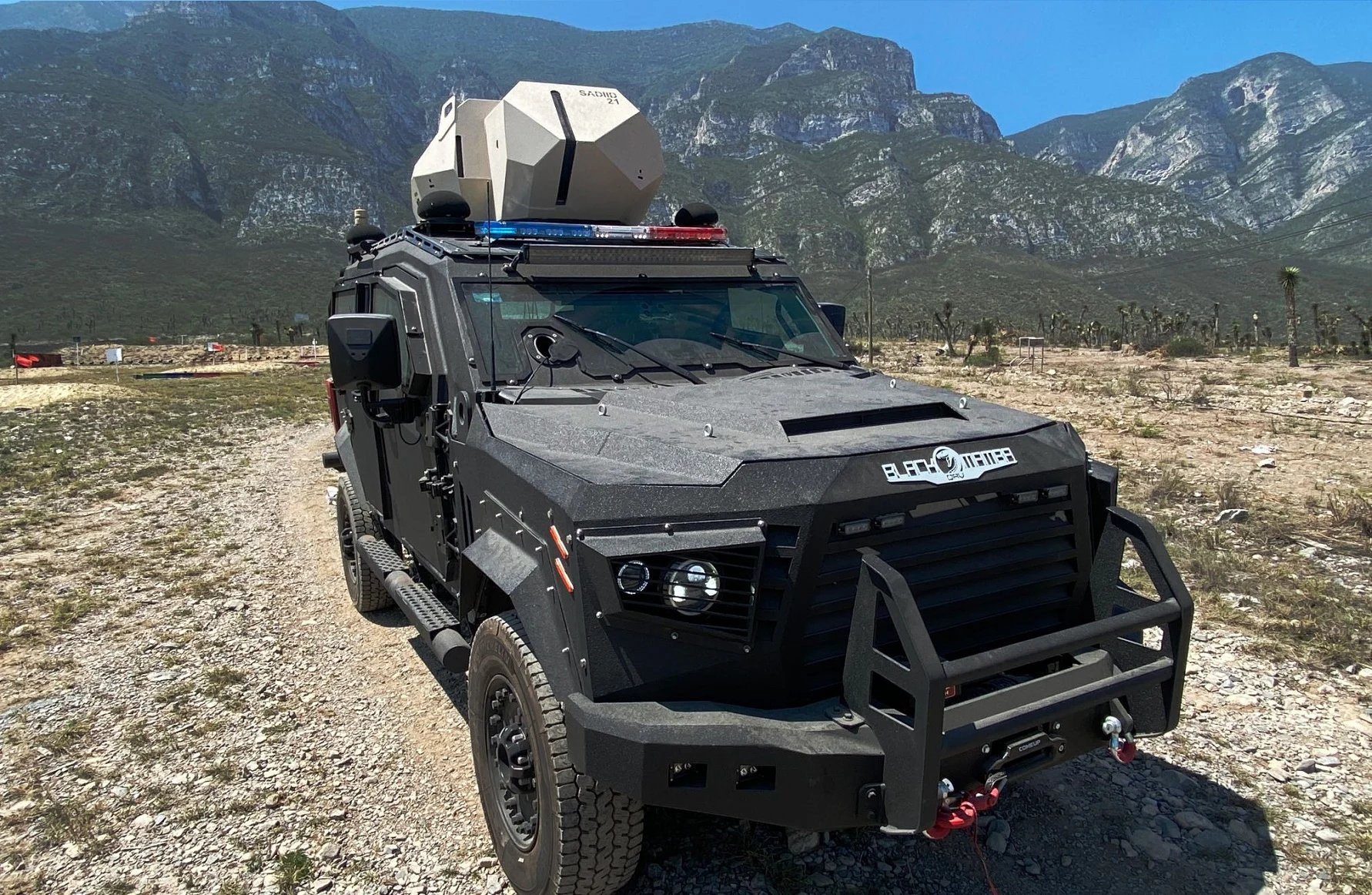
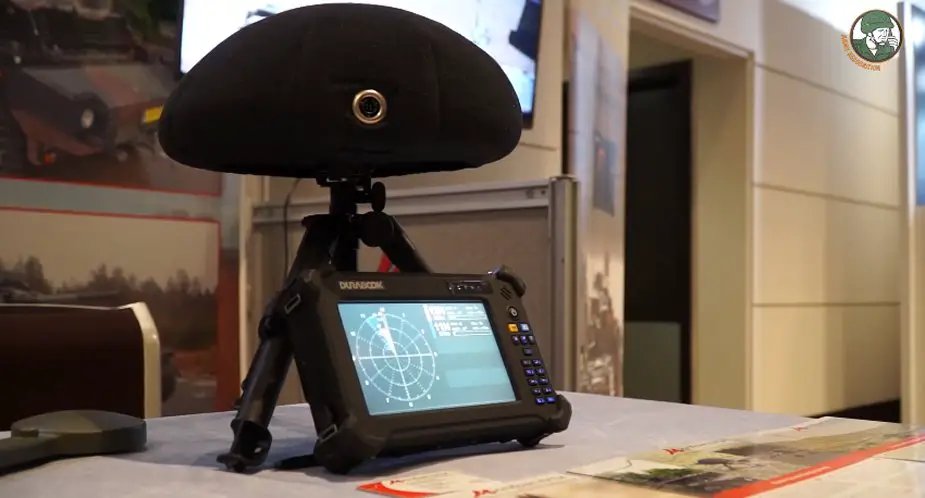
The core of the system relies on Microflown’s proprietary acoustic vector sensor technology, which measures both sound pressure and particle velocity. Unlike traditional microphone arrays that only measure pressure, the vector sensor can determine the direction of the sound source directly, even in noisy environments or when the source is close to the sensor. This allows the system to pinpoint the origin of a gunshot in three-dimensional space—providing azimuth, elevation, and distance—within seconds of the shot being fired. The hardware is available in both vehicle-mounted and man-portable configurations, allowing for flexible deployment across different tactical scenarios. By integrating this data into a command and control system, commanders can receive real-time alerts about the location and direction of enemy fire, enabling faster and more accurate counter-fire or evacuation responses.
The system has been fielded by several NATO allies, including the Netherlands, the United States, and the United Kingdom. Its deployment is primarily focused on force protection for troops in high-threat environments. The technology has seen combat use, providing critical intelligence to soldiers facing asymmetric threats where traditional radar or acoustic detection methods may be less effective due to the short range and sudden nature of small-arms fire. The ability to quickly identify the source of gunfire helps reduce the “fog of war” and improves the survivability of units operating in contested areas.
While the specific technical specifications of the sensor array’s internal components are not publicly detailed in open sources, the system’s effectiveness is attributed to its unique vector sensing capability. This distinguishes it from conventional acoustic detection systems that rely on time-difference-of-arrival calculations between multiple microphones. The Gunshot Detector’s design allows for more robust performance in challenging acoustic environments, such as those with background noise or reverberation, which are common in urban combat zones.
The continued use of the system by major Western militaries underscores its value in modern force protection strategies. As asymmetric warfare and urban combat remain prevalent, the ability to rapidly locate small-arms fire sources remains a critical capability. Microflown AVISA’s focus on acoustic vector sensing has positioned the Gunshot Detector as a specialized tool for detecting and localising threats that are difficult to track with traditional surveillance methods. The system’s integration into broader sensor networks allows for a more comprehensive picture of the battlefield, enhancing the decision-making process for military commanders.