Goalkeeper
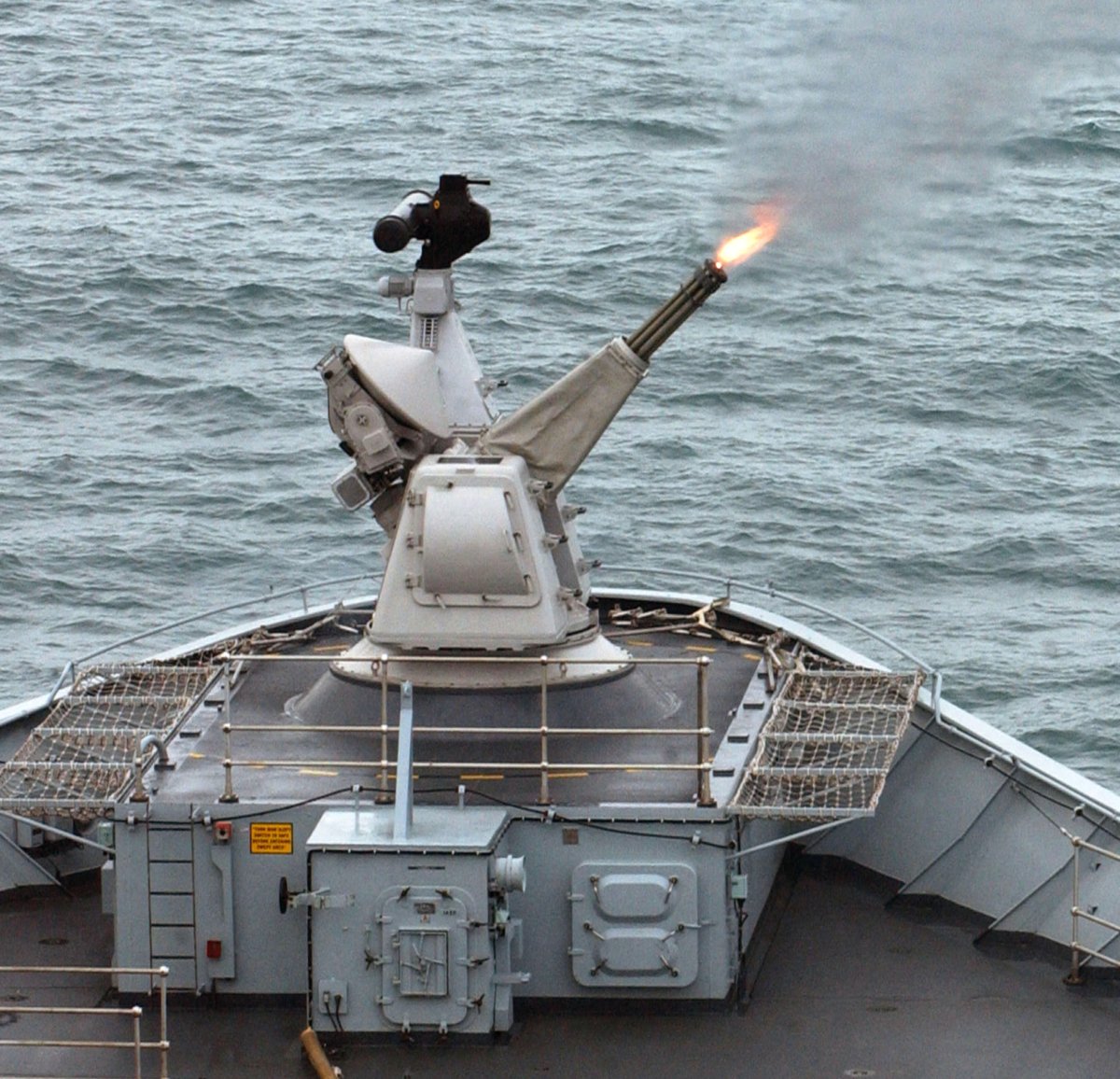
Fully autonomous 30 mm close-in weapon system for last-ditch defence against incoming missiles, aircraft, and projectiles.
weaponby Thales NederlandIntroduced 1980
Photos: www.seaforces.org · Thales Nederland · www.hlj.com · hobbybokhandeln.biz · gladiusds.com
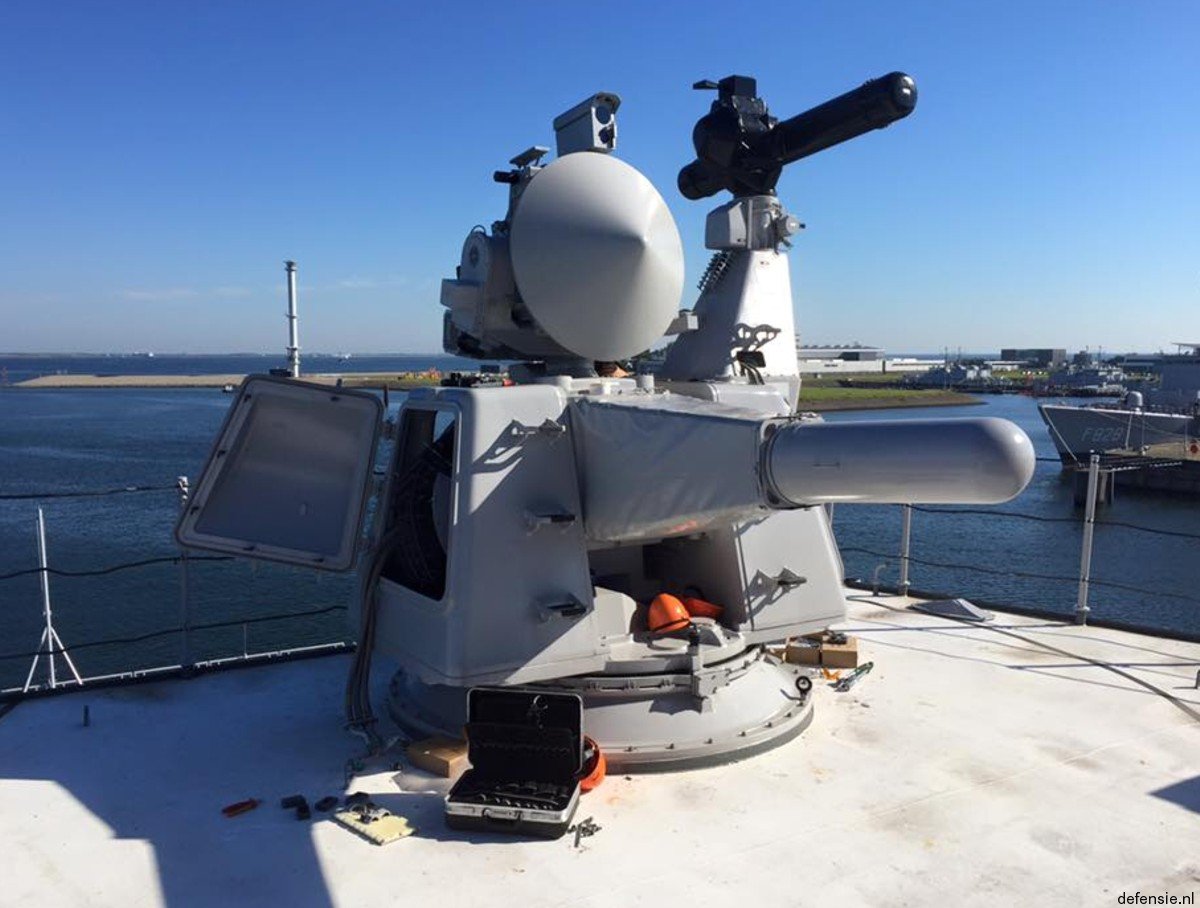
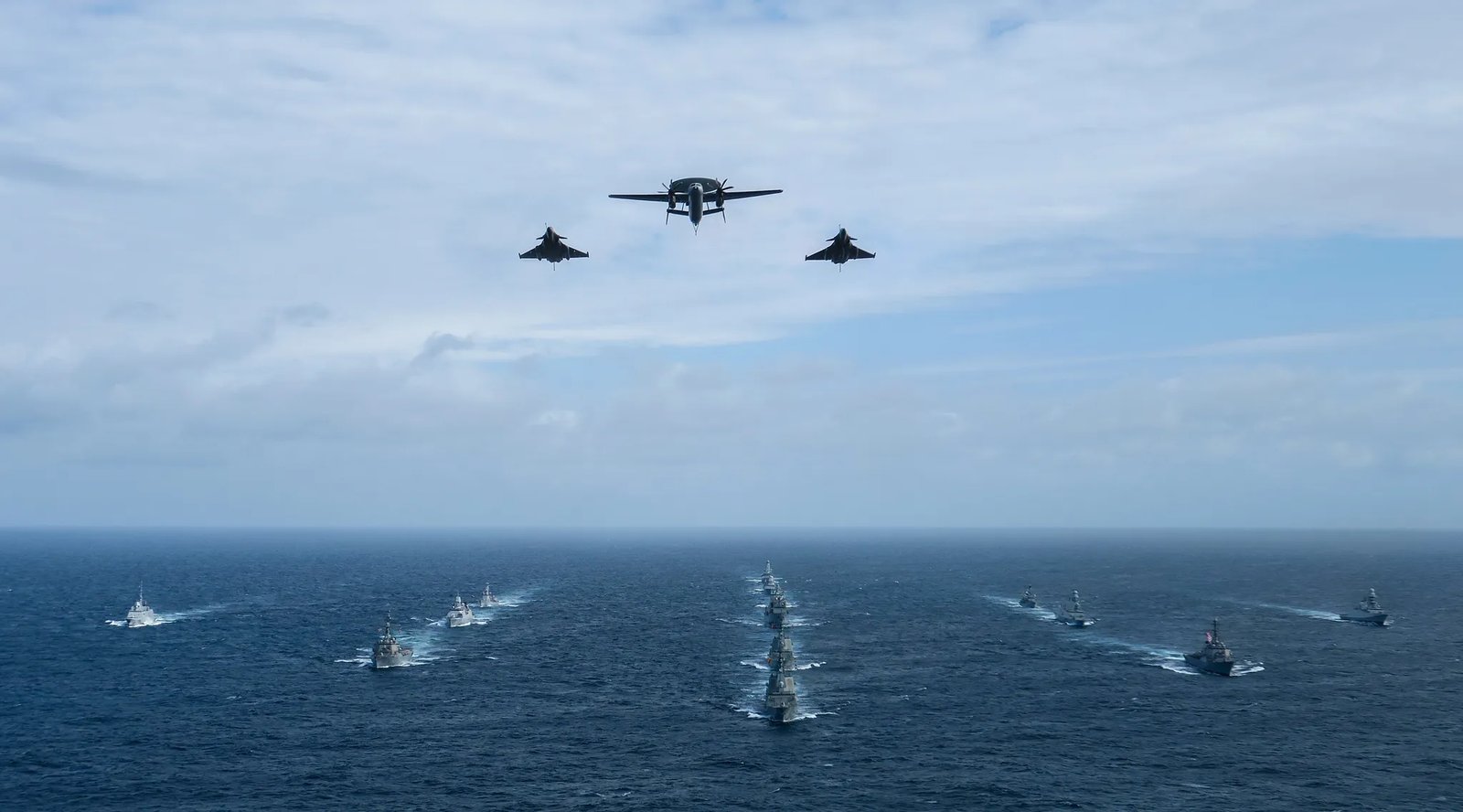
The Goalkeeper is a fully autonomous close-in weapon system (CIWS) designed for the last-ditch defence of naval vessels against incoming anti-ship missiles, aircraft, and projectiles. Developed by Hollandse Signaalapparaten, which later became Thales Nederland, the system entered service in 1980. It serves as a critical component of modern naval air defence, engaging threats that have penetrated outer defensive layers. The system is currently operated by the navies of the Netherlands, the United Kingdom, Belgium, Portugal, South Korea, and Chile.
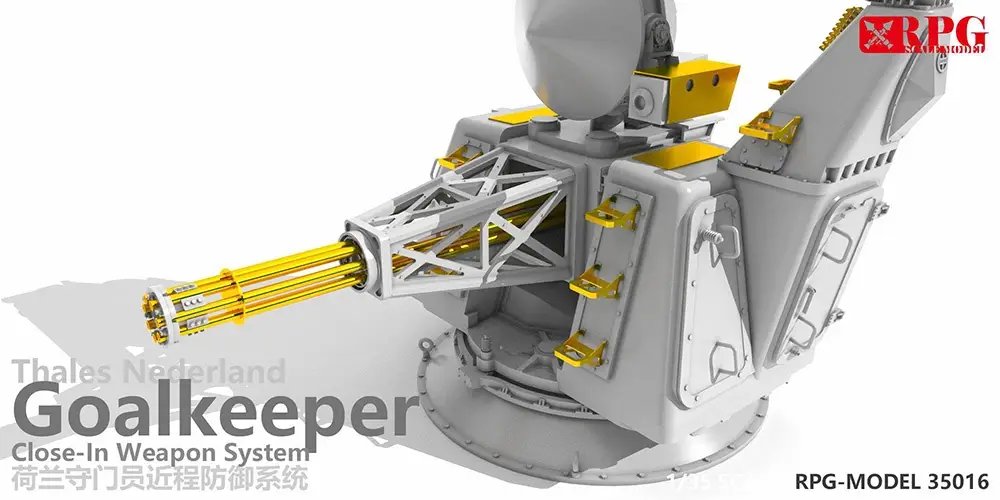
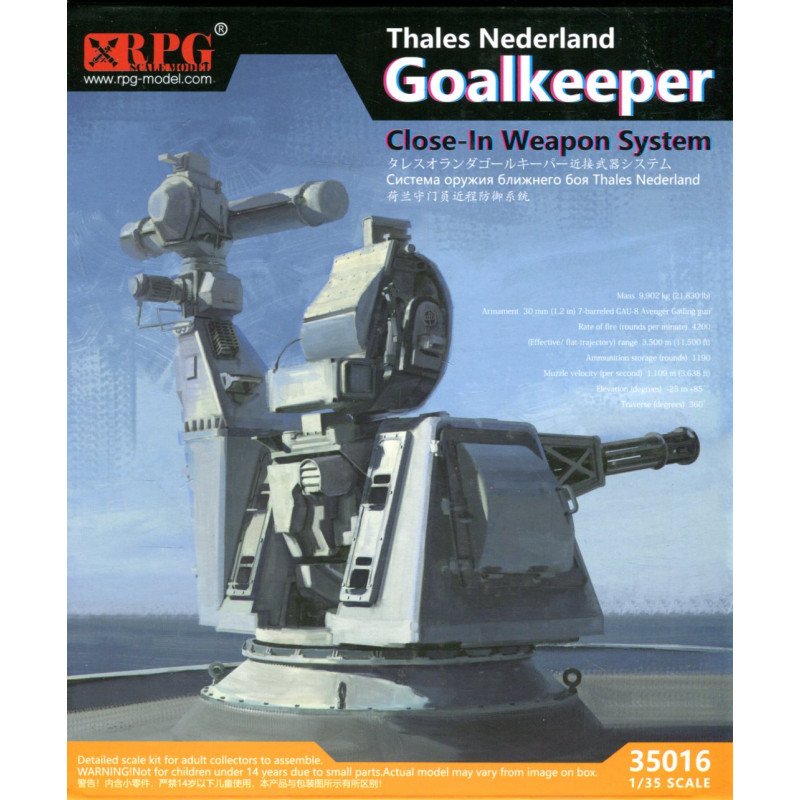
Technically, the Goalkeeper integrates a seven-barrel Gatling gun with advanced radar tracking and fire control. The weapon system utilizes a 30 mm GAU-8 cannon, capable of firing 4,200 rounds per minute to create a dense “wall of steel” against incoming targets. The effective range is approximately 1.5 to 2 kilometers. The system’s autonomy is driven by a search radar and a illumination radar, which were originally developed by Holland Signaal. These radars were based on earlier experiments with X-band monopulse technology that resolved issues with low-flying target detection, such as the “mirror effect” that plagued earlier prototypes. The system can track and engage up to eight subsonic missiles simultaneously. The ammunition used is Missile Piercing Discarding Sabot (MPDS), originally developed by NWM De Kruithoorn and now produced by Rheinmetall. These 30×173 mm rounds contain a tungsten core, chosen for its high hardness and melting point, allowing them to penetrate the warheads of incoming missiles.
The development of the Goalkeeper was a direct response to the emergence of anti-ship missiles in the 1960s. The sinking of the Israeli destroyer Eilat by an Egyptian SS-N-2 Styx missile in 1967 highlighted the vulnerability of surface ships to guided weapons. While the United States Navy adopted the Phalanx system, which used a 20 mm Vulcan cannon, the Dutch Navy sought a system with superior radar capabilities and a heavier caliber. The Goalkeeper’s design prioritized the accuracy of its tracking radar over the sheer volume of fire, aiming to neutralize low-flying threats like the Exocet missile more effectively than existing alternatives.
The system has been deployed on various naval vessels across multiple allied navies. Its combat experience is documented, though specific engagement statistics are often classified or sparse in public records. The Goalkeeper remains a standard feature on many modern warships, particularly those in the Royal Netherlands Navy and the Royal Navy. The unit cost of the system is reported to be approximately €16 million. Despite the passage of time, the Goalkeeper’s design principles—integrating high-speed fire with precise, autonomous radar tracking—continue to influence the development of modern naval defence systems.