Geran-4
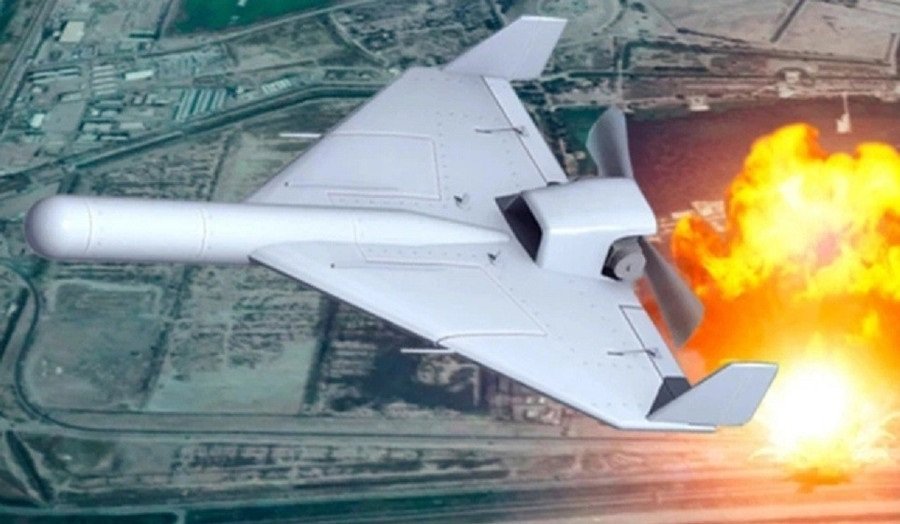
Alabuga's jet-powered delta-wing strike drone, in combat since May 2026; up to 500 km/h, camera, mesh datalink and 50-90 kg warheads.
DroneAdversary capabilityby AlabugaIntroduced 2026 · Updated 2026
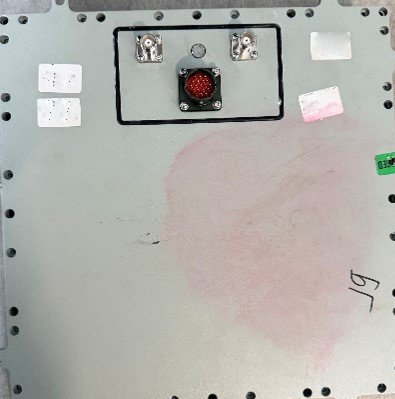 NASIR anti-jam unit with 16-element Harxon CRP antenna (C4B)
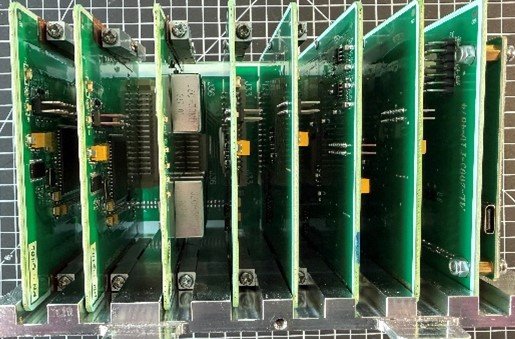 Flight controller unit (FCU)
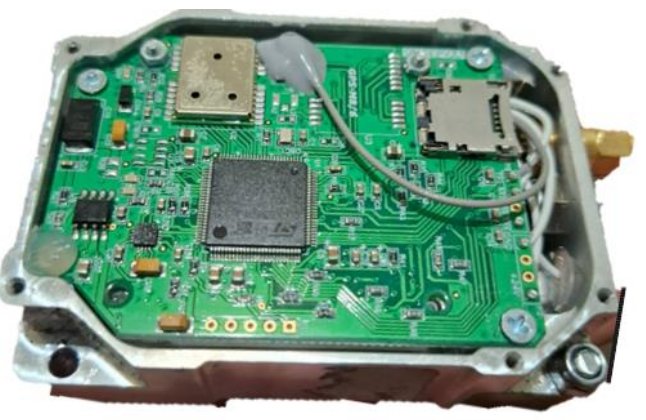 SADRA strapdown inertial navigation unit
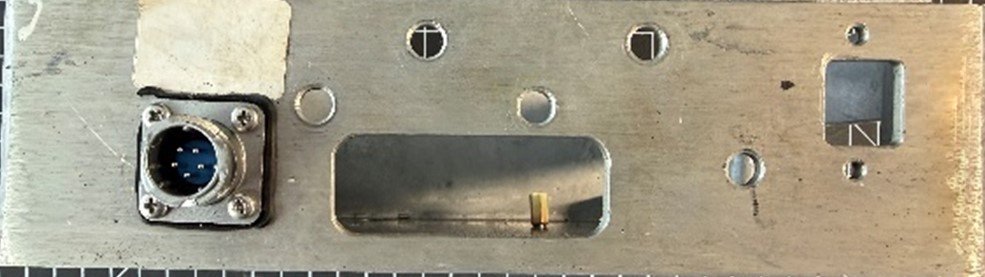 Borscht Tracker V3 (Raspberry Pi 4 + modems)
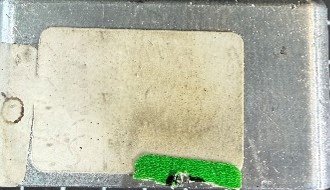 Svekla emergency flight data recorder
Photos: www.hisutton.com · milmag.pl · www.twz.com · defencesecurityasia.com · www.nguoiduatin.vn · HUR
Videos




Overview
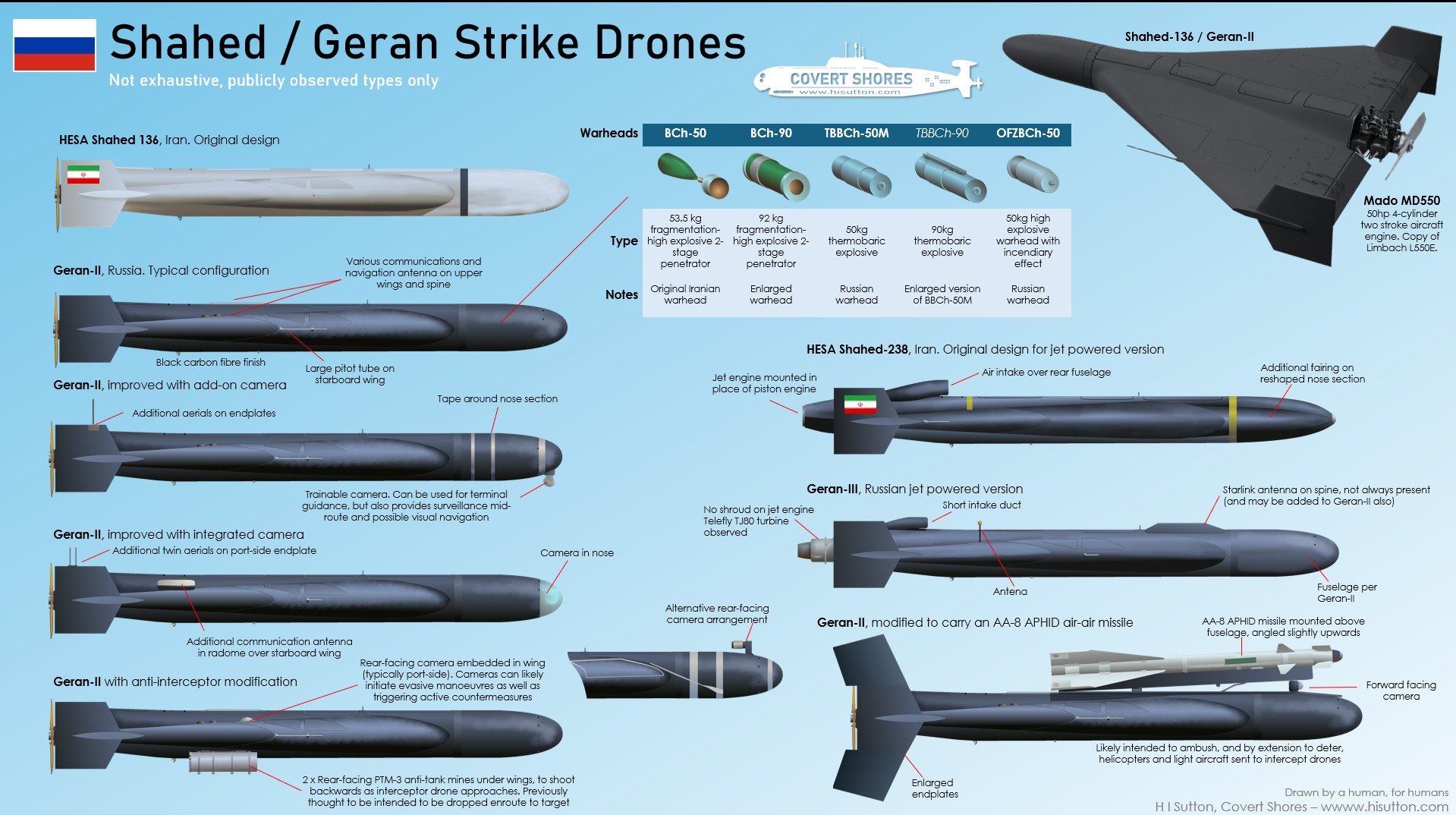
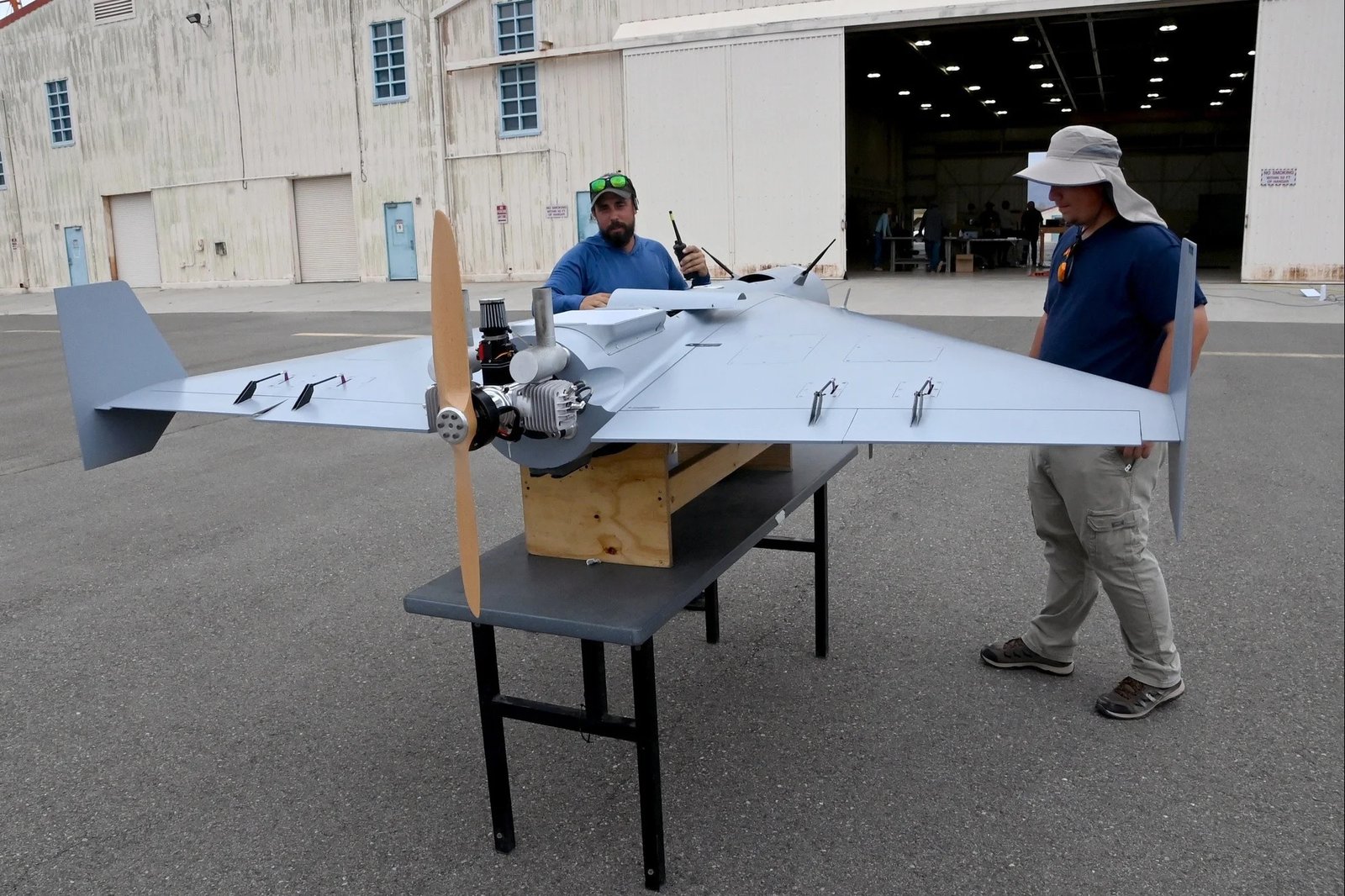
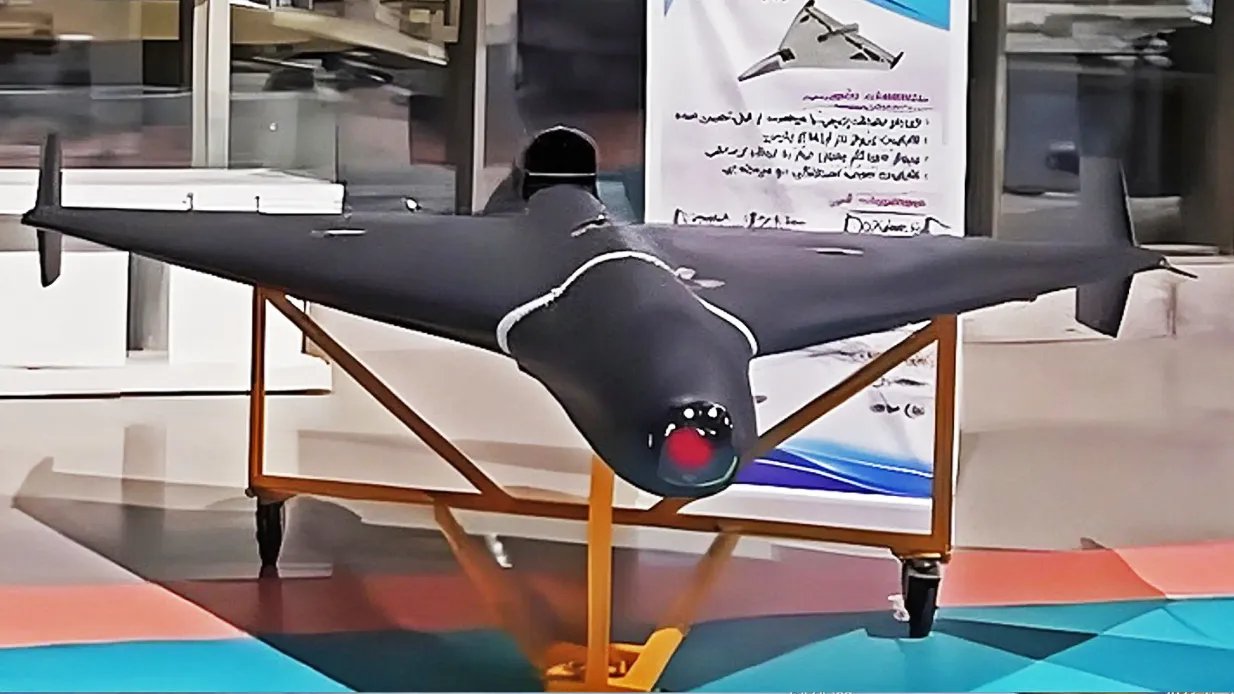
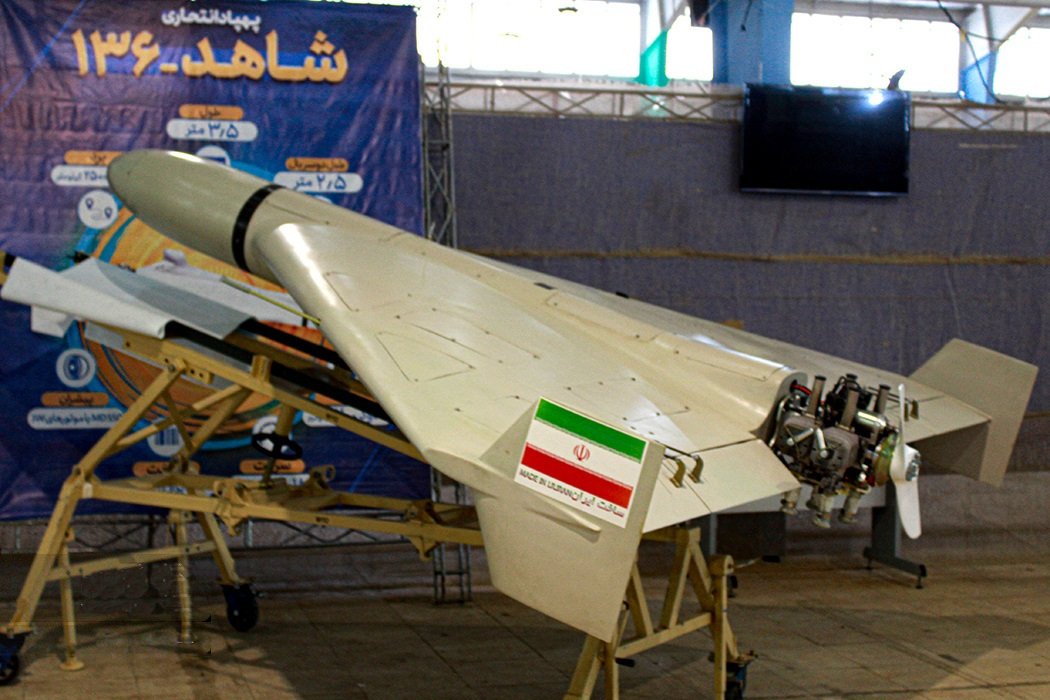
The Geran-4 is the jet-powered delta-wing strike drone that Alabuga builds in Tatarstan. It keeps the general layout of the Geran-2, Russia’s licensed copy of the Shahed-136, but replaces the piston engine and propeller with a turbojet. Ukraine’s military intelligence agency, HUR, says Russia introduced it to beat Ukrainian interceptor drones. The earlier jet Geran-3 reused the Geran-2 airframe, and its “structural strength […] was insufficient for high-speed flights” (The War Zone). According to HUR, combat use began in May 2026 (Babel), and a Wild Hornets interceptor filmed one on 3 May (Militarnyi). By August HUR said Russia had stopped building the Geran-3 and was producing about 3,000 Geran-4 and Geran-5 drones a month (Militarnyi).
Design and propulsion
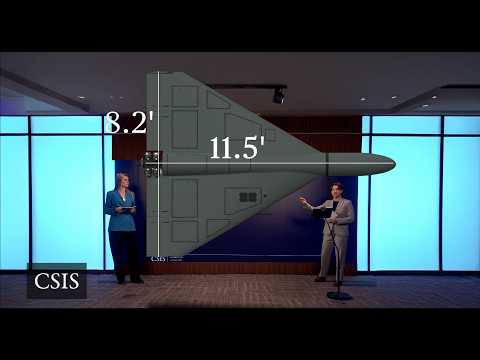
The airframe is new and reinforced. The wings are fixed to the centre section rather than detachable, and there are fewer access hatches, which reduces drag (Euromaidan Press). HUR’s War & Sanctions portal gives a length of 3.6 m, a wingspan of 3.05 m and a take-off weight of up to 450 kg. Its performance figures are a cruise speed of 320 km/h, a maximum of 450 km/h, a range of 770 km and a ceiling of up to 4 km. HUR’s May release gave different numbers: manoeuvring at 300–400 km/h, a top speed of 500 km/h, a range of up to 450 km and a ceiling of 5,000 m. In September the specialists who examined a recovered airframe for RFE/RL’s investigative unit Schemes put it at 450–500 km/h and up to 8 km (Radio Svoboda).
Two Chinese Telefly turbojets have been found in it: the discontinued LX-WP-160, rated at 160 kgf, and the TF-TJ2000A, rated at 200 kgf, which the Geran-5 also uses. RFE/RL’s specialists describe a TJ-2000-class engine sold for model aircraft, rated for 30 hours of running, at $20,000–25,000 in China. A slip of paper left inside recorded that the engine had been test-run at Alabuga and signed off by a local technician. As the report put it, “What is Russian in this drone is the assembly.” In October HUR said the autumn 2026 version uses a localised Russian-built equivalent made at Alabuga in place of the Telefly engine (Interfax-Ukraine).
Electronics, navigation and datalink
HUR lists 55 foreign components in the version it documented from May to August, and 74 in the version it published on 5 October 2026. They come from the US, China, Switzerland, Germany, the UK, Japan and Taiwan. The main modules are:
- Navigation. The NASIR anti-jam system with a 16-element Harxon CRP antenna, Unicore UC9810 GNSS receivers with late-2025 date codes, and a SADRA strapdown inertial unit.
- Flight control and telemetry. A flight controller built around a Texas Instruments TMS320F28335 DSP and STMicroelectronics STM32F103 microcontrollers. Next to it sit the “Borscht” Tracker V3, built on a Raspberry Pi 4 Model B, and an emergency flight data recorder named “Svekla” (Beetroot).
- Datalink. A Chinese Xingkay Tech mesh modem and a SCYTON network switch.
- Camera. A Honpho TS130C-01 camera.
The September RFE/RL teardown of a Geran-4 Seeker filled in how these are used. The mesh modem has a claimed range of 300 km and relays for other drones in the same wave. Two GSM modems with different SIM cards report the drone’s position; a year earlier there was one. SIM cards recovered in recent months came from Ukrainian, Russian, Kazakh and EU operators. The camera now sits in a moulded bay, with day, night and infrared channels, 10x optical zoom and a factory cover stamped “Mini-buterbrod” (“mini sandwich”). With a relay in the chain, the specialists said, an operator at a workstation can guide the drone all the way to impact.
The October version adds two navigation aids. The first is a DISMAG/“MOK” magnetometer unit built on a US-made PNI Sensor PNI5GA, which reduces gyro drift in the inertial unit. The second is “Susannin”, an optical-electronic correlation system that compares camera images with stored reference images to follow a route. HUR says a similar system is used on the Geran-5 K5 (Interfax-Ukraine).
The Seeker variant and onboard autonomy
“Seeker” (Russian Siker) is the Russian name for camera-guided Gerans. Serhii “Flash” Beskrestnov, adviser to Ukraine’s defence ministry, wrote on 30 June 2026 that the jet Geran-4 Seeker had become common (Telegram). He described several cameras, control through a mesh modem, and automatic target recognition, lock-on and homing running on a Raspberry Pi. Once a pilot locks on, for example to a locomotive a kilometre away, machine-vision algorithms carry the drone to the target, and a low-power jammer on the target will not stop it. In August Militarnyi reported a redesigned nose housing a compact electro-optical sensor that can finish the dive if the link is lost. OSINT researchers identified a Chinese Dahua TiOC dual-lens panoramic camera on the same drone. HUR does not use the Seeker name, and Ukrainian sources have not independently confirmed the autonomy claims.
Warheads
HUR lists a family of warheads (HUR):
- the 50 kg OFBCh-50 high-explosive fragmentation warhead;
- the 50 kg TBBCh-50M thermobaric warhead, made by the Scientific Research Institute of Applied Chemistry (FNPC NII Prikladnoi Khimii);
- a ZBBCh-50 incendiary warhead combined with an OFBCh-2 fragmentation element;
- the enlarged 90 kg TBBCh-90 thermobaric warhead.
In October HUR added the KRSN, a cumulative-cutting special load intended to sever power-line supports and bridge structures (HUR). On 9 October the Russian channel Military Informant published the first wreckage photo. Citing Ukrainian sources, it described a main charge of about 40 kg with four additional cutting charges. It also reported a strike on power lines in Dnipropetrovsk Oblast.
Combat use
The Geran-4 has been used against fuel stations, rail traffic, radars, logistics hubs, and ships in the ports of Mykolaiv and Chornomorsk. Most claims about individual strikes come from Russian channels. The jet Gerans are also at the centre of Russia’s autumn 2026 campaign against Kyiv. On the night of 18 September, 46 of the 93 attack drones Russia launched were jets (DroneXL).
Countering it
President Zelensky said Ukraine shot down or suppressed about 55% of the 2,730 jet drones launched in September 2026, against more than 90% of piston Shaheds (UNITED24 Media). In August, a Russian channel relayed a HUR statement that P1-Sun-type interceptors could not catch the Geran-4 (barantchik). By late September the Wild Hornets group said its STING S had downed about a dozen Geran-4s in early testing, and Ukrainian F-16s have killed jet drones with their cannon (The War Zone). On 5 October a Russian channel reported the first recorded shootdown of a Geran-4 by an APKWS laser-guided rocket fired from a Vampire launcher, a pairing Ukraine had used against piston Gerans (Military Informant). Several factors work against electronic warfare: the 16-channel CRPA, the magnetometer and optical aids of the autumn version, and Seeker terminal homing.
What remains unknown
The real performance envelope is unclear, because HUR’s own figures moved between May and October. It is also unknown how far the “localised” engine is truly Russian rather than assembled from Chinese parts, and whether the Seeker’s autonomous homing works as Russian sources claim.
Combat experience
Effectiveness
Warhead upgrades
| Warhead | Type | Mass | Since | Notes |
|---|---|---|---|---|
| OFBCh-50 (OFZBCh-50) | High-explosive fragmentation | 50 kg | 2026-05 | Standard warhead of the baseline Geran-4 source |
| TBBCh-50M | Thermobaric | 50 kg | 2026-05 | Made by FNPC NII Prikladnoi Khimii JSC; HUR module page added 12 Aug 2026 source |
| ZBBCh-50 + OFBCh-2 | Incendiary with high-explosive fragmentation element | ~50 kg | 2026-08 | Combined incendiary/HE-frag load; HUR module page added 12 Aug 2026 source |
| TBBCh-90 | Thermobaric (enlarged) | 90 kg | 2026-05 | Enlarged version listed with the May 2026 HUR release; HUR gives 90 kg as warhead mass in specs source |
| KRSN (cumulative cutting special load) | Shaped-charge cutting load for power-line supports and bridge structures | ~40 kg main charge plus four cutting elements (Russian claim) | 2026-10 | Listed by HUR on 5 Oct 2026; first wreckage photo and a strike on Dnipropetrovsk power lines reported by a Russian channel on 9 Oct 2026 source |
Variants
- Geran-4 (baseline)2026-05
New reinforced airframe replacing the Geran-2-derived Geran-3 airframe; wings fixed to centre section; fewer hatches; Telefly turbojet source
- Geran-4 Seeker (Siker)2026-06
Several cameras, mesh-modem control, automatic target recognition/lock-on/homing on a Raspberry Pi; Russian name, not used by HUR source
- Geran-4 Seeker, redesigned nose2026-08
Nose rebuilt for a compact EO sensor with terminal homing if the link is lost; Dahua panoramic camera; ~550 km range, ~300 km/h cruise, 50 kg warhead claimed source
- Camera-bay version (RFE/RL teardown)2026-09
Camera in a moulded bay, 16-channel CRPA, two GSM modems, 300 km mesh modem source
- Geran-4 (October 2026)2026-10
Susanin optical correlation, DISMAG/MOK magnetometer unit, KRSN warhead, localised Russian turbojet, TRANSIT BRD V2 module; 74 foreign components listed source
Countering it
As reported publicly; each line links its source.
- Interceptor drones — Wild Hornets says its STING S quadcopter interceptor downed about a dozen Geran-4s in early combat testing (unverified by TWZ); Zelensky told the UN General Assembly four new jet-capable interceptor drones had been tested and production is scaling source
- APKWS from Vampire launcher — First recorded shootdown of a jet Geran-4 by an APKWS laser-guided rocket from a Vampire system, previously used against piston Geran-2s (reported by a Russian channel) source
- Fighter cannon — Ukrainian F-16s have shot down jet-powered drones with the M61 Vulcan cannon source
- Overall interception rate — About 55% of 2,730+ jet drones shot down or electronically suppressed in Sept 2026, against >90% for piston Shaheds source
- Electronic warfare limits — The 16-channel CRPA "complicates Ukrainian electronic warfare" (RFE/RL); the autumn 2026 magnetometer and Susanin units increase autonomous navigation accuracy (HUR); Seeker terminal homing defeats low-power EW on a locked target (Flash) source
- Cellular and SIM footprint — Two GSM modems report position over mobile networks using Ukrainian, Russian, Belarusian, Kazakh and EU SIM cards source
- Engine supply chain — Analysts single out the Chinese turbojet as the weak point; HUR reports a localised engine in the autumn 2026 version source
Media
Sources
- war-sanctions.gur.gov.ua/en/page-geran-4
- war-sanctions.gur.gov.ua/en/page-geran-4-2
- war-sanctions.gur.gov.ua/en/components/part/5633
- war-sanctions.gur.gov.ua/en/components/part/5634
- war-sanctions.gur.gov.ua/en/components/part/5626
- war-sanctions.gur.gov.ua/en/components/part/5445
- war-sanctions.gur.gov.ua/en/components/part/5446
- war-sanctions.gur.gov.ua/en/components/part/5438
- war-sanctions.gur.gov.ua/en/components/7187
- war-sanctions.gur.gov.ua/en/components/7185
- war-sanctions.gur.gov.ua/en/components/7189
- euromaidanpress.com/2026/05/25/ukrainian-intelligence-russias-new-jet-powered-geran-4-attack-drone-runs-on-chinese-turbojets/
- babel.ua/en/news/127236-the-russians-have-been-launching-new-geran-4-jet-drones-over-ukraine-since-may-gur-has-revealed-their-structure
- militarnyi.com/en/news/russia-upgrades-geran-4-seeker-fuselage-for-optical-guidance/
- militarnyi.com/en/news/russia-produces-around-3-000-geran-4-5-kamikaze-drones-per-month/
- radiosvoboda.org/a/news-skhemy-reaktyvnyy-bpla-heran-spetsreportazh/33858889.html
- www.youtube.com/watch?v=TYaj0QnZx9s
- dronexl.co/2026/09/28/russia-geran-4-teardown-hobby-jet-texas-instruments/
- united24media.com/investigations/unboxing-russias-geran-4-drone-nearly-all-its-electronics-are-made-abroad-23070
- en.interfax.com.ua/news/general/1214324-amp.html
- www.twz.com/news-features/russias-jet-powered-shahed-drones-are-quickly-evolving-as-ukraine-scrambles-to-blunt-their-damage
- kyivindependent.com/ukraines-interceptor-tech-outpaced-by-russias-jet-powered-geran-5-drones/
- united24media.com/war-in-ukraine/ukraine-now-neutralizes-55-of-russias-jet-powered-shahed-drones-zelenskyy-says-22891
- babel.ua/en/news/128183-flash-spoke-about-the-features-of-the-shahed-variant-which-can-attack-targets-without-an-operator
- t.me/serhii_flash/7527
- t.me/milinfolive/181166
- t.me/milinfolive/181176
- t.me/milinfolive/180950
- t.me/UAVDEV/12640
- t.me/UAVDEV/12643
- t.me/barantchik/39505