Geran-2
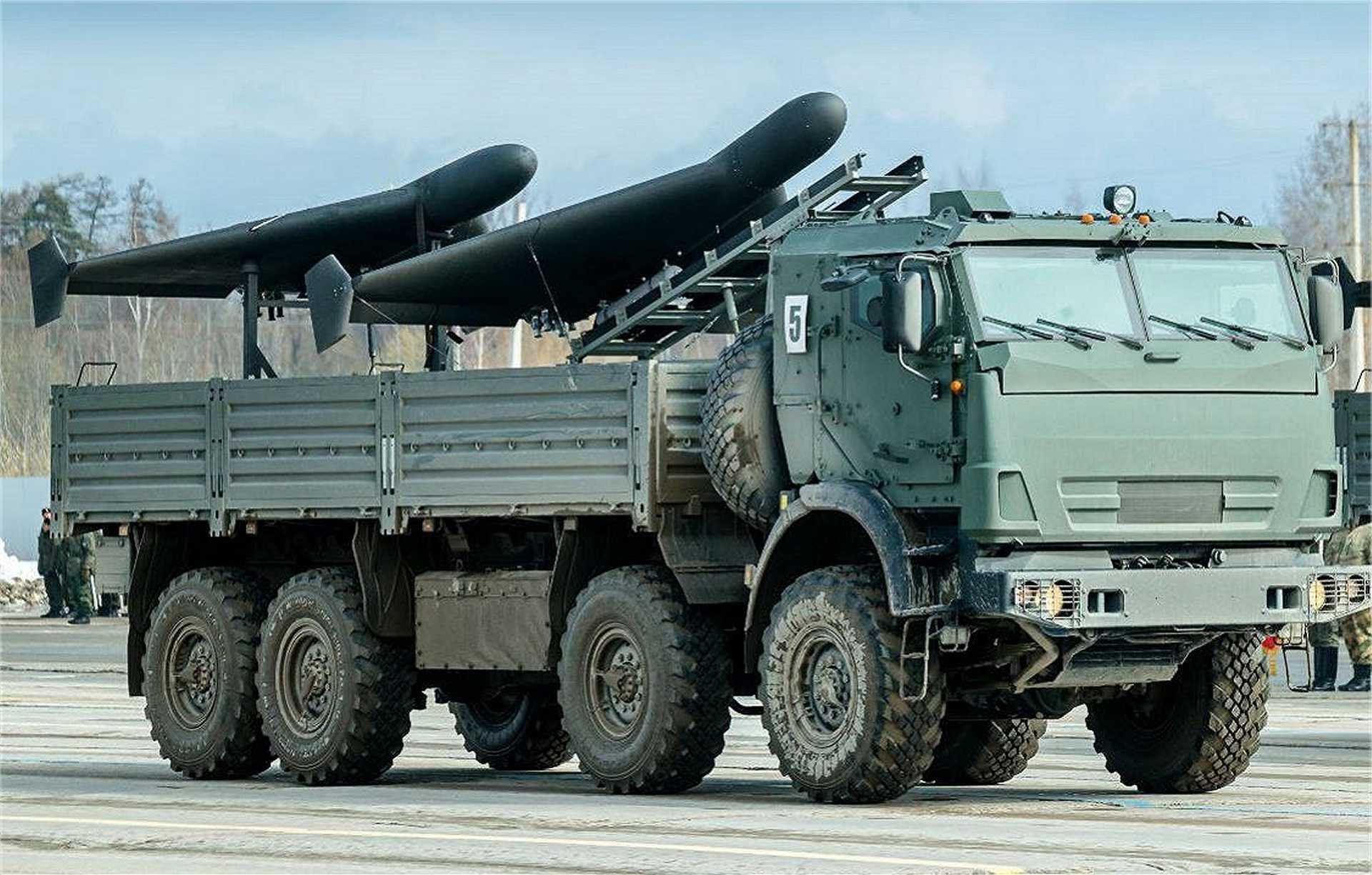
Russia's licence-built Shahed-136, mass-produced at Alabuga and upgraded with anti-jam navigation, cameras, mesh modems and heavier warheads.
DroneAdversary capabilityby AlabugaIntroduced 2022 · Updated 2026

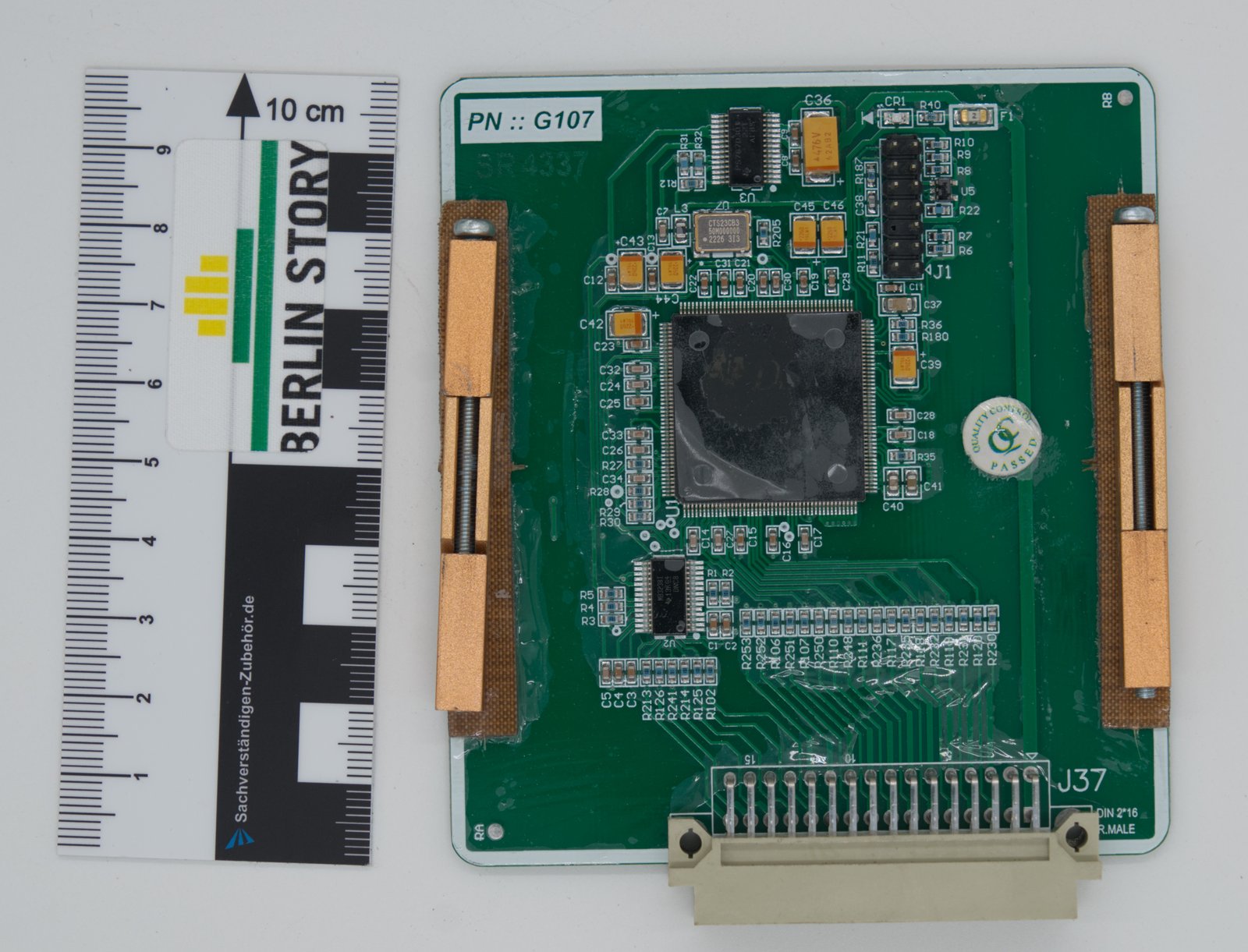 One of eight flight-computer cards from a Geran-2 (cards communicate over CAN bus)
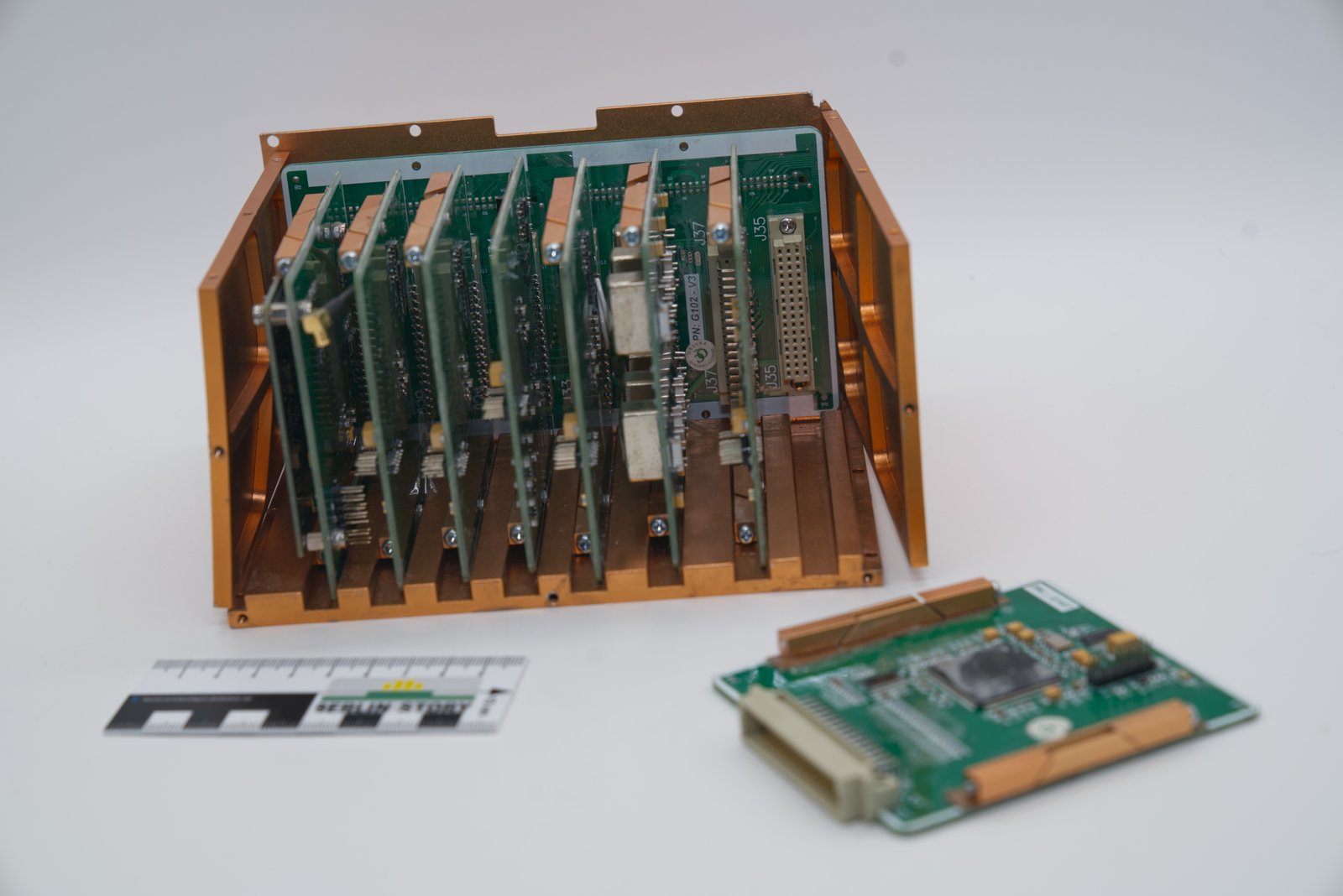 Geran-2 flight-computer box with its eight cards
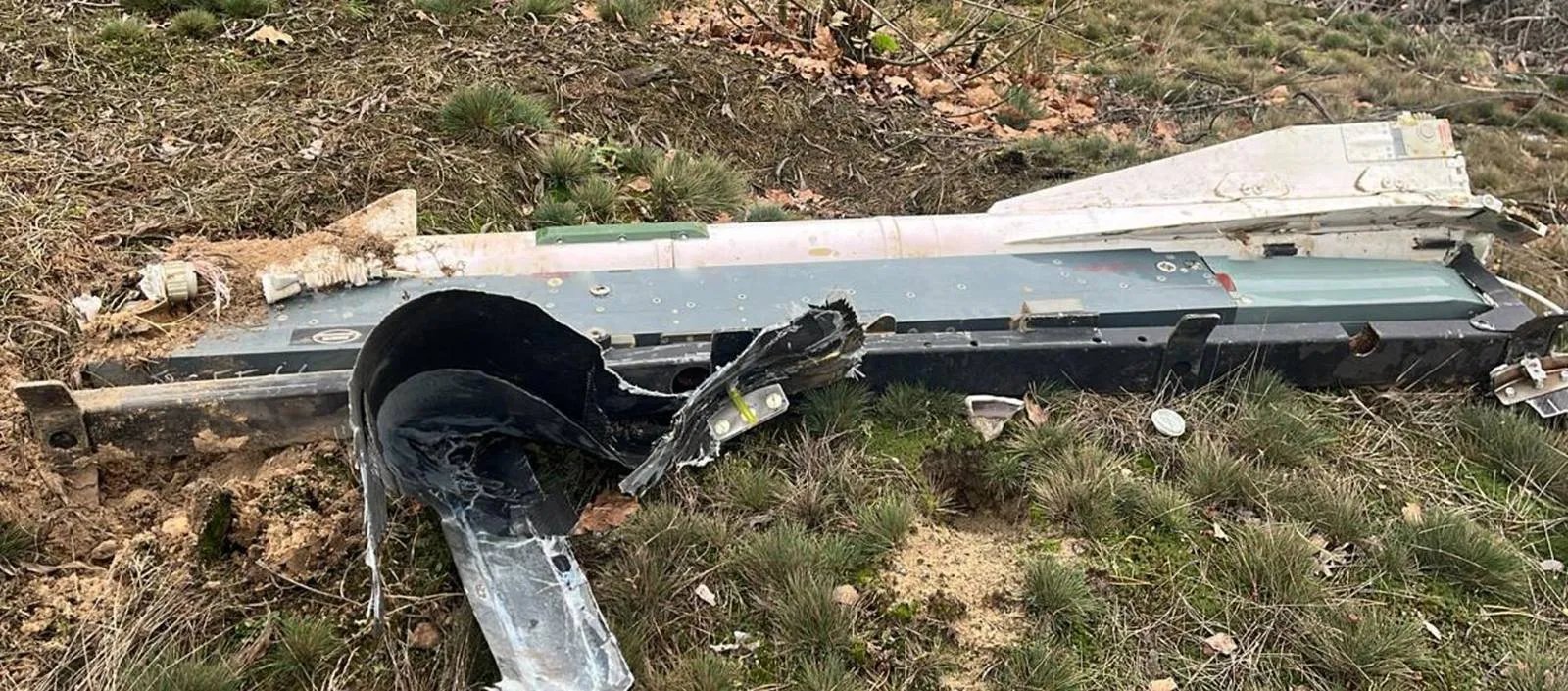 Series Э Geran-2 with R-60 missile — teardown photo 1 of 6 (launcher, cameras, modem, Kometa)
 Series Э Geran-2 teardown photo 2 of 6
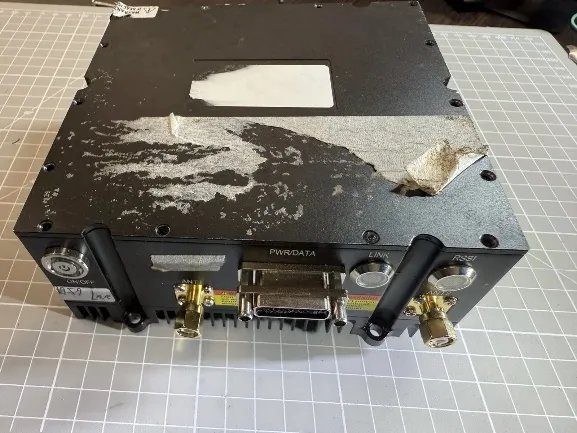 Series Э Geran-2 teardown photo 3 of 6
Photos: www.armyrecognition.com · www.hisutton.com · cults3d.com · cz24.news · InformNapalm (Telegram) · Ennolenze / Wikimedia Commons · Defence Intelligence of Ukraine (HUR), War&Sanctions
Videos



Overview
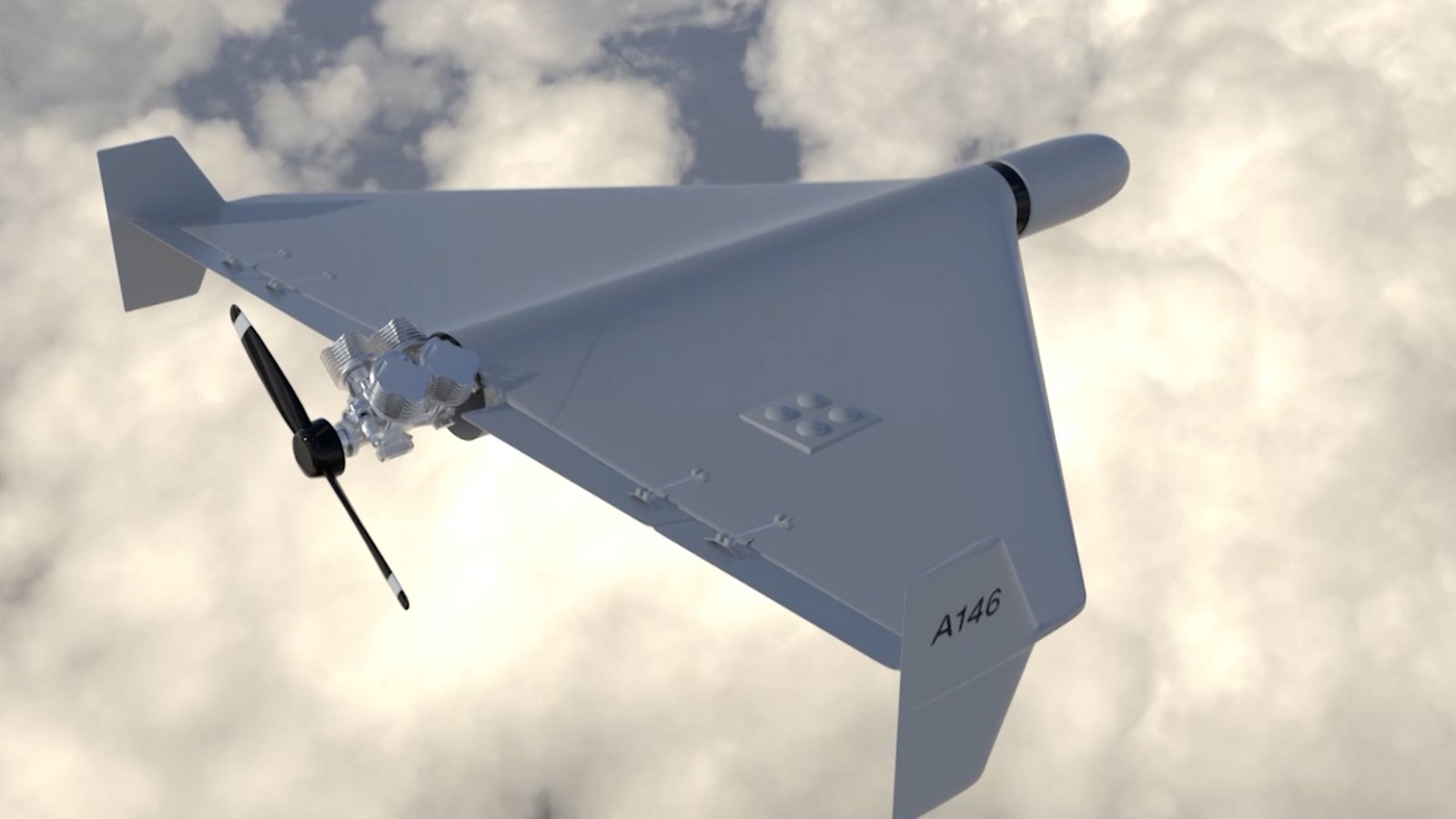
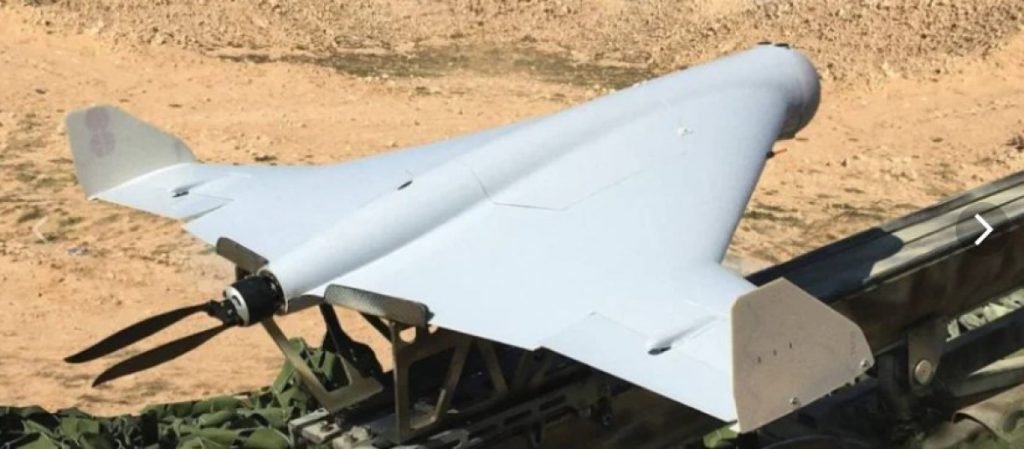
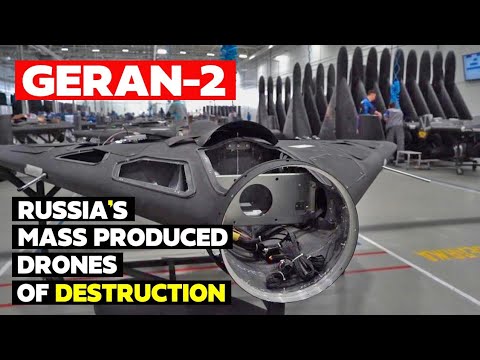
The Geran-2 (Герань-2) is Russia’s name for the Iranian Shahed-136 one-way attack drone, and since 2023 a Russian product in its own right. It is built at Alabuga in Yelabuga, Tatarstan. A delta-wing airframe about 3.5 m long with a 2.5 m span, a small piston engine driving a pusher propeller, and a warhead of roughly 50 to 90 kg: by any single measure it is a crude weapon. Its significance comes from numbers. The Institute for Science and International Security counted 54,538 Shahed-type drones launched at Ukraine in 2025, about 32,200 of them strike drones and the rest decoys.
Over three years the drone has changed a great deal. Recovered airframes show anti-jam satellite navigation, live video over cellular, satellite and mesh links, heavier and more varied warheads, and in late 2025 even an air-to-air missile. Its jet-powered successors, the Geran-3, Geran-4 and Geran-5, build on the same production base.
From Shahed-136 to Geran-2
The first drones marked “Герань-2” were photographed in Ukraine in September 2022. They were Iranian-built Shahed-136s under a Russian designation. Leaked contract documents analysed by the Institute for Science and International Security (ISIS) describe a 2023 agreement under which Iran supplied kits, warheads and training while Alabuga localised production.
By mid-2023 the Russian version was distinct. Conflict Armament Research examined two Geran-2s recovered in Ukraine and found “major differences in the airframe construction and in the internal units”. The fuselage was fibreglass over woven carbon fibre, and the electronics included Russian modules such as the Kometa satellite-navigation unit, whose serial numbers dated to January and February 2023. Most components still carried the marks of at least 22 foreign companies in seven countries.
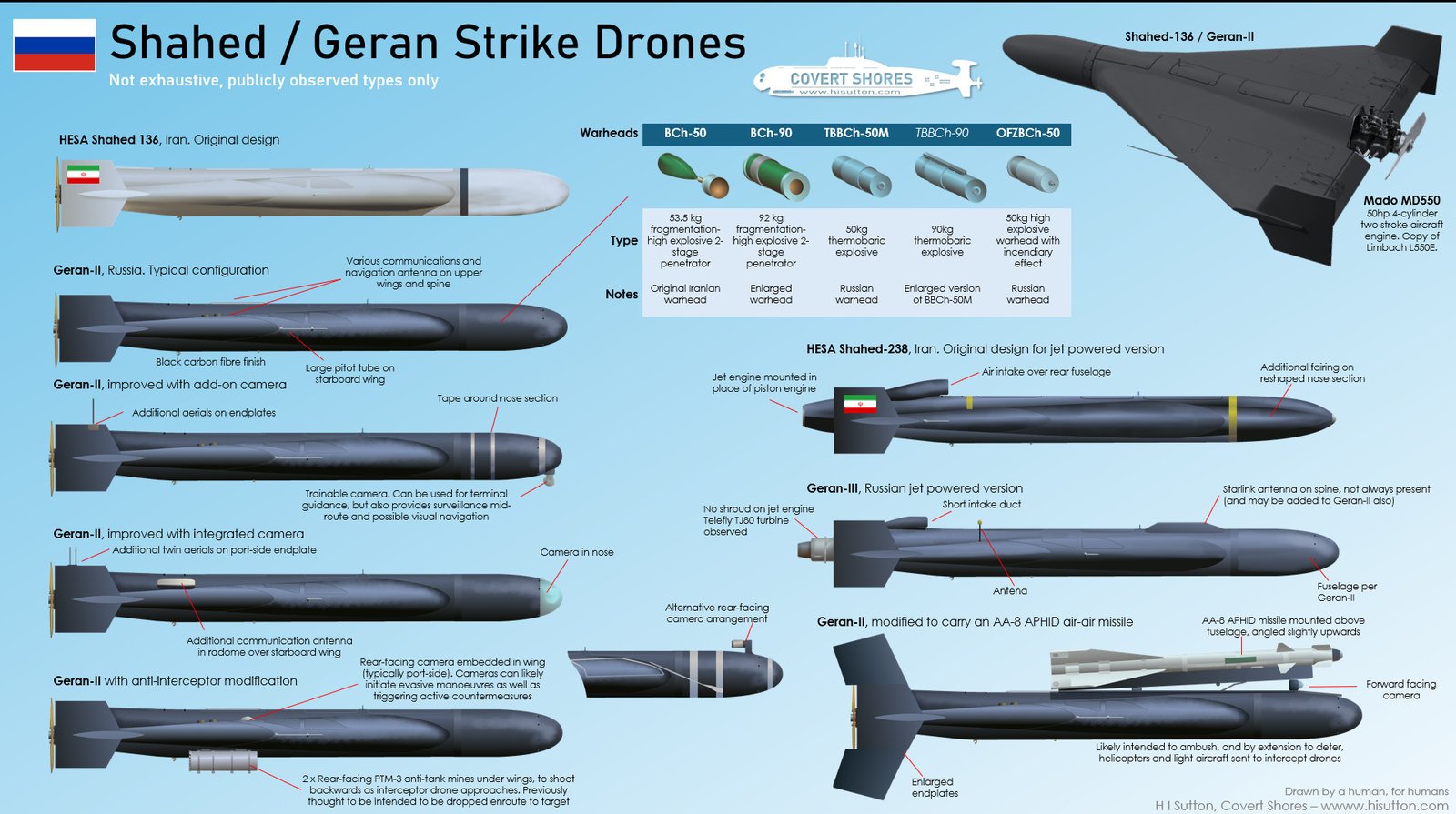
The engine is the MD-550, reverse-engineered from the German Limbach L550E four-cylinder two-stroke. From November 2023 many Gerans arrived painted black, which made them harder for searchlight-equipped gun crews to spot at night. Ukraine’s Air Force says Russia also pushed cruise speed from about 170 km/h to over 200 km/h, according to Reuters.
Electronics and navigation
Navigation combines an inertial unit with satellite positioning through Kometa, a Russian 12-channel controlled-reception-pattern antenna (CRPA) built to keep GNSS working under jamming. Ukraine’s military intelligence (HUR) describes it as standard across current Geran variants. In April 2025 HUR reported that a newer CRP antenna contained only two US-made chips, from Texas Instruments and Linear Technology. Its transceivers, signal generators and converters were Chinese, and its main signal-processing chip came from the Beijing Microelectronics Technology Institute. In January 2026 HUR found a Murata SCH1633-D0I six-axis inertial module, a Japanese automotive part launched in late 2024, in a Geran for the first time.
Communications show the clearest progression. In late 2023 and early 2024, Gerans were found with cameras and 4G modems running on Ukrainian SIM cards. One shot down on 25 September 2024 carried a Starlink terminal. From July 2025, military-technology expert Serhii Beskrestnov reported, Gerans began carrying a nose camera and a Chinese Xingkay Tech XK-F358 mesh modem, and the fit was in serial use by September. A Ukrainian Air Force commander told Reuters that the drones now relay signals to each other across grids spanning more than 120 km, which undermines navigation jamming.
HUR’s teardowns of the “Э” series list a Raspberry Pi 4 as the tracker computer, two GSM modems for telemetry, a Honpho TS130C-01 camera and the mesh modem, alongside parts from the US, China, Switzerland, Taiwan, Japan, Germany and the UK. In June 2025 HUR showed an “MS series” drone shot down over Sumy Oblast with an infrared camera and an NVIDIA Jetson Orin computer. HUR assessed that it could compare camera imagery against loaded models to select targets, although it judged that particular airframe Iranian-built.
Warheads
The warhead is where Russian production departed furthest from the Iranian original. ISIS’s May 2024 analysis of leaked Alabuga documents lists the Iranian BCh-50, a 53.5 kg combined fragmentation and shaped-charge unit, alongside a family of Russian designs:
- OFZBS-50 from GosNIIMash, the same size as the original but with about 4,000 tungsten-alloy fragments;
- OFZBCh-50 from NPO Basalt with Technodinamika, a fragmentation-incendiary design;
- a roughly 52 kg thermobaric warhead from the Scientific Research Institute of Applied Chemistry;
- the BCh-90, 92 kg with 62 kg of explosive, “almost double the explosive yield”, apparently first used in combat on 25 November 2023.
Ukrainian investigators reported a tungsten-ball warhead with Cyrillic markings in autumn 2023. HUR found a TBBCh-50M thermobaric warhead on a drone examined in January 2026. Russian outlets have since claimed a 40 kg add-on fragmentation charge and a liquid incendiary warhead. Neither has been independently confirmed. The Ukrainian channel Victory Drones says some airframes built in Izhevsk carry a wing-mounted rangefinder that sets off the warhead in the air near the target. The trade-off is fuel: heavier warheads shorten range considerably.
Two late-2025 variants turned the drone against the aircraft that hunt it. HUR documented a series “Э” Geran-2 carrying a Soviet R-60 air-to-air missile on a launcher above the forward fuselage. An operator watches the camera feed and commands launch when a helicopter or aircraft comes close. The next version carried a Verba MANPADS and kept its full warhead.
Production at Alabuga
Alabuga is a special economic zone east of Kazan. ISIS estimated that it was delivering about 444 drones a month through August 2024, well ahead of the contracted 226, for about 6,400 in total. HUR put Russian output of Shahed-type drones and decoys at about 170 a day by May 2025, with a 2025 plan of 40,000 Geran-2s. Satellite imagery reviewed by ISIS in 2025 showed a major expansion of the site. Russian state television’s Zvezda showed teenagers assembling drones there, recruited from a college the plant runs. ISIS noted that launches levelled off at about 176 a day from autumn 2025, which may point to limits in production or supply.
Cost estimates vary. The 2023 contract priced Iranian-supplied units near $193,000. CSIS estimated Russian production at about $35,000 a unit, according to Reuters.
Combat use
Targets have been Ukraine’s power grid, gas infrastructure, defence plants, airfields, ports and city centres. ISIS describes a shift in 2025 from nightly launches straight off the production line to multi-day mass raids. July 2025 was the peak month, at about 203 drones a day, and the largest single attack, on 7 September 2025, involved 810 Shahed-type drones. The share reaching their targets rose from 2–3% in early 2025 to 11.5–18.7% from April, and to as high as 32% for strike drones alone.
Countering it
Ukraine’s defence is layered. Mobile fire groups with heavy machine guns on pickup trucks were the first cheap answer, and Russia responded by flying higher and faster. Interceptor drones followed. By spring 2026 about 1,000 crews were downing about 40% of long-range attack drones, Reuters reported, although fog and engagement windows of only a few minutes limit them. Air Force spokesman Yurii Ihnat said electronic warfare neutralised nearly half the drones on some nights. F-16s use their 20 mm cannon. Detection relies partly on Sky Fortress, a network of roughly ten thousand smartphone-based acoustic sensors.
A single kinetic hit is not always enough. Russian observers posted a case of an interceptor that lodged in a Geran’s wing without detonating, and a second interceptor was needed. Ukraine reported interception rates of about 90% by April 2026. Russia keeps adapting, and since 2025 it has also been moving towards faster jet-powered variants.
Combat experience
The first drones marked “Герань-2” were photographed in Ukraine in September 2022, initially Iranian-supplied Shahed-136s under a Russian name. Licensed production at Alabuga followed in 2023, and by 2025 the Geran-2 was the backbone of Russia’s long-range strike campaign. The Institute for Science and International Security counted 54,538 Shahed-type launches in 2025 from Ukrainian Air Force data, about 32,200 of them strike drones and the rest decoys such as Gerbera. Launches peaked in July 2025 at about 203 a day; the largest single raid, on 7 September 2025, included 810 Shahed-type drones.
Targets have been power generation and transmission, gas infrastructure, defence industry, airfields, ports and city centres. Tactics moved from nightly “produce and launch” raids early in 2025 to multi-day mass attacks from June, with drones grouped and routed to probe and saturate air defences.
Effectiveness
The Geran-2 is slow and loud, and most are stopped. What matters is volume and cost. ISIS calculated that the share of Shahed-type drones reaching their targets rose from 2–3% in early 2025 to 11.5–18.7% from April, and to 19.5–32.3% for strike drones alone. Ukraine’s defence ministry set a goal of 95% interception in February 2026 and reported about 90% by April, according to Reuters.
The exchange rate still favours the attacker when a drone that CSIS estimates costs about $35,000 to build draws a surface-to-air missile costing millions. That is why Ukraine has moved to guns, interceptor drones costing a few thousand dollars and acoustic sensors. Russia’s answers are steady: higher speed and altitude, anti-jam navigation, cameras and mesh relays, and, since 2025, a shift towards jet-powered Geran-3, Geran-4 and Geran-5.
Warhead upgrades
| Warhead | Type | Mass | Since | Notes |
|---|---|---|---|---|
| BCh-50 ("Warhead 50") | fragmentation-HE plus shaped charge (Iranian design) | 53.5 kg assembly; 2.5 kg OF and 25.5 kg shaped-charge explosive | 2022 | The baseline Iranian-supplied warhead under the 2023 Alabuga contract; Alabuga was to be trained to make it itself source |
| Tungsten-ball warhead | high-explosive fragmentation | not published | 2023 | Differently shaped warhead packed with tungsten balls, with Cyrillic markings, reported by Ukraine's trophy-weapons research centre in autumn 2023 source |
| OFZBS-50 | fragmentation-HE-incendiary | ~50 kg (25 kg HE); ~4,000 tungsten-alloy fragments | 2023 | GosNIIMash design, same size and mass as the Iranian original, proposed in leaked Alabuga documents source |
| OFZBCh-50 | fragmentation-HE-incendiary | ~50 kg (16 kg HE) | 2023 | NPO Basalt with Technodinamika; 5,000 units proposed. Fragmentation liners may contain zirconium for an incendiary effect source |
| Thermobaric warhead (TBBCh-50M) | thermobaric | ~52 kg (about 30 kg HE core, 20 kg thermobaric mix) | 2023 | Developed by the Scientific Research Institute of Applied Chemistry; 3,000 proposed for Alabuga. HUR found a TBBCh-50M on the Verba-armed series Э in January 2026 source |
| BCh-90 | fragmentation-HE-incendiary (OFBZ) | 92 kg assembly, 62 kg explosive | 2023 | Nearly double the explosive yield; ST45 steel and zirconium elements; apparently combat-tested on 25 November 2023; cuts range sharply source |
| Add-on fragmentation charge | external charge with pre-formed fragment belt | ~40 kg added (~90 kg total) | 2025 | Reported by Russian Telegram outlet Shot on 18 September 2025; range said to fall from ~1,800 to ~1,200 km. Single-source Russian claim source |
| Liquid incendiary warhead | incendiary | ~90 kg (claimed) | 2025 | Russian media claim of a nose tank of incendiary mixture ignited near the target; not independently confirmed source |
Variants
- Black-painted night version2023
Matte black finish first used in the night attack of 25 November 2023 to defeat searchlights and visual spotting; otherwise standard source
- Camera and 4G-modem version2024
Video camera and cellular modem using Ukrainian SIM cards to send imagery over Ukrainian networks source
- Starlink-equipped version2024
Starlink terminal for a satellite datalink, found on a drone downed 25 September 2024 source
- Chinese-chip CRPA2025
New anti-jam antenna with mostly Chinese components replacing US parts source
- MS series (Jetson Orin)2025
Infrared camera plus NVIDIA Jetson Orin for onboard image processing and target selection; shot down in Sumy Oblast, June 2025 source
- Mesh-modem version2025
Nose camera plus Xingkay XK-F358 mesh modem for real-time video and control relayed through other drones; serial by September 2025 source
- Series Э with R-60 missile2025
R-60 infrared air-to-air missile on an APU-60-1MD launcher above the forward fuselage, two network cameras, mesh modem; meant to threaten helicopters and aircraft hunting drones source
- Series Э with Verba MANPADS2026
Verba man-portable missile with servo-driven seeker cooling and cover, plus a full TBBCh-50M warhead source
Countering it
As reported publicly; each line links its source.
- Interceptor drones — About 1,000 Ukrainian interceptor-drone crews; interceptors downed about 40% of long-range attack drones by spring 2026, up from 25% in winter. Fog and short engagement windows limit them source
- Electronic warfare — Ukrainian Air Force spokesman Yurii Ihnat said EW neutralised nearly half the drones on some nights; Kometa CRPA antennas and mesh relays are Russia's response source
- Mobile fire groups — Pickup trucks with heavy machine guns and searchlights; Russia has answered with higher altitude and speed source
- Fighter cannon — Ukrainian F-16s engage Gerans with the 20 mm M61A1 Vulcan; video of repeated gun intercepts circulates on both Ukrainian and Russian channels (Air Force spokesman Ihnat told Reuters one F-16 can down up to 10 Shaheds a night) source
- Acoustic detection — Sky Fortress, a network of roughly 10,000 smartphone-based acoustic sensors feeding Ukraine's air-defence command network source
- Strikes on launch and storage sites — Ukraine hit Shahed launch and storage sites at least four times in 2025, including Donetsk airport twice, with little visible effect on launch rates source
Sources
- isis-online.org/isis-reports/detail/alabugas-shahed-136-geran-2-warheads-a-dangerous-escalation/
- isis-online.org/isis-reports/detail/update-alabugas-production-rate-of-shahed-136-drones
- isis-online.org/isis-reports/major-developments-at-alabuga-sez-point-to-significant-expansion-in-military-drone-production
- isis-online.org/isis-reports/a-comprehensive-analytical-review-of-russian-shahed-type-uavs-deployment-against-ukraine-in-2025
- gur.gov.ua/en/content/warsanctions-hur-rozkryvaie-detali-novoi-modyfikatsii-rosiiskoi-erani-z-aviatsiinoiu-raketoiu-r60.html
- war-sanctions.gur.gov.ua/en/components/6723
- armyinform.com.ua/en/2026/01/12/diu-new-geran-modification-carries-both-a-manpads-and-a-warhead-simultaneously/
- ukrinform.net/rubric-ato/3979284-russia-replacing-american-components-in-shahed-drones-with-chinese-ones-ukraine-intel.html
- www.kyivpost.com/post/59924
- www.pravda.com.ua/eng/news/2025/06/27/7519051
- www.pravda.com.ua/eng/news/2025/06/18/7517705
- twz.com/news-features/russian-shahed-136-with-camera-cellular-modem-could-be-a-big-problem-for-ukraine
- militarnyi.com/en/news/russian-shahed-drone-with-starlink-terminal-shot-down-over-ukraine/
- euromaidanpress.com/2023/08/13/russia-has-likely-already-started-producing-its-domestic-version-of-shahed-drones-car/
- euromaidanpress.com/2023/11/25/russia-deploys-black-painted-shahed-drones-in-nighttime-attack-on-ukraine/
- english.nv.ua/amp/russia-trades-range-for-lethality-as-geran-2-gains-brutal-cluster-payload-50545996.html
- www1.ru/en/news/2025/10/10/novuiu-boevuiu-cast-s-zidkoi-zazigatelnoi-smesiu-nacali-ustanavlivat-v-drony-kamikadze-geran-2.amp.html
- www.marketscreener.com/news/inside-ukraine-s-drive-to-defeat-the-dreaded-shahed-drone-ce7f59d3da88f621
- gwaramedia.com/en/ukrainian-mobile-firing-groups-hunt-for-russian-shaheds-with-guns-unfit-to-efficiently-down-them/
- english.nv.ua/russian-war/ukrainian-engineers-develop-sky-fortress-drone-detection-system-to-counter-shaheds-50520480.html
- kyivindependent.com/russias-biggest-and-most-secret-drone-factory-employs-teens-to-build-drones-that-attack-ukraine/
- theaviationist.com/2025/12/01/russia-geran-2-drone-r-60-missile/
- en.wikipedia.org/wiki/HESA_Shahed_136
- t.me/VictoryDrones/61395
- t.me/VictoryDrones/61397
- t.me/VictoryDrones/61614
- t.me/UAVDEV/12368